 Skip to content

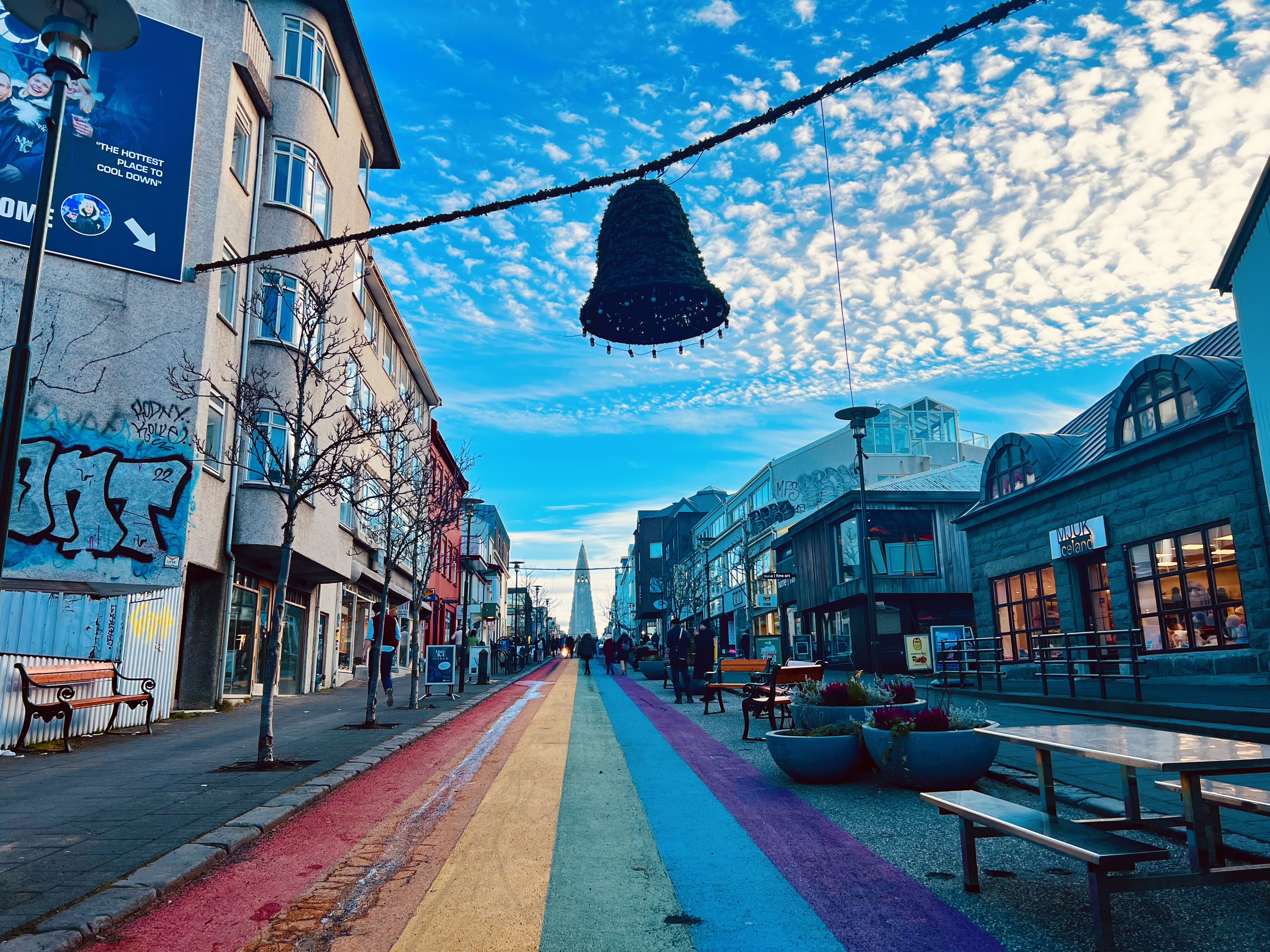
Choosing summer or winter in Iceland is not a small weather decision. It changes the light, the road plan, the number of hours available outdoors, the feel of Reykjavík and the amount of uncertainty the itinerary needs to hold.
Summer offers very long days, broader access and a generous driving window. Winter offers darkness, contrast, geothermal warmth and the possibility of northern lights—but also shorter days and more weather-driven changes.
Neither is the “real” Iceland. They ask for different kinds of travel.
Choose summer for light and geographic freedom
From late spring into summer, daylight expands dramatically. Around midsummer, darkness barely arrives. That creates practical freedom: a walk, drive or photography stop can happen much later than travelers expect.
Long light is especially valuable if the trip includes significant movement beyond Reykjavík. More routes and visitor facilities are generally accessible, and the day does not close around you in mid-afternoon. Hiking, coastal exploration, birdlife and road trips become easier to structure.
The tradeoff is demand. Summer is a major travel season. Popular sites, vehicles and central hotels can book early, and the most photographed stops may feel busy during conventional daytime hours.
The light also affects sleep. A hotel curtain is not always a complete solution; an eye mask earns its place in the luggage.
Summer is best for travelers who:
- want long days and broad outdoor access;
- are planning a first road trip;
- prefer less winter-driving uncertainty;
- enjoy hiking, birdlife and late-evening landscapes; or
- are traveling for a summer festival such as Reykjavík Jazz Festival.
Choose winter for darkness, atmosphere and a city-centered rhythm
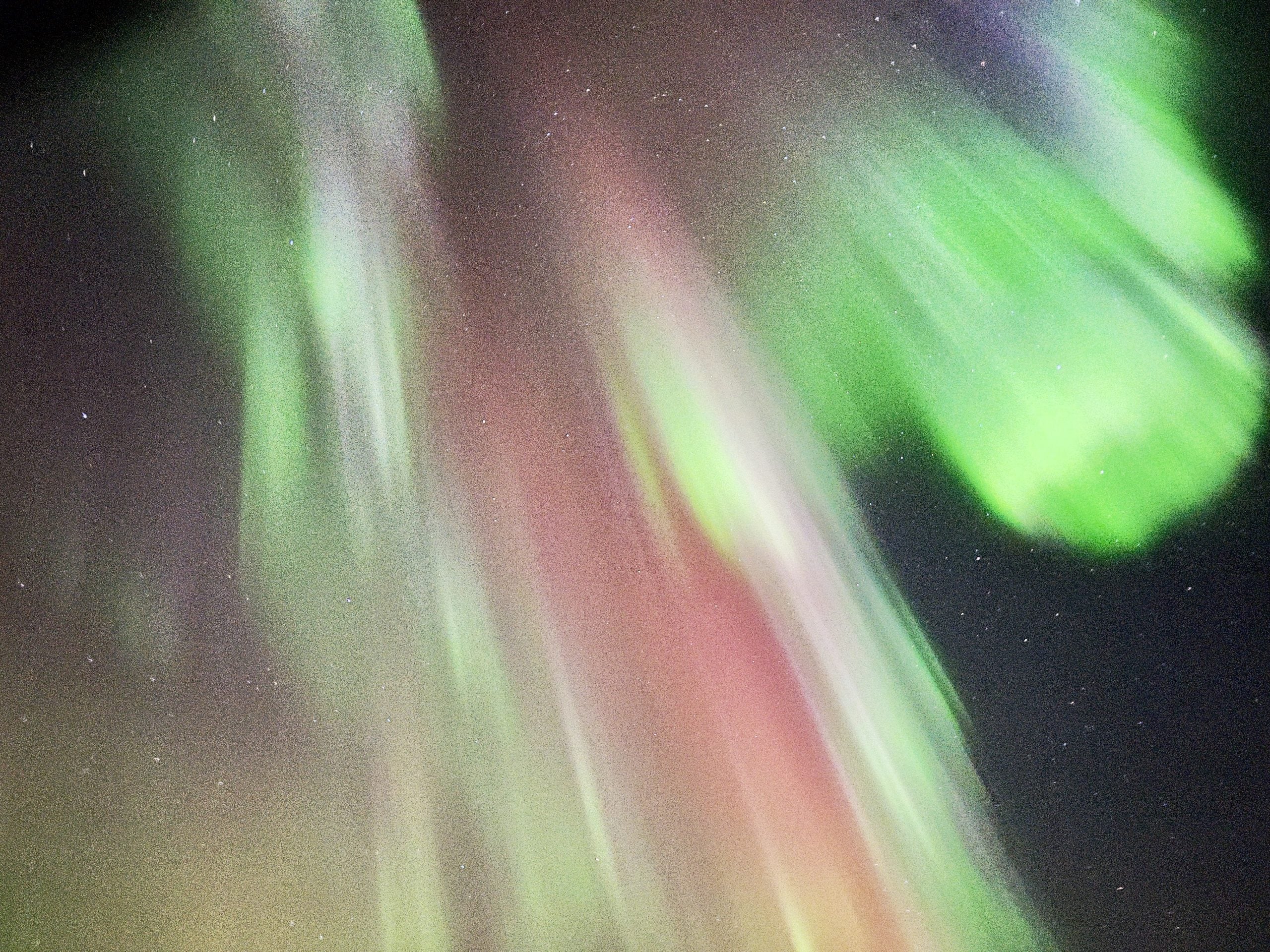
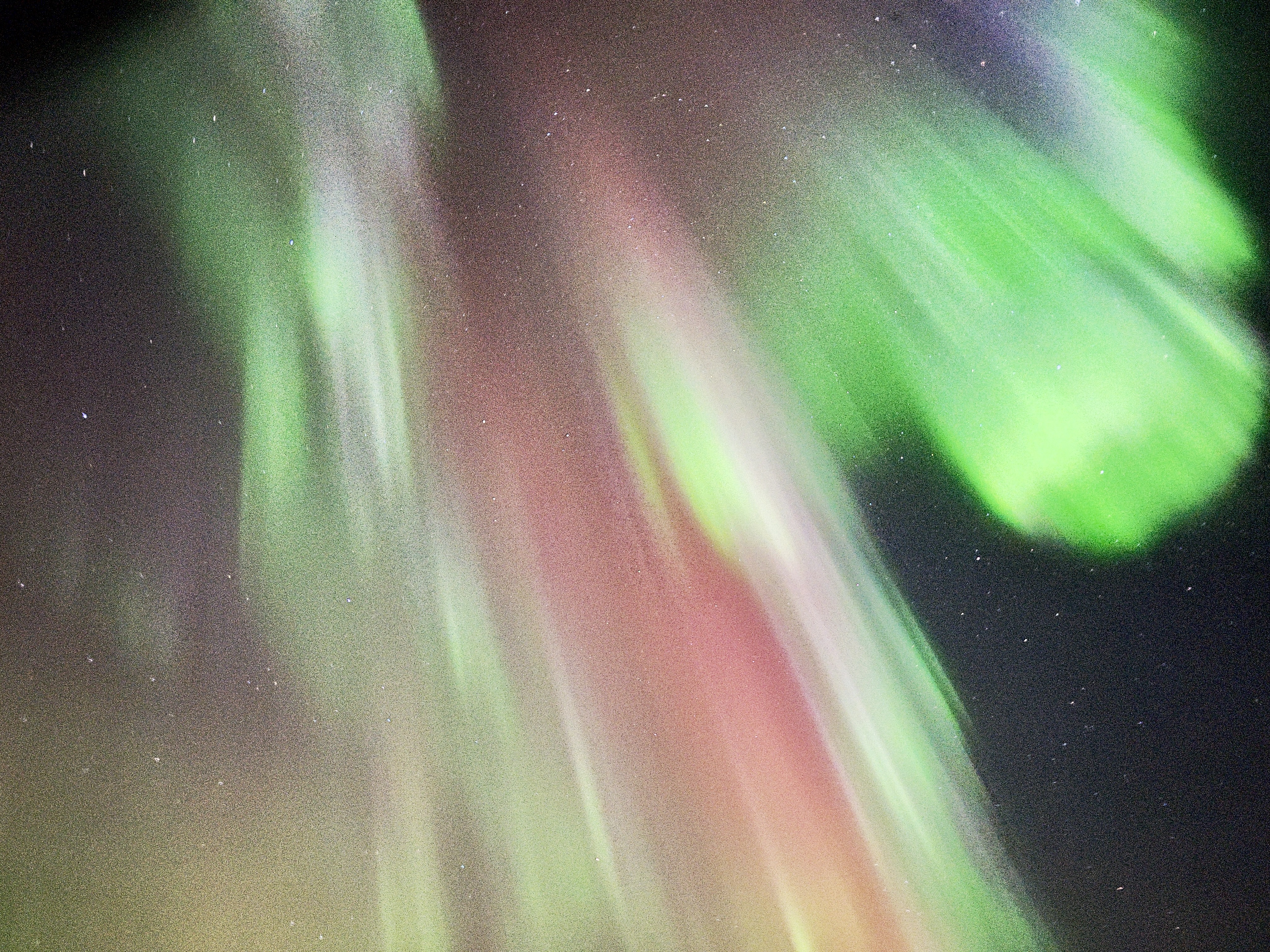
Winter brings short days, cold, wind, ice and a greater chance that weather will rewrite the plan. It also brings the possibility of northern lights, deep blue twilight, snow-covered landscapes and the pleasure of entering a hot pool in cold air.
The official Visit Iceland guide describes the country as one of extreme contrasts: long summer days are offset by short winter days, while geothermal pools remain part of the experience year-round. That contrast is exactly what attracts many winter travelers.
The aurora, however, is not guaranteed. Darkness is necessary but not sufficient; cloud cover and solar activity matter. A responsible itinerary does not promise a sighting or build every evening around a chase.
Winter is best for travelers who:
- value atmosphere more than covering maximum distance;
- are comfortable with flexible plans;
- want the possibility of northern lights without treating them as a guarantee;
- enjoy museums, pools, food and music as central experiences; or
- prefer a creative retreat pace over a long self-drive.
Daylight changes the itinerary
In summer, visitors can accidentally overplan because the sky keeps telling the body there is more day. That produces fatigue after several nights. Protect sleep and meal times even when the light is persuasive.
In winter, the limited daylight becomes a design tool. Use the brightest hours for the landscape and the darker hours for pools, museums, dinners, concerts and conversation. A well-built winter day feels concentrated rather than deprived.
Visit Reykjavík’s weather-by-month guide provides current packing and daylight guidance, but conditions can still change quickly. Check official forecasts during the trip.
Driving and access: the most important practical difference
Summer does not eliminate risk. Wind, rain, fog and road closures still occur, and highland routes follow their own opening schedules.
Winter demands a more conservative plan. A route that looks simple on a map can become inappropriate when snow, ice or wind arrives. Travelers unfamiliar with winter driving should not treat a rental car as a test of character. A driver, guided excursion or Reykjavík-centered itinerary may provide more freedom because someone else is managing the changing conditions.
Before any road day, consult SafeTravel Iceland, the Icelandic Road and Coastal Administration and the Icelandic Met Office.
Crowds and cost: avoid easy assumptions
Summer generally brings higher demand, but winter is not uniformly empty or inexpensive. Christmas, New Year, school holidays, events and northern-lights travel can create their own peaks.
Do not choose a season based on a vague promise of savings. Compare the actual trip dates, flight pattern, hotel category and vehicle needs. A cheaper room does not compensate for an itinerary that does not match your interests.
Shoulder periods can offer a compelling middle path, but they also combine seasonal uncertainty. Spring and autumn may bring changing road access, variable daylight and weather that feels like several seasons in one day.
Music and creative life in both seasons
Summer makes festivals, outdoor events and late-light evenings possible. Our Reykjavík Jazz Festival listening guide explains why late summer is especially interesting for music travelers.
Winter brings a different creative mood. Reykjavík’s cafés, studios, concert halls and small venues become part of the shelter and social rhythm of the season. The city does not stop being musical because the landscape is dark.
Chaz has written about how Iceland’s physical environment influenced his own work in How Iceland Shaped My Music. That relationship between place and sound is present in both seasons; the light simply changes the instrument.
A simple decision guide
Choose summer if your priority is:
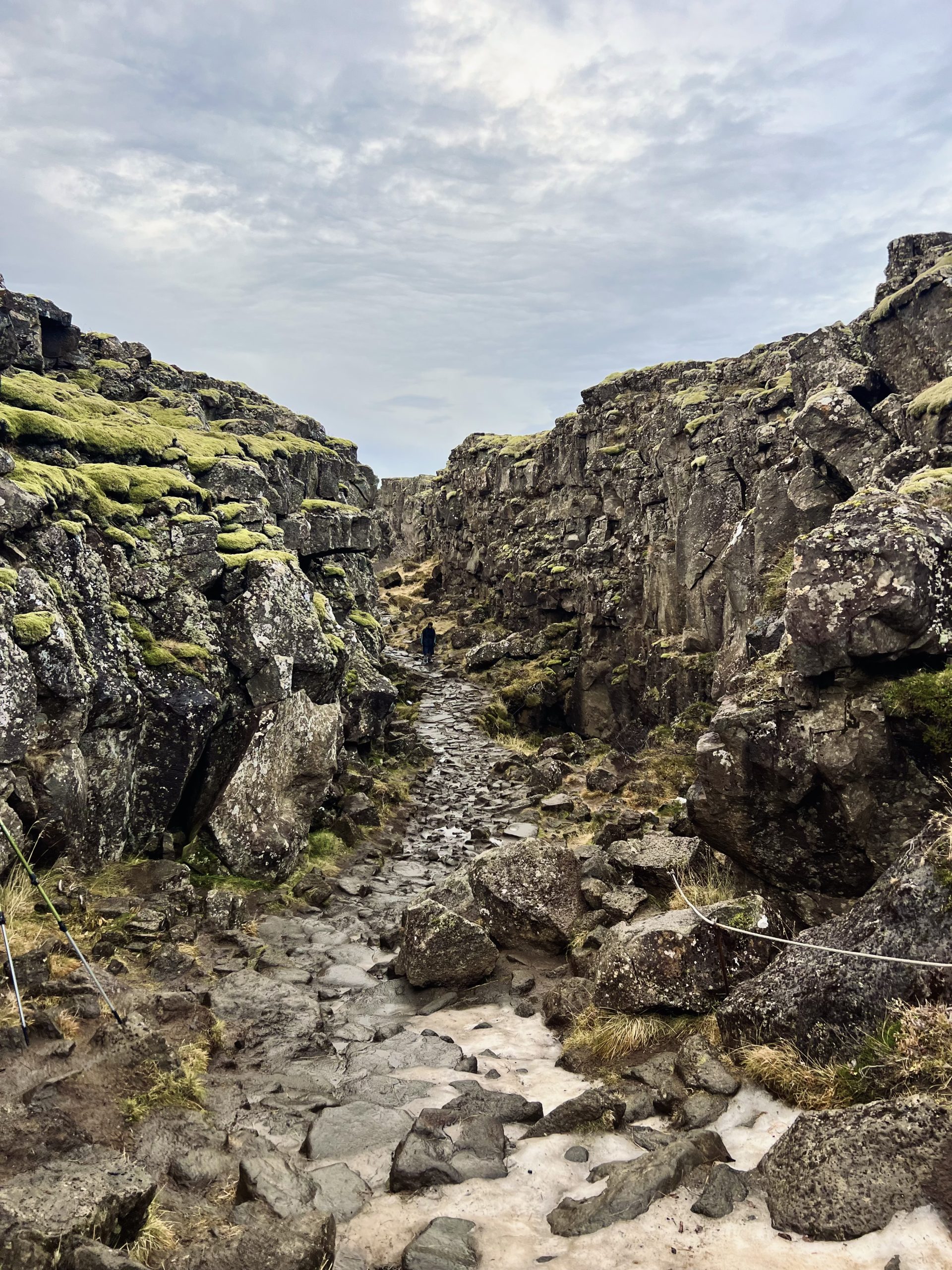
- driving farther and seeing more regions;
- hiking and outdoor access;
- very long days;
- a first visit with broad geographic ambition; or
- a summer music or cultural event.
Choose winter if your priority is:
- northern-lights possibility;
- geothermal pools in cold air;
- concentrated city-and-landscape days;
- photography built around low light and contrast; or
- a reflective, creative pace.
Choose neither extreme if you strongly dislike crowds but also dislike winter conditions. Late spring or early autumn may suit you, provided you accept more weather and access variability.
Design the trip around the season instead of fighting it
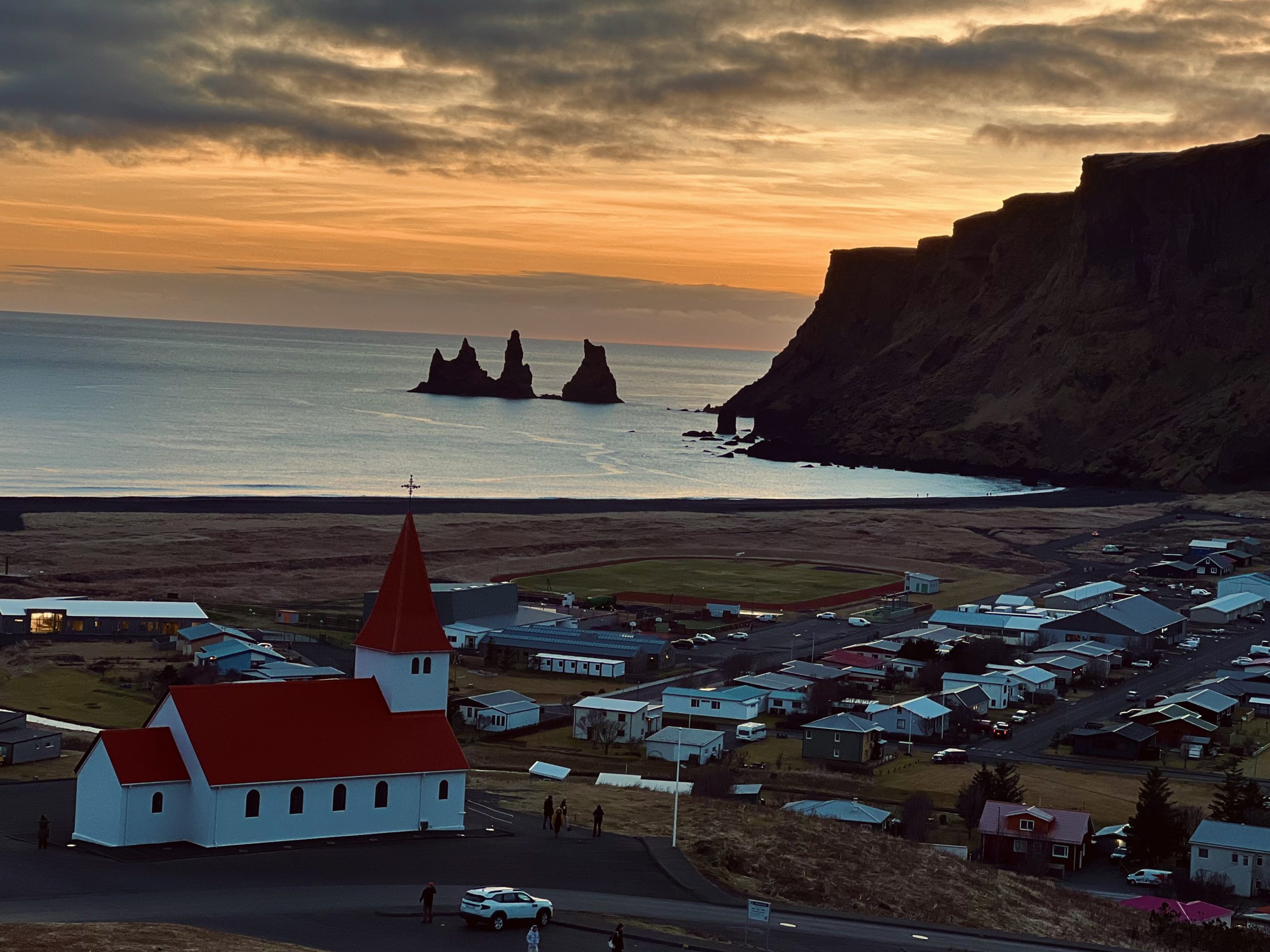
The wrong approach is to take a summer road-trip template and force it into February, or build a winter aurora plan for June. The season should shape the route, daily timing, transportation and expectations from the beginning.
Our Iceland music and creativity journeys are built around that reality. We can connect Reykjavík’s music and design culture with geothermal water and landscape while leaving room for conditions to change.
Tell us whether you are drawn to long light or winter contrast, and we will help design the Iceland experience that belongs to that season.