 Skip to content
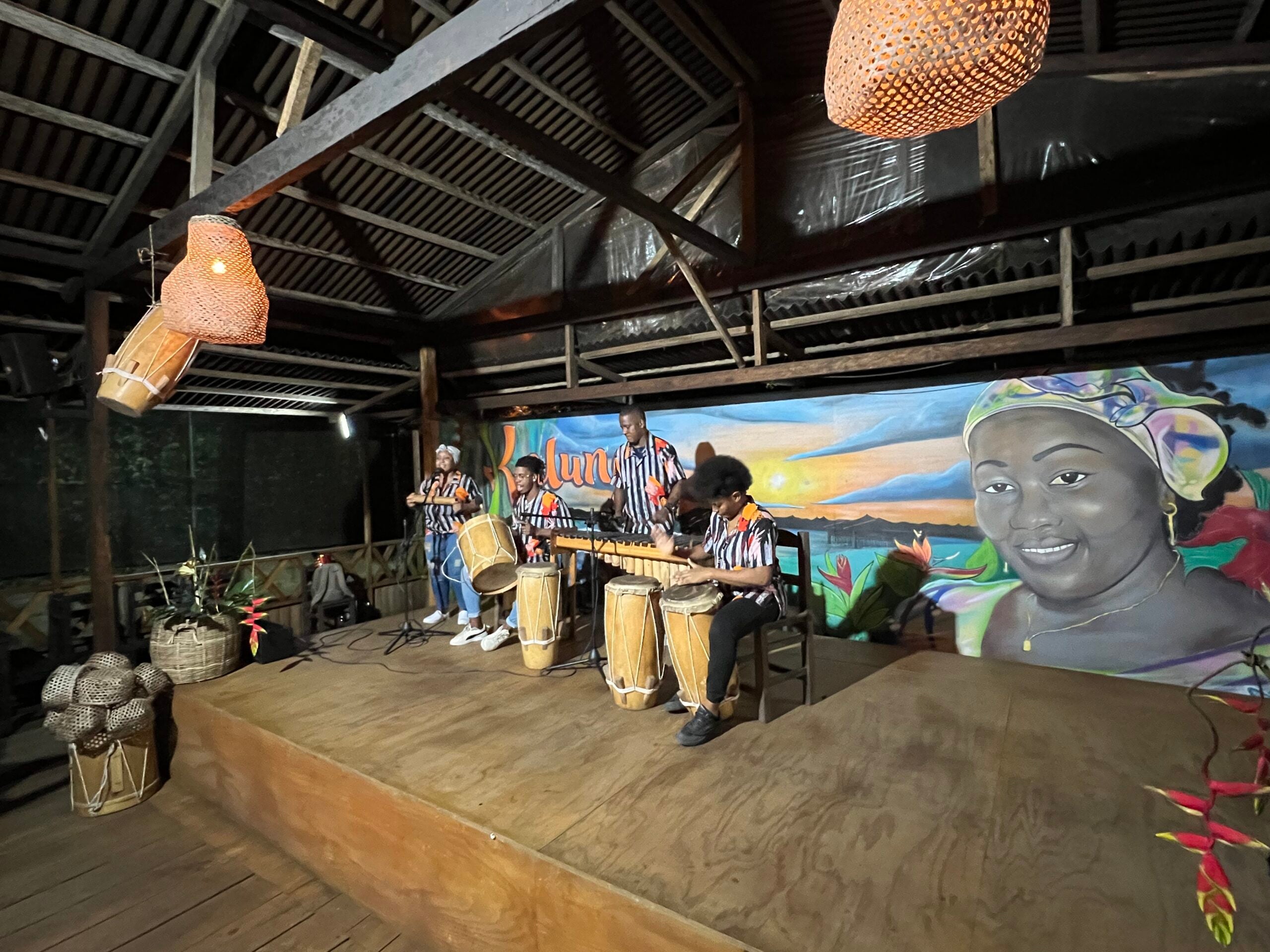
October 1 is International Music Day. It began in 1975 through the International Music Council, then led by violinist Yehudi Menuhin, with an ambition that still feels unusually relevant: to use music not only as art, but as a way to strengthen peace, friendship, cultural exchange and mutual understanding between people.
That idea sounds simple until you think seriously about what it asks of us.
Music does not build bridges because it makes everybody the same. It builds bridges because it gives us a reason to listen across difference.
Music is powerful because it carries difference, not because it erases it.
A samba rhythm in Rio de Janeiro, a brass band moving through New Orleans, flamenco in Jerez, marimba traditions from Colombia’s Pacific region, or a jazz meeting in Reykjavík do not need to become interchangeable for us to feel connected to them. Their histories are different. Their communities are different. Their instruments, meanings and social lives are different.
The bridge appears when we become curious enough to ask why the music sounds the way it does, who shaped it, what history it carries, how it is changing, and what responsibility we have as listeners and travelers entering that world.
International Music Day Was Always About More Than Performance
When Menuhin announced the first International Music Day, he called for the promotion of music across society and for the UNESCO ideals of peace, friendship, cultural exchange and mutual appreciation. His letter ended with the hope that music could strengthen the “bonds of peace and friendship between peoples.”
Fifty-one years later, that purpose matters because our world is not short on access to sound. We can stream music from almost anywhere in seconds. What remains harder is context. We can hear a genre without understanding the community that made it. We can watch a performance without knowing the history behind the rhythm. We can consume culture quickly without ever slowing down long enough to meet the people who sustain it.
For us, that is where travel can become something more useful.
Travel Changes When Music Is the Starting Point
A music-centered journey should not mean adding a concert to a sightseeing itinerary. It should change how the destination is understood.
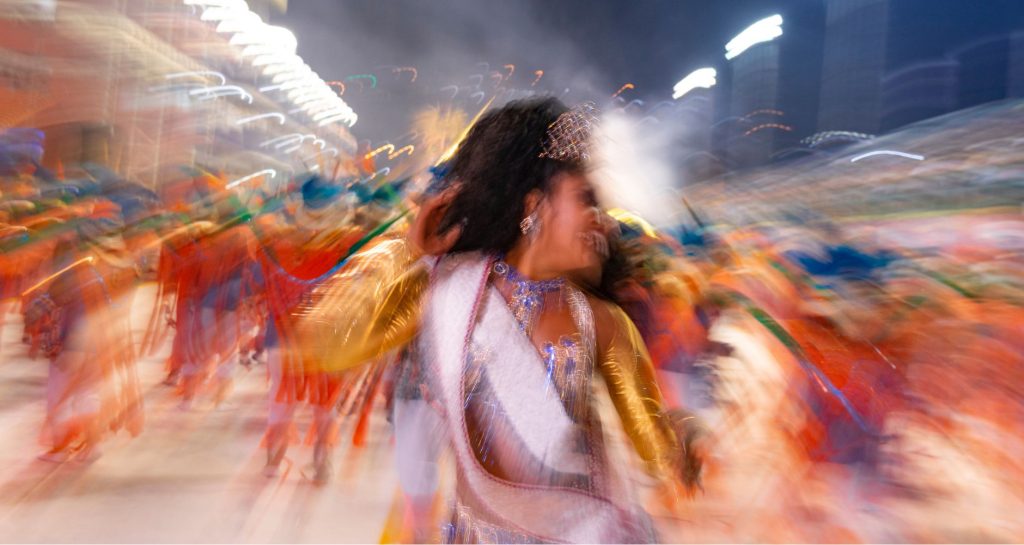
In Brazil, hearing samba, frevo or maracatu in context immediately complicates the idea of “Brazilian music.” These are not decorative sounds from one national playlist. They belong to different regions, histories, communities and practices. A workshop with local musicians can reveal more in an hour than a generic description ever could because rhythm becomes physical, questions become possible, and the people carrying the tradition are present in the room.
That is part of what we try to build into our Brazil Music & Cultural Tour and our educational music travel work. The point is not simply to hear more music. It is to understand more of what you are hearing.
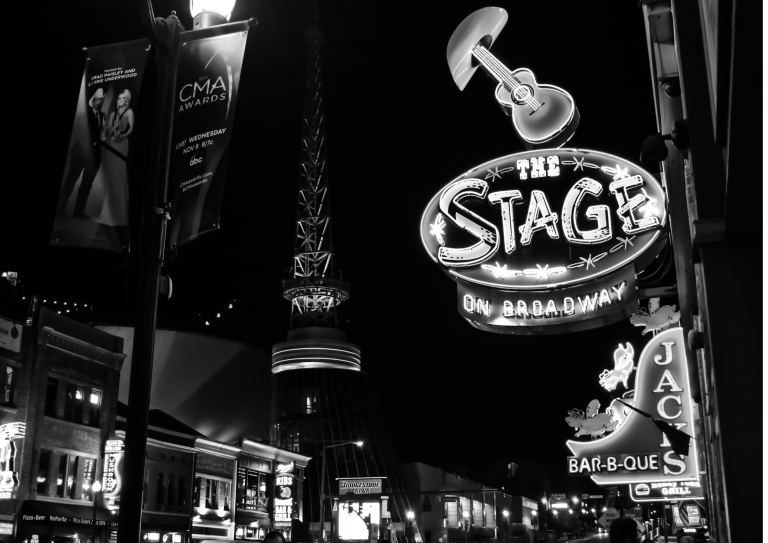
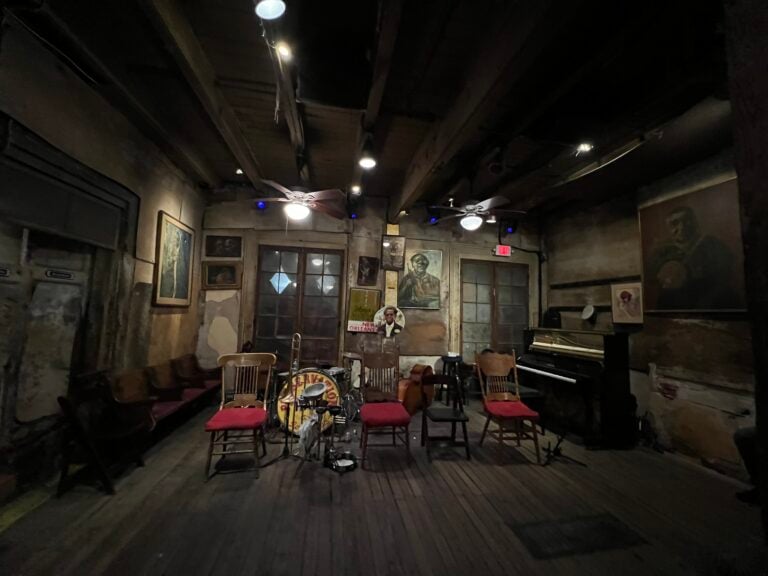
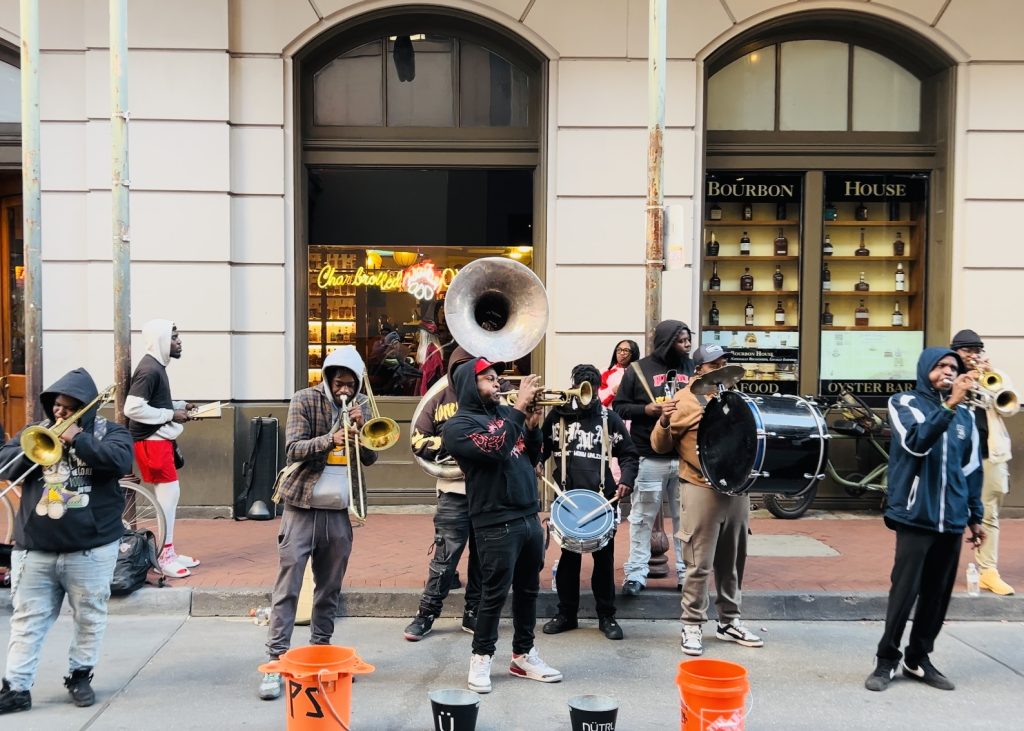
The same principle changes a trip through the American South. New Orleans, Memphis, Muscle Shoals and Nashville are connected, but they are not one story. Jazz, gospel, blues, soul, rhythm and blues, rock and country developed through migration, Black musical traditions, churches, radio, studios, touring circuits, commerce and constant exchange. Moving through those places makes the relationships visible in a way a playlist cannot. That is the idea behind our Sounds of the South journey.
A Bridge Is Not the Same Thing as a Shortcut
There is a phrase people use constantly about music: that it is a universal language. The sentiment is generous, but it can become lazy if it suggests that music needs no translation, history or cultural knowledge.
Music can connect people without being universally understood. Sometimes the connection begins precisely because we do not understand everything.
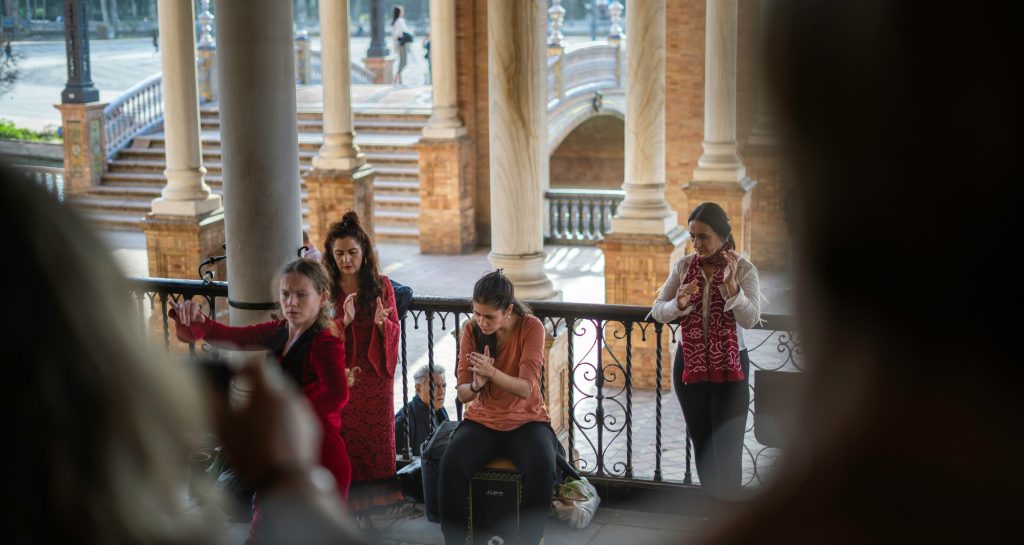
Flamenco becomes more interesting when we stop treating it as a symbol of Spain and start asking about Andalusia, specific communities, palos, guitar, voice, dance, compás and the places where the tradition has developed. Colombia becomes more interesting when “Colombian music” gives way to the very different musical worlds of the Caribbean coast, the Pacific region, the Andes and the country’s cities.
At the Petronio Álvarez Festival, for example, music is inseparable from the cultural knowledge, food, craft and communities of Colombia’s Pacific region. The value of traveling there is not in reducing that complexity to a festival checklist. It is in encountering a cultural world on its own terms.
Other Musicians Have Asked the Same Question
Menuhin was hardly alone in believing that music could create a meeting place across borders.
Yo-Yo Ma conceived Silkroad in 1998 around the historical Silk Road as a model for cultural collaboration, bringing musicians from different traditions together to create something that depended on difference rather than eliminating it. Silkroad describes that early experiment with a question that still feels useful: what happens when strangers meet?
UNESCO’s 2005 Convention on the Diversity of Cultural Expressions makes a similar point at a broader level. It calls for cultures to interact in mutually beneficial ways and for interculturality to help build bridges among peoples.
The Bridge Has to Go Both Ways
There is another part of this conversation that matters. Music should not become a resource travelers simply take from a place.
The International Music Council’s Five Music Rights include access to musical participation, learning and expression, but they also include proper recognition and fair remuneration for artists. That balance matters.
A meaningful music journey should create opportunities to listen, learn and participate while respecting the people whose work makes the experience possible. It should name artists and traditions accurately. It should avoid promising access that has not been earned or confirmed. It should pay attention to who is telling the story. It should leave room for local expertise rather than treating musicians as atmosphere.
That is the standard we keep trying to move toward at Musical Getaways.
What We Mean When We Say We Travel Through Music
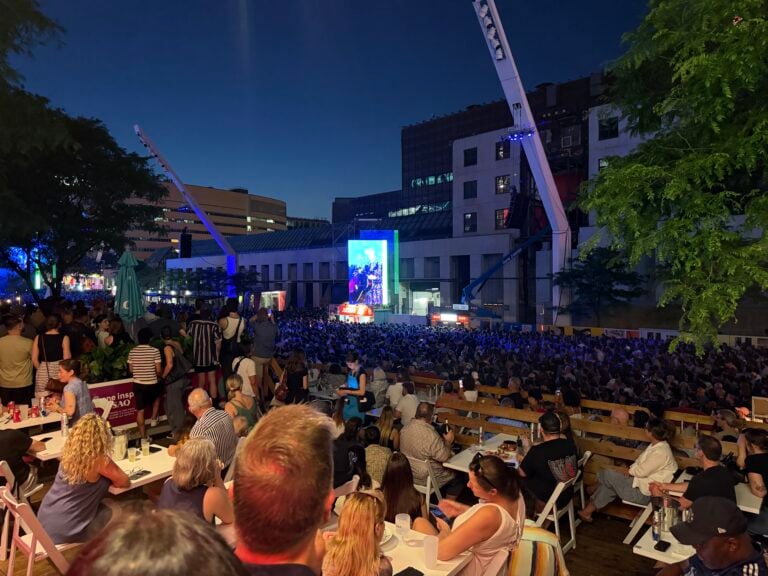
We have built trips around festivals, studios, neighborhood histories, workshops, rehearsals, live performances and conversations with people who work in music. We have followed musical connections through Brazil, the American South, Spain, Colombia, Iceland and other destinations. We have worked with students, educators, families, musicians and travelers who simply listen deeply.
The common thread is not a genre. It is a way of paying attention.
It means asking why a place sounds the way it does. It means understanding that a rhythm has a history, that a venue belongs to a neighborhood, that a festival represents communities beyond its stage, and that a musician is not just part of the entertainment but a person carrying knowledge, work and perspective.
We explored a related idea recently in Dolly Parton and the Power of Music to Connect People. The artists and traditions may change, but the larger question stays with us: what becomes possible when music gives people a reason to listen to one another?
On International Music Day, that is the part worth celebrating. Not the idea that music makes borders disappear, but the possibility that it can help us cross them with more curiosity, humility and respect.
A good journey should not send us home believing the world is simpler than we thought. It should make us better listeners.