
 Skip to content



Teenagers are very good at recognizing when a trip was designed for adults and they were added to it later.
You can rename the museum visit, add a trendy restaurant and promise free time after dinner, but if every day still follows the same pattern of guide, monument, lunch, museum, dinner, repeat, they know exactly what happened.
That is one reason we think music can be such a good center for family travel with teens. Music opens doors into much more than concerts. It connects to neighborhoods, technology, fashion, politics, dance, food, recording, identity, architecture, social history and the way a city sees itself. A teenager does not have to care about the same artist as a parent to become interested in how a place makes music.
The goal is not to create a “teen itinerary.” It is to design a good trip where younger travelers have some real ownership.
Teenagers know when they were added to an adult itinerary afterward. The better approach is to give them a real stake in the trip before the schedule is finished.
Ask Them Before You Book Everything
This sounds obvious, but it is one of the most useful things a family can do. Ask the teenager what they actually want from the trip before the schedule is finished.
Not “Do you want to go to Nashville?” Try more specific questions. Do they care about live music? Recording studios? Vintage stores? Food? Street art? Photography? Dance? Contemporary artists? Music production? A particular genre? Architecture? Sports? A chance to explore a neighborhood without being narrated to every minute?
The answer may not sound like a music-tour answer at first. That is fine. The interesting part is finding where their interests intersect with the place.
Do Not Treat Music History Like Homework
There is a difference between understanding musical history and spending a vacation being lectured about it.
Memphis matters because of blues, soul, gospel and rock and roll, but it also matters because recording studios, radio, migration, race and entrepreneurship changed American music there. Nashville is more compelling when the story includes how songs are written and recorded now, not only a list of famous country stars. New Orleans makes more sense when traditional jazz sits beside brass bands, funk, bounce and the musical life of neighborhoods today.
History becomes more interesting when a teenager can hear what came next.
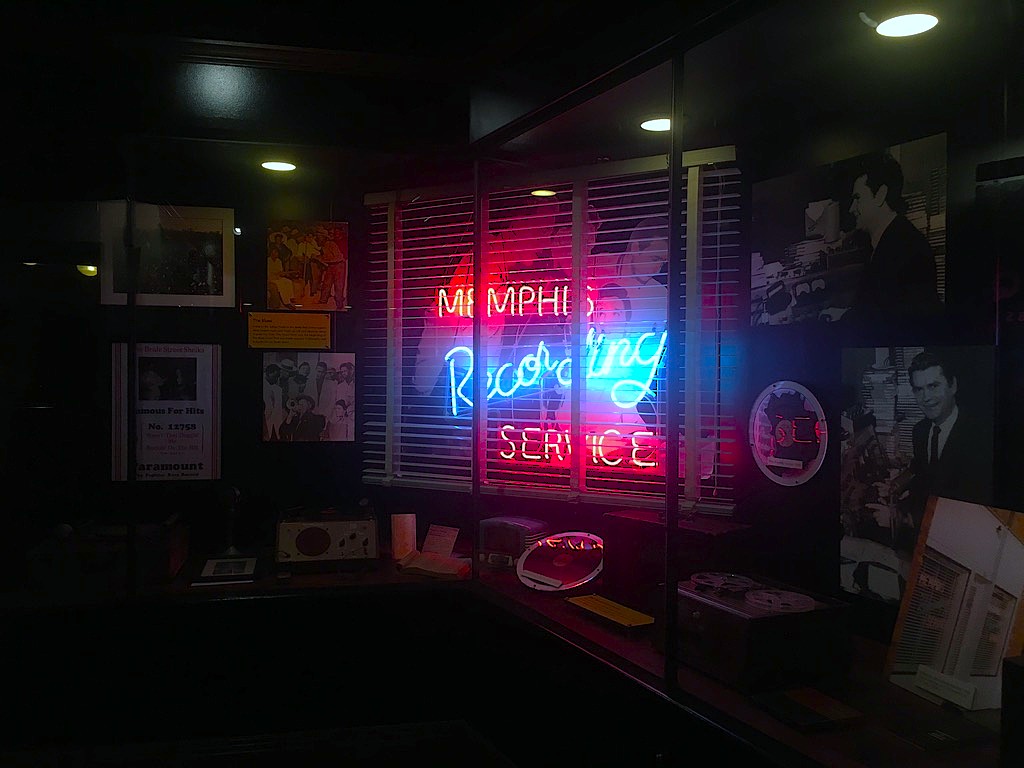

Show Them How Music Gets Made
For many younger travelers, process can be more interesting than prestige. A famous concert hall may be beautiful, but seeing how a recording comes together, how percussion parts interlock, how a songwriter develops an idea, or how dancers respond to live musicians can make the experience feel much closer.
This is where music travel can move beyond passive sightseeing. Depending on the destination and the experiences available for the specific trip, a workshop, studio context, rehearsal setting, musician-led conversation or dance session can give the family something to understand together rather than simply something to look at.
Give the Day Some Unscripted Space
Adults often want to make the most of an expensive family trip by scheduling more. Teenagers can experience that as having no control over their own day.
A little unscripted time changes the feeling of the trip. Let them look through a record shop, take photographs, spend longer somewhere they unexpectedly like, sit in a café, browse a market or simply have an hour when nobody is explaining what they are supposed to appreciate.
This is useful for adults too. A family vacation does not become more meaningful simply because every hour was optimized.
Do Not Make the Phone the Enemy
A teenager taking photographs, looking up an artist, making a playlist, checking the history of a song or sharing a clip is not necessarily disengaged from the trip. Sometimes the phone is how they are processing it.
You can still have family expectations about screens. But music travel gives the phone a more interesting role. Ask them to build a playlist for the city. Let them choose one artist everyone listens to before a concert. Compare an old recording with a current version. Have them find the song they want to hear while walking through a neighborhood.
That creates participation without trying too hard to make the adults sound young.
Plan Live Music Around Age Rules
One practical issue matters a lot when teens are part of a music trip: not every live-music venue admits guests under 21.
That does not mean younger travelers have to miss the musical life of a city. New Orleans, for example, has all-ages live music options, and the city’s official tourism organization maintains a guide specifically for visitors under 21. Nashville also promotes all-ages performances and music attractions for families. The exact policy depends on the venue and event, so we check what is realistic for the actual dates rather than assuming a famous club will work for everyone.
Daytime music can be an advantage here. A great afternoon performance or early set may work better for the entire family than building the trip around nightlife.
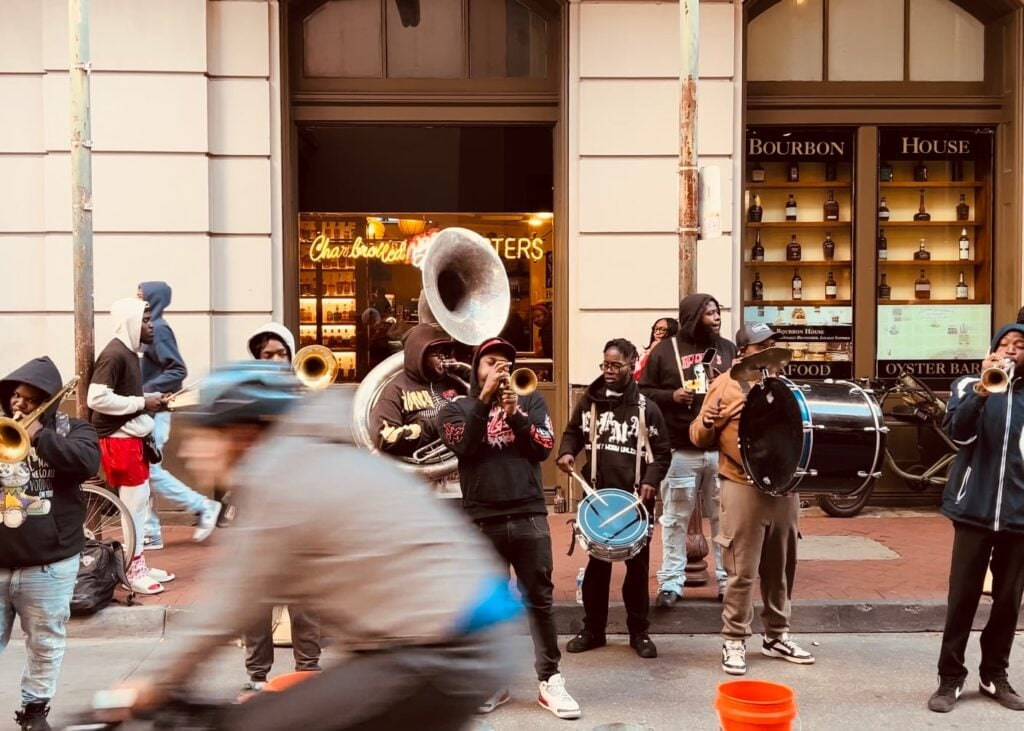

Choose Cities Where Music Connects to Other Interests
Some destinations make it much easier to design a trip that does not feel one-dimensional.
- New Orleans can connect music with food, neighborhood culture, architecture and a live scene that includes more than traditional jazz.
- Nashville can work for teens interested in songwriting, studios, contemporary artists and the business of making records.
- Memphis links music to social history, recording and several generations of American popular culture.
- Rio de Janeiro combines rhythm and dance with beaches, public spaces, food and a musical history that reaches far beyond a single genre.
- Seville makes flamenco part of a larger conversation about dance, style, neighborhoods, food and Andalusian culture.
- Reykjavík connects a remarkably active music scene with design, geothermal culture, museums and easy access to nature.
For a multigenerational music trip, the best destination is one that gives different family members meaningful choices while leaving room for shared experiences.
Shared travel does not require synchronized enthusiasm. One of the best things a private family itinerary can do is give people permission to love different parts of the trip.
Let Them Skip Something
This may be the most underrated tool in family travel.
If one activity is deeply important to the adults and completely uninteresting to the teenager, it can be better to create a reasonable alternative than insist on togetherness. The same rule should work in the other direction. If the teenager has one experience they really want and the grandparents would rather rest, the whole family does not need to attend.
Shared travel does not require synchronized enthusiasm.
Use Food as Common Ground
Food is often where generations regroup. After different reactions to a museum, a long afternoon or a performance, sitting down together gives everyone something immediate to talk about.
It also helps the itinerary feel like travel rather than a course syllabus. In a city such as New Orleans, Memphis, Rio or Seville, musical history and food history repeatedly cross paths. You do not have to force that connection. You simply have to leave enough room to notice it.
Private Travel Can Make the Difference
Scheduled tours work well when everyone is comfortable with the same pace and program. Families with teenagers often benefit from a private structure because the itinerary can make room for individual interests without turning every change into a problem for a larger group.
That is especially true for multigenerational family travel, where teenagers may be traveling alongside younger siblings, parents and grandparents. Different generations can have shared anchor experiences while still having some freedom around them.
The Test Is Simple
If you removed the words “family friendly” from the itinerary, would the trip still sound genuinely interesting to the teenager coming with you?
If the answer is yes, you are probably getting somewhere.
If you are planning a music trip with teens, tell us what everyone listens to, what the younger travelers actually care about, how much structure your family likes and where you are considering going. Our bespoke journey process starts with those details.