 Skip to content

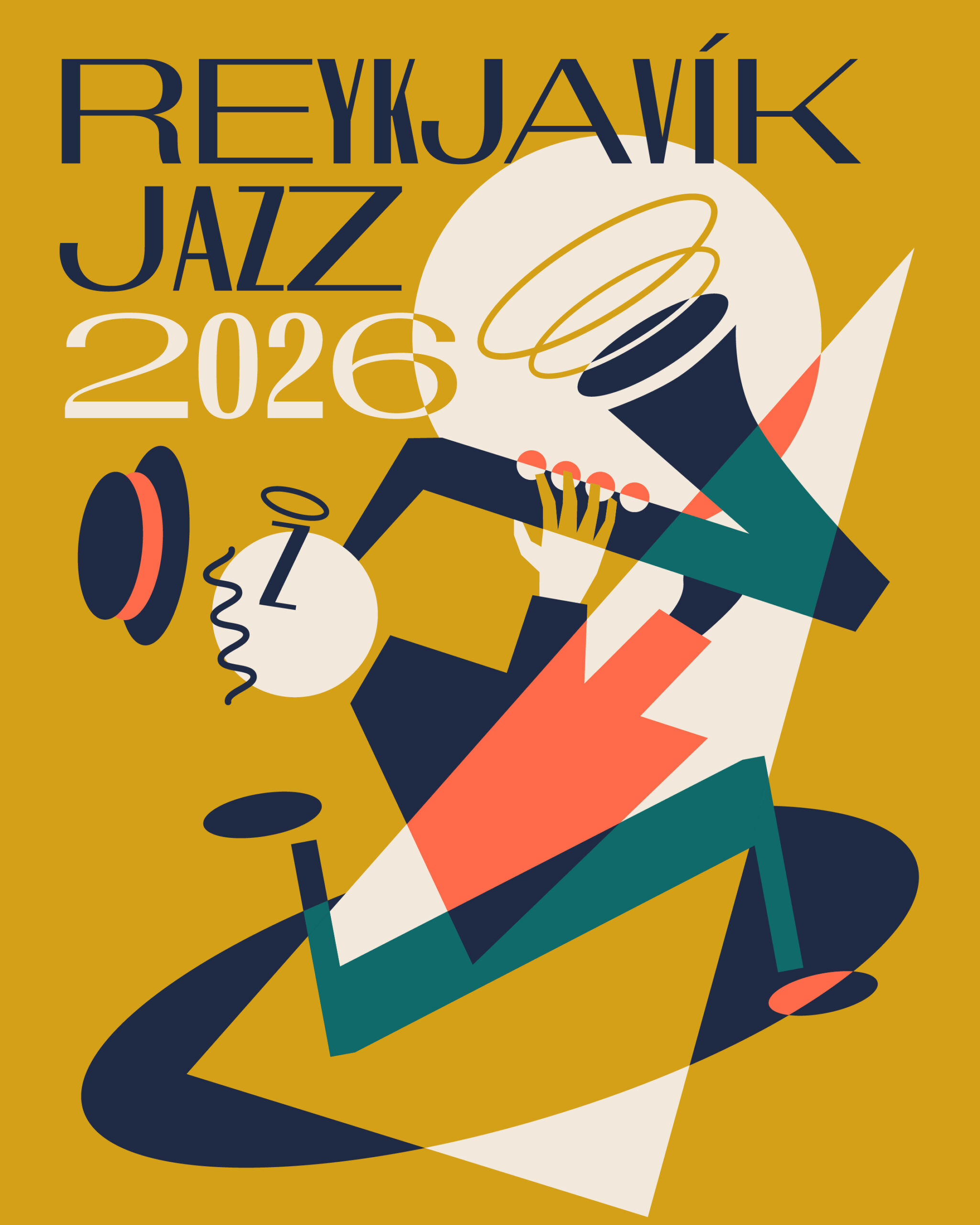
Reykjavík Jazz Festival is one of the best ways to experience Iceland beyond the usual travel images of waterfalls, glaciers, hot springs, and volcanic landscapes. Those things are real, and they are part of what makes Iceland so powerful, but they are not the whole story. Reykjavík is also a serious music city, with a creative scene that feels much larger than the size of the capital itself.
For travelers who care about music, Reykjavík Jazz Festival offers a different kind of entry point into Icelandic culture. Instead of moving through the country only as a visitor looking at scenery, you get to hear how Icelandic musicians interpret space, silence, rhythm, atmosphere, and collaboration. You also get to hear how international artists respond to Reykjavík, and how the festival connects Iceland’s local jazz community with a broader European and global music conversation.
This listening guide was created for travelers joining, considering, or simply curious about our Reykjavík Jazz Festival Tour. It introduces the festival, the current program, a few artists worth knowing, and the range of styles you may hear during the week. You do not need to be a jazz expert to enjoy the festival. In fact, one of the best ways to approach this music is with curiosity instead of expertise.
The goal is simple: arrive with better ears.
What Is Reykjavík Jazz Festival?
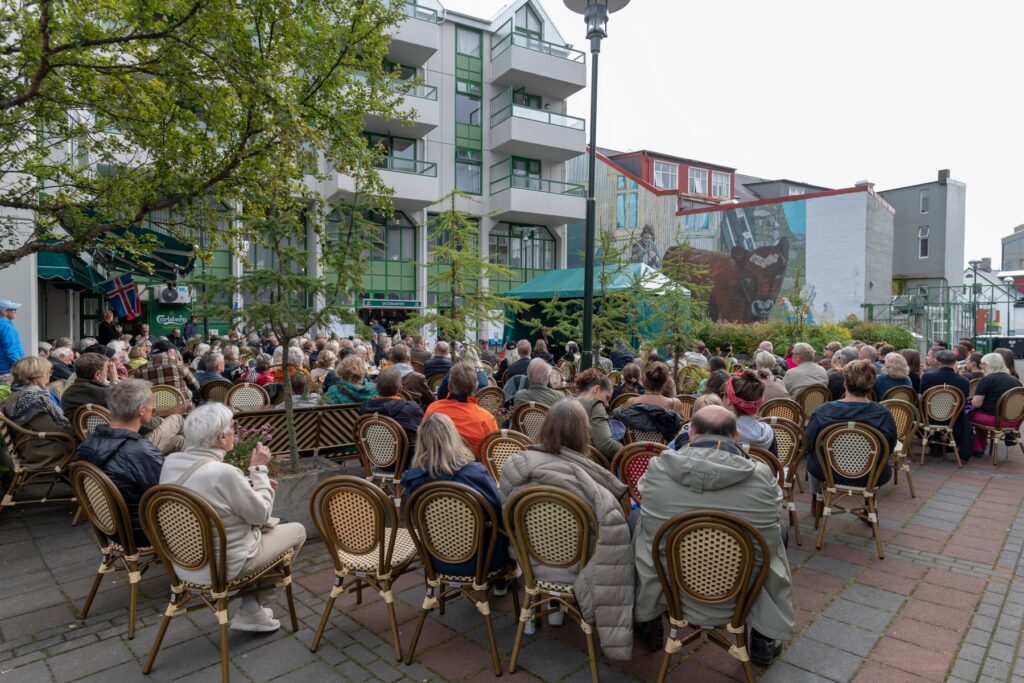
Reykjavík Jazz Festival has been held annually since 1990 and is recognized as Iceland’s second-oldest music festival. It serves as a major platform for Icelandic jazz musicians while also bringing international artists into conversation with the local scene. The festival usually takes place across several days in late summer, using Reykjavík’s concert halls, churches, cultural spaces, and smaller venues to create a citywide jazz experience.
What makes the festival especially interesting for travelers is its scale. It is not overwhelming in the way some of the world’s largest jazz festivals can be. You are not trying to navigate hundreds of simultaneous shows across a massive urban grid. Reykjavík Jazz Festival feels more focused and human. The program still has variety, but the city allows you to actually follow the music, move between settings, and understand the relationship between the festival and Reykjavík itself.
For our kind of music travel, that matters. A festival can easily become just another event on an itinerary. Reykjavík Jazz Festival gives us something more useful: a structure for listening to Iceland. You can spend the day walking through Reykjavík, visiting Þingvellir National Park, soaking in geothermal water, or eating Icelandic seafood, then hear the music at night with those experiences still fresh in your body.
Why Icelandic Jazz Feels Different
Icelandic jazz often carries a strong sense of space. That does not mean the music is always slow, soft, or atmospheric. It can be rhythmically sharp, experimental, groove-based, lyrical, abstract, or direct. But many Icelandic musicians seem comfortable letting the music breathe. Silence is not treated as empty space. It becomes part of the phrase.
That quality makes sense in Iceland. This is a country where scale is hard to ignore. Lava fields, glaciers, geothermal steam, black sand, open coastlines, and long changes in light all shape how people experience time and space. Even in Reykjavík, the landscape is never far away. The sea, mountains, weather, and sky are present in daily life.
At the same time, Reykjavík is not a remote cultural outpost. Icelandic musicians study abroad, collaborate internationally, and work across genres. Jazz players often move between classical music, folk traditions, pop, electronic music, film scoring, experimental music, and global influences. The local scene is small enough for collaboration to happen naturally, but international enough to avoid becoming closed or predictable.
That combination gives Icelandic jazz its particular character. It can feel restrained without being cold, experimental without being inaccessible, and deeply local without sounding isolated from the world.
How to Listen Before the Festival
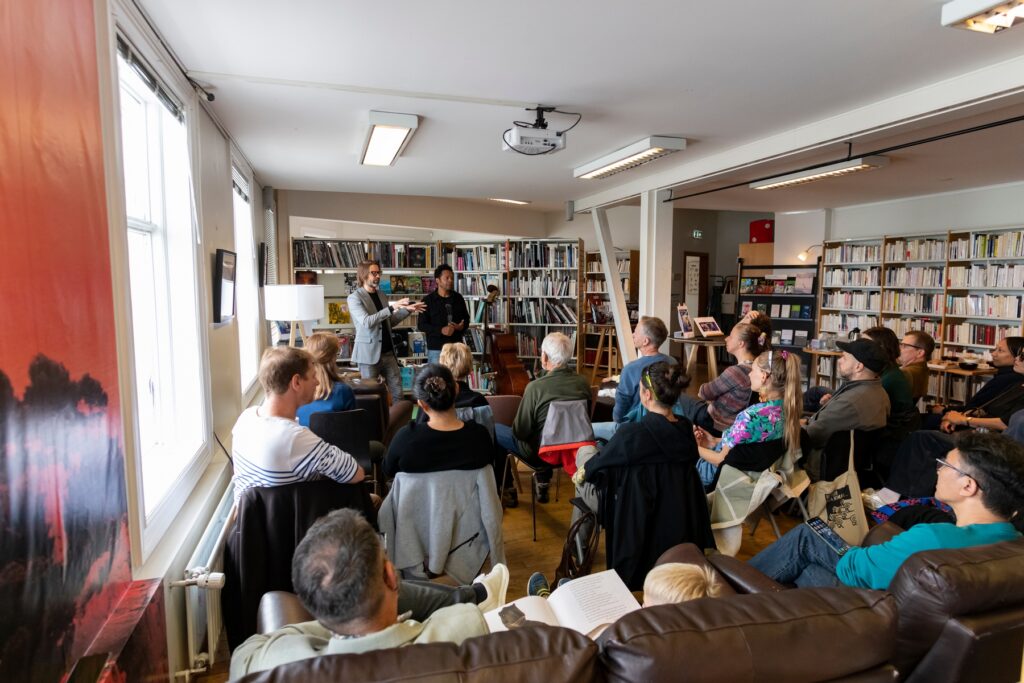
A good festival listening guide should not make you feel like you need to complete homework before traveling. The point is not to memorize every artist or understand every technical detail. The point is to give yourself a frame of reference, so when you are sitting in Harpa or a smaller Reykjavík venue, the music has somewhere to land.
Start by listening in categories rather than trying to master the full program. Spend time with Icelandic jazz first, especially artists who show how melody, improvisation, and atmosphere interact. Then add some Nordic and European contemporary jazz, where you may hear a similar attention to tone but with different national and stylistic accents. After that, explore the Latin-influenced projects, groove-based groups, vocal music, and more experimental programs.
This kind of listening prepares you for the range of the festival. One evening might move from a lyrical piano quartet to a Polish group with a more electric or modern sound, then into Icelandic music shaped by Cuban influence. Another day might include a workshop, a daytime concert, and an evening program where composition and improvisation sit close together.
That is what makes the festival worth traveling for. It is not one narrow version of jazz. It is a week of different musical approaches, heard in a city where the setting affects the listening.
Artists and Projects to Know from the Current Program
The annual lineup changes, but the current Reykjavík Jazz Festival program gives a strong picture of the festival’s identity. It includes Icelandic artists, international guests from across Europe, daytime events, workshops, Harpa performances, free concerts, late-night music, and projects that connect jazz with Cuban, Latin American, Nordic, and experimental traditions.
Below are a few artists and projects worth exploring before you travel. Think of this as a listening path, not a complete catalog.
Sölvi Kolbeinsson Trio: A Contemporary Icelandic Starting Point
Saxophonist Sölvi Kolbeinsson is a good entry point into the younger Icelandic jazz scene. His trio project reflects a musician shaped by both Reykjavík and time spent in larger European music centers. That movement between Iceland and cities like Berlin or Copenhagen is common for Icelandic artists, and it often creates music that feels both local and outward-looking.
The trio format also matters. Without a large ensemble or dense arrangement, the players have to carry the shape of the music through interaction. Listen for how the saxophone lines sit inside the group, how the rhythm moves, and how much space the music allows itself. There can be a sense of collage, as the title suggests, where fragments, textures, and ideas come together without needing to resolve too quickly.
For travelers, this kind of music offers a useful first impression of Reykjavík Jazz Festival. It is not trying to package Icelandic music into a simple sound. It gives you something more honest: young musicians working through influence, place, and personal language in real time.
Suggested listening: Sölvi Kolbeinsson Trio, especially music connected to Collage.
Ingi Bjarni Quartet: Melody, Space, and Nordic Conversation
Pianist Ingi Bjarni Skúlason represents a lyrical and spacious side of Icelandic jazz that many listeners will connect with quickly. His quartet work often carries a patient melodic quality, but it is not passive music. The improvisation can open widely, and the ensemble writing gives each player room to shape the direction.
Ingi Bjarni’s collaborations also show how Reykjavík Jazz Festival connects Icelandic musicians with the wider Nordic and European jazz scene. When Icelandic artists perform with musicians from Sweden or elsewhere in Europe, the result is not simply international programming for its own sake. It reflects the actual working life of many jazz musicians today, where small scenes survive through cross-border relationships.
This is excellent music to listen to before spending time outside Reykjavík. After visiting Þingvellir or driving through lava fields, the patience in this kind of writing may make more sense. The music does not compete with the landscape. It shares some of its pacing.
Suggested listening: Ingi Bjarni, especially Hope and related quartet recordings.
Tómas R. Einarsson and the Reykjavík-Havana Connection
For Musical Getaways, Tómas R. Einarsson’s Cuban-influenced work is one of the most interesting threads in the Reykjavík Jazz Festival program. Tómas is an Icelandic bassist and composer whose music has long carried a strong relationship with Cuba, Latin jazz, and Caribbean rhythm. That connection gives the festival a natural link to our work through Havana Music Tours and our history with the Havana Jazz Festival.
On the surface, Iceland and Cuba seem like opposites. One is volcanic, northern, sparse, and shaped by cold Atlantic weather. The other is Caribbean, rhythmically dense, and rooted in Afro-Cuban tradition. But music often finds relationships that geography does not make obvious. Both cultures understand resilience, strong local identity, and the role of music as a form of cultural memory.
When Cuban influence moves through Icelandic musicians, it becomes something different. It is not a copy of Havana. It is a Reykjavík interpretation of rhythm, bass movement, brass color, and song. That is the kind of cross-cultural exchange we are always interested in: not a surface-level fusion, but a real musical conversation.
Suggested listening: Tómas R. Einarsson, especially Kúbanska, Havana, and Reykjavík-Havana.
Kosmonauci: Poland, Modern Jazz, and Electric Energy
The Polish group Kosmonauci brings a different kind of energy into the festival. Their sound connects contemporary jazz with electronic textures, rock influence, groove, and a more modern European edge. This is useful for travelers who may still think of jazz as either traditional swing or quiet concert music.
Poland has one of Europe’s strongest jazz cultures, and younger Polish artists often bring a bold, rhythm-forward approach to the music. A group like Kosmonauci expands the festival’s palette and shows that Reykjavík Jazz Festival is not only interested in local lyricism or Nordic atmosphere. It also makes room for bands that push the sound physically and sonically.
Listen for momentum. This music can have weight and movement, and it may feel closer to club culture or modern instrumental music than to older jazz formats. Within a festival week, that contrast is important. It keeps the listening fresh.
Suggested listening: Kosmonauci and contemporary Polish jazz playlists.
Crossing Borders: Icelandic Musicians Looking Outward
Projects such as Crossing Borders reflect another important part of the Icelandic music story: travel, study, and influence from outside the North Atlantic. Icelandic musicians often engage seriously with musical traditions from elsewhere, then bring those experiences back into their own writing and improvising.
This is not unusual in jazz. The music has always moved through exchange, migration, adaptation, and personal translation. What makes it interesting in Iceland is the scale of the local scene. When a musician brings back ideas from Southeastern Europe, the Middle East, Latin America, Scandinavia, or the United States, those ideas enter a small but highly connected creative community. They do not disappear into a huge industry. They can quickly become part of the conversation.
For listeners, this kind of project is a reminder that Icelandic jazz is not only about Icelandic landscape. It is also about movement across borders and the way musicians carry experience through sound.
Suggested listening: Ásgeir Ásgeirsson and music connected to Crossing Borders.
Tom Sochas Trio: Piano Trio Music with a Northern Sense of Scale
Tom Sochas Trio brings a piano trio language that fits naturally into an Iceland listening journey. The group’s music has been connected to northern landscapes and a broad sense of atmosphere, but it remains grounded in the tradition of interaction that makes the piano trio such a strong jazz format.
A good piano trio can feel like a conversation where no one has to over-explain. Piano, bass, and drums carry harmony, melody, rhythm, and space together. When that format is handled with patience, it can produce music that feels cinematic without becoming sentimental.
For travelers, this is the kind of music that may sound different before and after time in Iceland. Before the trip, you may hear the melodies and textures. After a few days in Reykjavík, after seeing the late-summer light or feeling the wind near the coast, the same music may feel more connected to place.
Suggested listening: Tom Sochas Trio, especially Facing North.
Matti Klein Soul Trio: Groove, Warmth, and the Body in the Room
Not all of Reykjavík Jazz Festival is quiet, Nordic, or introspective. Matti Klein Soul Trio brings a warm, groove-based sound connected to soul jazz, keyboards, saxophone, bass clarinet, and funk-influenced drumming. This kind of music adds physical lift to the festival.
That matters during a week of listening. After more spacious or abstract sets, a strong groove can reset the room. It reminds the audience that jazz is not only something to analyze. It is something felt through the body, through pulse, through repetition, and through the shared energy between the stage and the listeners.
In Reykjavík, that warmth can feel especially welcome. The city’s cool light and northern weather make groove-based music hit differently. A good soul jazz set does not need much explanation. It brings people into the room together.
Suggested listening: Matti Klein Soul Trio, especially Bouncin’ In Bubbleverse.
María Magnúsdóttir and the Latin American Song Tradition
Vocalist María Magnúsdóttir’s tribute to Latin American female vocalists adds another important layer to the festival. This kind of project brings song, language, memory, and cultural admiration into the jazz context. It may connect with artists such as Mercedes Sosa, Omara Portuondo, Susana Baca, Astrud Gilberto, and other major voices from Latin America and the wider Lusophone and Hispanic musical world.
For Musical Getaways travelers, this is a meaningful part of the program because it shows how Reykjavík listens outward. Icelandic musicians are not only interpreting their own landscape or local traditions. They are also engaging with songs and voices from other parts of the world.
Vocal music can also offer an immediate point of connection for travelers who are newer to jazz. Even when the arrangement is sophisticated, the human voice gives the listener a direct line into emotion, phrasing, and story.
Suggested listening: María Magnúsdóttir where available, plus Mercedes Sosa, Omara Portuondo, Susana Baca, and Astrud Gilberto for context.
LILJA: Folk Threads, Guitar Color, and Nordic Collaboration
LILJA, led by guitarist Oddrún Lilja Jónsdóttir, sits in a beautiful space between contemporary jazz, folk influence, guitar-based composition, and Nordic collaboration. This is music that does not need to choose between tradition and modernity. It can carry traces of folk memory while still feeling current.
That balance is a strong fit for Reykjavík Jazz Festival. Icelandic and Nordic musicians often work with heritage in subtle ways, not by quoting tradition directly, but by letting older sounds, stories, or tonal colors influence the shape of the music.
Listen for texture and patience. Guitar-led music can hold atmosphere in a very particular way, especially when it draws from northern traditions and contemporary improvisation. LILJA offers another way into the festival’s broader sound: personal, collaborative, and quietly expansive.
Suggested listening: LILJA, Oddrún Lilja, Marble, and Mirage.
The Main Styles You May Hear at Reykjavík Jazz Festival
Reykjavík Jazz Festival works because the programming has range. It does not present jazz as one fixed style. Instead, it shows how flexible the language has become, especially in a place like Iceland where musicians often move between genres, scenes, and countries.
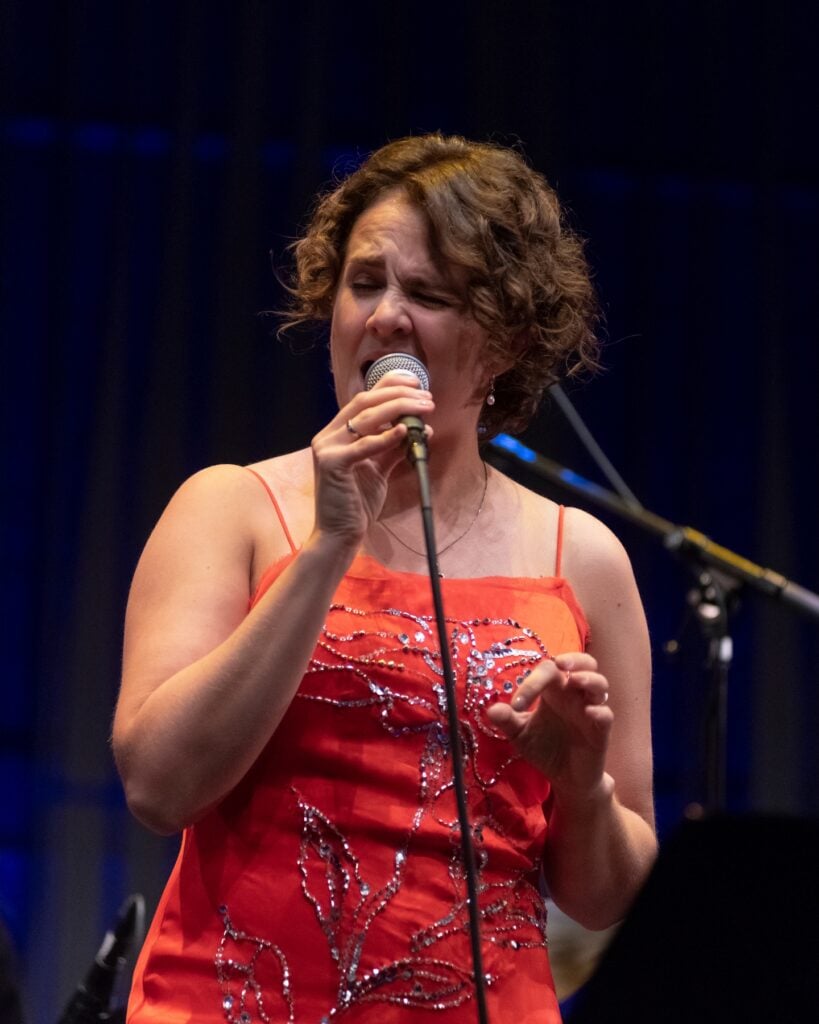
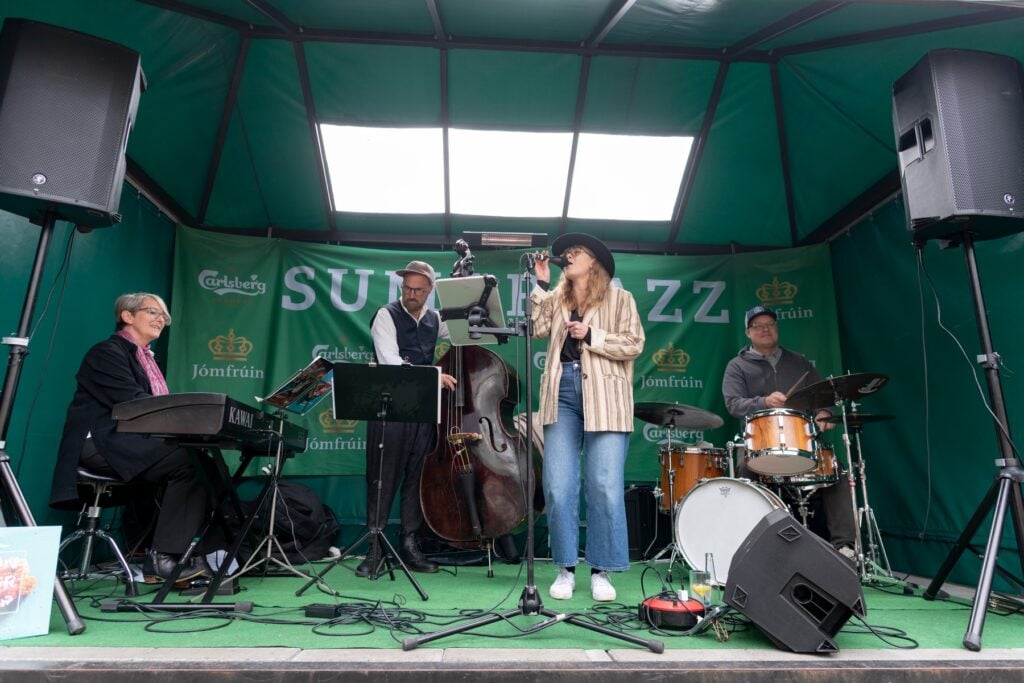
You may hear contemporary Icelandic jazz built around original compositions and improvisation. This is the core of the festival and the best place to understand the local scene. You may also hear Nordic and European jazz, where tone, melody, space, and chamber-like interaction are often central. Some projects bring Latin, Cuban, or global influences into the program, creating a strong connection between Reykjavík and musical traditions from far beyond Iceland.
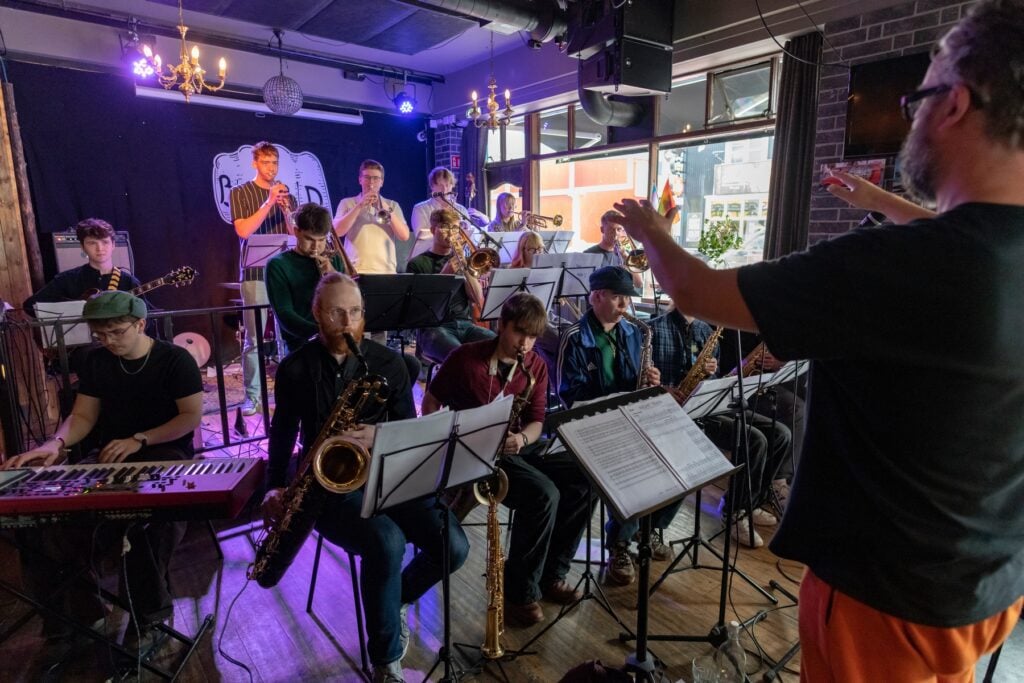
There is also room for groove-based music, soul jazz, electronic influence, vocal projects, big band writing, workshops, and free daytime events. That mix is important because it reflects how musicians actually work today. Jazz is no longer contained by one sound, one city, or one historical period. Reykjavík Jazz Festival gives travelers a chance to hear that openness in a setting that still feels personal.
A Suggested Reykjavík Jazz Festival Playlist
Before traveling, create a playlist that moves through the festival’s main musical worlds. Start with Icelandic jazz, then add Nordic and European artists, then bring in Latin and groove-based music for contrast.
For Icelandic jazz foundations, begin with Tómas R. Einarsson, Ingi Bjarni, Sölvi Kolbeinsson Trio, Davíð Þór Jónsson, Haukur Gröndal, Mikael Máni, Anna Gréta, and other artists connected to the current program. You do not need to find every recording. Even a few tracks will help you hear the festival more clearly.
For the Nordic and European thread, add LILJA, Tom Sochas Trio, Kosmonauci, Matti Klein Soul Trio, and related contemporary jazz playlists from Iceland, Norway, Sweden, Poland, Germany, France, and the United Kingdom. For the Latin connection, listen to Tómas R. Einarsson’s Cuban-influenced recordings alongside Omara Portuondo, Mercedes Sosa, Susana Baca, Astrud Gilberto, and other artists connected to the song traditions referenced in the program.
This playlist does not need to be perfect. In fact, it should feel unfinished. The live festival will fill in the missing pieces. The purpose is to give your ears a starting point, so the first concert in Reykjavík does not feel like walking into the middle of a conversation without context.
How the Festival Changes When You Travel With Context
It is possible to buy a ticket, attend a concert, and enjoy the music without knowing much about the artists or the place. That can still be a good experience. But music travel becomes much more meaningful when the listening is connected to context.
At Reykjavík Jazz Festival, context means understanding how the city works, how the venues feel, why Harpa matters, how local musicians collaborate, and how Iceland’s landscape shapes the imagination. It also means knowing when to rest, which concerts to prioritize, where to eat before a long evening, and how to balance the festival with the natural experiences that make Iceland so powerful.
This is where a curated small-group tour makes a difference. The value is not only in having a schedule. The value is in knowing why the schedule is shaped that way. A day at Þingvellir before an evening concert is not just sightseeing followed by music. It is a way to hear the concert differently. A geothermal soak after several late nights is not just a wellness activity. It is part of the rhythm of being in Iceland.
That is the kind of travel we try to create through Musical Getaways. We are interested in the relationship between sound and place, and in the musicians and cultural workers who keep those relationships alive.
Why Reykjavík Jazz Festival Belongs on a Music Traveler’s List
Many people travel to Iceland for the landscapes. That is understandable. The country is visually overwhelming in the best possible way. But if you only come for the landscapes, you miss something essential about Icelandic culture.
Reykjavík is a creative capital. Its music scene has produced globally recognized artists, but it is also full of working musicians, composers, improvisers, teachers, producers, and small venues that keep the daily culture moving. Jazz is part of that story because it rewards the same qualities that Iceland often asks of people: patience, independence, collaboration, restraint, humor, and the ability to work with unpredictable conditions.
Reykjavík Jazz Festival offers a rare chance to experience that culture while it is happening. It is not a museum version of Icelandic music. It is a living scene, presented in real time, with local musicians and international artists sharing the same week, the same rooms, and the same listening public.
For travelers who want more than a standard Iceland itinerary, that is the reason to go.
Practical Listening and Travel Tips
If you are planning to attend Reykjavík Jazz Festival, book early and pay attention to location. Late summer is a high-demand travel season in Iceland, and staying in the right part of Reykjavík makes the festival much easier to enjoy. You do not want to spend the week fighting logistics when the main point is to hear music and experience the city.
Pack for both concerts and weather. Iceland can shift quickly between sun, rain, wind, and cool temperatures, even in late summer. Bring layers, waterproof outerwear, comfortable walking shoes, and clothing that works for both daytime excursions and evening performances.
Do not overload the schedule. Jazz festivals reward attention, and attention requires rest. Leave room for meals, cafés, geothermal pools, walking, and unplanned conversations. Some of the best parts of Reykjavík happen between official events.
Most importantly, listen before you go. Pick a few artists from the program and spend time with them. Read a little about the festival. Learn the names of the venues. Let the music become familiar enough that when you arrive, you are not starting from zero.
Experience Reykjavík Jazz Festival With Musical Getaways
Our Reykjavík Jazz Festival Tour is designed for travelers who want to experience Iceland through music, not just add concerts to a sightseeing trip. The group is capped at 8 guests, which allows us to move carefully through the festival, stay flexible, and create space for deeper cultural connection.
The tour includes curated festival access, Reykjavík cultural experiences, Icelandic food, geothermal bathing, and a day excursion into the landscape. Depending on the annual program and artist availability, we may also include workshops, soundchecks, studio visits, musician conversations, or other behind-the-scenes moments connected to the festival.
This is a music-first way to experience Iceland. You hear the concerts, but you also hear the country around them: the weather, the silence, the city, the water, the late-summer light, and the creative community that gives Reykjavík Jazz Festival its meaning.
If you are interested in joining the Reykjavík Jazz Festival Tour, explore the full itinerary or contact Musical Getaways for details. You can also compare it with our other music festival tours.