 Skip to content


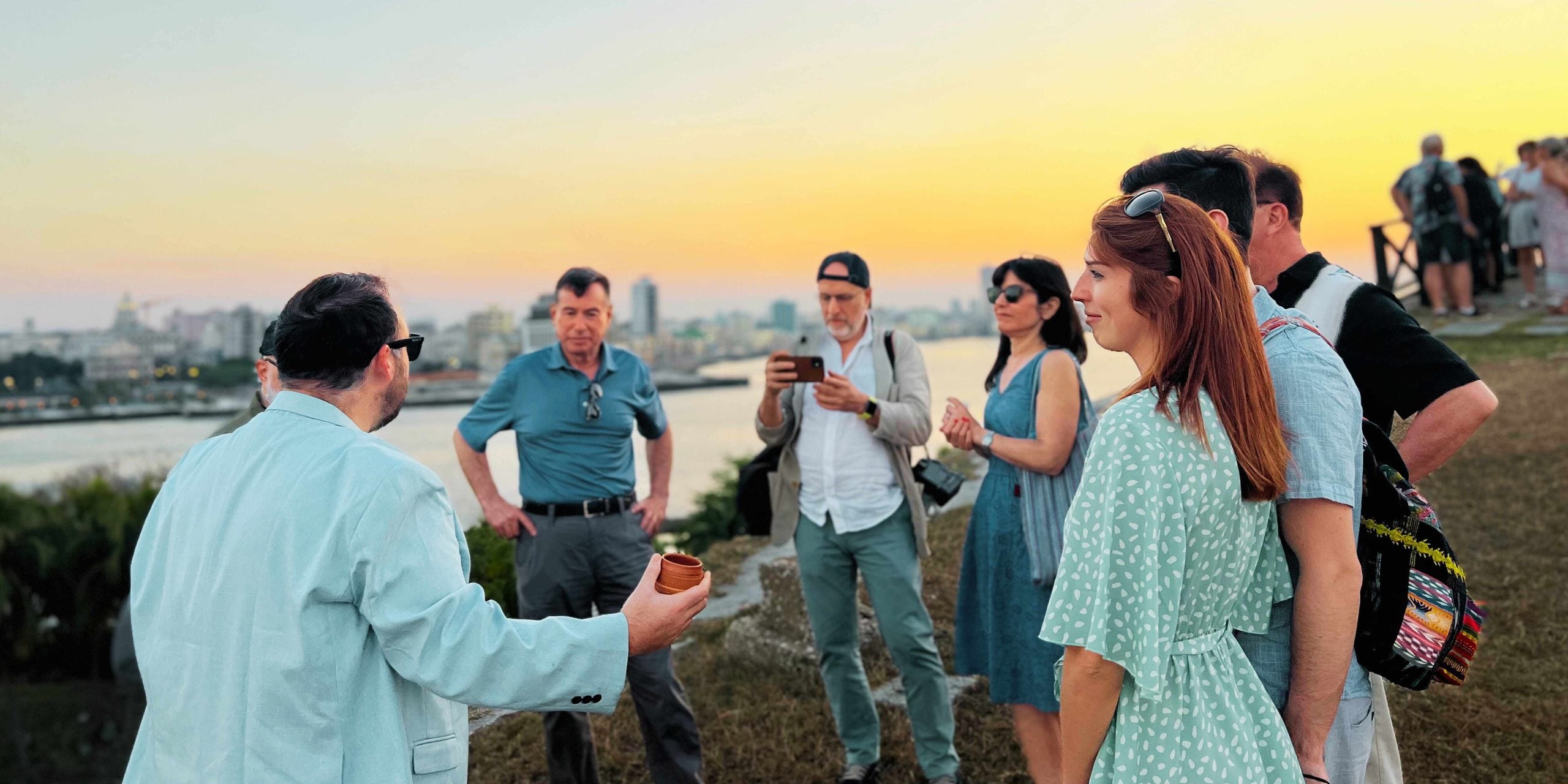
Traveling for music can mean visiting the places where a sound developed, meeting local musicians and hearing how their work connects to everyday life. A musician tour leader helps you understand those connections. Drawing on experience performing, studying or teaching music, they bring a musical perspective to the journey while taking professional responsibility for the trip.
These journeys are part of music tourism: travel in which music shapes where you go and what you experience. A festival, historic studio or lesson with a local musician can all be part of it. At Musical Getaways, we bring those encounters together. You don’t need musical training to take part.
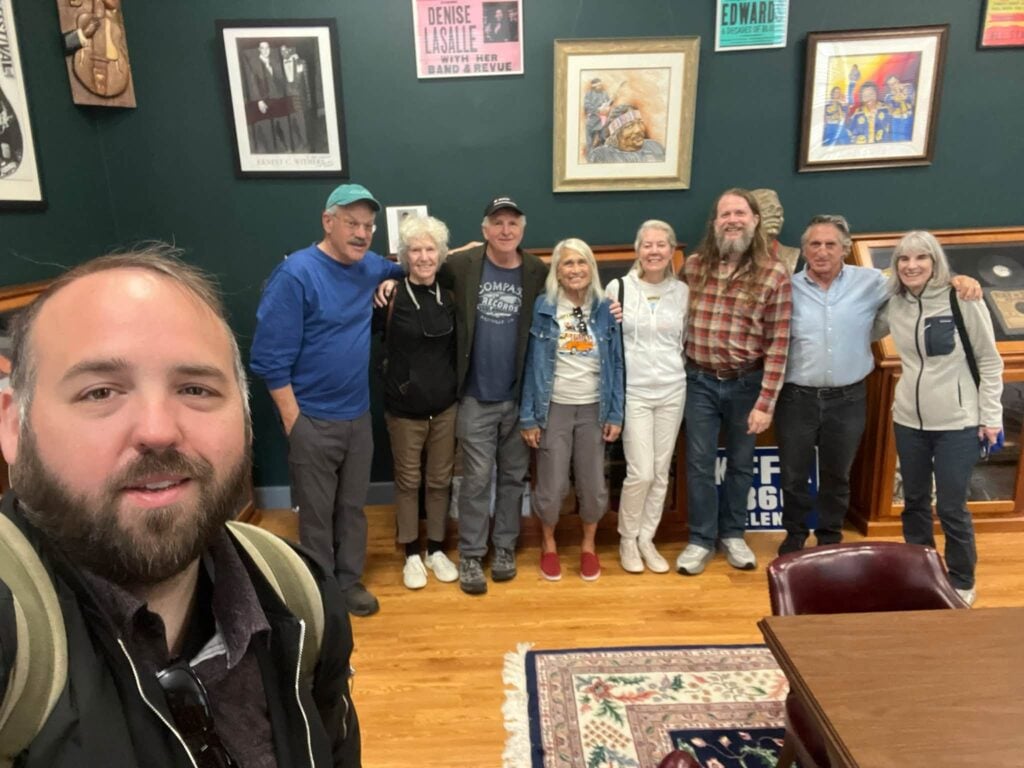
On our recent private Southern USA Music Tour, Chaz Chambers put on a Hank Williams Jr. recording in the van. Its blues structure opened into a jazz swing, giving the group something to listen for as they traveled between Memphis, Mississippi, Muscle Shoals and Nashville. Country, blues and jazz were meeting in a recording, just as their histories were meeting along the route.
What does a musician tour leader do?
Three kinds of expertise work together. The tour leader looks after the whole trip: transportation, timing, communication, guest needs and decisions when plans change. A good musical encounter needs someone making sure the group arrives prepared and has time to enjoy it.
The local guide interprets a destination through its history, neighborhoods and communities, with the qualifications required locally. The World Federation of Tourist Guide Associations distinguishes this work from managing an itinerary. A visiting musician’s knowledge complements that local perspective.
The musician or musicologist helps people understand what they hear. A drummer can demonstrate how rhythmic parts fit together; a musicologist can explain how a repertoire developed and what it means within its community. We use musician tour guide for a music specialist guiding a visit or introducing a local scene. One person may combine roles when appropriately qualified.
A local guide might join for a morning’s civil rights visit, while a guest musician explains a tradition in one session. The tour leader connects their contributions across the journey.
Letting local knowledge lead the conversation
In Memphis, those responsibilities came together around the group’s civil rights visits. Local guide Cequita brought her knowledge of the city into a journey that also included the National Civil Rights Museum. In the car, she sang W. C. Handy’s “St. Louis Blues.”
Her contribution gave the group another way into Memphis’s history. Chaz could then connect the musical conversations across the wider route, using recordings and curated playlists to explore relationships among the places they visited. Civil rights history deserved attention in its own right; understanding it also deepened conversations about the conditions in which the music developed.
A musician’s knowledge begins with listening
That willingness to learn locally also shaped Chaz’s own career. A professional drummer and composer, he was the final drummer of Ringling Bros. and Barnum & Bailey’s Red Unit. His work has ranged from cruise-ship ensembles to more than 500 arena shows with Ringling. In 2017, during a break from touring, he went to Cuba to study Afro-Cuban percussion. His teacher Karel Ramos helped him hear how the drum set could support other percussion parts. The trip led to Havana Music Tours, whose work continues to inform Musical Getaways.
In his account of studying in Cuba, Chaz describes tapping the clave, a repeating rhythmic pattern, on Yami Cabrera’s leg while they listened to live music. She would tap it back when he had it wrong. The lesson became one of listening across the ensemble:
“I was trying to understand why the entire song was phrased the way it was.”
Chaz Chambers, on studying percussion in Cuba
For travelers, that might mean following the bass before noticing the drummer’s response. A specialist offers a starting point, then lets the musicians carry the explanation.
A song can introduce you to a place. The people behind it help you understand what you hear.
From listening to meaningful exchange
Choosing those starting points is part of musicology in practice. Yami Cabrera, Musical Getaways’ co-director, studied at Cuba’s University of the Arts and worked at the Centro de Investigación y Desarrollo de la Música Cubana. Her research and teaching experience inform tour development as well as conversations with guests. As she explains:
“I’ve always thought of musicology as a very open way to explore music. While I was studying in Cuba, I saw colleagues use what they knew to support artists and their communities. I brought that approach to Havana Music Tours and Musical Getaways from the beginning. Designing these trips is one way I practice musicology.
Guiding can feel a lot like teaching a class. I want people to have a good time and leave with a better understanding of how the music works, where it comes from and how it changes. A student ensemble and a group of travelers who love listening will come with different questions. Those questions help me decide what to build into a proposal and which musicians to bring into the conversation.”
Yami Cabrera
Her research in Trinidad, Cuba, also informs how she thinks about tourism’s effect on musicians:
“Early in my work, I studied the tonadas trinitarias, a music and dance tradition from Trinidad, Cuba. I watched a group of older musicians who had been working in relative isolation gain new support and more opportunities to perform for visitors. Those opportunities mattered to the group. I also saw their presentation of the tradition change as they began to play in different settings.
I think about that when we bring travelers into a musician’s home or community. The way we arrange an encounter matters. I want musicians to have room to decide what they share and how they share it. The visit itself becomes part of the setting in which the music is played, and that can shape how it’s presented over time.”
Yami Cabrera, reflecting on her tonadas trinitarias research
Those questions shape practical decisions: which musicians to invite, how a visit is introduced and how guests can participate respectfully.
In Matanzas, past Havana Music Tours exchanges with Los Muñequitos de Matanzas have brought travelers into percussion sessions; a separate educational visit in 2025 included work with the group’s percussionists and a local student jazz ensemble.
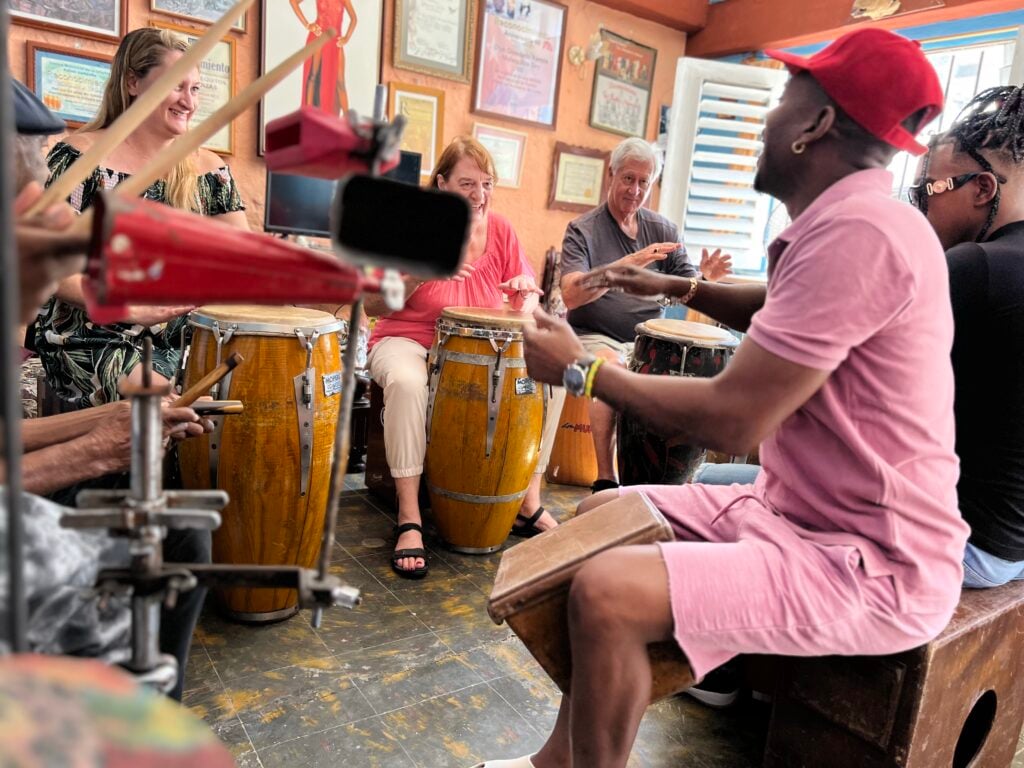
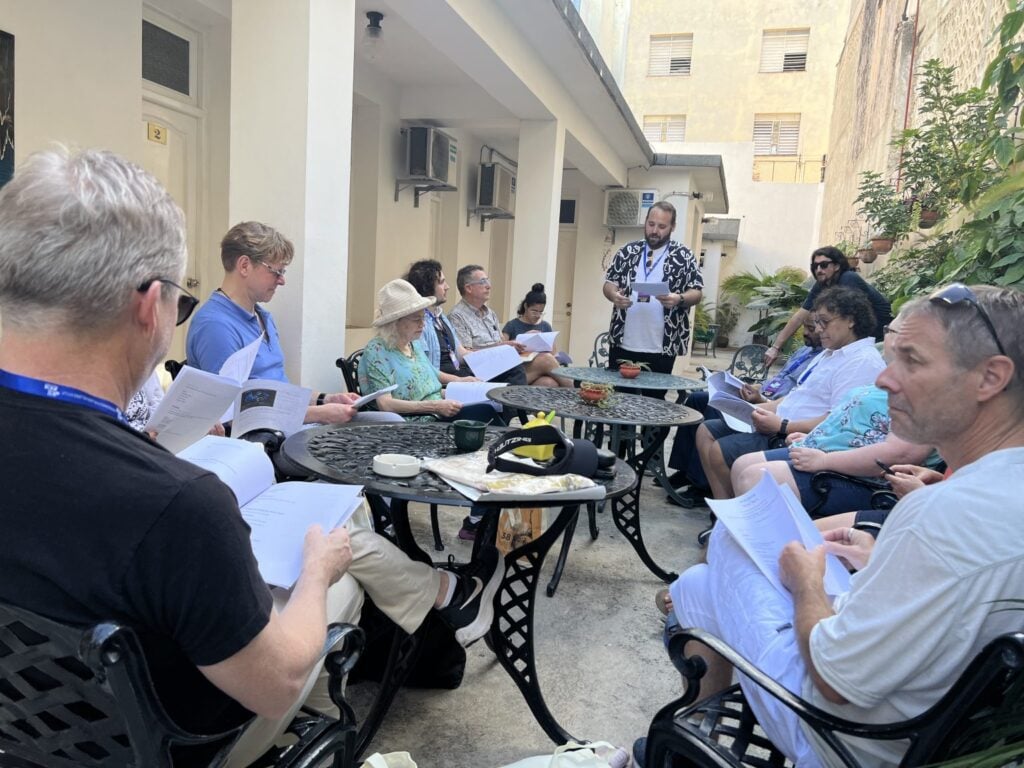
Local musician-guide Luis Bran, of the El Almacén collective, adds another perspective. Yami recalls visitors asking how Cuban musicians train. Luis connected specialized music schools with the changing interests and paths of young people. His ability to explain and play examples connects a broad question to musical life in Matanzas.
Carrying that understanding through the whole journey
The same approach can shape an educational program. Yami developed the original Cuba proposal for the Jacksonville State University Latin Jazz Ensemble. When the destination changed to Brazil, she and the team worked with collaborators in Rio to carry its learning goals into a new setting. Students studied Afro-Brazilian rhythms, rehearsed, performed and recorded. During the recording session, the student drummer was ill and Chaz stepped in so the ensemble could keep working. That unplanned contribution helped the students complete the session.
For other groups, the connection may develop over an evening. Havana-based musician, educator and tour leader Ismelys Quevedo combines music education training with local relationships, guest care and logistical experience. After an outing with Ismelys, Dennis H., whose party included a composition student and other musicians, wrote:
“she spoke our language!”
Dennis H., Havana Music Tours guest · Tripadvisor, August 2023
A Havana Music Tours video testimonial describes the chance to play with Cuban musicians, showing how participation can become part of the encounter.
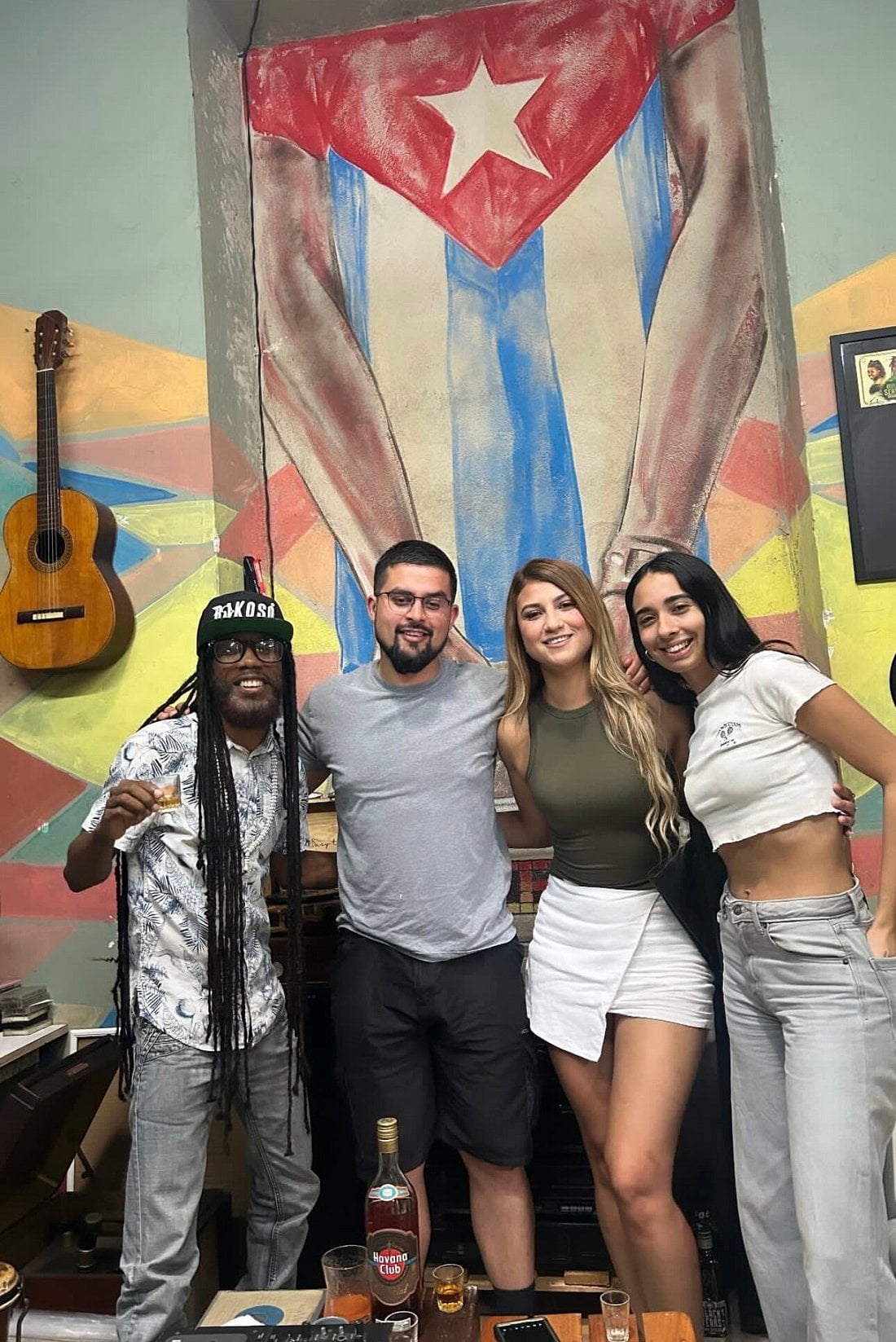
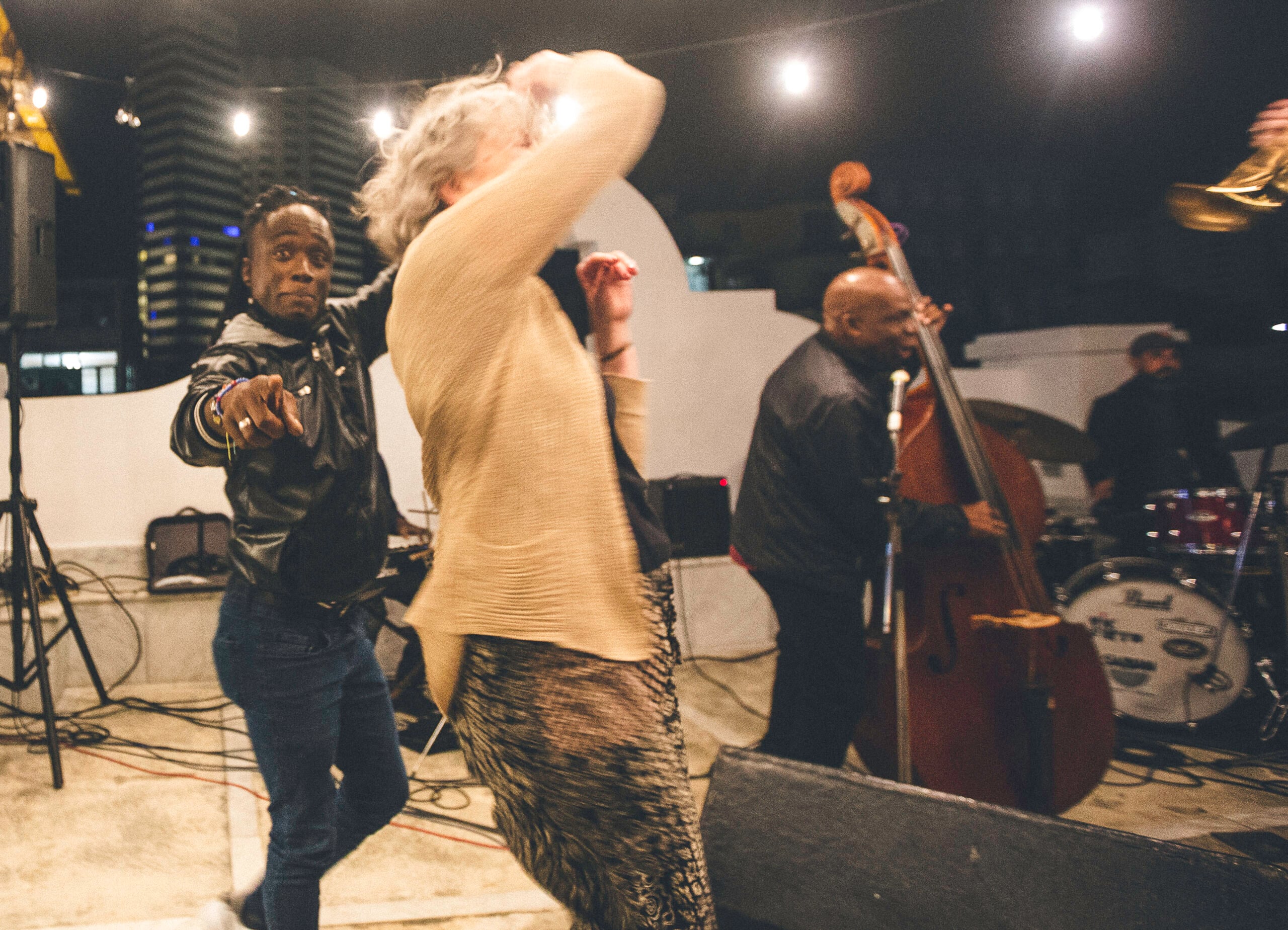
Choral director and music educator Miguel Zequeira brings another musical perspective. These are examples from a wider team of regular collaborators, local specialists and program-specific hosts; the people involved vary with the destination and group.
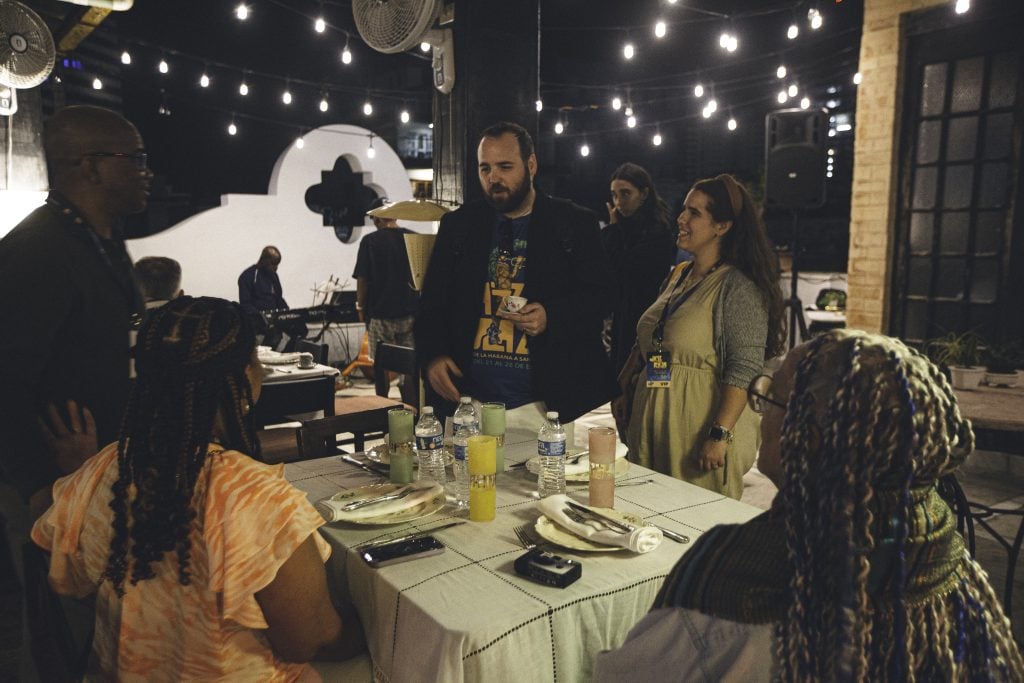
On the Oxford-to-Tupelo day, Chaz balanced about 45 minutes at the University of Mississippi’s Blues Archive with lunch, travel, Elvis Presley’s birthplace and a private Tupelo Hardware visit. Making those choices well protects the time for listening and conversation.
“The Sounds of the South Tour was a unique opportunity to have a professional percussionist as our tour director.”
Katherine S., Musical Getaways guest · Tripadvisor, May 2026
Why we lead journeys this way
Our small-group and private journeys help travelers understand a place through its music and the people who make it. That is why musical knowledge, local expertise and professional leadership belong together.
In 2026, Musical Getaways and Havana Music Tours shared one of three Music Tourism nominations at Sound Diplomacy’s Music Cities Awards. We share that recognition with the musicians, guides and communities who make these journeys possible.
From a song in the van to a rehearsal in Brazil, our purpose is the same: to help travelers listen more closely, understand the people they meet and carry that curiosity home.
Explore our private music tours to plan a journey around your musical interests.