 Skip to content
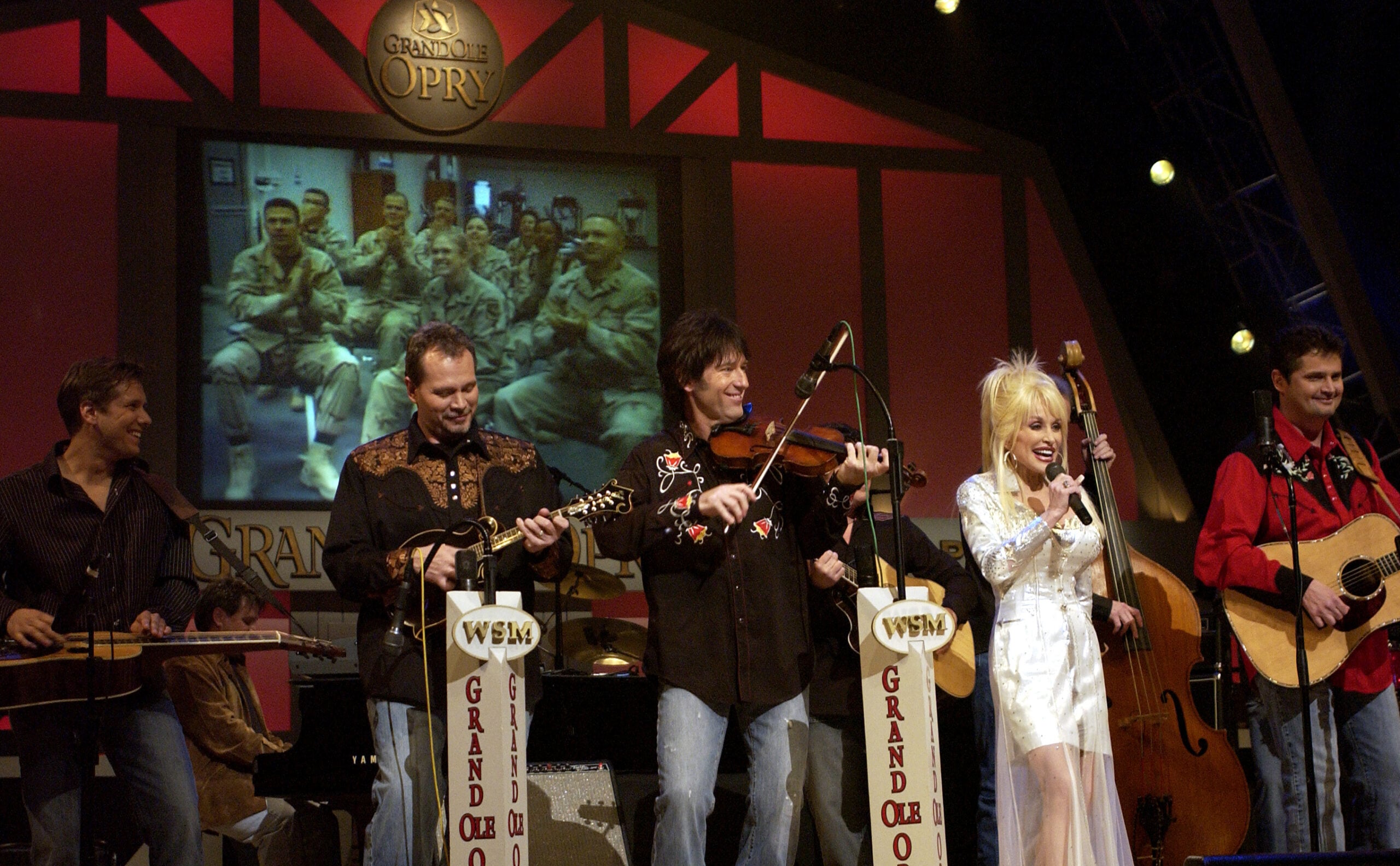
Yesterday, August 25, we lost Dolly Parton.
Since then, much of the conversation has naturally centered on the enormous scale of her career: the songs, the awards, the films, Dollywood, the business success, the philanthropy, and the extraordinary path from a small home in the Smoky Mountains to becoming one of the most recognizable artists in the world.
All of that deserves to be remembered. But there is another part of Dolly’s legacy that feels especially meaningful right now, and it is harder to measure.
She had an unusual ability to make people feel connected to her, and through her music, to one another.
For those of us who work in music, or who are musicians ourselves, that part of her life is particularly interesting. Music can begin in an intensely personal place and eventually belong, emotionally, to people whose lives are completely different from the life that produced it. A listener brings their own memories into a song. A lyric written about one relationship becomes attached to another. A melody written in one part of the world becomes meaningful somewhere thousands of miles away.
Dolly understood that relationship between artist and listener exceptionally well. She wrote about her mother, her childhood, poverty, work, jealousy, love, leaving and home. She did not remove the details of her own life to make those stories easier for everyone else to understand. She trusted the details, and people around the world recognized something of themselves in them.
That may be one of the reasons her music traveled so far.
Dolly Parton saw music as a way to connect beyond language
One of Dolly’s most revealing observations about music came from years of performing outside the United States. In a 2009 interview about her international audiences, she remembered performing in Japan and in other countries where many people in the audience did not speak English. When she talked between songs, the room could become very quiet because much of the audience simply could not follow everything she was saying.
Then she began to sing.
Suddenly, those same people knew exactly where they were. Dolly remembered audiences who had memorized her songs even though they did not understand conversational English. They sang along, responded to the music and stomped their feet.
The barrier had not disappeared. The audience still came from a different language and cultural background, and Dolly was still very much a woman from East Tennessee. But the music gave them somewhere to meet.
Years earlier, Dolly had described music as “the ambassador of our world.” She made the comment while talking about Dollywood’s 2003 Festival of Nations, an international event that brought more than 300 performers from 14 countries into the Smoky Mountains. By then, she had spent decades watching music move between people who did not necessarily share a language, a nationality or a cultural history.
That is more interesting than simply saying that music is a universal language. Music does not erase difference, and it should not. What it can do is create enough understanding for two people to respond to one another despite those differences.
Dolly had experienced that from the stage all over the world.
Why Dolly Parton’s Appalachian roots connected with people far beyond Tennessee
The remarkable thing is that Dolly did not achieve that international connection by becoming less specific about where she came from. She became more specific.
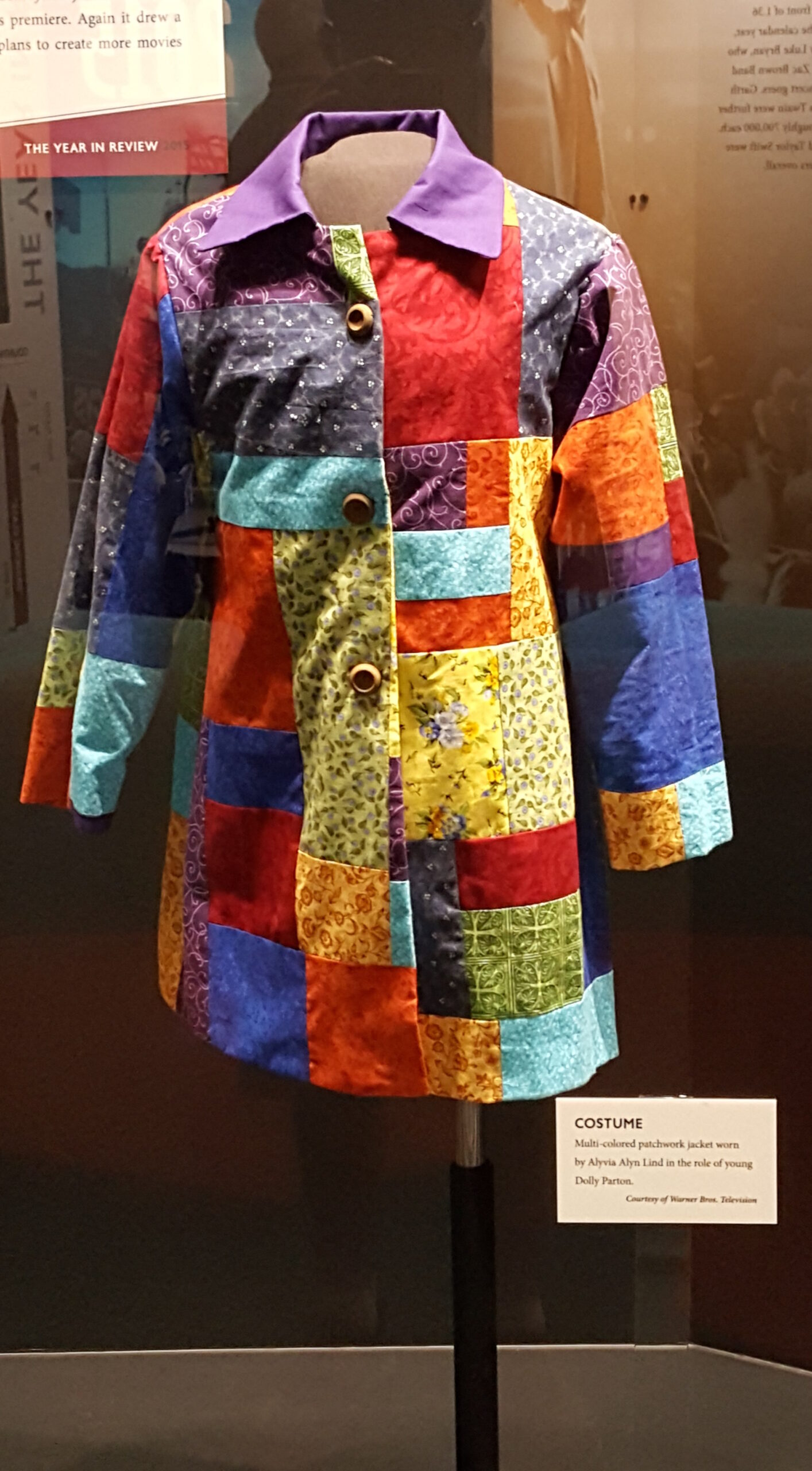
“Coat of Many Colors” is one of the clearest examples. Dolly based the song on a childhood memory from growing up in a large family with very little money in rural Tennessee. Her mother sewed her a coat from scraps of fabric and, while making it, told Dolly the biblical story of Joseph and his coat of many colors.
Dolly proudly wore the coat to school. The other children laughed at her because it had been made from scraps.
The emotional power of the song comes from how clearly Dolly remembers that moment. She does not turn it into a broad lesson about adversity. She tells us about the coat, her mother, her pride, the teasing and what that coat meant inside her family.
Most listeners did not grow up wearing that particular coat, but many understand the feeling underneath the story. They know what it is like to love something that someone else does not value. They know what it is like to be embarrassed because their family has less than someone else’s, or to realize later that the things that made them feel different were also part of what shaped them.
For travelers interested in the city where Dolly Parton’s songwriting, country music history and studio culture intersect, our private Nashville Music Tour explores the wider musical ecosystem behind the landmarks.
Dolly Parton, “Coat of Many Colors.” Official audio from Dolly Parton’s YouTube channel.
Dolly once described her relationship with audiences in a way that helps explain why these very specific songs traveled so well. People did not simply come to see her be Dolly, she said. They came to “see me be them.”
She gave them her story, but she left enough space for theirs.
How an Appalachian song found its way back to Ireland
One of the loveliest examples of Dolly’s music connecting people across places happened far away from a concert stage.
In 1990, Dolly was visiting County Kerry in Ireland. During the trip, she went into Páidí Ó Sé’s pub in the small village of Ventry on the Dingle Peninsula. Traditional musicians Steve Cooney and Séamus Begley were playing there.
They knew “Coat of Many Colors.” So Dolly sang it with them.
It was not a scheduled collaboration or an international television event. It was simply a group of musicians finding a song they already shared. More than thirty years later, Dolly still remembered the evening fondly when RTÉ asked her about it in 2023.
But there is a deeper history behind that moment.
Dolly grew up hearing songs from her mother that belonged to older ballad traditions with roots in Ireland and Britain. Those traditions crossed the Atlantic through generations of migration and became part of Appalachian musical culture, alongside African American, Indigenous and other musical influences that shaped the region over time.
Dolly understood that history in a personal way. When she later spoke about her connection with Irish audiences, she said, “we speak the same language.”
She was not only talking about English. She was talking about the emotional territory inside the music: family, hardship, humor, leaving home, missing home, love, survival and the stories people carry from one generation to another.
That makes the evening in Kerry more than a charming story about Dolly unexpectedly singing in an Irish pub.
Musical traditions had traveled from one side of the Atlantic to the other long before Dolly was born. She grew up inside a musical culture shaped partly by that movement, wrote songs from her own experience in Tennessee, and eventually traveled back across the Atlantic to discover that Irish musicians already knew one of them.
The music had been moving between people for generations. Dolly simply became part of that continuing exchange.
“I Will Always Love You” and the generosity of letting a song belong to someone else
The same idea appears in a very different way in Dolly’s relationship with Whitney Houston.
Dolly wrote “I Will Always Love You” when she decided to leave her professional partnership with Porter Wagoner. Their relationship had been enormously important to her career, but Dolly knew she needed to move forward independently. The song became her way of expressing affection and gratitude while also saying goodbye.
Years later, Whitney Houston recorded the song for The Bodyguard.
Whitney did not imitate Dolly’s version. She approached it from an entirely different musical world and through one of the most extraordinary voices in popular music. Her recording transformed the scale of the song and introduced it to millions of listeners who may never have known Dolly’s original country recording.
Whitney Houston, “I Will Always Love You.” Official lyric video from Whitney Houston’s YouTube channel.
Dolly loved what Whitney had done with it. She spoke proudly about Whitney taking the song around the world and, at one point, expressed the feeling that the song had come to belong to all of them.
That response says something important about Dolly’s understanding of music.
A songwriter can know exactly why a song was written, but once another person receives it, the song begins carrying another story too. Whitney brought her voice, her interpretation and her own emotional world to Dolly’s words. Millions of listeners then brought their own relationships and memories into the song.
After Whitney died, the connection became even more emotional for Dolly. A song she had originally written as one kind of goodbye had become forever connected to another person she cared about and another goodbye entirely.
That is one of the remarkable things music can do. A song can hold several lives at once.
Dolly’s connection with people was not limited to music
The more you learn about Dolly, the more this way of relating to people appears outside her songs as well.
One of the most revealing stories comes from Jad Abumrad’s podcast series Dolly Parton’s America. Jad’s father, Dr. Naji Abumrad, was born in Lebanon, grew up in a mountain village there and later became a surgeon in Tennessee. He eventually became Dolly’s physician and friend.
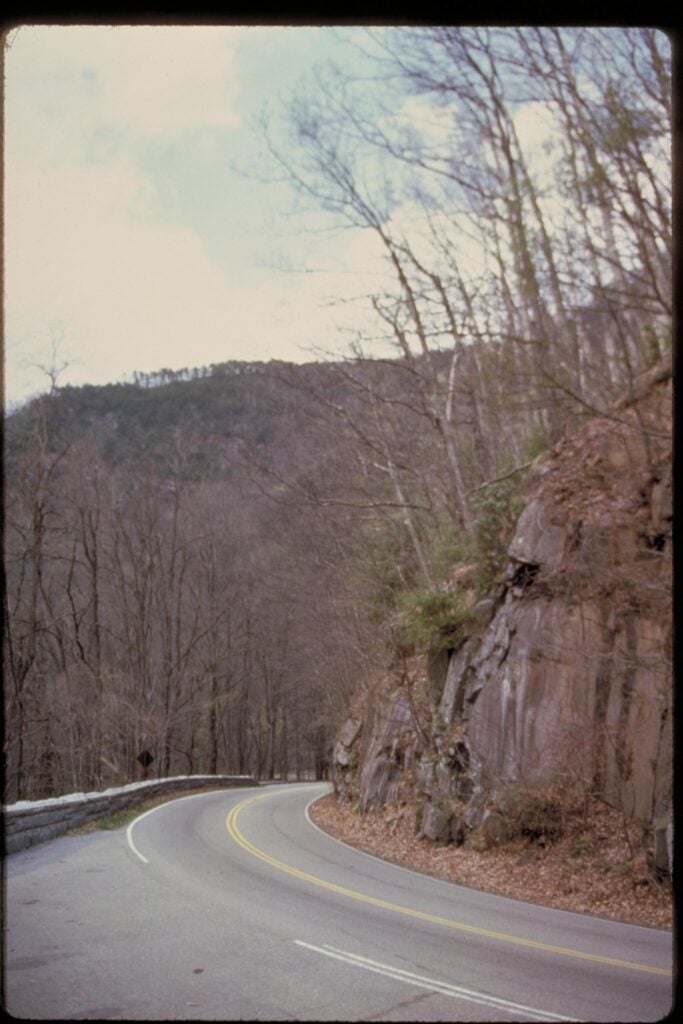
While working on the podcast, Jad visited the small mountain home where Dolly had grown up. Something about the place reminded him strongly of the stories and photographs of his father’s childhood home in Lebanon.
The point was not that Lebanon and East Tennessee were somehow the same. Their cultures, histories and experiences were obviously different.
What connected Dolly and Naji was something much more personal.
Naji carried a powerful attachment to the mountain home he had left behind. Even after building a completely different life in the United States, that place remained emotionally important to him in a way he felt many people around him did not fully understand.
Dolly understood it.
She knew what it meant for a small house in the mountains to remain enormous in your memory.
That ability to recognize something meaningful in another person without pretending their life was identical to hers feels very close to what happens in Dolly’s songwriting. She did not need to tell people, “Your story is the same as mine.” Her work allowed people to say, “I understand something about that feeling.”
Dolly Parton turned empathy into something practical
This connection between people also helps explain why Dolly’s philanthropy never seemed completely separate from the rest of her work.
The Imagination Library began with her father. Dolly’s father, Robert Lee Parton, could not read or write. She understood the limitations that created in the life of someone she loved deeply, and in 1995 she started a program in her home county that mailed books to young children.
At first, it was local. Then other communities joined. The program expanded throughout the United States and eventually into other countries, sending millions of books into children’s homes.
The numbers are remarkable, but the origin of the idea says more about Dolly than the numbers do. Someone she loved had struggled with something. She paid attention to it. Then she tried to make that struggle a little less likely for somebody else.
Her response to the devastating 2016 wildfires in the Smoky Mountains came from a similar place. These were communities close to her own history, and families had lost homes and stability. Through the My People Fund, Dolly helped provide direct financial assistance to affected families.
Again, the response began with connection. These were people she could see, so she acted.
Remembering Dolly Parton through the people her music reached
It is easy, particularly in the days immediately after losing someone as accomplished as Dolly Parton, to separate her life into categories: the songwriter, the performer, the international celebrity, the businesswoman, the philanthropist.
But perhaps those categories hide something important.
There was a consistent instinct running through much of what Dolly did. She paid attention to people. She told the truth about where she came from. She understood that another person did not need to share her exact life in order to recognize something in it. And when she had the ability to help, she often turned that recognition into action.
Near the end of her life, Dolly said she hoped people would remember her songs, but she also hoped they would remember that she had tried to do some good in the world.
Those two parts of her legacy may be more closely related than they first appear.
Music begins with listening. So does empathy.
A woman from the Smoky Mountains could sing in Japan to people who could barely understand her spoken words and still hear them singing back. Irish musicians could recognize something familiar enough in her songs to play “Coat of Many Colors” with her in a pub in Kerry. Whitney Houston could take one of Dolly’s most personal songs and make it part of an entirely different musical legacy. A Lebanese immigrant living in Tennessee could recognize in Dolly another person who understood what it meant to carry a mountain home with you.
None of those stories are about people becoming the same. They are about people becoming understandable to one another.
Yesterday, we lost an extraordinary musician, songwriter and human being. Her songs will continue to travel, as they have for decades, into rooms and countries and lives she could never have known personally.
But perhaps the most important thing they carry is the idea Dolly seemed to understand so well: music can give us a way to recognize one another, even when almost everything else about our lives is different.
That is a remarkable legacy to leave behind.
For another perspective on Nashville’s music community, read our account of a night at the Grand Ole Opry.