 Skip to content

For years, travelers have built entire vacations around a legendary jazz festival, a historic recording studio, or a local music scene worth traveling for. On October 9, 2026, the U.S. government finally gave this kind of travel an official name.
The President signed S. 195, the American Music Tourism Act of 2025, into law, directing the U.S. Department of Commerce to identify and promote American locations and events that matter to music tourism, both to domestic travelers and to international visitors.
The definition is refreshingly specific. Under the law, music tourism includes travel to music-related attractions such as museums, studios, and venues of all sizes, as well as travel for festivals, concerts, live performances, and other music-related events.
That definition describes a kind of travel we have been building for years. For nearly a decade, our work at Musical Getaways has centered on a simple idea: music does not have to be an activity added to a trip after the itinerary is finished. It can be the reason for traveling, the thread connecting one place to another, and a way to understand history, communities, and cultural identity more closely.
What the American Music Tourism Act actually does
The law amends the Visit America Act. It gives the Assistant Secretary of Commerce for Travel and Tourism a new responsibility to identify U.S. locations and events important to music tourism and to facilitate and promote travel to them.
It also requires a report to Congress within one year of enactment and every two years after that, covering activities, findings, achievements, and vulnerabilities related to the federal tourism goals. That reporting requirement matters because it creates a recurring point at which music tourism can be discussed as a real part of U.S. destination strategy rather than only as a niche label used by travelers or the music industry.
It is equally important to be clear about what the law does not do. It does not create a federal certification for music-tour operators, endorse individual travel companies, or establish a new grant program for private tour businesses. Its immediate significance is recognition, promotion, and accountability within federal tourism policy.
Why the definition of music tourism matters
Travel categories become more visible when people can name them clearly. A traveler may already be flying to another city for a concert, planning a weekend around a jazz festival, visiting a historic recording studio, following the history of a favorite artist, or choosing a destination because of its live-music scene. Until now, many of those trips have been described separately. The new law places them inside a broader federal definition of music tourism.
That definition also helps explain why music tourism overlaps so naturally with cultural tourism and experiential travel. A meaningful music trip is rarely only about a ticket. Music leads travelers into neighborhoods, food traditions, migration stories, civil-rights history, religious practice, language, dance, craft, recording technology, and the people who continue to create the culture of a place.
Consider the American South. A route through New Orleans, Memphis, Muscle Shoals, and Nashville can connect jazz, blues, soul, rock, gospel, and country, but the value is not simply checking off famous venues. The musical thread helps explain how cities influenced one another, how recording industries developed, how musicians moved between regions, and how larger social histories shaped what people heard. This interconnected history is exactly what we design our regional itineraries to showcase.
Music tourism is bigger than concert tourism
Concert travel is an important part of this category, and the law explicitly includes concerts and festivals. But the opportunity is broader. A music-centered trip might begin with a recording studio, a regional genre, an artist’s legacy, a neighborhood, an educational objective, or a musical question a traveler wants to understand better.
What music tourism looks like across the United States
Sometimes the most important moment is not the concert itself. It is what happens around it.
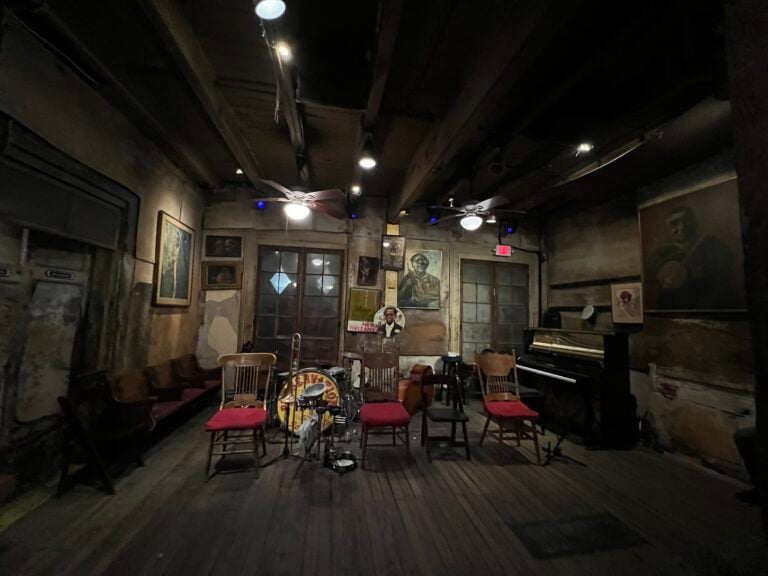
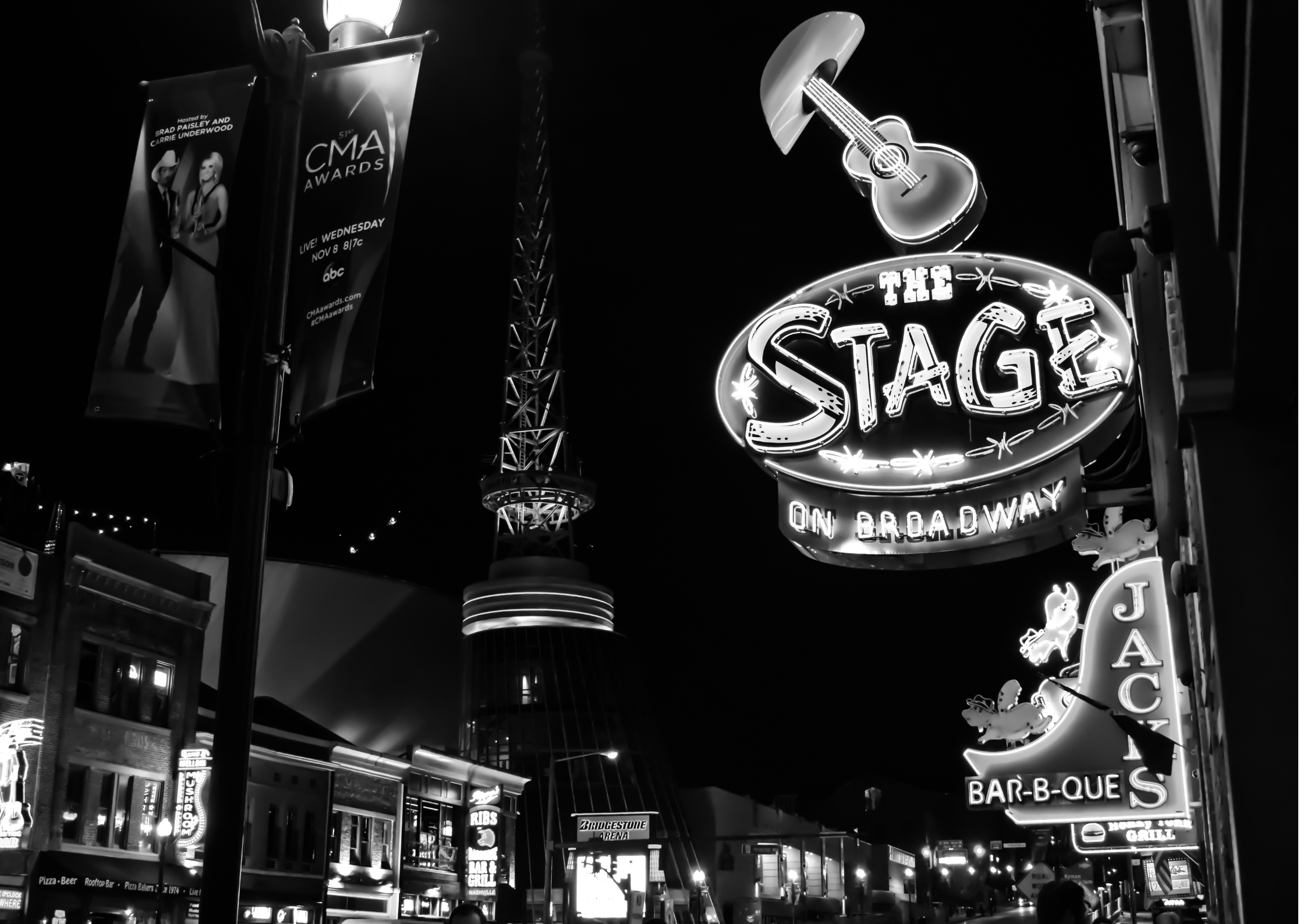
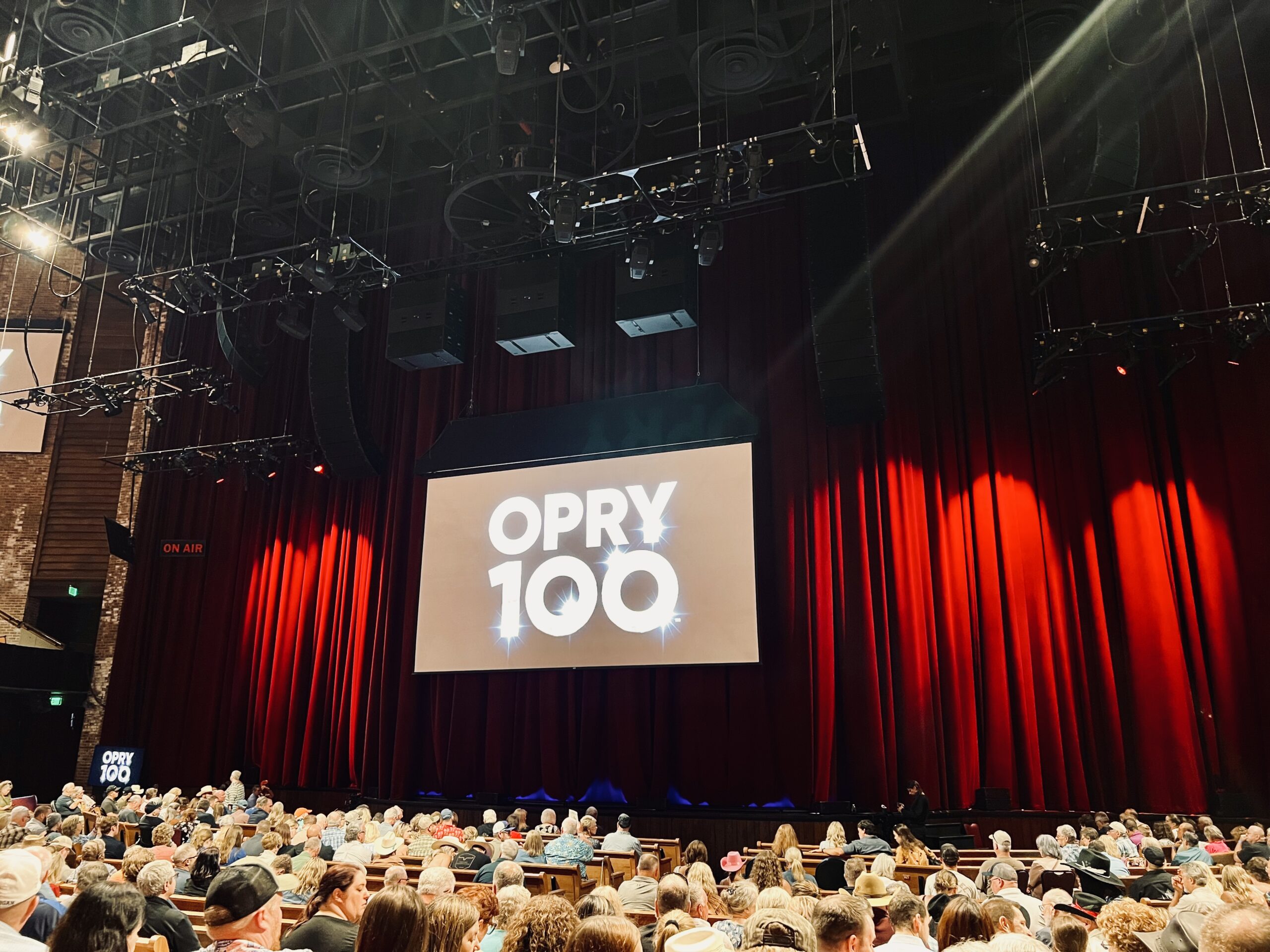
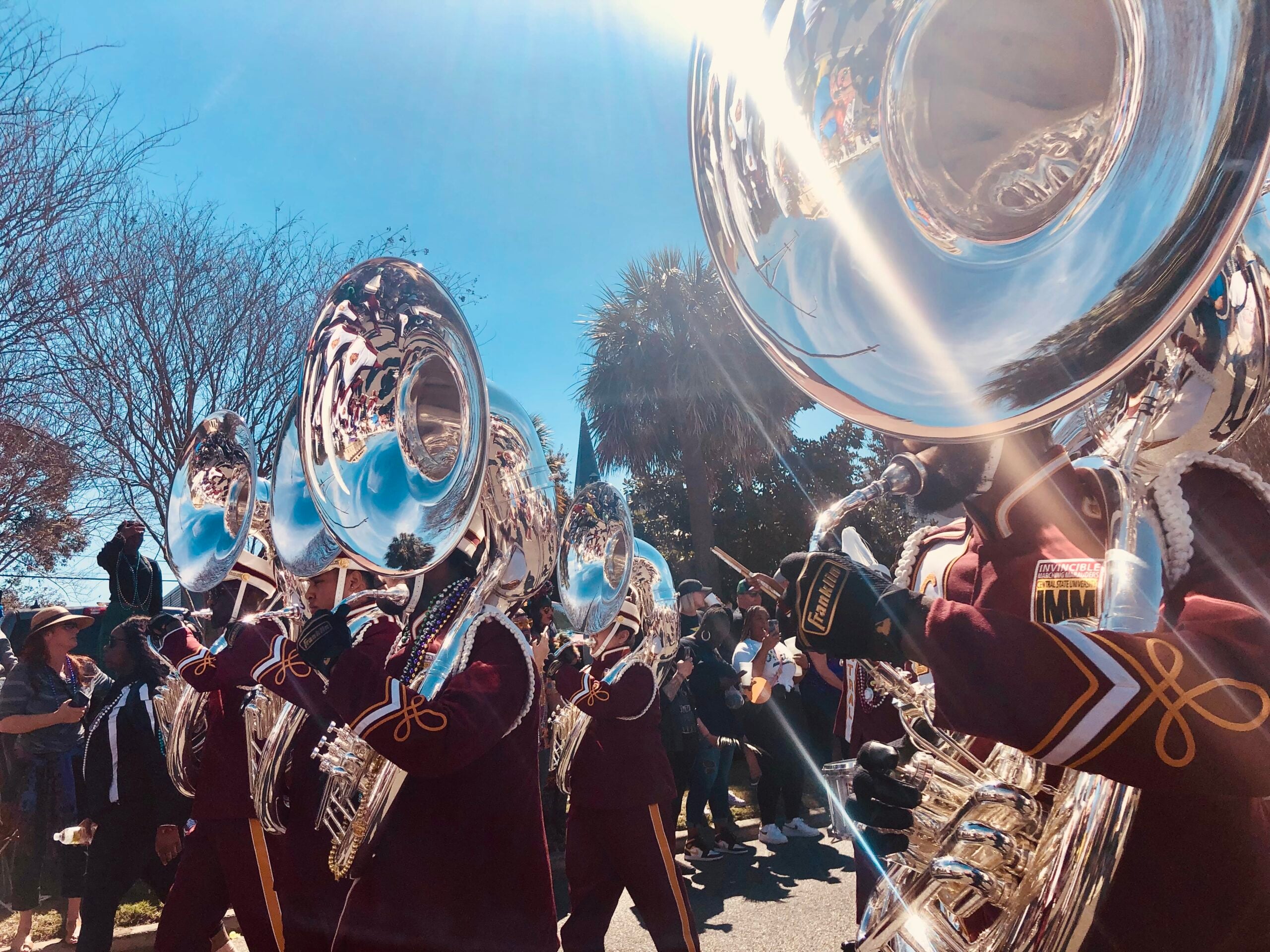
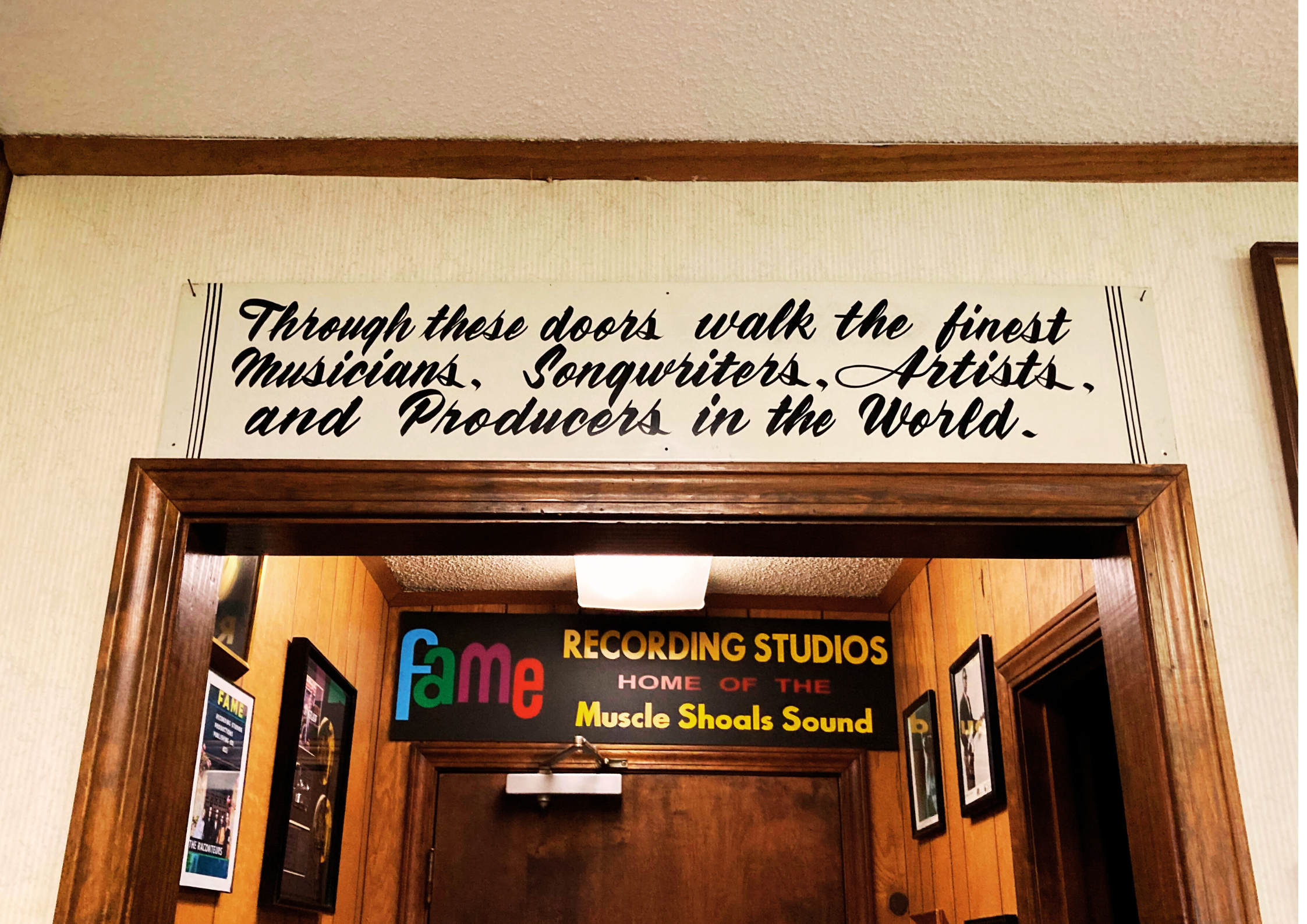
In the United States, that can mean hearing a brass band in New Orleans and then learning why the city’s street, parade, and neighborhood traditions matter to the music. It can mean visiting Sun Studio or Stax in Memphis, following recording history into Muscle Shoals, or spending an evening at the Grand Ole Opry after exploring the studios and songwriting culture of Nashville. The point is not simply to collect famous music landmarks. It is to understand how sound, place, history, and community connect.
That kind of travel becomes more valuable when the experience gives context to what you are hearing. A studio visit can explain how musicians worked together in a particular room. A historian or local guide can connect a neighborhood to the music that grew there. A live performance can sound different after you have spent the day learning about the people, migrations, industries, and social histories behind it. Music becomes a way of reading the destination rather than an entertainment add-on.
One route makes those connections especially visible. New Orleans, Memphis, Muscle Shoals, and Nashville can be traveled as separate destinations, but following them together reveals how jazz, blues, gospel, soul, rock, and country developed through movement between cities, musicians, studios, churches, clubs, and communities. That is the idea behind our Sounds of the South journey.
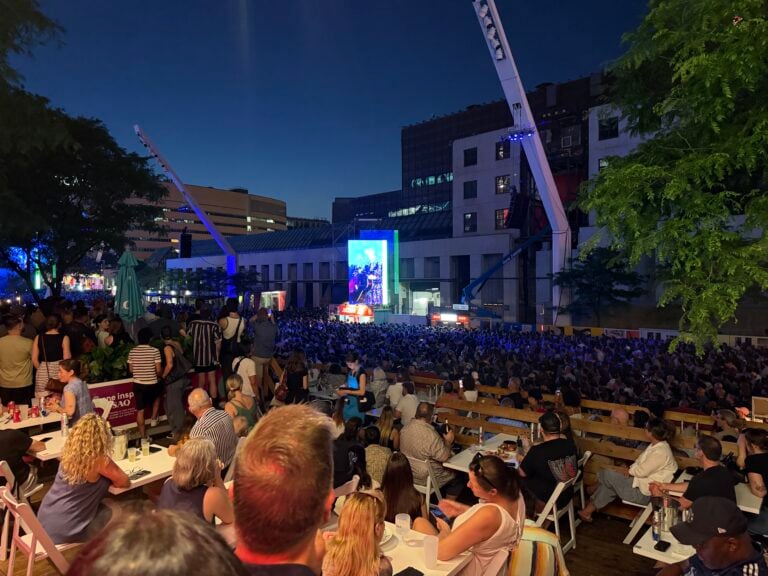
Festival travel works the same way. The event may be the reason for going, but the deeper experience often comes from what surrounds it: meeting local musicians, hearing a tradition explained in context, visiting the places that shaped the music, or recognizing something in a performance that you would have missed a day earlier.

That is also where private music travel, festival journeys, and educational music travel become part of the same conversation. A university ensemble traveling to study rhythm and repertoire, a couple building a trip around a favorite musician, and a small group following recording history through several cities may have very different itineraries. What they share is that the music determines how the place is approached.
The law is American. The idea is global.
While the new law is strictly American, the philosophy behind it is global. At Musical Getaways, we apply these same principles internationally.
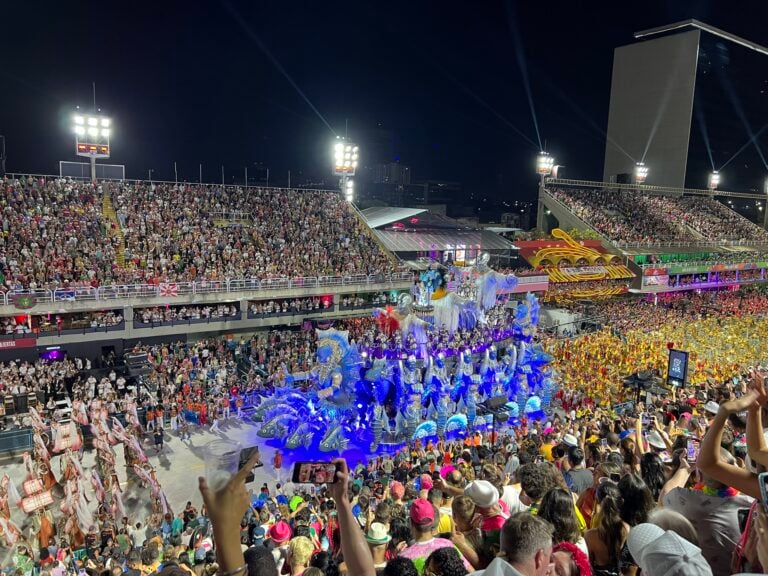
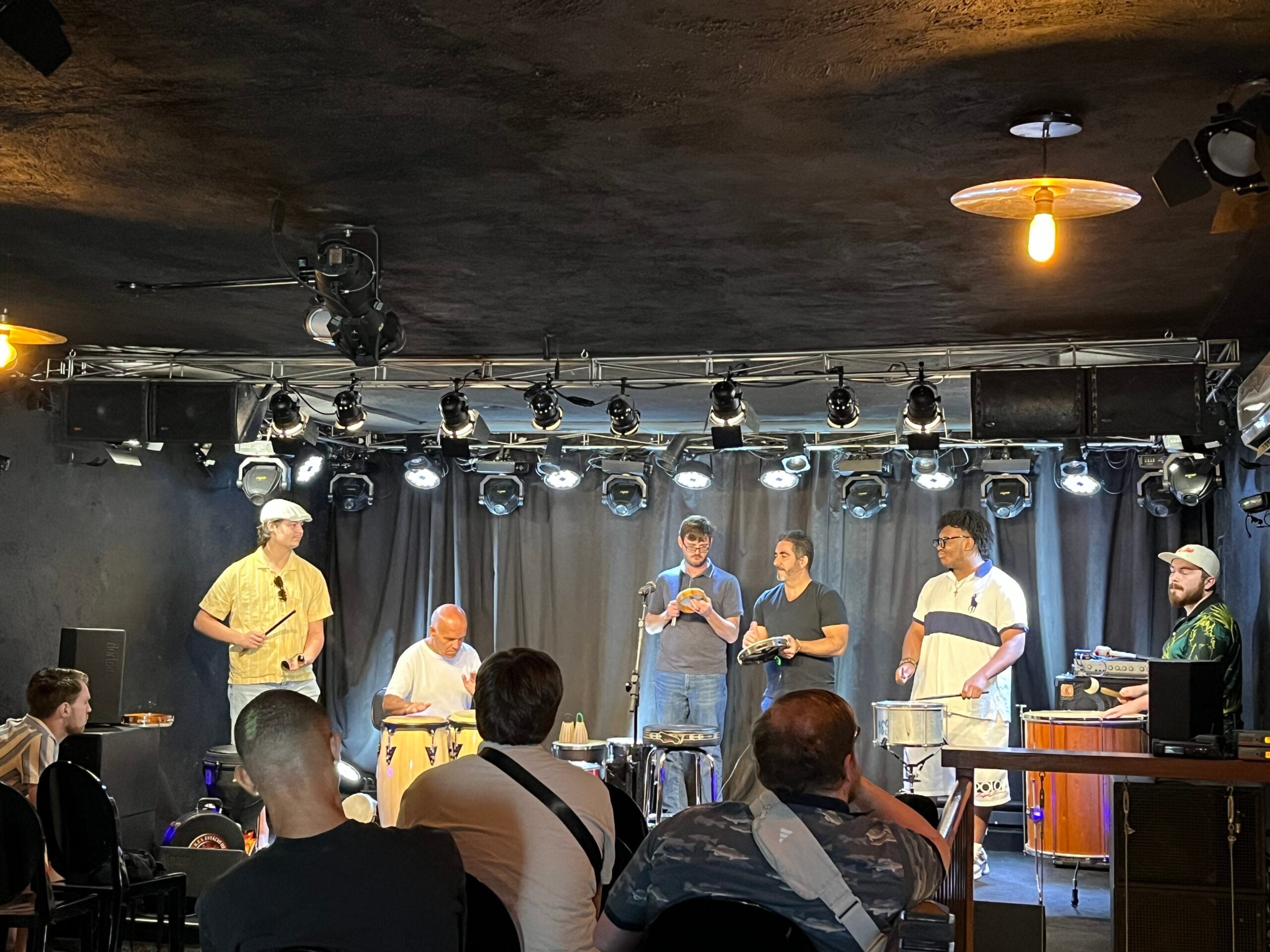
In Brazil, that can mean hearing the bateria inside a samba school rehearsal and understanding how Carnival is built long before parade night. In Recife, a percussion workshop can turn maracatu from something a traveler has heard about into something they can listen to differently after learning how the parts fit together. In Salvador, music opens into a wider conversation about Afro-Brazilian history, religion, community, and identity.
Educational music travel makes that especially clear. During the Jacksonville State University program in Brazil, students did not only watch local musicians perform. They rehearsed, played, listened, asked questions, and spent time with musicians in the places where those traditions are practiced.
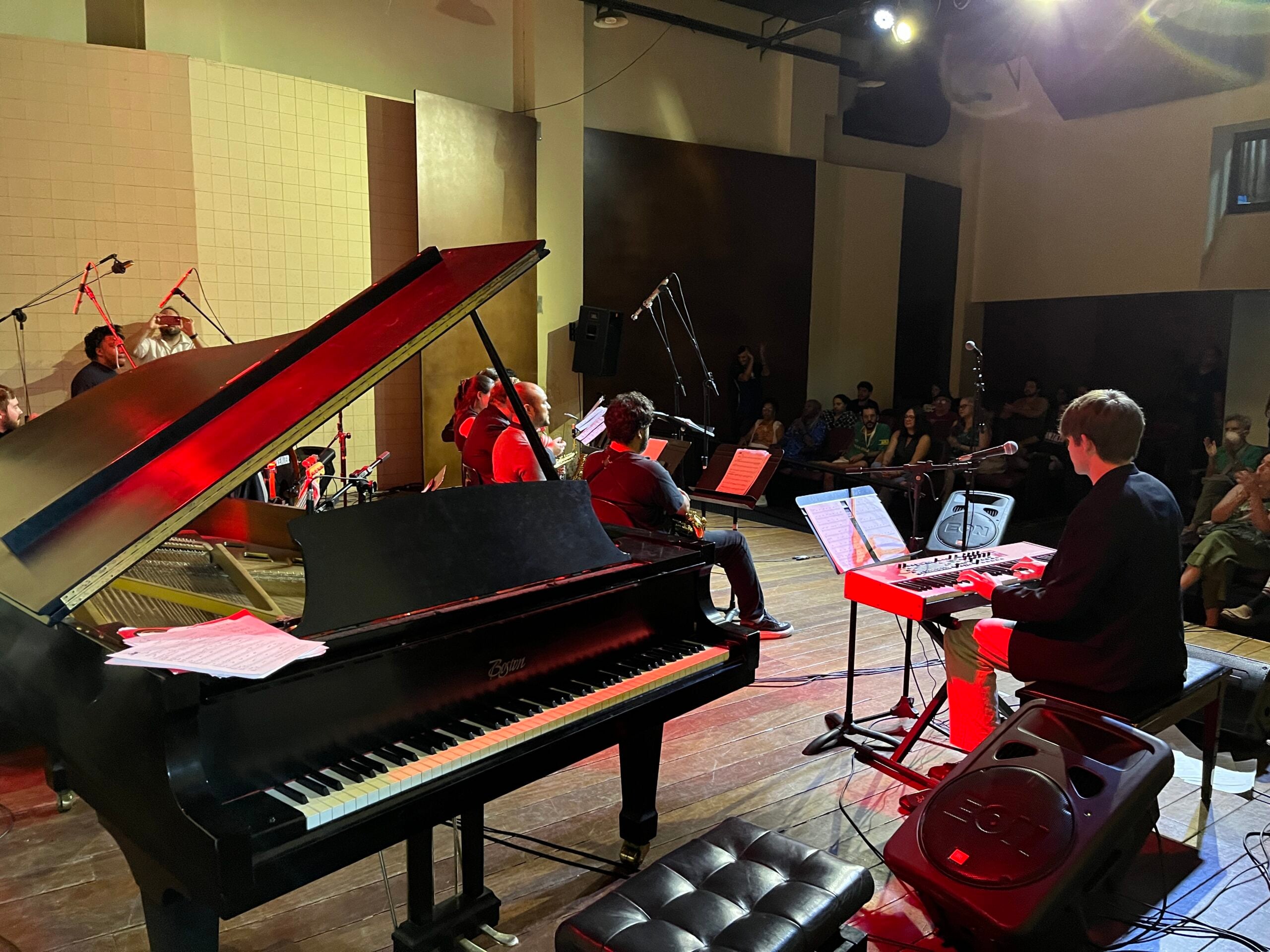
In Brazil, Colombia, Spain, Iceland, and other destinations we work with, the format changes but the central idea remains useful: a rehearsal, workshop, festival, studio, neighborhood, or conversation with musicians can give travelers a more precise way to understand a place.
What could come next for music travel
No law transforms a travel category overnight. But federal recognition can create a stronger framework for destinations, tourism organizations, venues, museums, festivals, and travel specialists to describe what already exists and to connect it more intentionally.
For travelers, we hope the future becomes more interesting than a longer list of famous music landmarks. The real opportunity is to connect those landmarks to the living scenes around them: the smaller venue after the museum visit, the local musician who can explain what changed from one neighborhood to another, the workshop that makes a rhythm easier to hear, or the extra day that turns a concert trip into a deeper cultural journey.
Where Musical Getaways fits
We do not need to call ourselves the biggest company in music tourism to know where our experience is useful. Musical Getaways is an established, musician-led specialist in music-centered cultural travel. Our team has spent nearly a decade designing journeys in which live performance, musical history, local artists, cultural context, and thoughtful travel planning belong in the same itinerary.
The new law gives the category greater public recognition. Our responsibility is to keep doing the more difficult part well: treating music as a living part of a place rather than a theme pasted onto ordinary sightseeing.
Ready to build a trip around a favorite festival, a specific musical tradition, or an educational goal? Reach out to our team. Tell us what you are listening for, and we’ll design the journey.