 Skip to content
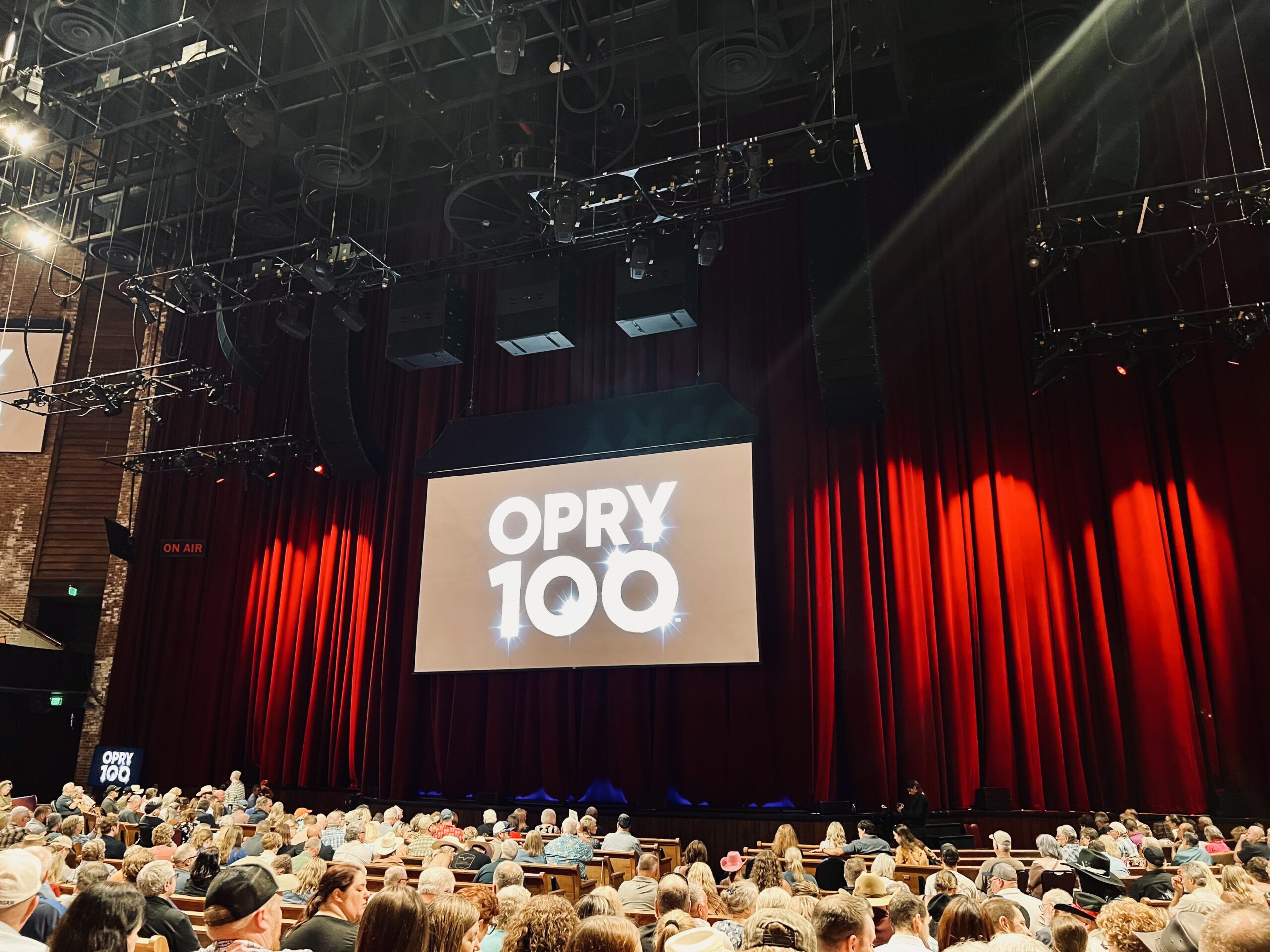
Last week, our latest Nashville experience ended with one of the city’s most distinctive musical traditions: an evening at the Grand Ole Opry. Chaz and our travelers were there for a strong live performance, and the videos from the night capture what makes the Opry different from a typical concert. The atmosphere is celebratory, but it also carries the weight of a history that is still being performed. Moreover, it is broadcast, and renewed in front of an audience.
We have returned to Nashville with travelers more than once this year, and each visit reinforces the same point. Nashville is not simply a city with famous music attractions. Instead, it is a working music center where recording studios, songwriters, performers, radio, museums, and live venues continue to shape one another. The Grand Ole Opry is one of the clearest places to experience that connection.
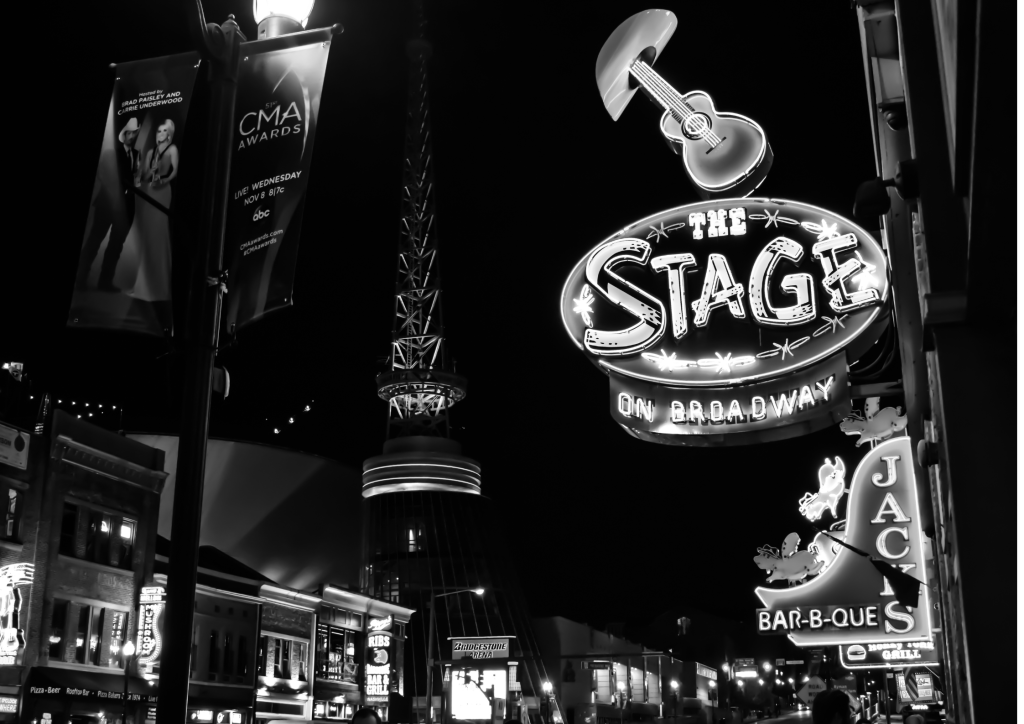
More Than a Concert Venue
The Grand Ole Opry is often described as a Nashville landmark, but that description does not fully explain it. The Opry began as a radio program. On November 28, 1925, Nashville station WSM broadcast fiddler Uncle Jimmy Thompson on a new program called the WSM Barn Dance. The show became the Grand Ole Opry in 1927. It grew into one of the most influential platforms in country music.
Radio allowed music rooted in local communities to travel far beyond Tennessee. Fiddle tunes, string bands, gospel, comedy, bluegrass, and early country performers entered homes across a wide region. Listeners who had never visited Nashville became familiar with its musicians. In addition, performers understood that an Opry appearance could introduce them to a national audience.
That relationship between broadcasting and performance helped Nashville become Music City. The Opry did not create Nashville’s entire music industry by itself. However, it gave the city a regular national stage. Artists came to perform, audiences came to listen, and an expanding network of publishers, studios, managers, and session musicians developed around that attention.
The Opry and the Ryman Are Connected, but They Are Not the Same Place
Visitors often use “the Grand Ole Opry” and “the Ryman” as though they are interchangeable. Their histories are closely connected, but they refer to different things.
The Opry is the live radio show and musical institution. Ryman Auditorium was its most famous former home, hosting the program from 1943 until 1974. Those three decades included defining moments in country and bluegrass history. Therefore, the Ryman became known as the Mother Church of Country Music.
In 1974, the program moved to the purpose-built Grand Ole Opry House. A circle of wood from the Ryman stage was placed at the center of the new stage. Thus, it created a physical connection between the two venues. Performers who step into that circle are standing on a piece of the room where earlier generations helped establish the music’s public identity.
Understanding this distinction makes a Nashville visit richer. The Ryman tells one part of the story. The current Opry House shows how that story continues.
Country Music History Is Broader Than Its Popular Image
The history of the Opry also offers an opportunity to understand country music beyond the simplified image often presented to visitors.
Harmonica player DeFord Bailey was one of the Opry’s most popular early performers and country music’s first African American star. His repertoire crossed country and blues traditions, reflecting the shared musical language of Black and white rural musicians in the South. His place in Opry history is essential. However, so are the inequalities he encountered within the music industry.
This broader context matters to the way we explore Nashville. Country music did not develop in isolation. Its history includes African American musicians, Appalachian traditions, gospel, blues, commercial radio, migration, recording technology, and the exchange of songs across communities. Therefore, a meaningful music tour should make those connections visible rather than treating genres as separate stories.
What Makes an Opry Performance Different
An Opry show does not follow the structure of a standard concert by one headline artist. A single evening can bring together established Opry members, contemporary performers, bluegrass musicians, veteran artists, and newer voices. Sets are shorter, the program moves quickly, and the live radio format remains part of the experience.
That variety is important. The Opry presents country music as a tradition with several generations sharing the same stage. A guest may arrive because of one familiar artist and leave having discovered someone unexpected. The transitions, announcements, house band, and broadcast rhythm are not interruptions to the show. They are part of its identity.
During our recent visit, that sense of discovery became very real through The Isaacs, a family group that joined the Grand Ole Opry in 2021. Lily Isaacs performs with her children Ben, Sonya, and Becky. The group has spent five decades developing the close family harmonies that define its sound. Their work draws from southern gospel, bluegrass, country, folk, rhythm and blues, and contemporary acoustic music.
That evening, The Isaacs performed Chicago’s “You’re the Inspiration” almost entirely a cappella around a single microphone. With no large production surrounding them, the focus was on tuning, blend, phrasing, breath control, and a series of remarkable key changes. In other words, they took a familiar pop song and reshaped it through their own musical language. It created one of the most memorable moments of our first Opry experience with travelers.
The performance also continued beyond the room. A video we recorded that night has reached a wide audience on TikTok. There, listeners have responded to the family harmonies, the arrangement, and the emotional lift of the final modulation.
Experiencing Nashville With Musical Context
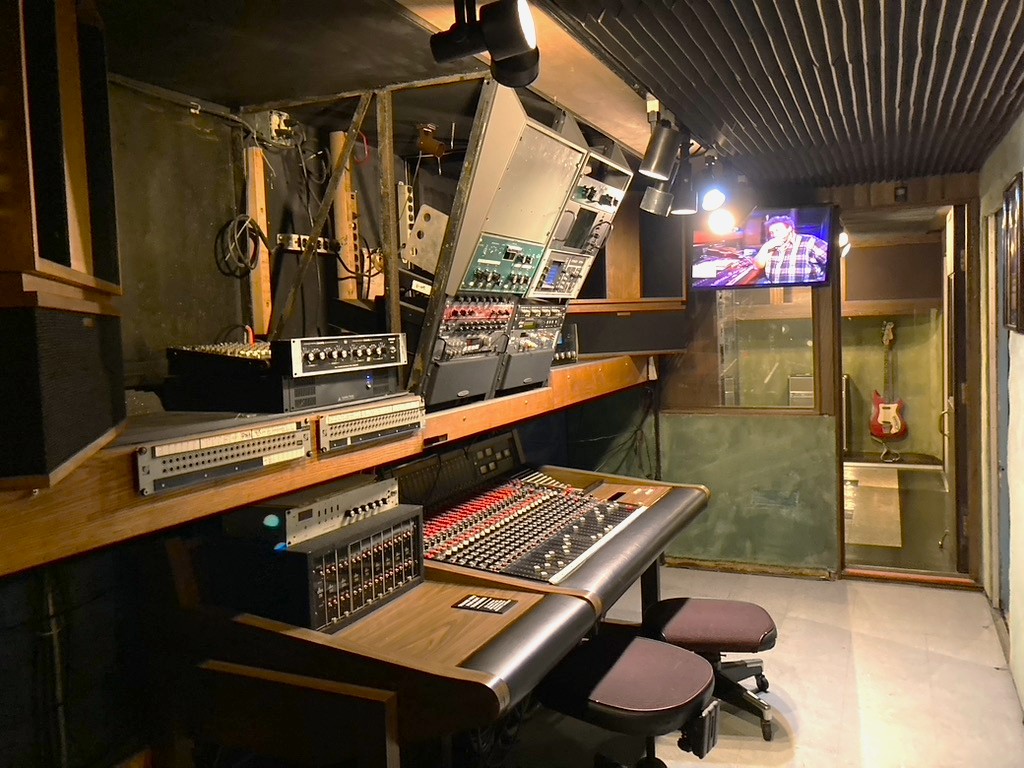
The Grand Ole Opry becomes more meaningful when it is not treated as an isolated evening. Our private Nashville Music Tour can connect an Opry performance with the Country Music Hall of Fame, RCA Studio B, songwriter culture, the Ryman, live music rooms, and the African American traditions represented across the city.
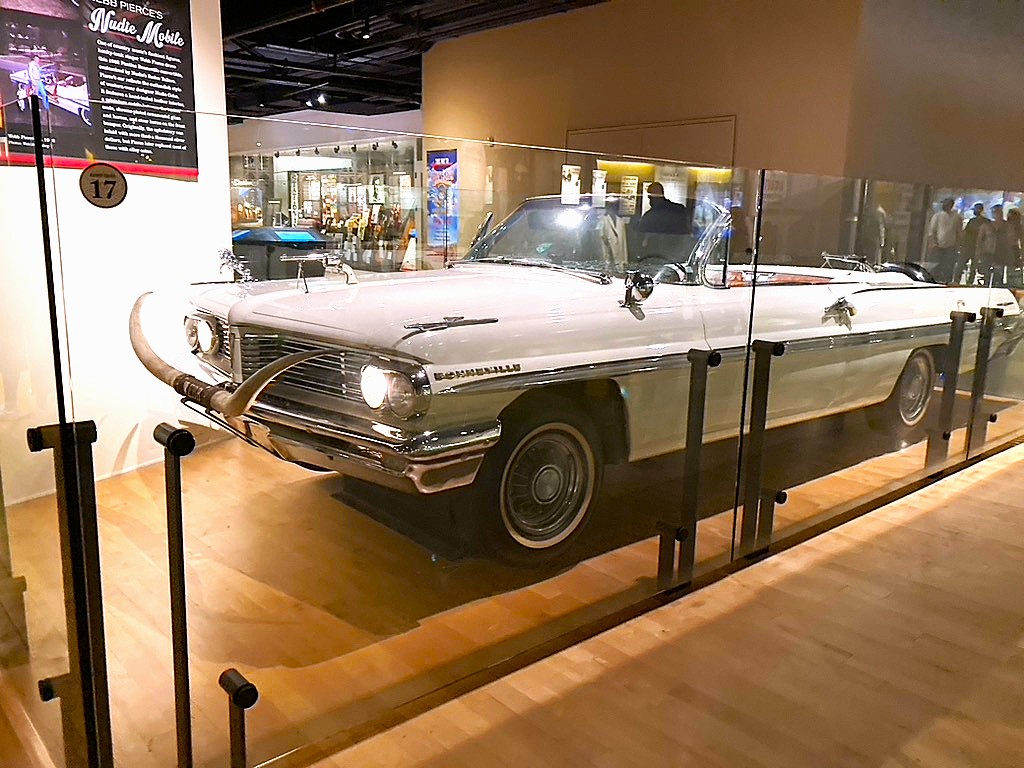
For travelers focused specifically on the city, our Nashville Music Tour offers a focused way to experience Nashville’s music history and living scene. Nashville can also form part of a wider journey through Southern music. On our Sounds of the South Tour, the city is understood in relation to New Orleans, the Mississippi Delta, Memphis, and Muscle Shoals. By the time travelers reach Nashville, they have heard how musicians, technologies, industries, and regional traditions influenced one another across the South.
That is the kind of context we value. We want travelers to enjoy the performance, but also to understand why the room exists. They should know how the music reached its audience, whose contributions shaped it, and what continues to happen there today.
The Grand Ole Opry is a major Nashville attraction, but its real value is not limited to fame or nostalgia. It remains a working stage where the history of country music is carried forward through live performance. After our latest evening there, we came away with excellent videos, a memorable night, and another reminder that Nashville’s musical history is not finished. In fact, it is still being played.
For a route that puts Nashville alongside other Southern music centers, compare the programs in our USA music tours hub. The current Sounds of the South itinerary identifies the Grand Ole Opry as an optional add-on, so check those arrangements separately.