 Skip to content
A New Orleans music tour can mean a few hours of walking, several evenings of listening, or the opening chapter of a journey across the American South. Those are different trips. Before choosing by the number of famous venues on an itinerary, decide how much time you want with the city and what you hope to understand when the music begins.
A useful plan connects daytime context with nighttime listening. It also leaves room for the ordinary decisions that shape a good evening: dinner before a set, enough time to reach the venue, a seat when you need one and a morning that does not punish you for staying out late. The right tour format makes those decisions fit your interests.
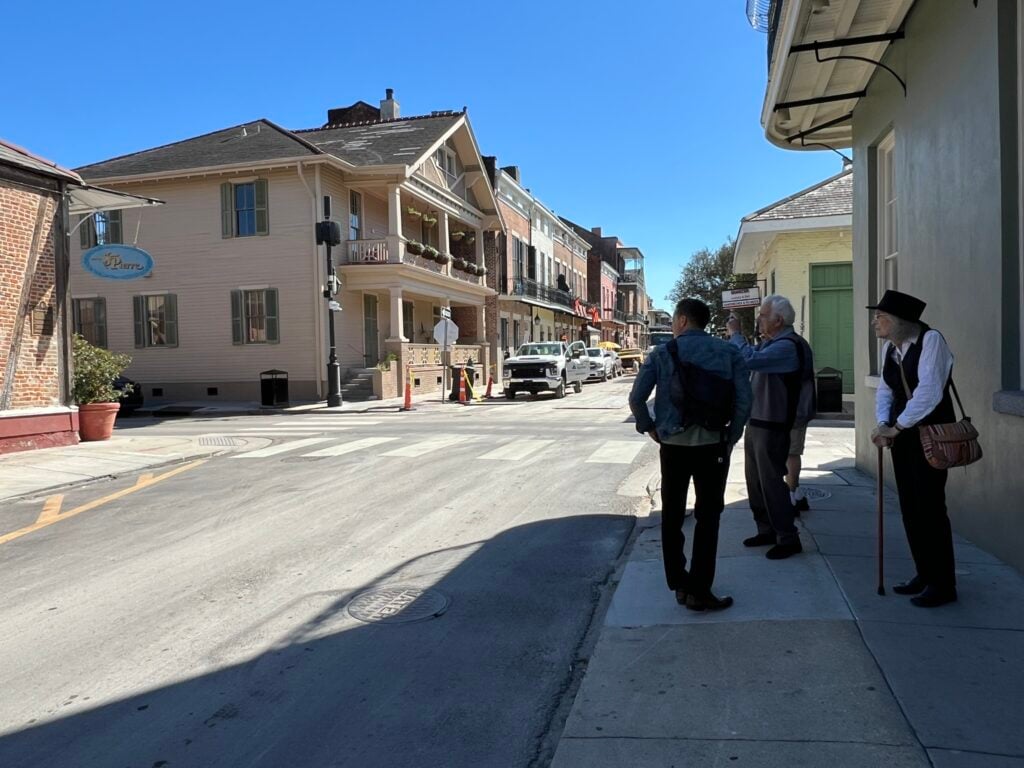
Begin with the musical question
If traditional jazz brought you to New Orleans, ask how the tour connects performances with the communities and institutions behind them. If brass bands, rhythm and blues or funk are the attraction, look for a route that lets those interests guide the listening. A generic nightlife itinerary may spend plenty of time near music without helping you hear the differences.
The National Park Service’s account of jazz origins describes a complex history shaped by African American and Creole communities, migration, cultural exchange and the city’s social life. Congo Square belongs within that history. Visiting the site gives a tour a starting point for discussion, rather than a simple claim that an entire musical form began in one place.
Our musician’s guide to New Orleans beyond jazz is a useful first read if you are still deciding which sounds to follow. Choose a few interests, then give them time. Hearing one set with context can be more rewarding than moving between several rooms without understanding what makes each performance different.
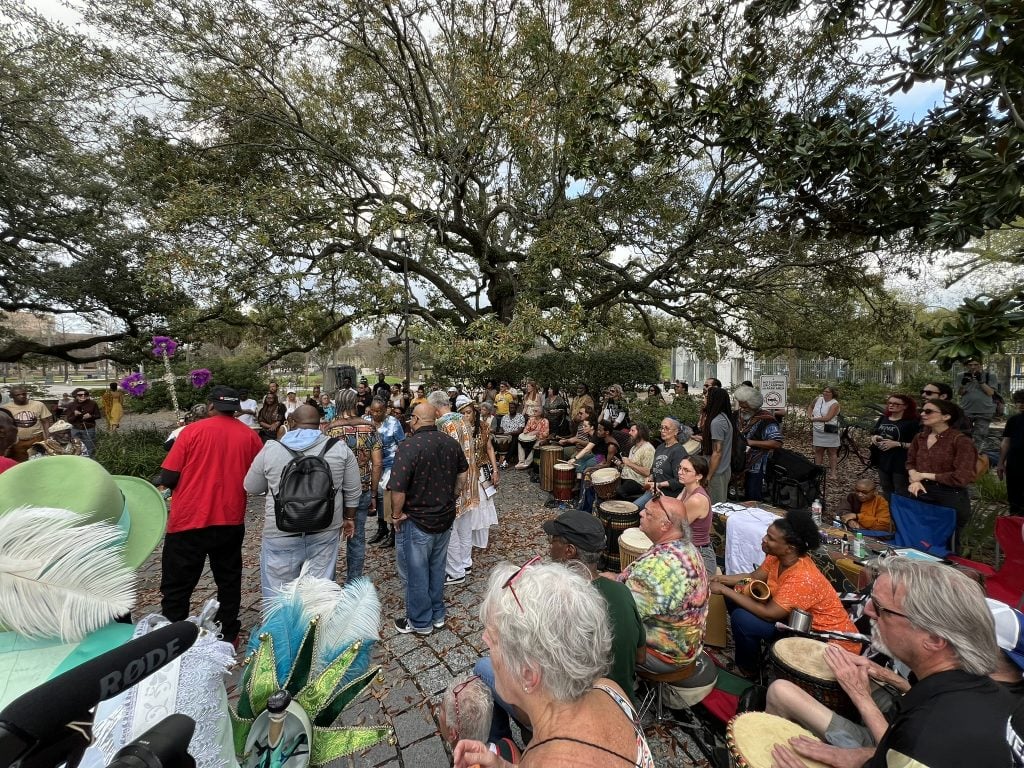
Watch our Congo Square drumming video on Instagram to hear the gathering as well as see it.
One city gives you time to listen
A stay based in New Orleans lets the trip develop around one musical ecosystem. You can connect a walk through Tremé and Congo Square with an evening of traditional jazz, then approach Frenchmen Street with a different question the following night. Repeated time in the city gives you space to compare what you hear instead of moving on after a first impression.
The current hosted New Orleans Music Tour is planned as a five-day journey with Chaz Chambers, neighborhood history, selected live performances and afternoon breaks. Its page lists March and Halloween 2027 departures. Use that page for current dates, provisional pricing, planned venues and the details that still depend on performance calendars.
A private New Orleans music journey serves a different purpose. Your own travel party can discuss dates, musical interests and pacing during planning. This format can be worth exploring if the published group route does not fit how you want to travel. Specific visits and access still need to be checked; a private trip is not a promise that every venue or community event will be available.
A Southern route puts the city in conversation
If your interest is the relationship between regional sounds, a longer journey may be the better choice. New Orleans, Memphis, Muscle Shoals and Nashville give you different ways to think about performance, recording and the work behind a song. The travel between them becomes part of the argument, provided the route leaves enough time at each stop.
Our Sounds of the South tour connects those cities through the Mississippi Delta over 11 days. Its itinerary includes music-history sites and studios, with optional activities identified separately. Read Chaz’s story of the route to understand the musical idea before comparing departure arrangements.
Choose the regional journey when that comparison is what excites you. Choose a longer New Orleans stay when you would rather return to a neighborhood, follow another local performance or spend less time transferring between cities. More destinations add range, but they also change the pace. There is no need to turn a focused interest into a road trip.
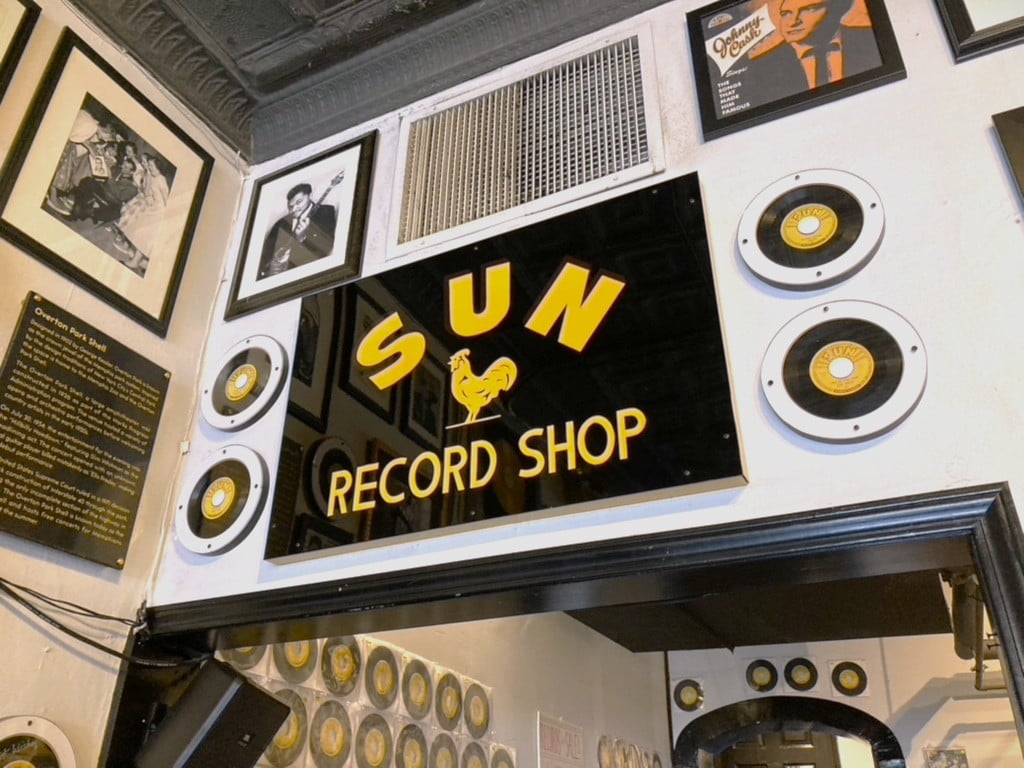
For another sound along the route, watch The Isaacs performing at the Grand Ole Opry in our Instagram reel. The Opry is an optional Nashville experience on Sounds of the South, subject to the schedule.
Read the evenings as carefully as the daytime route
An itinerary should explain what an evening actually involves. Is a performance included, recommended or optional? Is there arranged seating? Does the plan allow time for dinner? What happens after the group activity ends? These questions matter when comparing tour prices, especially if additional covers, drinks and transport are paid separately.
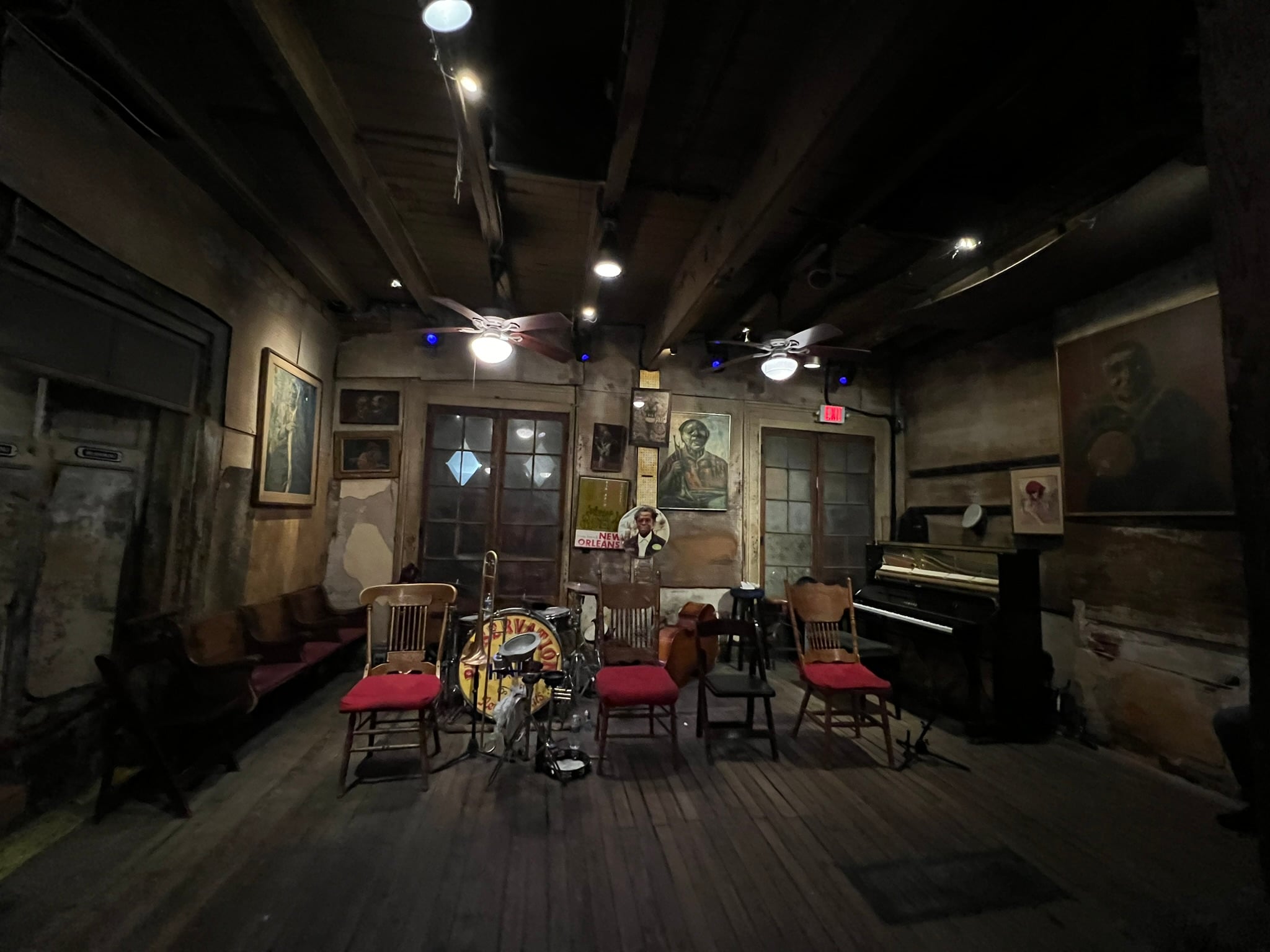
For independent visits, Preservation Hall’s own visitor guidance is a good example of why venue-specific checks matter. It currently asks guests to reserve online, explains that performance schedules can change and prohibits photography and recording during a show. Its guidance also addresses accessible seating. Other rooms have their own arrangements; one venue’s rules do not describe the whole city.
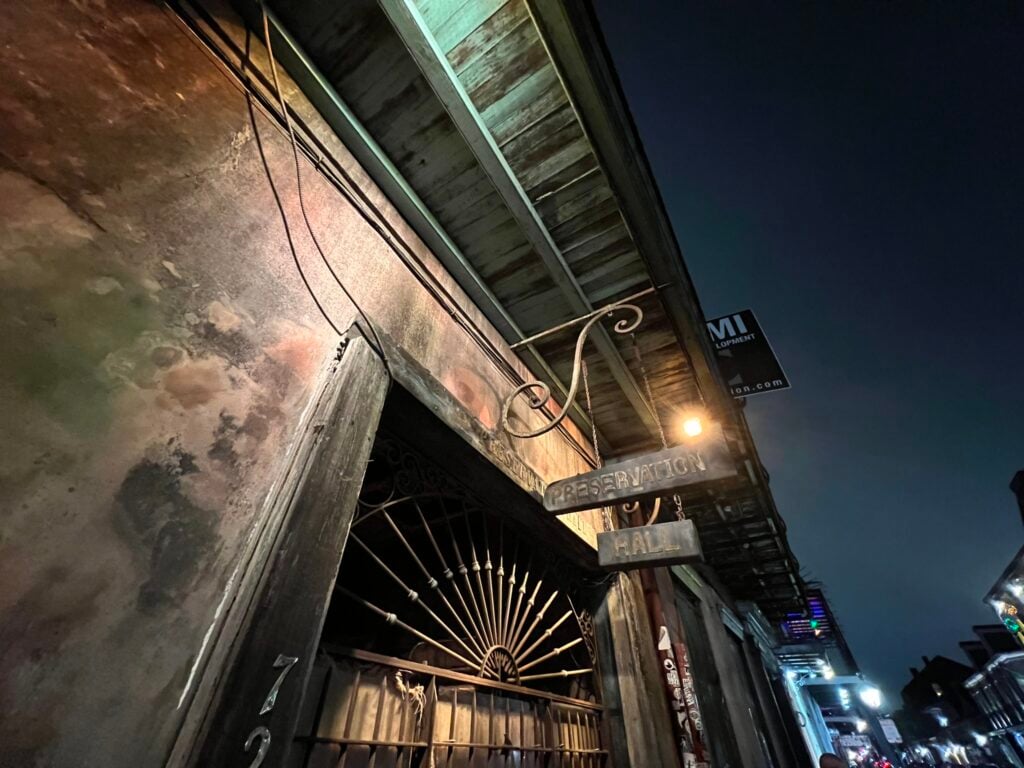
Frenchmen Street offers several listening environments within a small area, but the musicians and the room should drive your choices. Our Frenchmen Street guide provides neighborhood context. Give a performance time to develop rather than treating every doorway as another stop to collect.
Leave room for the people who live here
New Orleans music has long been part of community life. The National Park Service’s jazz history connects its early development with dances, neighborhood gatherings and brass-band funerals. That history is a reason to listen carefully when a local guide explains the setting of a contemporary event. A public celebration, a funeral procession and a ticketed concert are not interchangeable experiences.
Ask before photographing people, follow the guidance of event organizers and local hosts, and allow residents to lead the way in community spaces. An itinerary can explain a tradition without guaranteeing that it will occur during your visit. The quality of the context matters more than a promise of a particular street encounter.
Our Instagram reel on New Orleans second-line traditions connects the procession with its community history. Watch with the sound on.
Choose the format before filling the calendar
Begin with three decisions: how many days you have, whether you want one city or a regional route, and whether you prefer a hosted departure or private planning. Then discuss the practical needs that could change the fit, including regular walking, late evenings, seating and access requirements. Our USA music tours hub brings the options together.
The best choice is the one that gives your musical interests enough space. New Orleans rewards time spent connecting what you learn in daylight with what you hear after dark. Once that purpose is clear, the itinerary has a reason for every stop.
Tell us what you want to hear and how you like to travel. Start planning your music journey and we can help you compare a focused New Orleans stay with the Southern route.