 Skip to content

Planning 10 days in Brazil can become a frantic list of airports and landmarks, or a coherent journey through three cities that explain something important about the country.
Rio de Janeiro, Salvador and Recife are all coastal, all musically significant and all shaped by African diaspora, colonial history and regional pride. They do not feel the same. That difference is the point.
Our bespoke Brazil music journey often uses these cities as a three-part composition: Rio introduces the iconic geography and the social history of samba; Salvador brings Afro-Bahian religion, food and percussion into sharper focus; Recife and nearby Olinda reveal the distinctive traditions of Pernambuco.
If you prefer a hosted departure, our Brazil Music & Cultural Tour follows the same Rio–Salvador–Recife arc. A bespoke version gives us more freedom to adjust the pace, musical focus, neighborhoods and downtime around the traveler.
This sample is a planning framework, not a fixed tour promise. Flights, venue calendars and local access change, and we shape the final order around the travel dates.
The realistic route: three nights in each city
For ten days, fly into Rio and out of Recife, or reverse the route if international schedules are better. Use domestic flights between cities. Brazil’s scale makes an overland version impractical for this amount of time.
A balanced outline is:
- Days 1–3: Rio de Janeiro
- Days 4–6: Salvador
- Days 7–9: Recife and Olinda
- Day 10: departure
Every transfer consumes more than the flight time. Check-out, traffic, airport procedures and check-in interrupt the day, so do not build a major cultural experience around the same afternoon.
Days 1–3: Rio de Janeiro
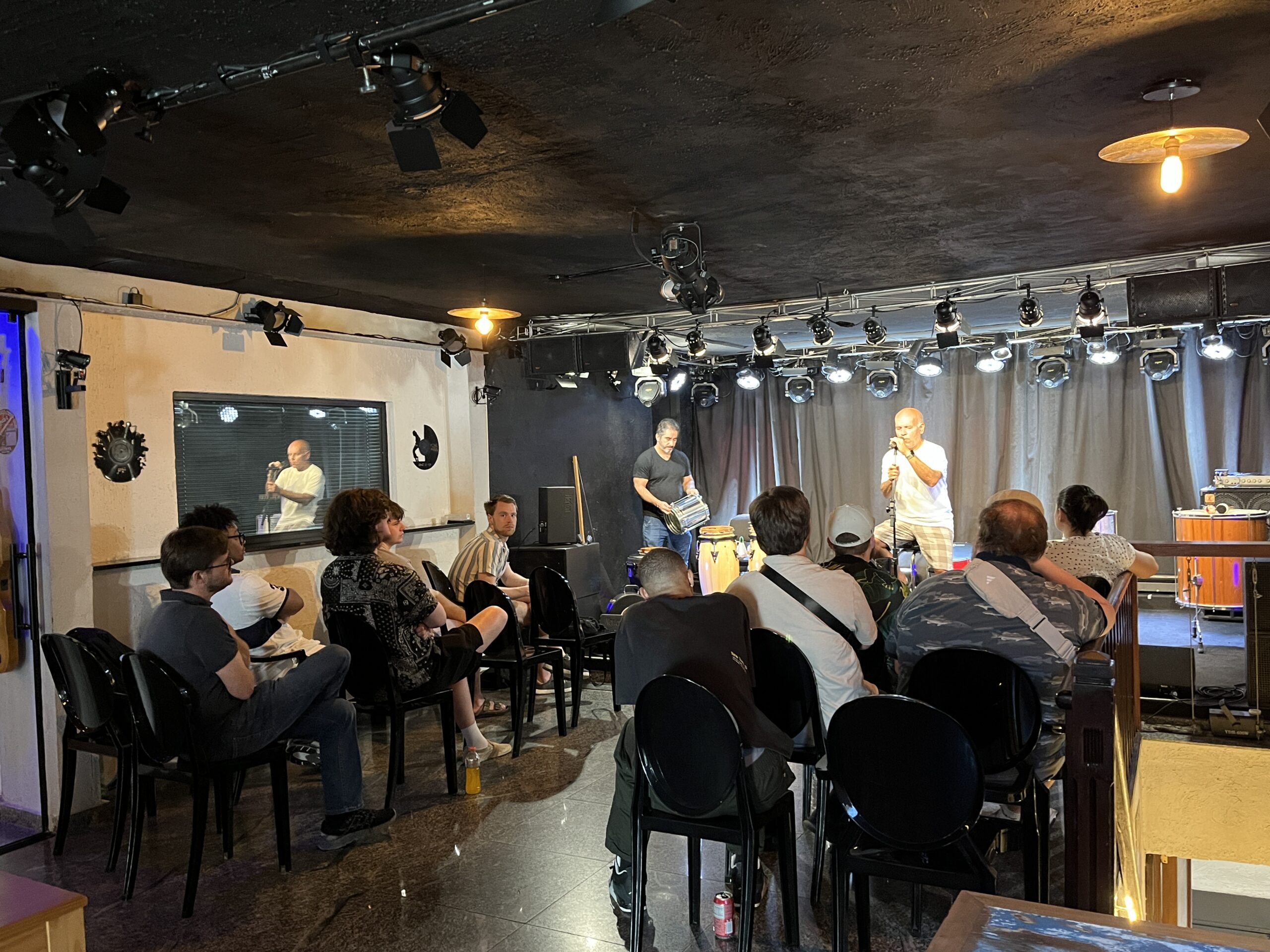
Day 1: arrive and understand the landscape
Rio makes more sense once you see how mountains, bays, beaches and neighborhoods fit together. Keep arrival day light. Settle into the right neighborhood, walk near the hotel and have a first Brazilian meal without attaching an important performance to a potentially delayed flight.
If energy allows, a sunset viewpoint or an easy evening in Ipanema, Copacabana or Leme is enough. The goal is orientation.
Day 2: iconic Rio and the history beneath it
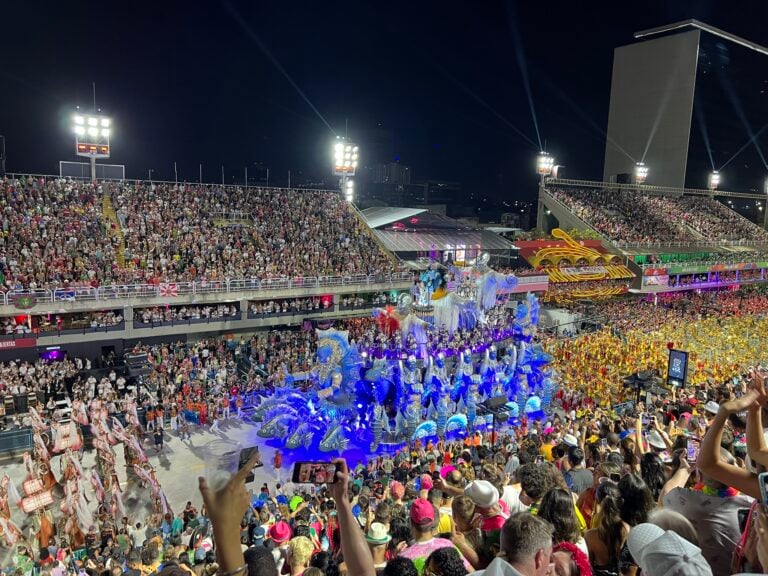
Use the morning for one major landmark—Christ the Redeemer or Sugarloaf, depending on conditions—then shift the focus from the postcard to the city’s cultural geography.
Rio’s Port Zone and the territory often called Little Africa are central to understanding samba and Black history in the city. Pedra do Sal, Valongo Wharf and nearby cultural institutions offer context that a beach-only itinerary misses. The official Visit Brasil guide also highlights this area as a place where Afro-Brazilian memory, resistance and samba meet.
End the day with a roda de samba or another live music experience selected from the current calendar. Schedules can change, so we confirm the plan close to travel rather than naming one guaranteed venue months ahead.
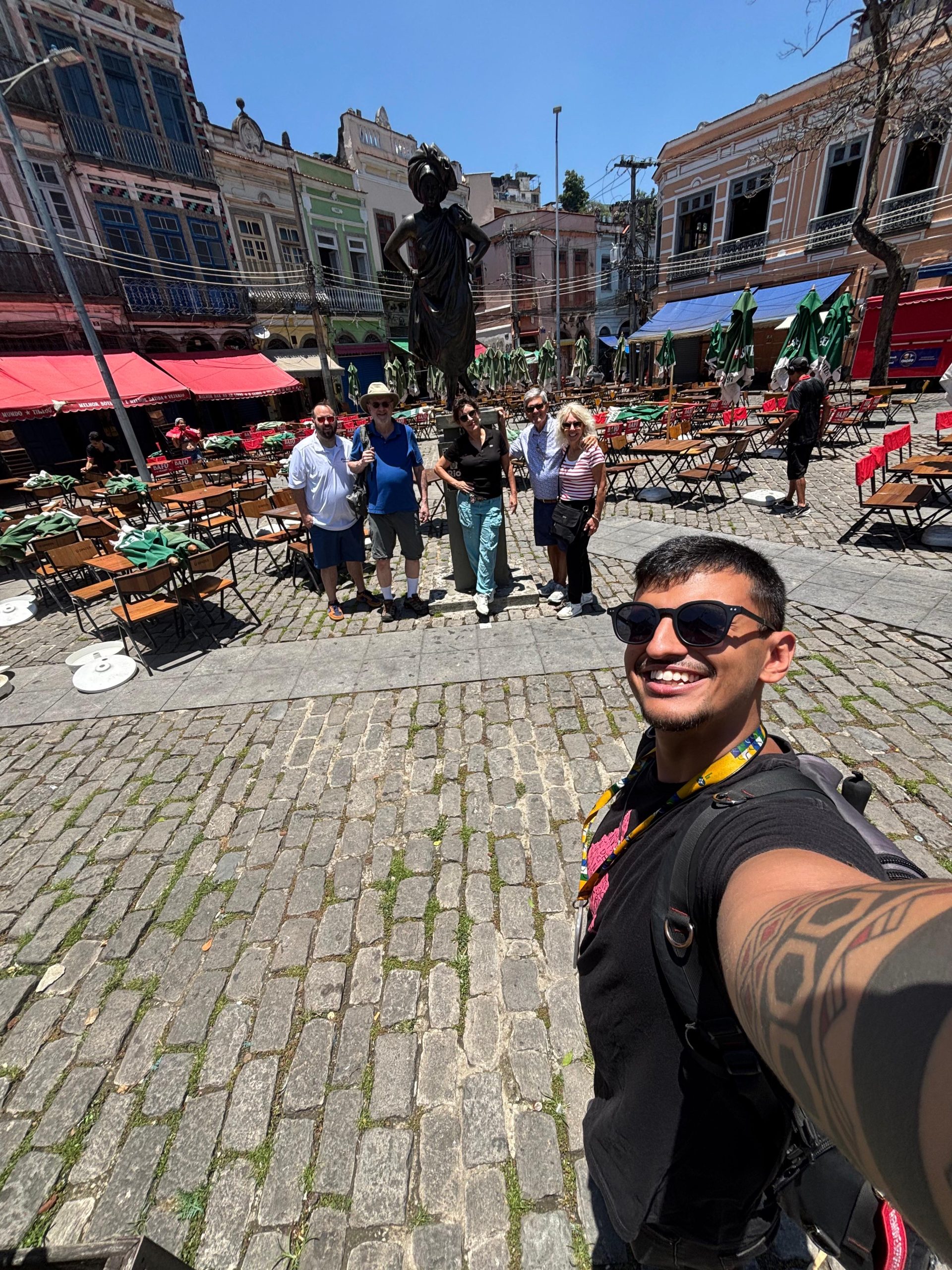
Day 3: choose depth over another checklist
This is the day to follow your strongest interest. Musicians may want a percussion or samba-focused encounter. Architecture and art travelers may prefer Santa Teresa, central Rio and the Theatro Municipal. Beach-focused travelers can slow the schedule and leave room for Ipanema, Leblon or a coastal walk.
Where you stay matters, too. The best base depends on whether the priority is beach time, nightlife, historic neighborhoods, music or easier transfers, so we treat the hotel location as part of the itinerary rather than an afterthought.
Days 4–6: Salvador
Day 4: fly north and reset
Take a morning or midday flight to Salvador. After arrival, do not force a full historic-center tour into the hottest part of the day. Check in, rest and begin with a gentle walk or a sunset near the Bay of All Saints.
Salvador rewards attention to the relationship between the Upper and Lower City, the Atlantic coast and the bay. Even a short orientation helps.
Day 5: Pelourinho, Black history and Bahian food
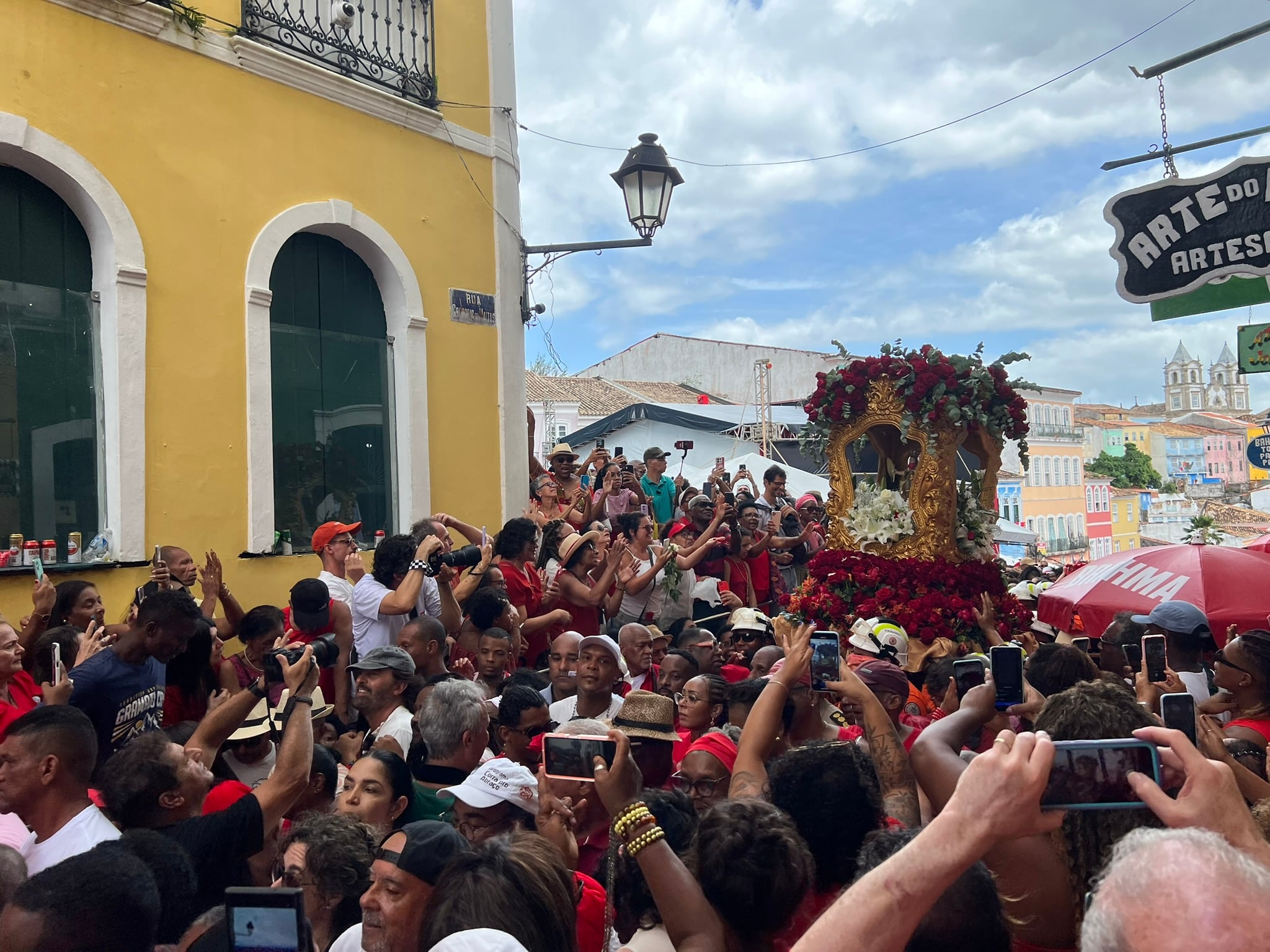
Spend the morning in the historic center with a guide who can discuss Salvador beyond architecture. Pelourinho is a UNESCO-listed setting, but it is also part of a living city where Afro-Brazilian culture, tourism, religion, commerce and daily life overlap.
Make time for a museum or cultural institution focused on Afro-Brazilian history, and let lunch carry part of the learning. Acarajé, moqueca and other Bahian dishes are not decorative additions to the itinerary; ingredients and cooking traditions carry histories of diaspora and adaptation.
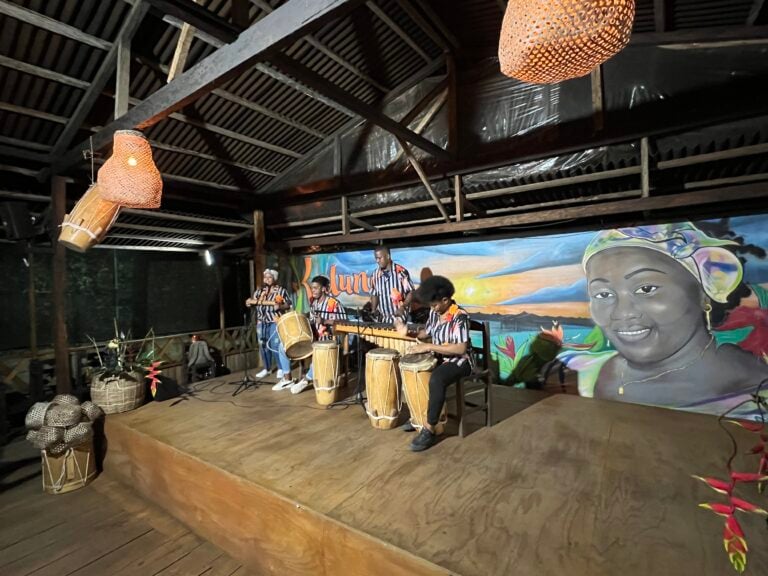
An evening performance may include samba-reggae, capoeira, axé or a staged folkloric presentation. When dates align, we also check current rehearsal and performance calendars for Olodum and other Afro-blocos rather than treating any one group as guaranteed programming. The right choice depends on whether you want a first overview or a deeper meeting with working musicians.
Day 6: choose a neighborhood, workshop or coastal pause
This day might move toward Rio Vermelho for food and contemporary nightlife, Liberdade for Afro-Bahian cultural context, or a musician-led percussion session. It could also include time by the water.
Salvador can be emotionally and sensorially dense. One strong encounter followed by unstructured time is often more valuable than three short visits.
Days 7–9: Recife and Olinda
Day 7: arrive in Pernambuco
Fly from Salvador to Recife, check in and begin with a light orientation. Recife’s rivers, bridges and Atlantic edge immediately set it apart from the previous cities.
Use the evening to rest or hear live music if a suitable program is available. Do not treat Recife merely as the airport for Olinda; it has its own history, creative life and food.
Day 8: Recife through frevo and maracatu
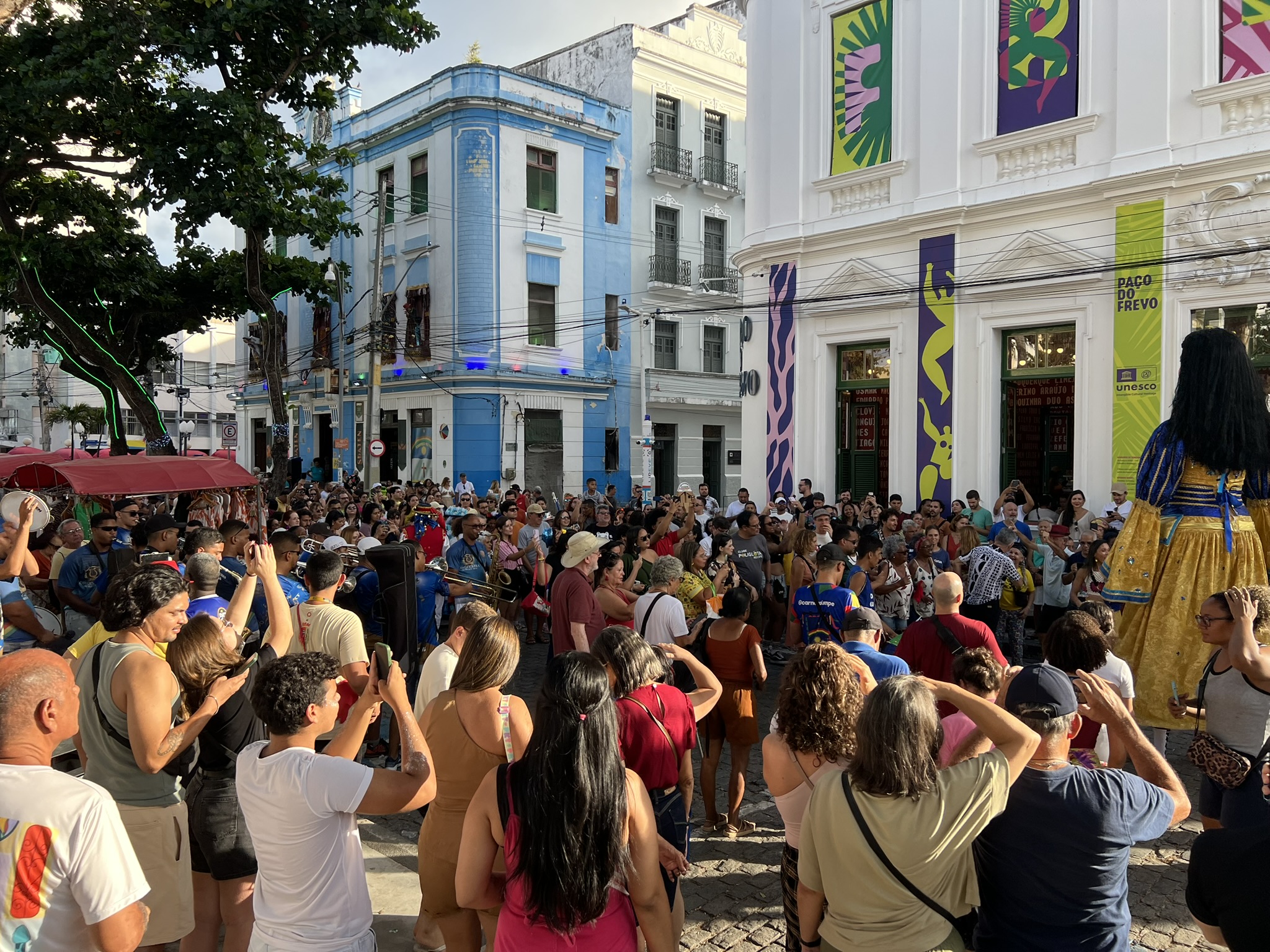
Visit the historic center and a cultural space that explains Pernambuco’s musical traditions. Paço do Frevo is a useful point of entry into frevo’s music and movement. Maracatu deserves separate context: its nations, percussion and ceremonial history cannot be reduced to a colorful Carnival image.
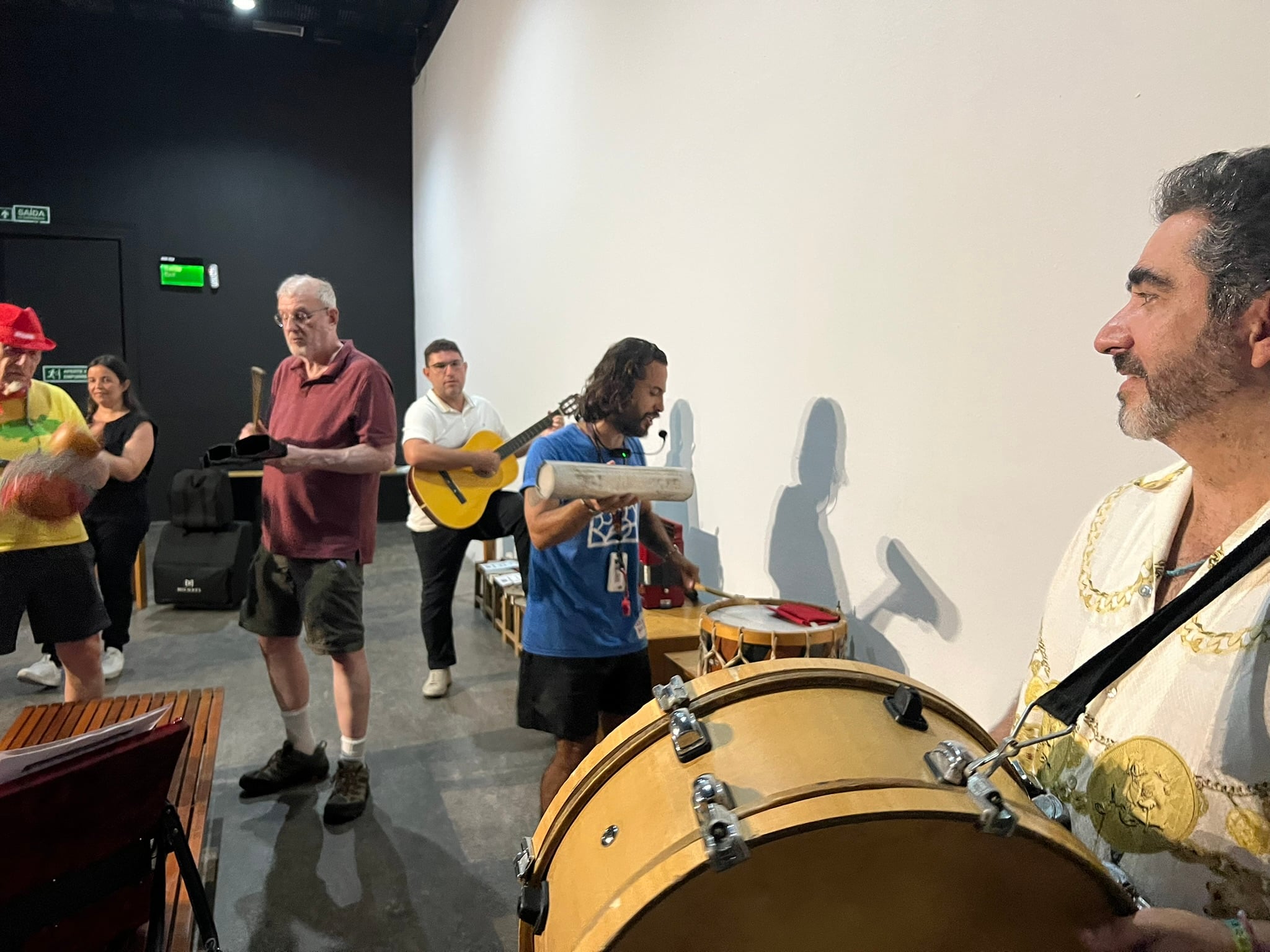
A hands-on rhythm or dance session can transform the rest of the trip. Once you have tried to feel the accents in your body, you listen differently.
Our article on Brazilian music genres is good preparation for the vocabulary you will meet.
Day 9: Olinda without rushing it
Spend a day in Olinda, whose hills, churches, studios and streets form a compact but layered historic center. Carnival imagery is visible throughout the city, including the famous giant puppets, but Olinda is rewarding beyond festival season.
Walk at a measured pace—the cobbles and inclines are real—meet artists or musicians when possible, and leave room for a long lunch. Return to Recife for a final evening or stay in Olinda if the trip style and flight logistics support it.
Day 10: depart, or admit that Brazil needs more time
If the international connection requires a return to Rio or São Paulo, build a comfortable buffer rather than placing separate tickets too close together. Brazil’s domestic operations and city traffic deserve respect.
Ten days will not make anyone an expert in Brazilian culture. It can, however, reveal how strongly region shapes rhythm. Rio, Salvador and Recife offer three connected but distinct ways of hearing the country, a theme we explore further in Rhythms of Africa in Brazil.
Let us shape the route around your interests
The best version of this itinerary changes with the traveler. A drummer may want workshops and rehearsal access. A couple may prefer more private meals and rest. A family may need a different pace and more hands-on cultural learning.
Tell us which sounds, stories and places are drawing you to Brazil. We can design a private Rio–Salvador–Recife journey with the logistics, local relationships and breathing room already considered. If you prefer to travel on a hosted departure, explore the Brazil Music & Cultural Tour.