 Skip to content

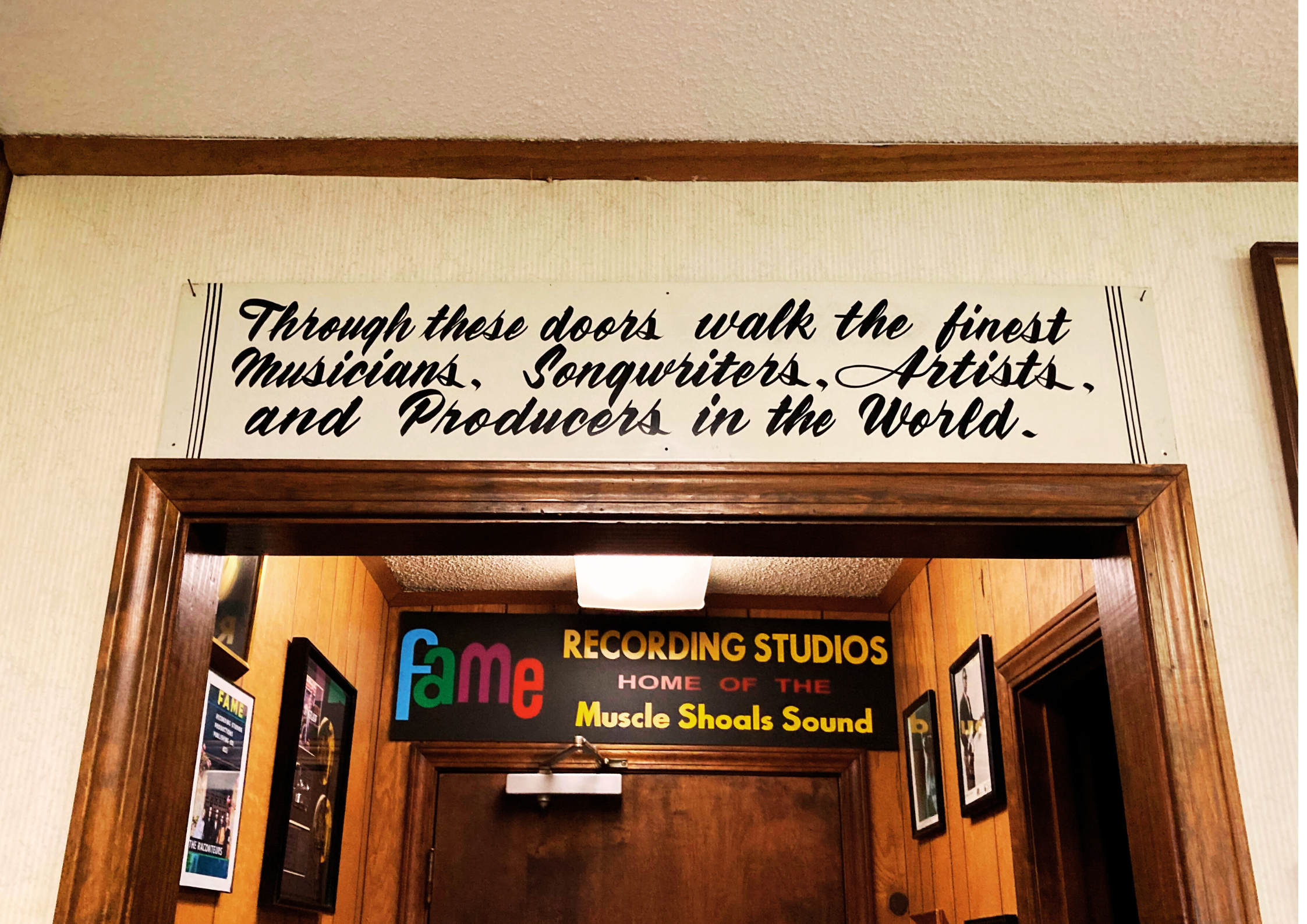
Muscle Shoals does not announce its musical history with bright lights or a crowded entertainment district. On our Sounds of the South route, that contrast is part of what makes the stop compelling. You arrive at modest recording buildings in northwest Alabama, then walk into rooms where the smallest decisions about rhythm, phrasing and space helped shape records heard around the world.
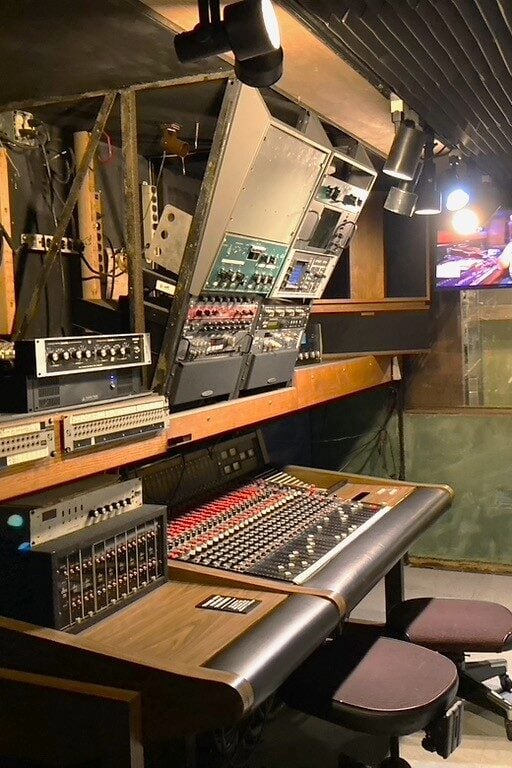
One turning point came in 1969, when four session musicians left FAME Recording Studios and established their own studio a few miles away, at 3614 Jackson Highway in Sheffield. David Hood, Roger Hawkins, Jimmy Johnson and Barry Beckett had already backed major soul artists. Now they would also run the business, book the sessions and own the studio. Their decision opens up a history of Muscle Shoals that is about far more than the famous singers who came to town.
The Shoals story is about the relationship between singers, songwriters, producers and rhythm-section musicians. It is also about geography. Small communities along the Tennessee River became an influential recording center, while the musical traditions and racial tensions of the Southern United States shaped what happened both inside and outside the studio.
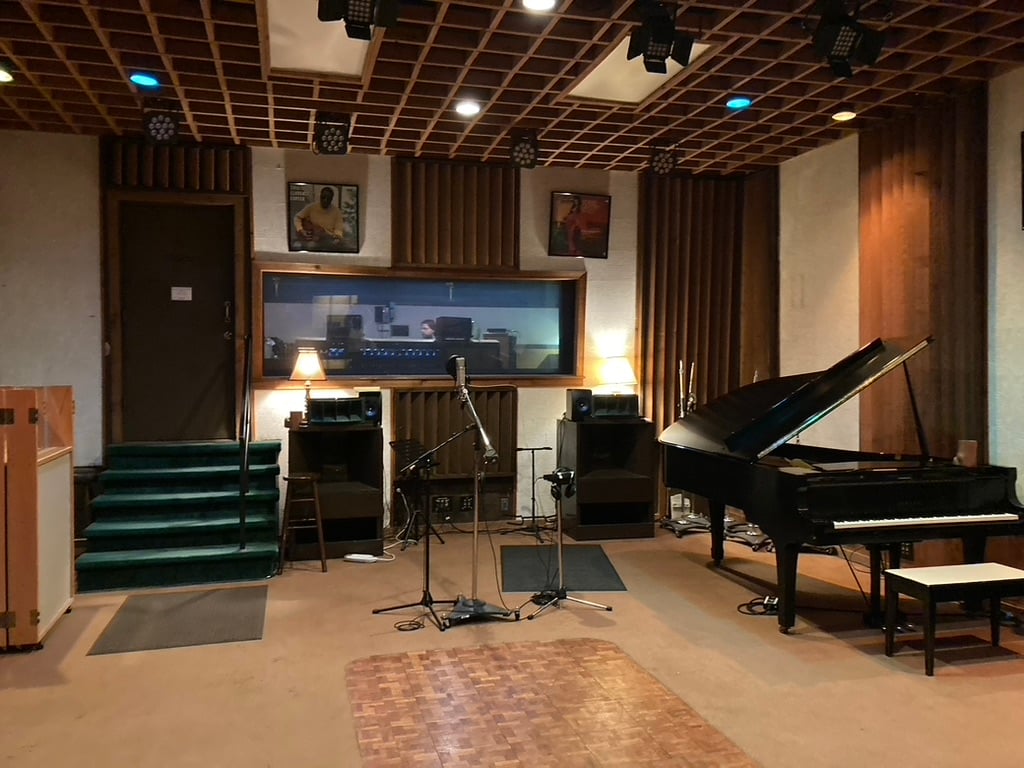
Why was so much important music recorded in Muscle Shoals?
Muscle Shoals is a city, but the name is also used for the wider Shoals region, including Florence, Sheffield and Tuscumbia. Recording landmarks associated with the area’s history are not all in one town. FAME is in Muscle Shoals, while the original Muscle Shoals Sound Studio is in Sheffield. Knowing that distinction helps travelers follow what happened and when.
FAME, short for Florence Alabama Music Enterprises, was founded in Florence in 1959 by Rick Hall, Billy Sherrill and Tom Stafford. Hall subsequently took the operation into Muscle Shoals. One early breakthrough was Arthur Alexander’s recording of You Better Move On. The song later reached new listeners when the Rolling Stones recorded a version. Jimmy Hughes’ Steal Away was an important hit after FAME moved to its long-standing Avalon Avenue site. The studio’s history is documented by FAME Recording Studios.
The musicians working here drew on gospel, rhythm and blues, country songwriting and other Southern traditions. Those styles cannot be reduced to one formula. Different singers arrived with different musical histories, and a good rhythm section had to respond rather than impose a house sound.
Aretha Franklin, Wilson Pickett and Etta James
Wilson Pickett recorded Mustang Sally and Land of 1,000 Dances at FAME. Listen to the way the instrumental parts create momentum without crowding his voice. The rhythmic intensity feels collective: guitar, bass and drums support the places where Pickett pushes his phrasing or turns a line into a call for a response.
Aretha Franklin’s January 1967 session at FAME produced I Never Loved a Man (The Way I Love You), one of the crucial recordings in her career. Franklin brought exceptional gospel training, piano knowledge and vocal authority to the room. The session ended amid conflict, and later recordings took place in New York. It is important not to attribute her entire Atlantic breakthrough to a single Alabama session or confuse that session with the New York recording of Respect.
Etta James recorded Tell Mama at FAME, with a composition written by Alabama musician Clarence Carter. Her vocal delivery and the directness of the instrumental arrangement produce something different from Franklin or Pickett. The common thread is not a template. It is a set of players making decisions around the particular singer in front of them.
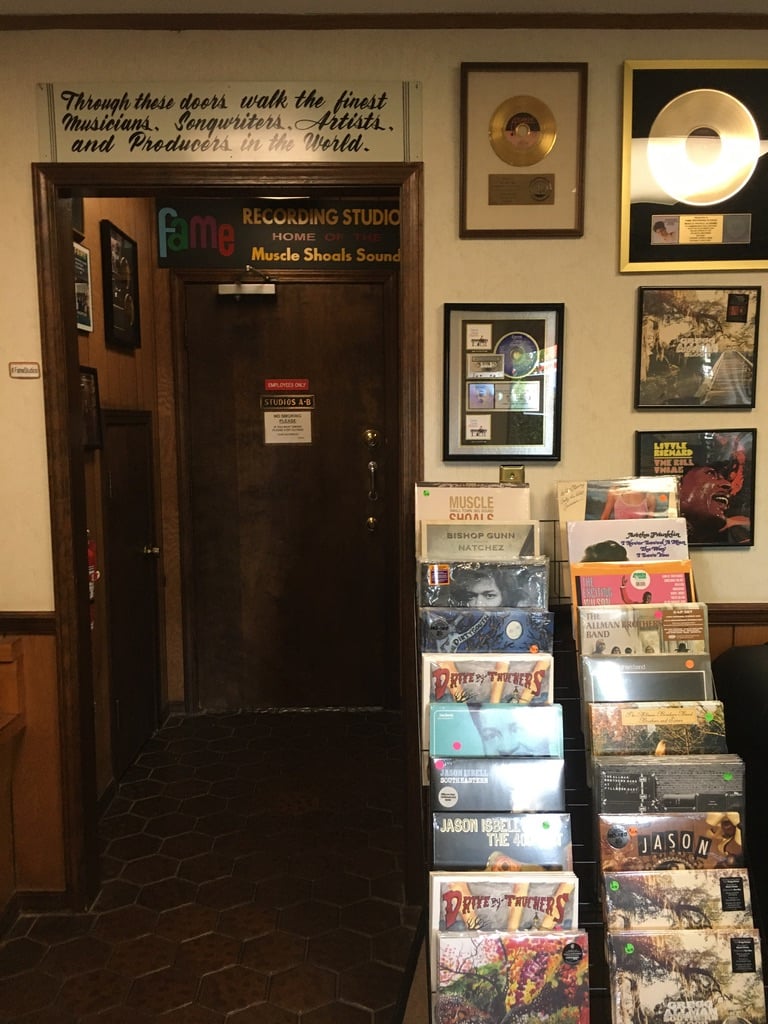
The Swampers build a studio of their own
David Hood played bass, Roger Hawkins drums, Jimmy Johnson guitar and Barry Beckett keyboards. Together they became known as the Muscle Shoals Rhythm Section, or the Swampers. When they left FAME in 1969, they took an unusual step for session musicians: they became equal partners in their own recording studio. The Encyclopedia of Alabama documents how the four musicians organized the company and obtained recording equipment with assistance from Atlantic executive Jerry Wexler.
The new business at 3614 Jackson Highway had to keep the lights on as well as make good records. They booked clients, purchased equipment, managed finances and developed recording relationships. Atlantic executive Jerry Wexler helped support the venture. The musicians’ own studio history recounts how they built the operation.
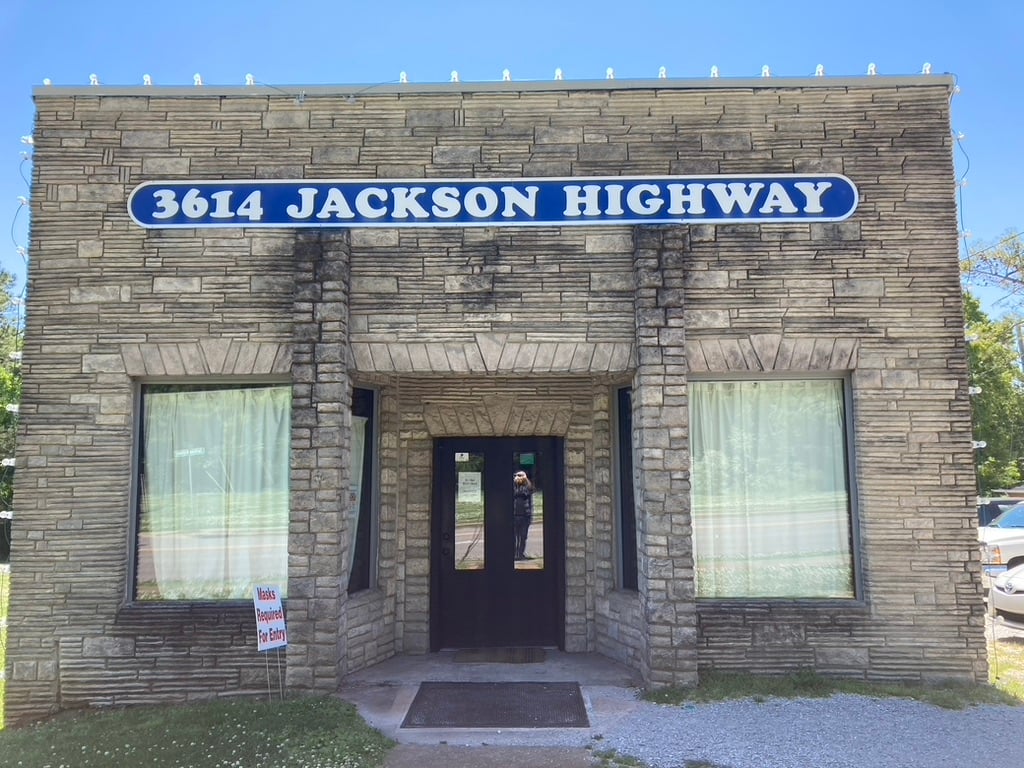
Cher was among the first artists to record there, releasing the album 3614 Jackson Highway. In December 1969 the Rolling Stones came to Sheffield and recorded Wild Horses, Brown Sugar and You Gotta Move, which later appeared on Sticky Fingers. These sessions were at Muscle Shoals Sound, not FAME. The distinction matters because it reveals the independence of the new studio and the continuity of the musicians’ work.
What does the Muscle Shoals groove actually sound like?
In Musical Getaways’ Sounds of the South article, musician and host Chaz Chambers reflects on how geography shapes groove. That is a useful way to hear these recordings. The bass may leave a note hanging a fraction longer, the drummer may settle behind a vocal line, or the guitar may answer a singer instead of filling every space.
Musicians often call this relationship the pocket. It is not a mysterious ingredient hidden in the walls. It is the result of listening, restraint, timing and shared musical judgment. Compare Pickett’s forceful delivery with Franklin’s phrasing and the Rolling Stones’ approach. The rhythmic choices shift because the song and the singer demand something different.
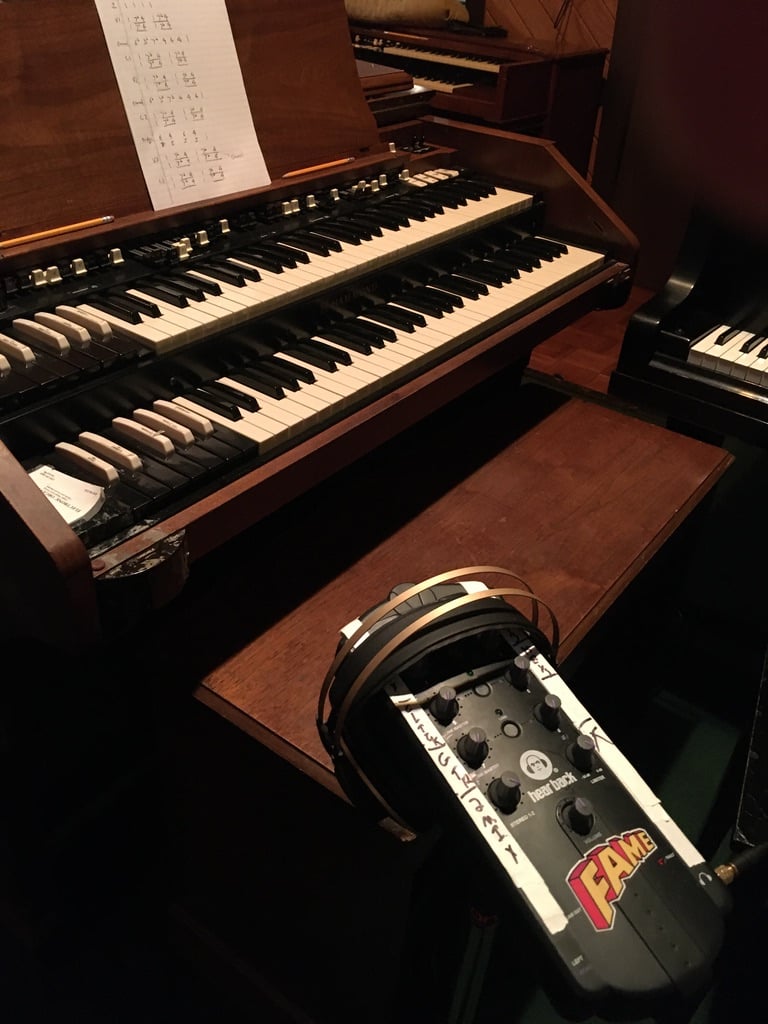
Chaz’s approach to the region begins with listening to the rhythm section rather than treating studios as places to collect famous names. A drummer’s perspective makes the conversation about sound tangible: what the player chooses to accent, when a fill is held back, and how the band makes room for a singer.
In his published reflections on Sounds of the South, Chaz describes how unassuming the Shoals’ studio buildings look from outside. For a musician, their significance lies less in the buildings themselves than in the recordings made by people listening and responding to one another. The rooms give physical scale to that collaboration.
Here is a useful listening exercise before a visit: play Wilson Pickett’s Mustang Sally and notice how the rhythm section drives the song without getting in the way of his voice. Then listen to Aretha Franklin’s I Never Loved a Man (The Way I Love You), paying attention to the space around her piano and vocal phrasing. These records do not share a single formula. A drummer-led conversation can help travelers hear the different decisions behind each performance, whether or not they play an instrument.
Music history and the realities of the American South
The collaborations in Muscle Shoals brought Black artists and white studio musicians together amid segregation and racial inequality in Alabama. The cooperation was significant, but the recording rooms did not erase the conditions outside them. Black singers, songwriters and communities were central to the musical traditions that informed these recordings. Their authorship and artistry should never disappear behind the story of a famous backing band.
The producers, musicians and studios deserve recognition for their contributions, but so do the distinct musical histories carried by Franklin, Pickett, James, Jimmy Hughes and Clarence Carter. The most revealing account of Muscle Shoals makes space for collaboration without flattening unequal power or reducing complex artists to anecdotes about the studios.
How to visit FAME and Muscle Shoals Sound Studio
For travelers, the two studios reveal different chapters of the same story. FAME provides a window into Rick Hall’s work with major soul artists, while the restored original Muscle Shoals Sound Studio highlights the session musicians’ independent venture. Both offer public tours, but recording commitments and visitor arrangements can change. Check the FAME and Muscle Shoals Sound Studio websites when making plans.
Elsewhere in the region, Florence’s W. C. Handy Birthplace, Museum and Library and the Alabama Music Hall of Fame in Tuscumbia expand the story beyond two famous rooms. For a route connecting Memphis and Nashville, it is worth spending a night in the Shoals area rather than squeezing both studio visits into a long driving day. That allows time for the separate communities of Muscle Shoals, Sheffield, Florence and Tuscumbia—and some flexibility if studio recording schedules affect visitor access.
Four recordings to hear before you go
Start with Arthur Alexander’s You Better Move On, then try Wilson Pickett’s Mustang Sally, Aretha Franklin’s I Never Loved a Man (The Way I Love You) and the Rolling Stones’ Wild Horses. These are different sessions, artists and musical problems for the musicians to solve. Listen to the space around the vocals, the conversation between bass and drums, and what each guitarist chooses not to play.
Why the Shoals belong on a music journey through the South
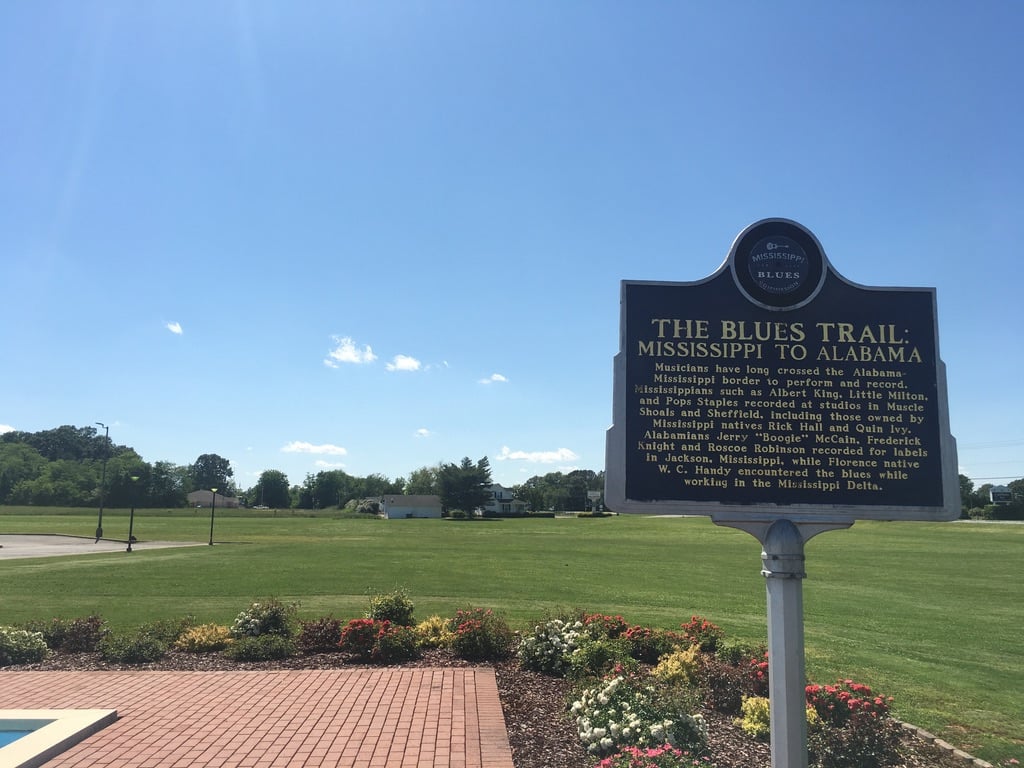
Muscle Shoals connects naturally with Memphis, the Mississippi Delta and Nashville. It tells a story about musicians and songs moving between towns, labels and studios, while retaining local creative networks. A traveler who understands the difference between FAME and 3614 Jackson Highway hears the history with greater precision.
Our October 2026 private Sounds of the South itinerary placed a visit to FAME between music-history stops in Memphis, Oxford and Tupelo and a continuation toward Chattanooga and Nashville. The route was designed for Chaz to connect the recordings through conversation and curated listening on the road. It is a practical example of why Muscle Shoals works as part of a wider Southern music journey rather than an isolated studio stop.
Our Sounds of the South program connects Muscle Shoals with the other cities and communities that shaped blues, soul, country, rock and jazz. We also design private versions around the records and artists that matter most to a traveler. The value of visiting these studios is not simply being able to say who recorded there. It is leaving with a sharper ear for what the singers, rhythm sections and producers made together.