 Skip to content
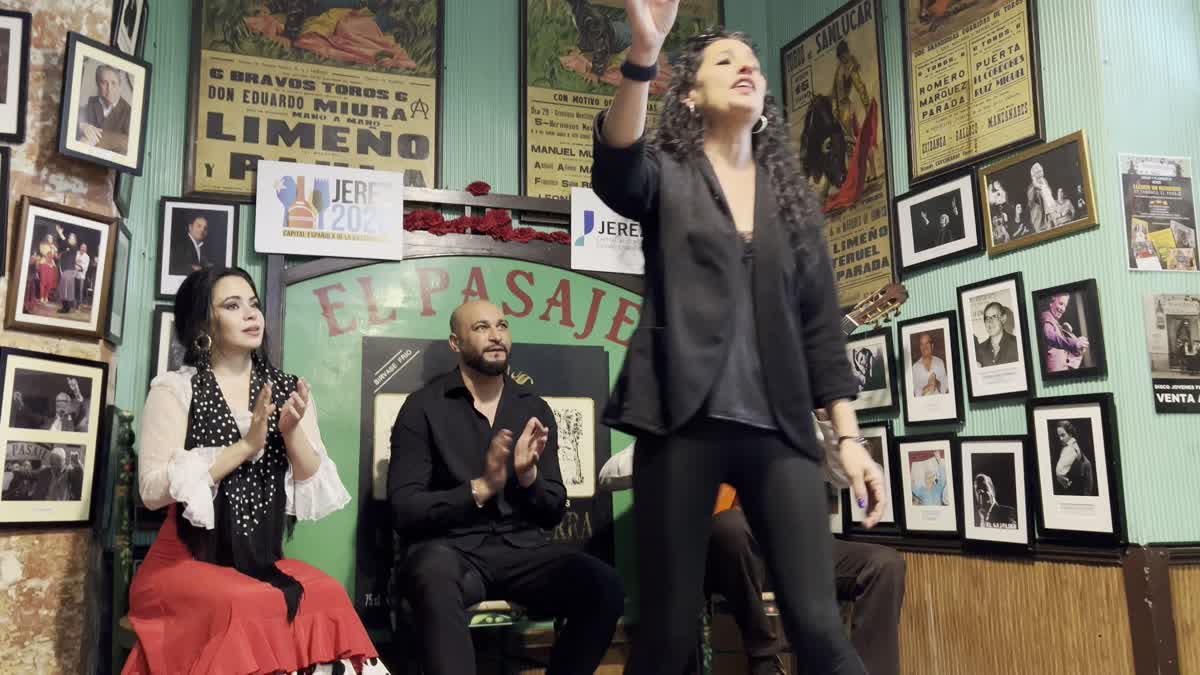
You do not need to know how to dance flamenco to plan a rewarding visit to Jerez. A little context, however, changes what you notice: the relationship between a singer and guitarist, the way handclaps hold a rhythm together, and the decisions a dancer makes within it. The most useful starting point is to leave room for both performances and the places that help you understand them.
This guide is for travelers planning a first visit to Festival de Jerez or simply wanting to understand flamenco in the city where it is part of everyday cultural life. It covers festival timing, how to listen to a performance, the differences between festival theaters and smaller flamenco spaces, where to stay, and how to combine evening performances with a thoughtful few days in Jerez.
When is Festival de Jerez 2027?
The official Festival de Jerez website lists the 31st edition for February 19–March 6, 2027. The festival brings a concentrated program of performance and learning to Jerez, with flamenco dance and Spanish dance at its center. Those are the festival dates; any organized trip may cover only part of that period.
Check the year attached to each program, artist announcement and ticket page. Festival websites also preserve material from previous editions, so a familiar name or an attractive performance photograph does not establish that an artist is appearing in 2027. Choose your travel dates around confirmed performances and allow enough time after arrival to settle in.
Why explore flamenco in Jerez?
Jerez offers a way to connect music with neighborhood history. Its official tourism office highlights Santiago and San Miguel, generations of singing families, and the city’s close association with bulería. A guided walk can give names and context to the music you hear later, rather than turning the neighborhoods into a list of photo stops.
Ask a local specialist whose work you should listen to, how artists’ stories connect to particular streets, and where public performances are happening during your stay. These are living neighborhoods. A walk through them is not a promise of spontaneous music or an invitation into private spaces; the value comes from respectful attention and informed interpretation.
A simple listening guide for your first performance
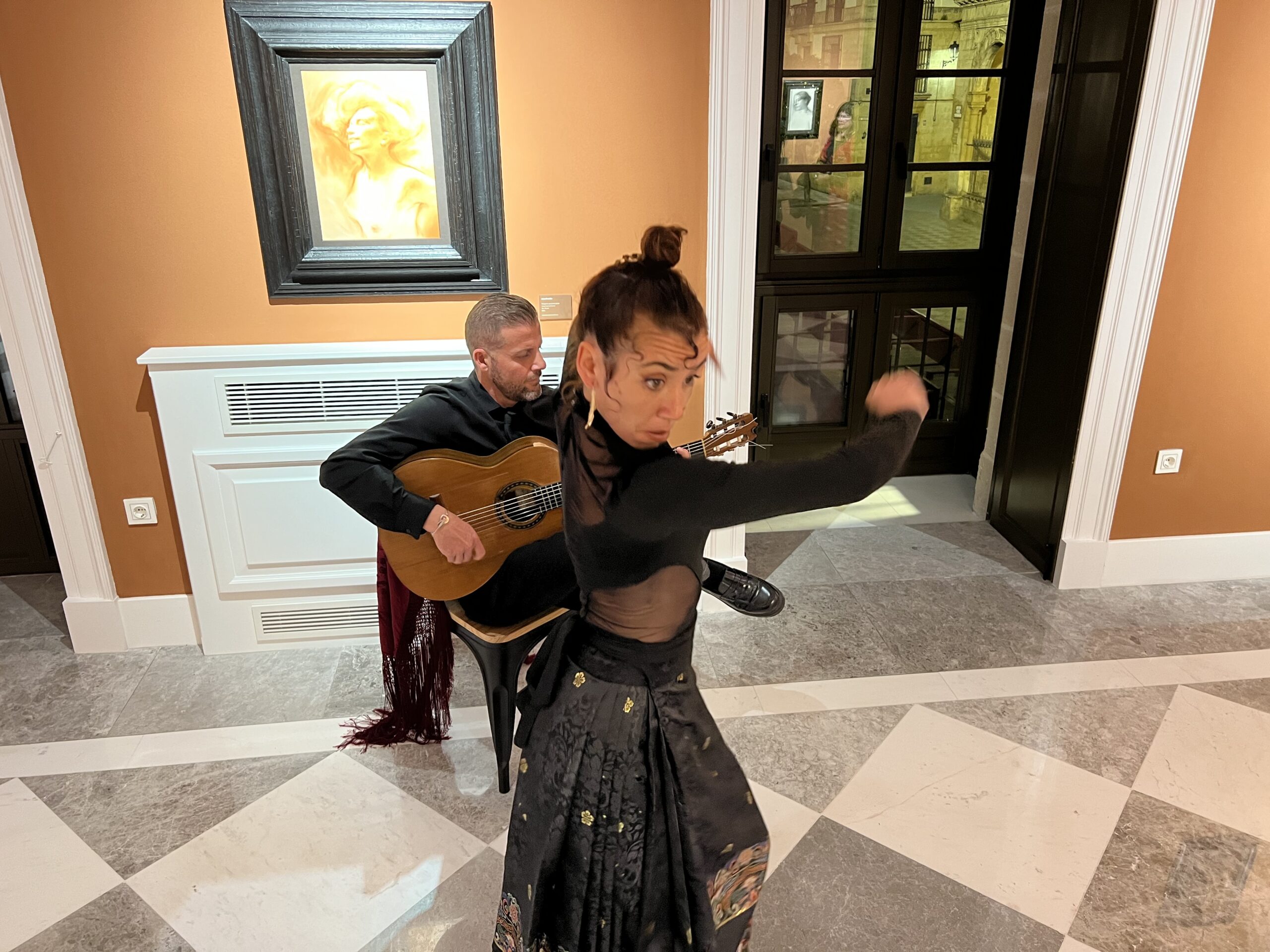
Begin with three elements: cante, the singing; toque, the guitar playing; and baile, the dance. A performance may emphasize one or bring them together. You do not need to identify every style to notice when the guitar responds to a vocal phrase or when footwork becomes part of the musical conversation.
Two more words are useful: compás, the rhythmic framework, and palmas, rhythmic handclapping. An introductory session can help you feel how accents and repetition support a performance. At a public show, listen before joining in: clapping along without understanding the rhythm can interrupt the musicians. Save questions and practice for a workshop or an appropriate conversation afterward.
Try listening to one element for a few minutes, then shift your attention. Follow the voice first, the guitar next, and then the interaction between them. This is a listening exercise, not a test. Understanding a little more each evening can be one of the pleasures of staying several nights.
Festival performance, tablao, tabanco or peña?
These terms describe different settings, so they are worth distinguishing when you plan. A festival performance belongs to an organized program with its own ticketing and venue arrangements. A tablao is a venue associated with staged flamenco. A peña is a flamenco association or club; check whether a particular event welcomes visitors and how admission works.
A tabanco is a traditional Jerez wine tavern. Some host flamenco, but a tabanco visit and a reserved performance are not automatically the same experience. Ask about the music schedule, seating, sightlines, food and any minimum purchase. A small room can feel intimate while still being busy or offering limited seating.
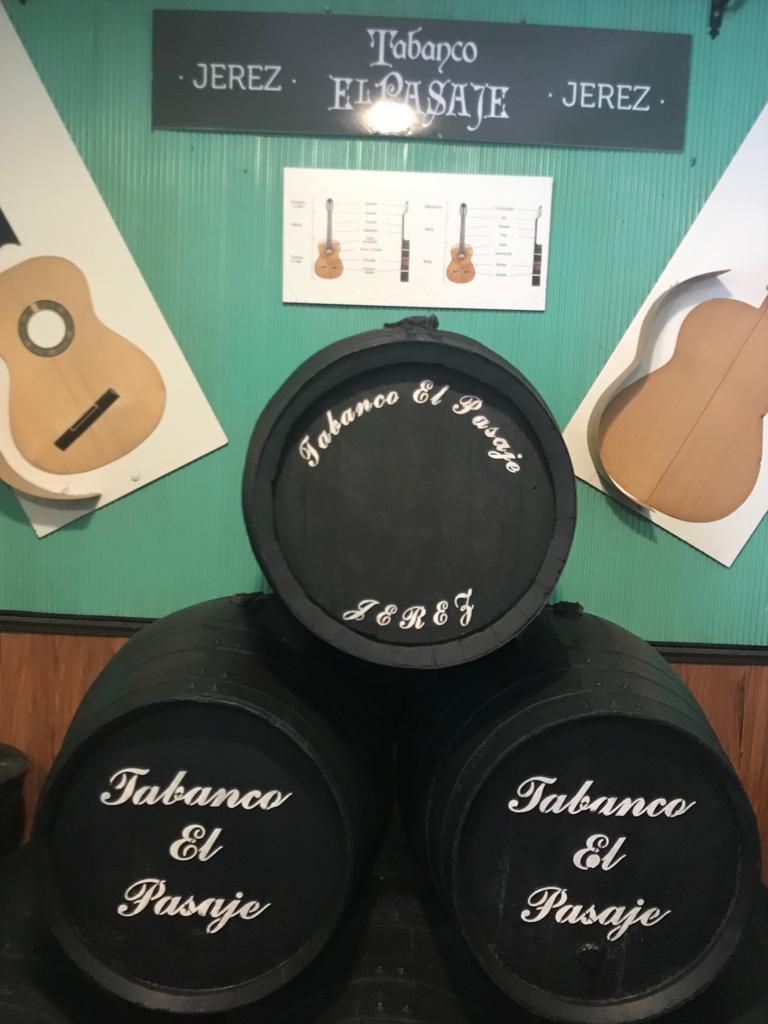
Jerez’s tabancos add a different scale to the festival experience. Places such as Tabanco El Pasaje can combine sherry culture with close-range flamenco, while dedicated venues and peñas may offer another window into the city’s musical life. Programs change, especially during festival season, so check the current schedule rather than assuming a particular artist or format will be available.
What to do in Jerez between performances
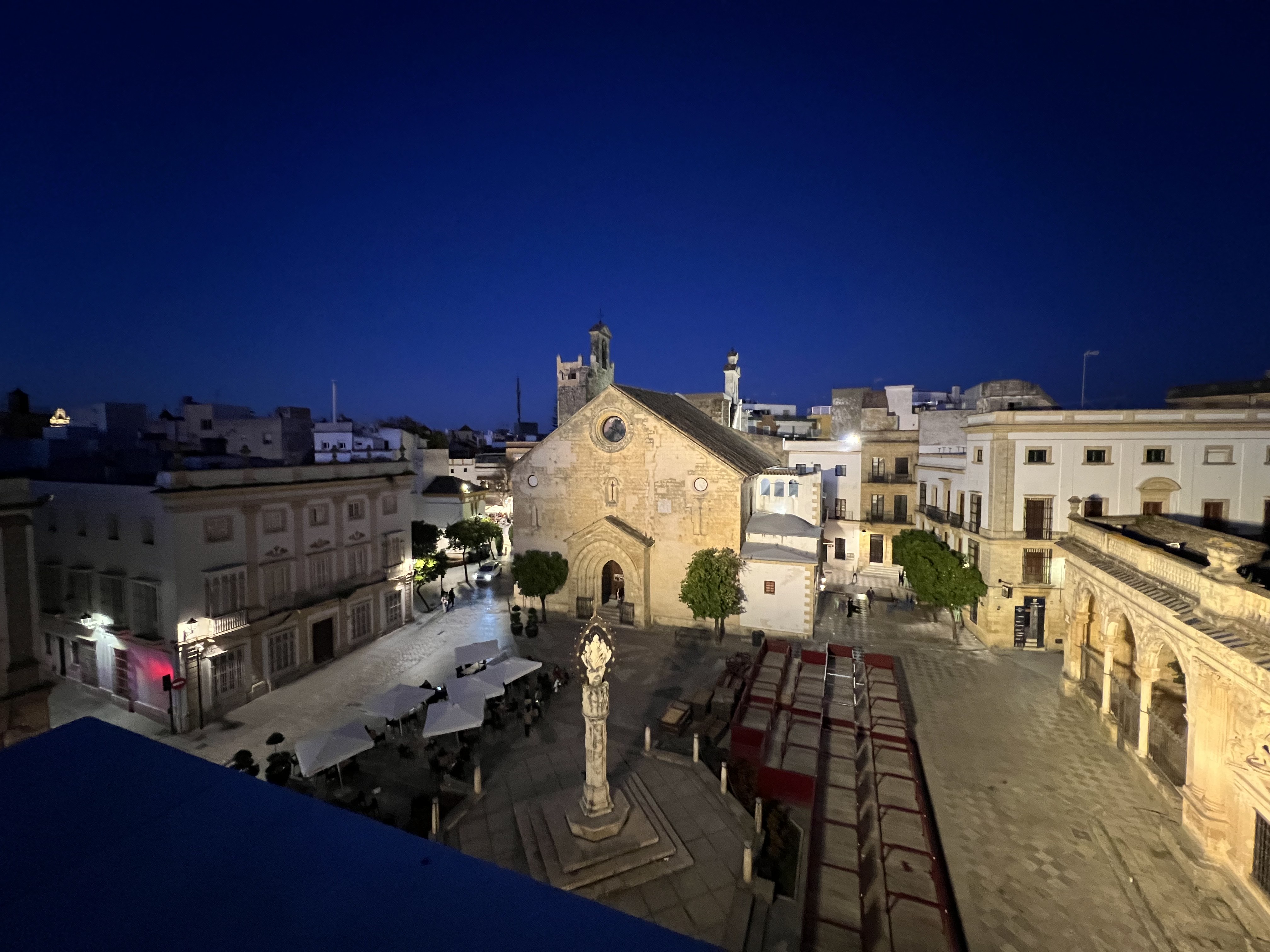
Build your daytime plans around the evening you want to enjoy. A neighborhood walk, one substantial cultural visit and a relaxed meal often make a more satisfying day than an early start followed by continuous sightseeing. Keep an afternoon break, especially when your selected performance finishes late.
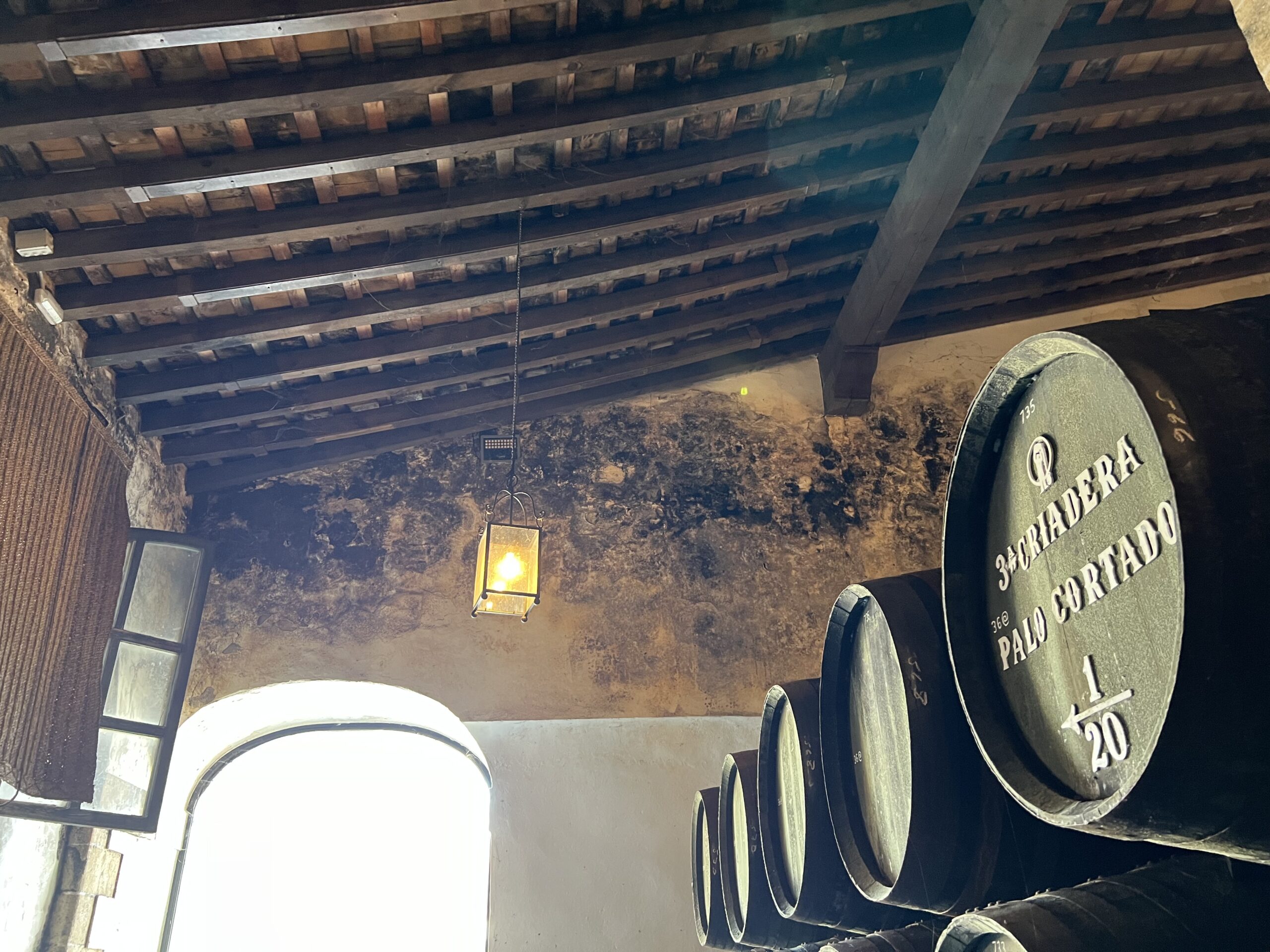
Between performances, Jerez offers more than another round of sightseeing. A visit to a historic bodega, time in the Santiago or San Miguel neighborhoods, and a smaller flamenco encounter can help connect what happens on stage with the city’s food, social spaces and musical traditions. If you book a workshop or private experience, check whether it is a demonstration, a conversation with artists, a participatory session, a meal or a performance so you know what to expect.
For a broader journey through the region, explore our Spain music travel ideas. For a short festival stay, our recommendation is to prioritize time in Jerez over adding a new city every day.
Is a San Fernando excursion worth adding?
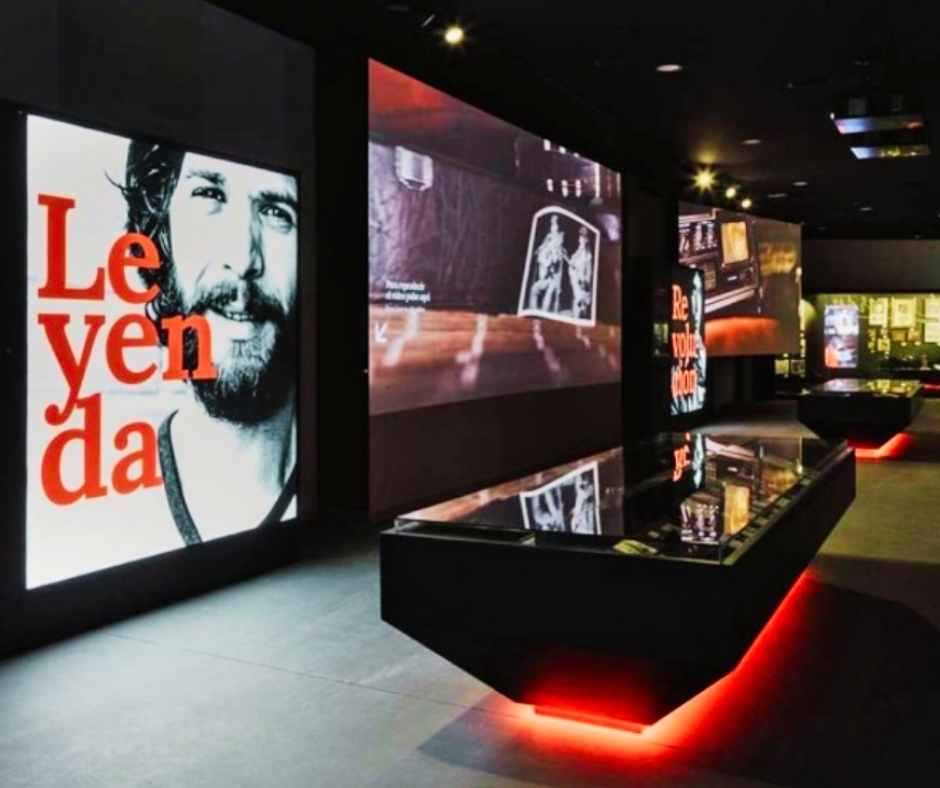
If Camarón de la Isla’s story interests you, San Fernando adds a focused musical reason to leave Jerez for part of a day. The Camarón de la Isla Interpretation Centre explores the singer’s life, career and connection to the city. A day trip is enough to add this context without changing hotels.
For a short festival trip, one regional excursion is usually enough. Late performances make over-scheduling especially tiring, so it is better to give Jerez several unhurried days than to change cities constantly. Cádiz can work well as an extension before or after the festival if you have more time.
Where to stay and how many nights to allow
For most first-time visitors, four nights in Jerez is a useful minimum during the festival. That gives you several evenings for performances, enough daytime for neighborhoods and cultural visits, and some breathing room between late nights. Choose the performances you most want to see first, then build the rest of the trip around them.
Stay as centrally as your budget and mobility needs allow, but check the actual walking route to the venues you plan to attend. Historic buildings can have stairs, limited lifts or smaller rooms, and late-night transportation may matter more than a hotel’s star rating. Confirm breakfast, bed configuration and accessibility details before booking.
Questions to ask before booking a flamenco trip
Ask which performance tickets are included, whether seats are reserved, how much walking is expected, and who will interpret the music and cultural visits. Clarify the difference between an introductory artist encounter and a formal dance course. Travelers with limited mobility should request venue-specific information rather than rely on a general activity rating.
If you are joining an organized trip, confirm the hotel, included meals, transfer windows, activity level and free time in writing. Travelers arriving through Seville should also establish how they will continue to Jerez. Do not purchase nonrefundable transportation until your dates and arrival instructions are confirmed.
Planning a Festival de Jerez Trip
Festival de Jerez works especially well as a focused stay rather than a rushed stop on a larger Spain itinerary. Leave room for late performances, slower mornings and the smaller experiences that help explain what you are hearing: neighborhoods, local food, sherry culture, conversation with artists and the history behind different flamenco traditions.
If Jerez is part of a wider flamenco trip, explore our current private Andalusian Flamenco Tour or contact Musical Getaways to discuss the dates, performances and pace that fit your trip.