 Skip to content

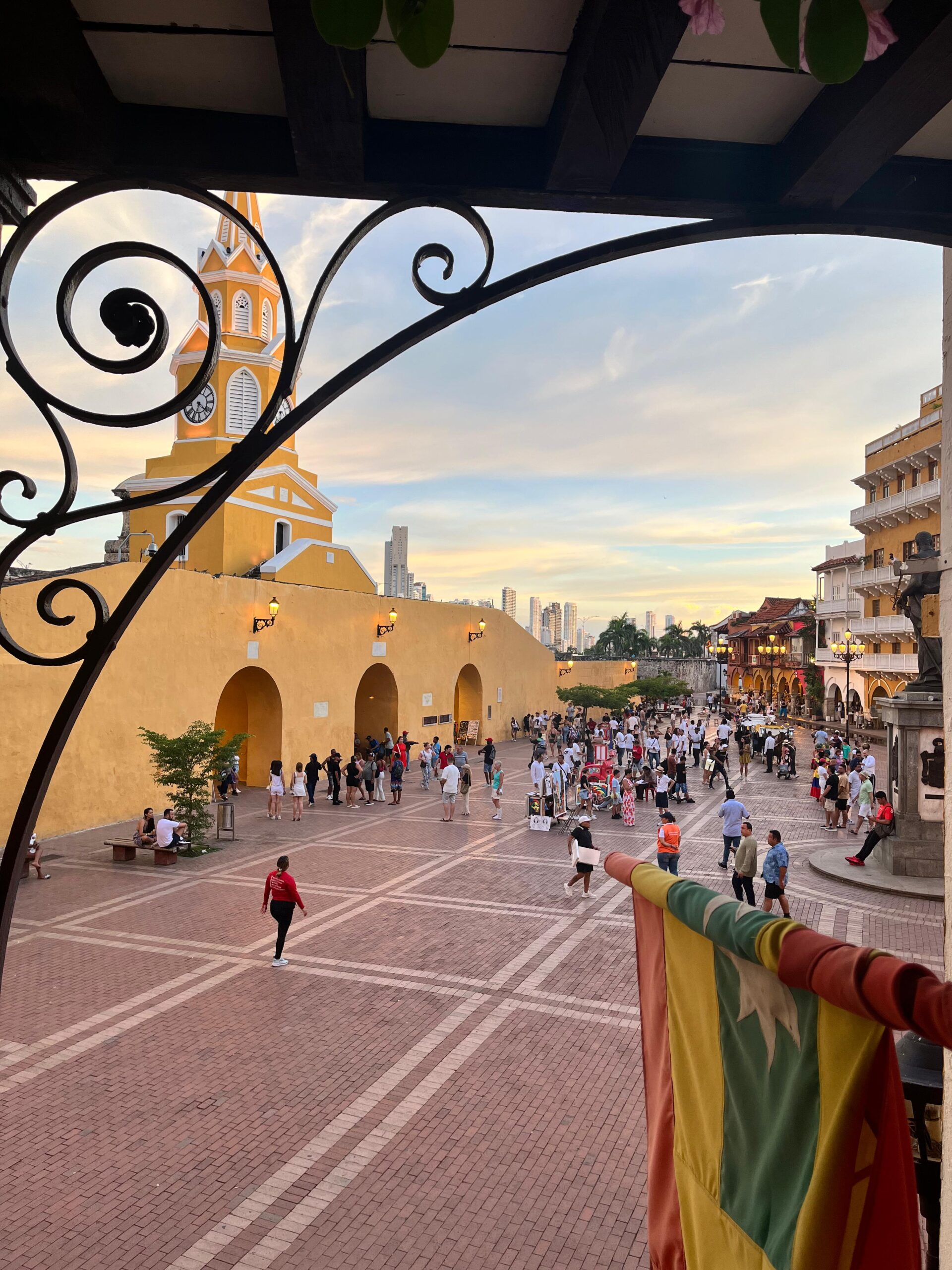
The best time to visit Cartagena depends on what you want from the city.
If you want the lowest chance of rain, the dry season is the obvious answer. If you care more about fewer visitors, better hotel choice or a particular cultural event, a shoulder or rainy-season trip may be more rewarding. Cartagena stays warm throughout the year; what changes most is rain, wind, humidity, crowd pressure and the rhythm of the cultural calendar.
For a private journey, we do not treat the weather chart as the whole decision. A couple planning late dinners and music has different priorities from a family hoping to spend several days on the islands. Here is how we think about the year.
December through April: drier weather and higher demand
Cartagena’s broadly drier period runs from December into April. These months are popular because outdoor plans are easier to protect: architectural walks, rooftop evenings, day trips and beach time are less likely to be interrupted by a downpour.
The tradeoff is demand. Christmas and New Year, the first weeks of January, and holiday periods such as Semana Santa can bring fuller hotels, busy restaurants and more movement through the historic center. The city is still enjoyable, but advance planning matters.
January through March can also be breezy. The wind may make the heat feel more manageable while walking, but it can affect small-boat comfort and island conditions. Anyone building a trip around Barú or the Rosario Islands should think about the sea forecast, not only the chance of rain.
Choose this period if predictable outdoor time matters more than having the city at its quietest.
May through August: warmer, greener and easier to pace
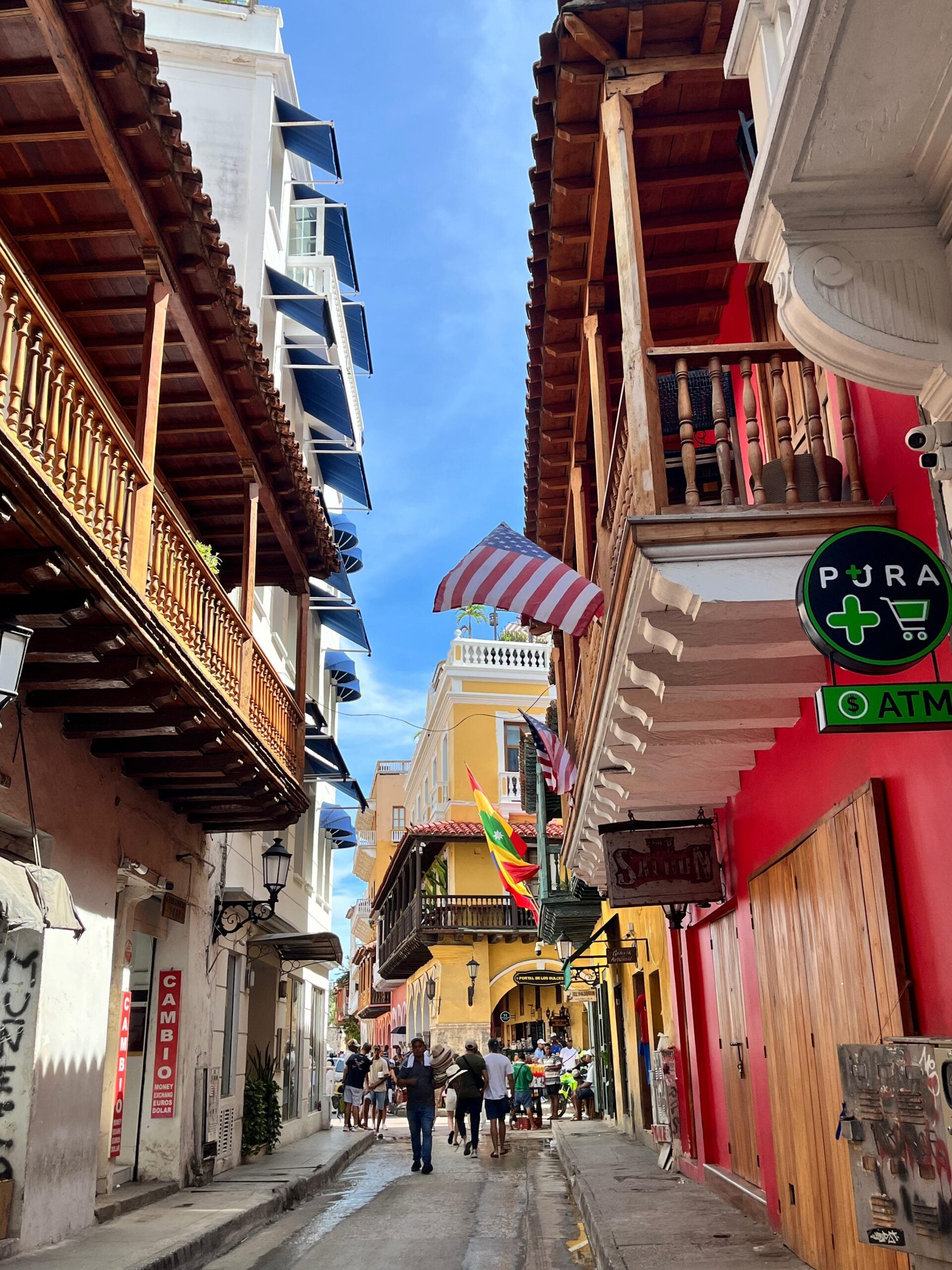
May usually marks the return of more regular rain, but that does not automatically mean days of continuous bad weather. Tropical showers can be intense and relatively short. A well-built itinerary uses the morning for walking and open-air experiences, protects a slower middle of the day, and keeps an indoor or flexible option available later.
June through August can work well for travelers who dislike peak-season pressure. The humidity is real, so this is not the moment to schedule three long walking tours back to back. But a thoughtful pace can make the season appealing: an early market visit, lunch and rest, then music after sunset.
This is also a useful period for travelers combining Cartagena with other parts of Colombia. The goal is not to “beat” the weather. It is to build days that respect it.
Choose these months if you value breathing room and are comfortable planning around short periods of rain.
September through November: the rainiest stretch, with important cultural energy
September and October are generally the months when weather flexibility matters most, and October is commonly identified as Cartagena’s wettest month. Travelers who need guaranteed beach days or tightly timed boat excursions may prefer another period.
November is more complicated—and more interesting. Rain can still be part of the picture, while Cartagena’s Independence celebrations bring parades, music, dance and public energy into the city. The official Cartagena cultural calendar changes each year, so exact dates and formats should be checked before booking.
This is not a quiet, polished version of Cartagena. It can be crowded, loud and logistically demanding. For the right traveler, however, the city’s living culture is the reason to be there. We would build in extra transfer time, protect rest, and avoid pretending that a festival week operates like an ordinary weekend.
Choose November if cultural participation matters more than calm streets and a perfectly predictable schedule.
Cartagena’s event calendar can change the answer
Weather is only one layer. Cartagena hosts major cultural, literary, music, film, religious and culinary events across the year. The official 2026 city calendar includes the Cartagena Music Festival and Hay Festival early in the year, the International Film Festival in spring, and Independence celebrations in November, among other events.
The calendar is valuable, but it should not be copied blindly from one year to the next. Festival dates, venues and public programming can shift. Before we anchor a journey to an event, we verify the current schedule and decide whether the event improves the trip or simply makes logistics more expensive.
A traveler who loves chamber music may welcome a January festival atmosphere. A couple seeking quiet courtyards may not. The same week can be perfect for one person and frustrating for another.
The best season by travel style
For first-time visitors
January through March offers the clearest odds for easy outdoor exploration, provided you are comfortable with higher demand and plan ahead.
For couples and celebrations
Late April, May or early December can offer a useful middle ground, depending on the year: fewer peak-season pressures, more room to personalize the hotel and dinner plan, and enough flexibility for private experiences.
For island and beach time
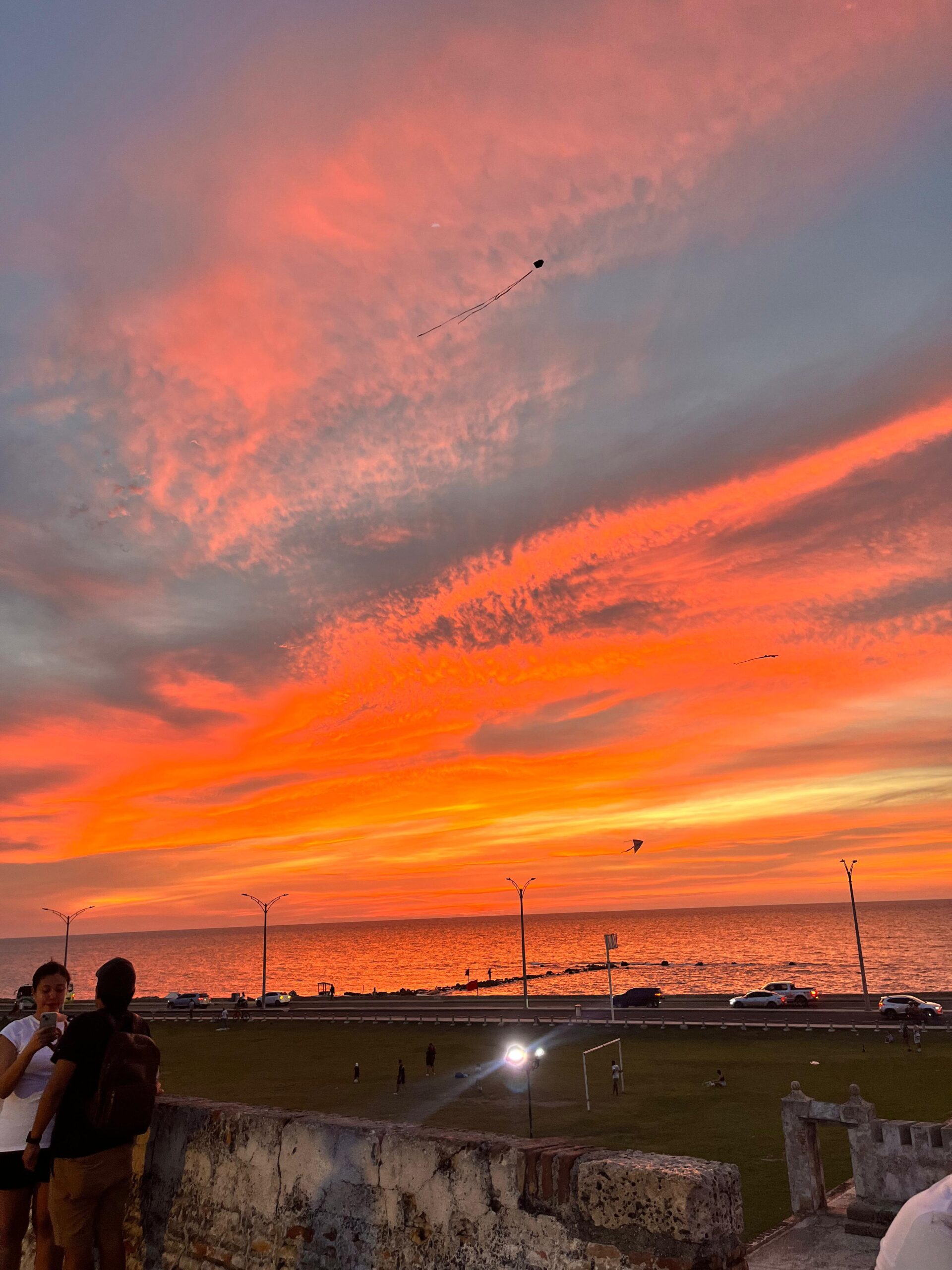
Prioritize the marine forecast and transfer plan as much as the rainfall average. A dry, windy day can still produce a rougher crossing. Keep island plans flexible and do not schedule them immediately before an international departure.
For music and cultural events
Choose the event first, then build the trip around its actual rhythm. Allow recovery time after late nights and leave room for changes in lineups, start times and street access.
For fewer crowds
May, June and parts of September may feel less pressured than the main holiday periods. In exchange, accept heat, humidity and rain as part of the design.
What to pack in any season
Cartagena is hot and humid year-round. Lightweight breathable clothing, comfortable shoes for uneven streets, sun protection and a refillable water bottle are basic. During wetter months, add a compact rain layer and shoes that can recover from a sudden shower.
It is also worth planning for temperature contrast. Restaurants, galleries and vehicles can feel heavily air-conditioned after the heat outside. A light layer is surprisingly useful.
Most importantly, protect the pace of the day. Early walks and later evenings often feel better than trying to force the city into a noon-to-six sightseeing schedule.
Our answer: choose the experience, then choose the month
Cartagena can work throughout the year. The “best” time is the period that supports your version of the city—dry-season architecture and islands, a quieter shoulder-season escape, or a culturally intense festival week.
Our private Cartagena journeys are built around those priorities. We can combine historic Cartagena, Afro-Caribbean music, local food, Palenque and coastal time while keeping the schedule realistic for the season.
Tell us what you want to hear, see and celebrate, and we will help choose the part of the year—and the pace—that fits.
Once you have chosen your travel window, explore our Cartagena boutique hotel guide and stories of Cartagena and San Basilio de Palenque.