 Skip to content
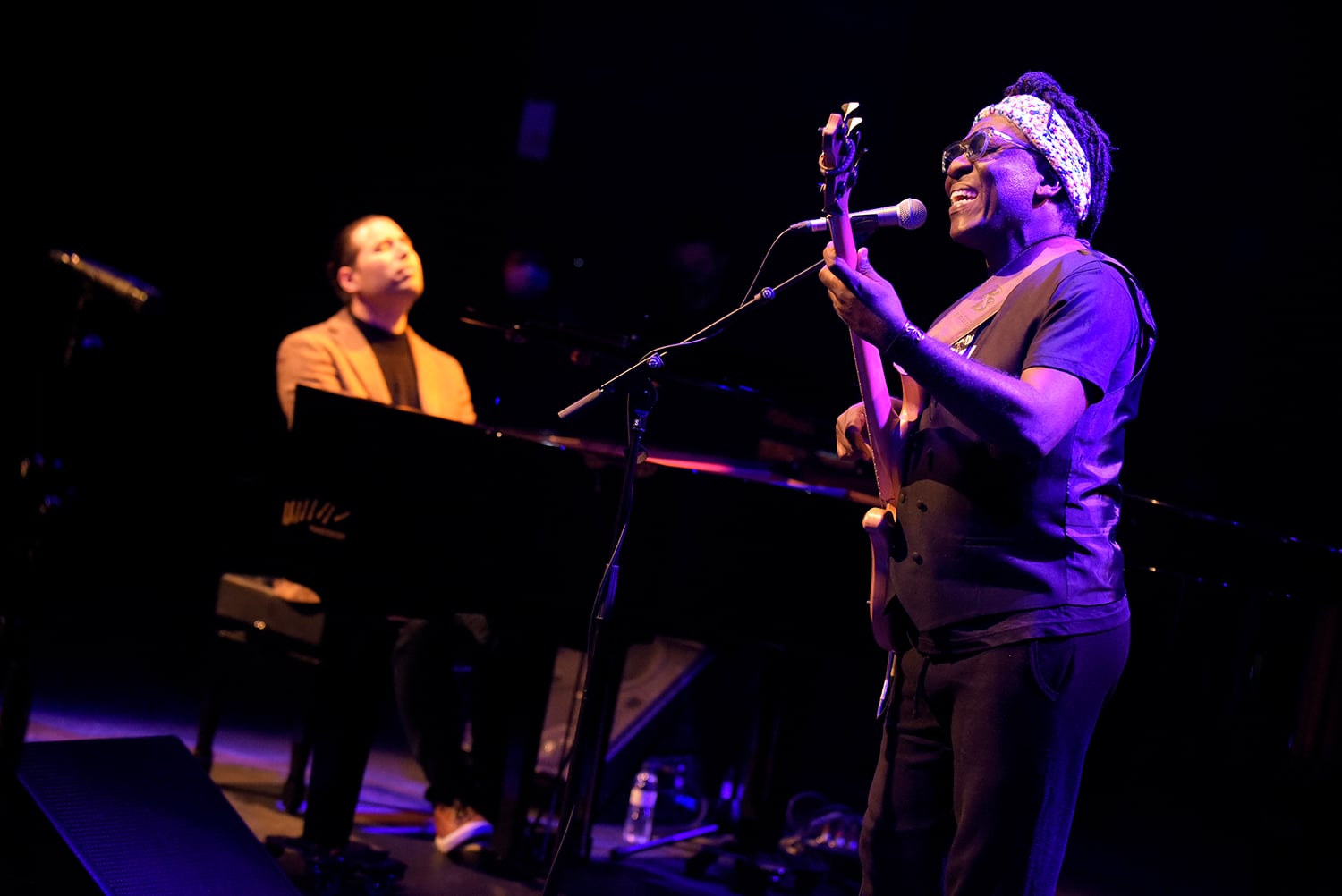
In 2026, Barcelona’s jazz festival reaches a curious milestone: 60 years since its first concert, but only its 58th edition. The festival began in November 1966 with the Dave Brubeck Quartet. It did not run in 1977, 1978 or 1979, so the organizers are using 2026 through 2028 to mark both six decades of history and, eventually, 60 editions.
The arithmetic is useful because it points toward the larger story. Barcelona’s relationship with jazz was built through clubs, concert halls, teachers, students, promoters and audiences over decades. The 2026 program makes those layers unusually easy to see. Major international artists appear in the same festival as Barcelona ensembles, younger musicians, masterclasses and club performances.
For a traveler who cares about music, that makes the festival worth reading as a map of the city’s jazz culture rather than as a list of headliners.
One festival, several ways of listening
The official 2026 program moves through very different rooms. At the Palau de la Música Catalana, Andrea Motis and Yamandu Costa perform on October 21, followed the next evening by the Barcelona Jazz Orquestra with New Orleans trumpeter Leroy Jones. Branford Marsalis Quartet and Dianne Reeves share the Palau stage on November 3, and Samara Joy appears there on November 13.
The scale changes at Jamboree. Laura Marchal is scheduled at Jamboree 3 on October 24, while Albert Cirera & Tres Tambors play the main Jamboree room on November 21. These are smaller spaces, where the relationship between ensemble sound, room acoustics and audience attention is completely different from a large concert hall.
Then the festival moves into the Conservatori Liceu, where the setting changes the meaning of the program again. Kurt Rosenwinkel, Vijay Iyer, Miguel Zenón and Luis Perdomo, Mary Halvorson, Haydée Milanés and Javier Colina are among the artists scheduled there. The festival also places its 2026 masterclass series at the conservatory from October through December.
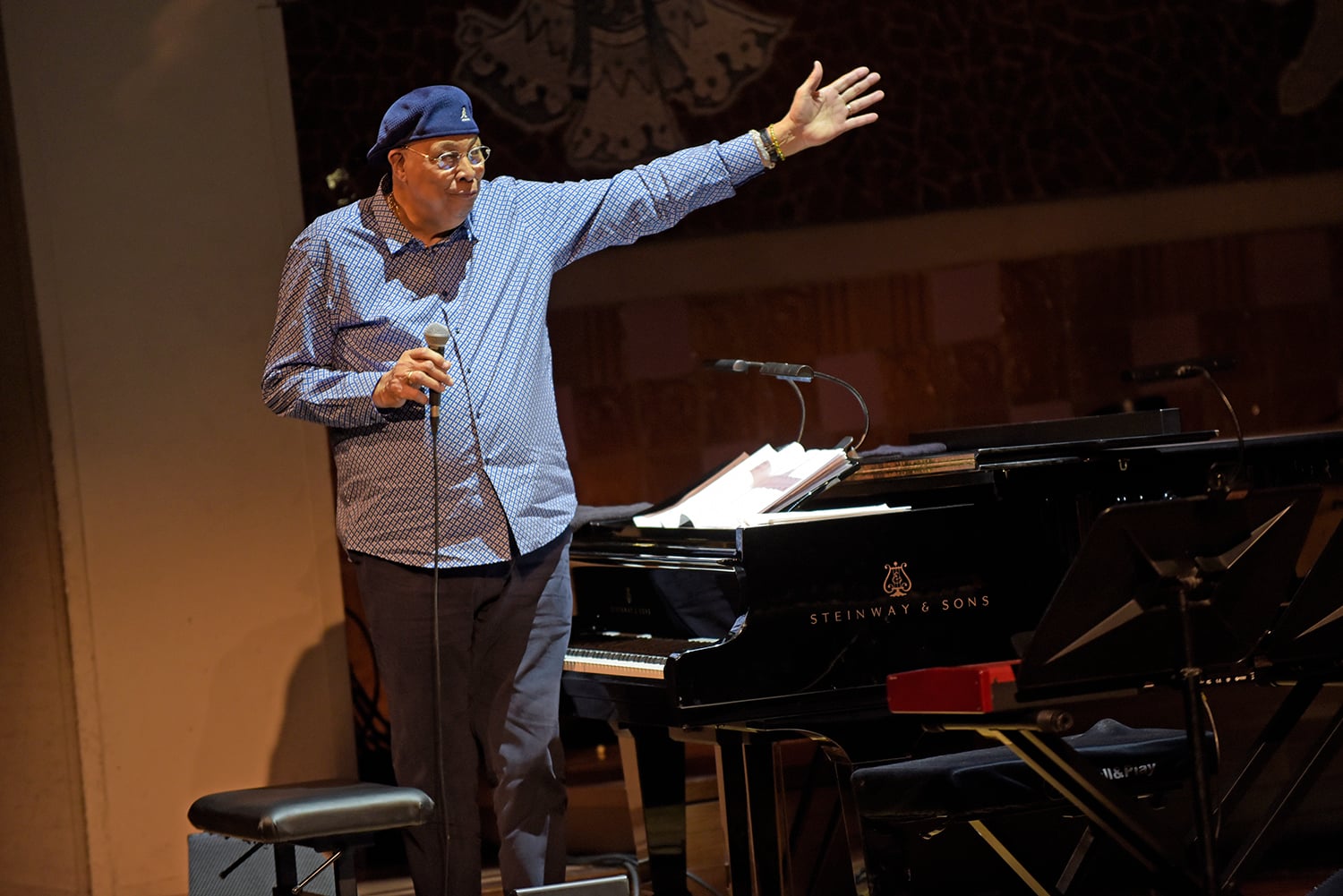
This spread across venues matters. Jazz changes when the room changes. A piano trio in a conservatory, a big band at the Palau and a small ensemble in a club ask for different kinds of listening. The festival’s structure allows those experiences to sit beside one another without pretending they are interchangeable.
The city had a jazz infrastructure before the festival
Barcelona’s festival began in 1966, but Jamboree had already opened at Plaça Reial 17 in 1960. During its first period, the club hosted artists including Chet Baker, Stéphane Grappelli, Ornette Coleman and Dexter Gordon. Catalan musicians such as Tete Montoliu were regulars there as well. The club’s own history describes those years as a period when Barcelona entered the touring circuit for major jazz artists.
That history helps explain why a citywide festival could take root. A recurring festival needs stages, but it also needs musicians, audiences and places where listening continues between major events. Jamboree’s long presence in Plaça Reial is one part of that infrastructure.
Education is another. L’AULA de Música Moderna i Jazz opened in 1978 and describes itself as the first center in Spain dedicated to teaching modern music and jazz. It became part of the Conservatori Liceu in 1993. Today, the conservatory’s role in the festival includes concerts and masterclasses, which means a visitor can encounter jazz in Barcelona as performance and as a practice being studied, taught and developed.
The local scene is part of the anniversary
The festival organizers say the 2026 to 2028 anniversary cycle will combine support for local creators with original projects, international figures and masterclasses. The current program reflects that intention.
Andrea Motis appears in October with Brazilian guitarist Yamandu Costa and returns in December with her guitar trio. The Barcelona Jazz Orquestra shares a program with Leroy Jones. The Sant Andreu Jazz Band All-Stars play La Paloma on November 4, while the Sant Andreu Jazz Band closes a December date at the Palau on December 23. Other concerts place musicians from the city and the wider Catalan scene alongside artists arriving from very different jazz traditions.
This is an important distinction for travelers. A festival can become a sequence of famous names with little connection to its location. Barcelona’s 2026 program gives listeners several ways to hear how local musicians, educational institutions and long-running venues participate in the same musical ecosystem as international guests.
How to approach the festival as a traveler
The current 2026 schedule extends across much of the year, with a dense run from late September through December. That makes the usual idea of a single “festival weekend” less useful. The better starting point is the music you want to hear and the rooms in which you want to hear it.
A strong short stay might pair a major-hall concert with a club performance. If the dates align, add a Conservatori Liceu concert or masterclass. A pianist may choose a very different set of evenings from a singer, a guitarist or a traveler interested in big-band writing. The point is to build contrast, then leave enough time to listen rather than treating concerts as appointments to collect.
It also helps to check the program close to travel. Artist schedules, venues and ticket availability can change. Musical Getaways does not treat a historic itinerary or an earlier festival lineup as a promise for a future journey. We design around the current confirmed program and the traveler’s actual priorities.
Sixty years, heard through a city
The 60-year milestone gives Barcelona an excuse to look backward, but the useful story is happening in the present tense. A 1960 club is still part of the city’s jazz life. A conservatory with a modern-music teaching lineage dating to 1978 is hosting current artists and masterclasses. The Palau continues to hold large festival concerts while smaller rooms keep the listening close.
The most revealing Barcelona Jazz Festival itinerary is therefore unlikely to be the one with the longest concert list. It is the one that lets the differences between those rooms register. By the end of a few carefully chosen performances, the festival begins to sound less like one event and more like a network that Barcelona has spent decades building.
Planning a Barcelona jazz trip? See how Musical Getaways shapes a private Barcelona Jazz Festival journey around your dates, musical interests and the current confirmed program.