A Bespoke Samba Journey Through Rio de Janeiro
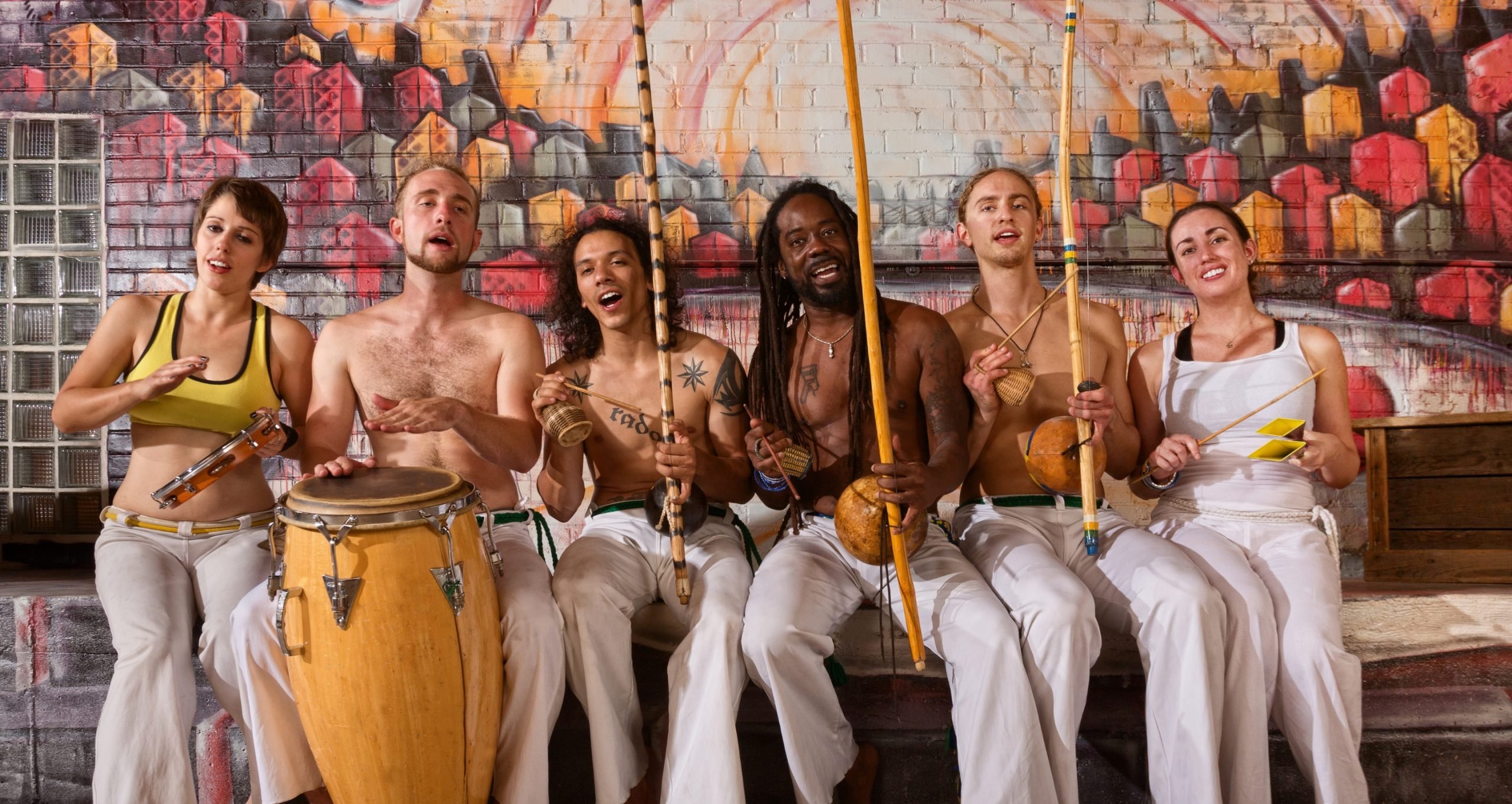
Rio de Janeiro’s samba exists as daily practice—rehearsed in community spaces, played in open squares, and shared informally long before reaching stages or Carnival parades. Little Africa, the historic neighborhood where samba developed in the early 1900s, preserves stories of how Afro-Brazilian communities created Brazil’s most internationally recognized musical form. Samba schools function as year-round social organizations maintaining traditions through regular rehearsals, not just annual Carnival performances. Understanding samba requires visiting the physical and cultural spaces where musicians practice, learn from one another, and maintain traditions through community participation rather than professional performance alone.
This journey is not a fixed-date group tour. It is a privately designed experience shaped around your interests, timing, and how deeply you want to engage with Rio’s samba culture—whether through observing samba school rehearsals, understanding Little Africa’s Afro-Brazilian heritage, or exploring how geography and social history shaped the music’s development. Whether you are traveling as musicians seeking technical understanding of samba rhythms, cultural enthusiasts drawn to Afro-Brazilian history, or travelers who want Rio’s depth rather than superficial beach tourism, we design each journey to balance cultural immersion with practical comfort—guided by our network of local musicians, cultural historians, and neighborhood contacts across Rio de Janeiro.

How a Rio Journey Might Unfold
A sample flow, fully customized around your dates, interests, and pace.
Every Rio journey we design has its own tempo. What follows is not an itinerary, but a sense of how samba schools, Afro-Brazilian heritage, and Rio’s landscapes often come together. The details, timing, and emphasis are always shaped around you.
Opening Notes: Arrival and Samba School
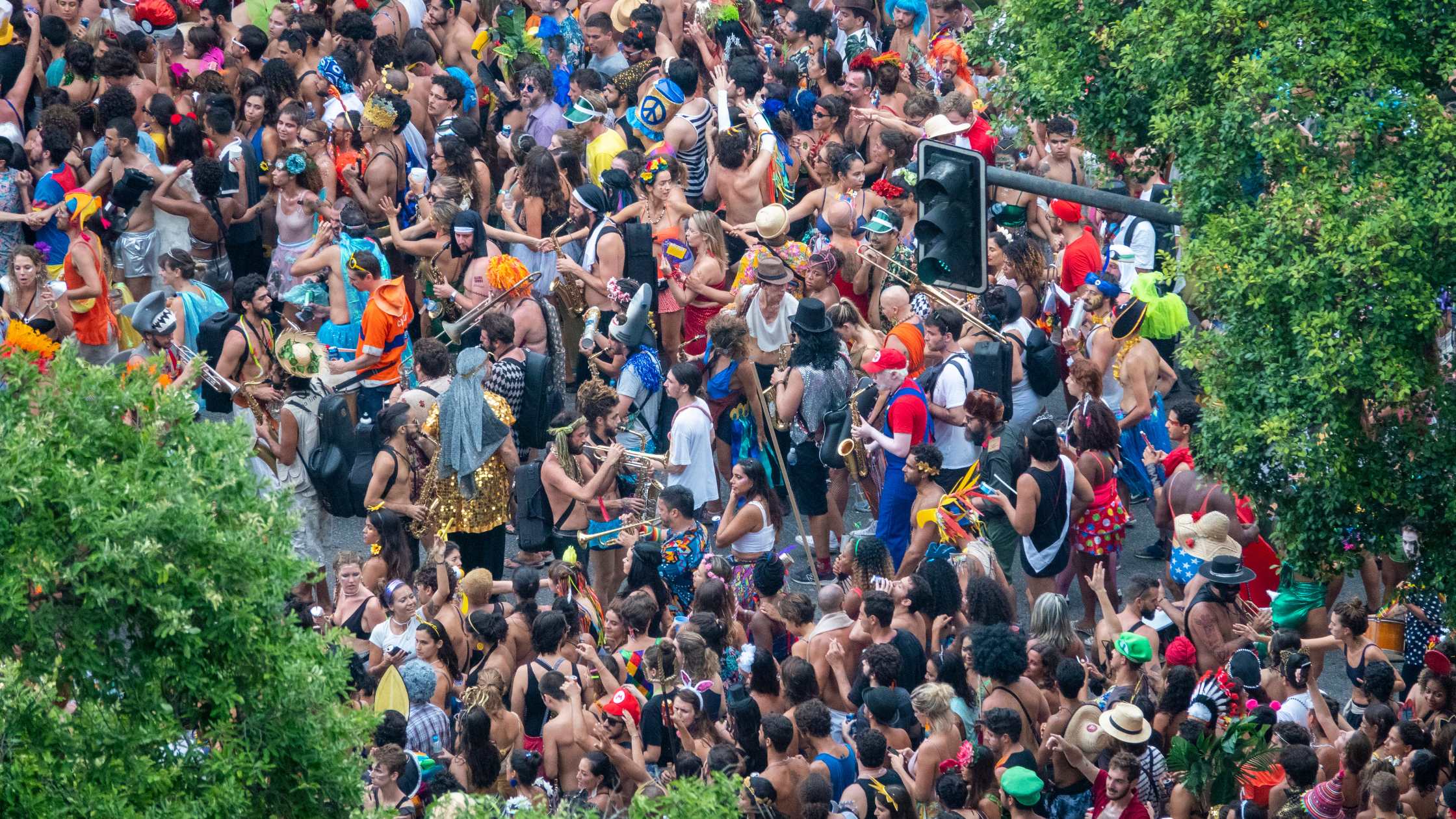
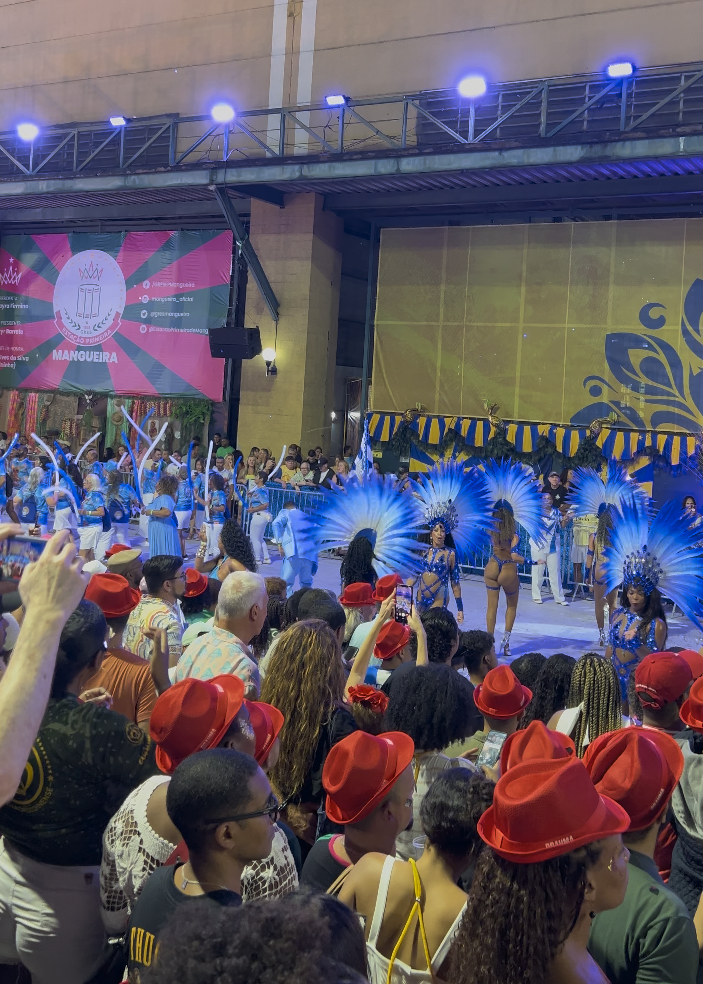
Most journeys begin with settling into Rio’s beachfront or central neighborhoods, where proximity to both cultural sites and coastal life allows easy movement. Early evenings might include samba school rehearsals—community spaces where preparations for Carnival happen year-round, revealing how music, dance, and elaborate costume design function as collective practice. Optional late-night experiences at Pedra do Sal introduce roda de samba—informal gatherings where musicians and locals share traditional samba in outdoor settings. Welcome meals feature churrascaria culture or regional Brazilian preparations.
The Body: Little Africa, Samba Heritage, and Carnival Culture
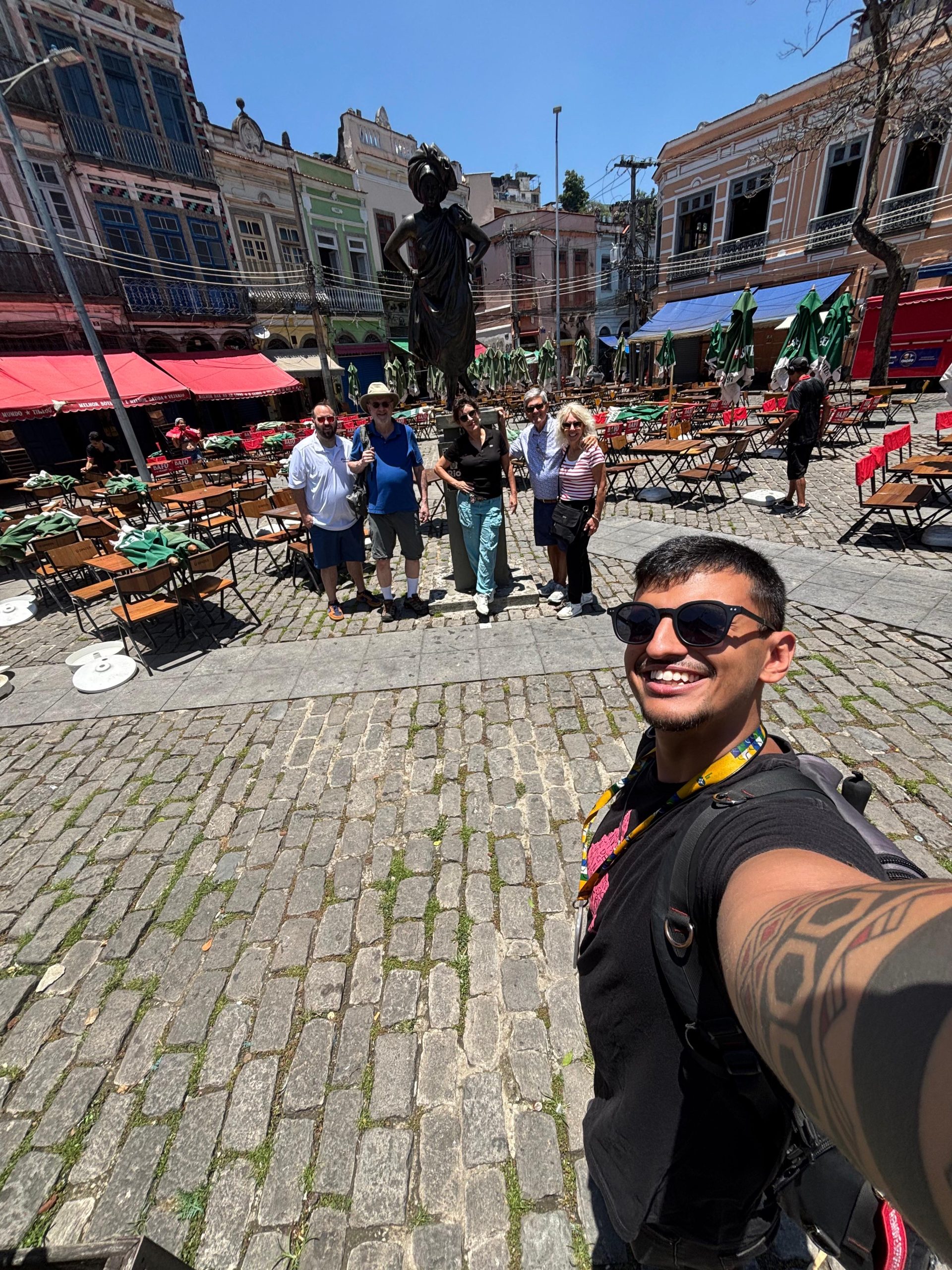
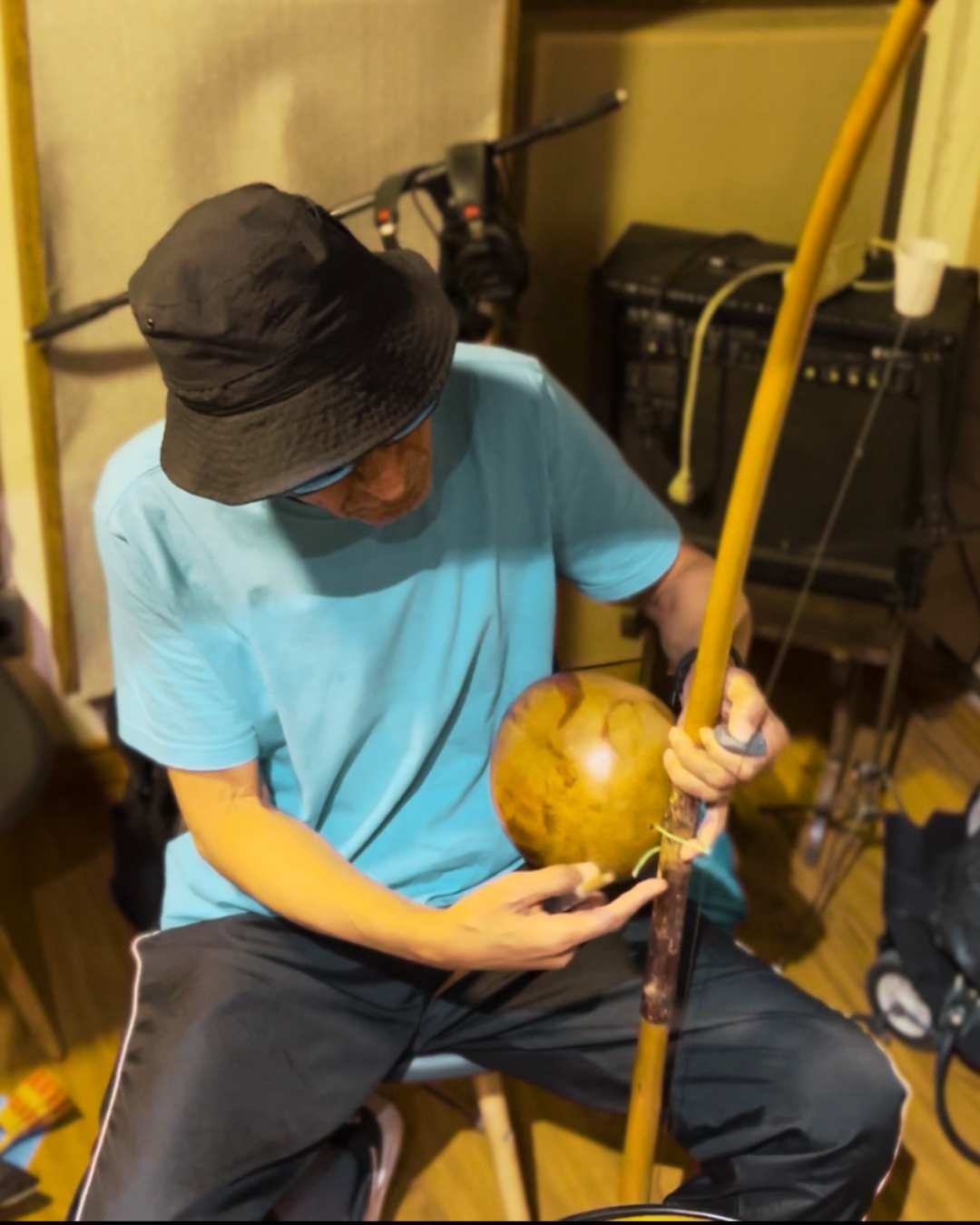
Mornings usually begin with cultural depth—walking tours through Little Africa exploring the neighborhood where early samba developed, museum visits documenting Afro-Brazilian contributions to Brazilian identity, or Museu do Samba for understanding the genre’s evolution and social significance. Behind-the-scenes Carnival workshop access reveals the artistry, labor, and community organization transforming neighborhoods into parade-ready spectacles. Optional costume fittings and basic percussion introductions allow participation without performance pressure. Lunches feature Afro-Brazilian regional cuisine. Free afternoons provide beach time, independent exploration, or rest between culturally intensive experiences.
Variations: Iconic Landmarks and Evening Music
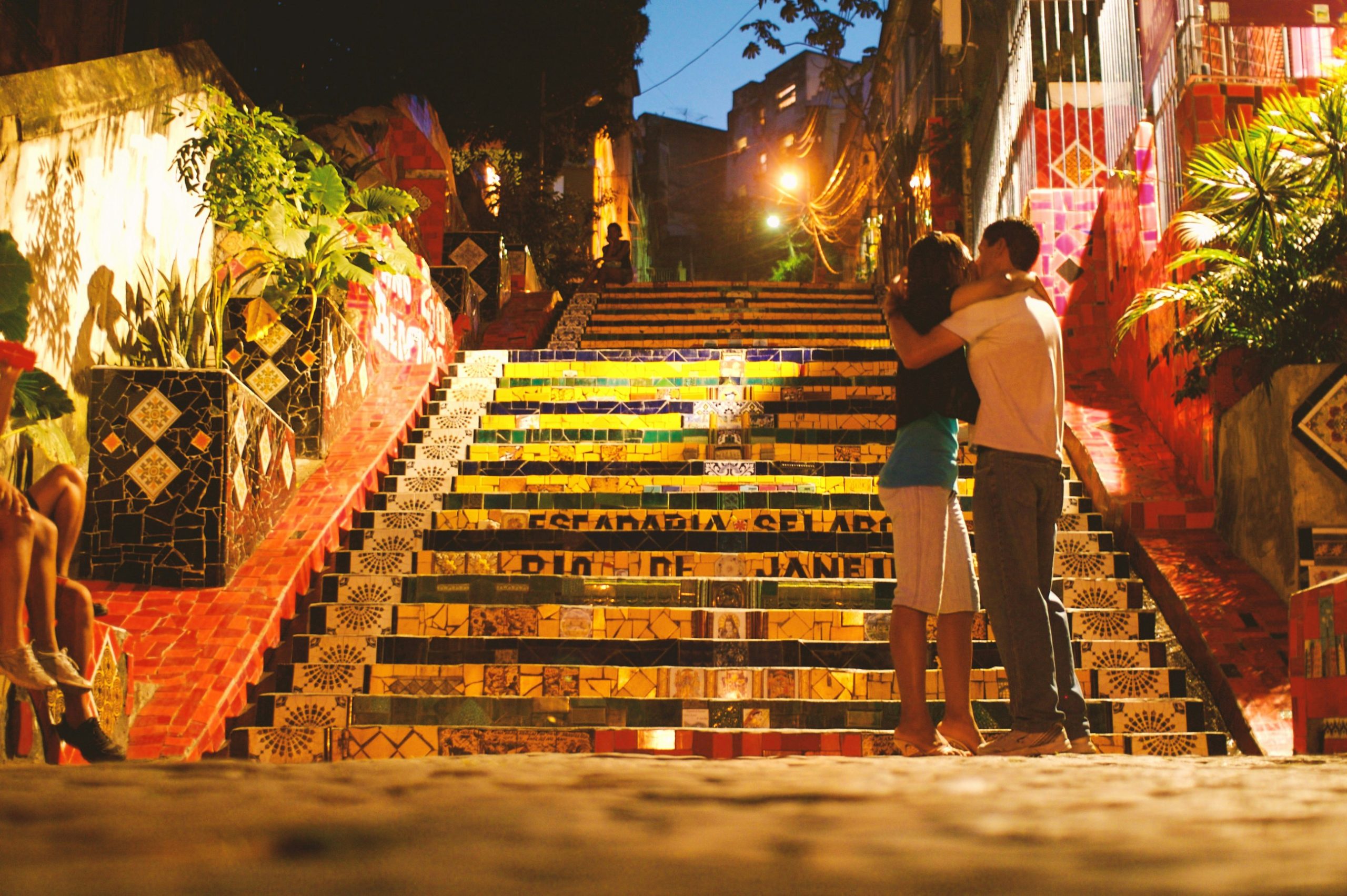
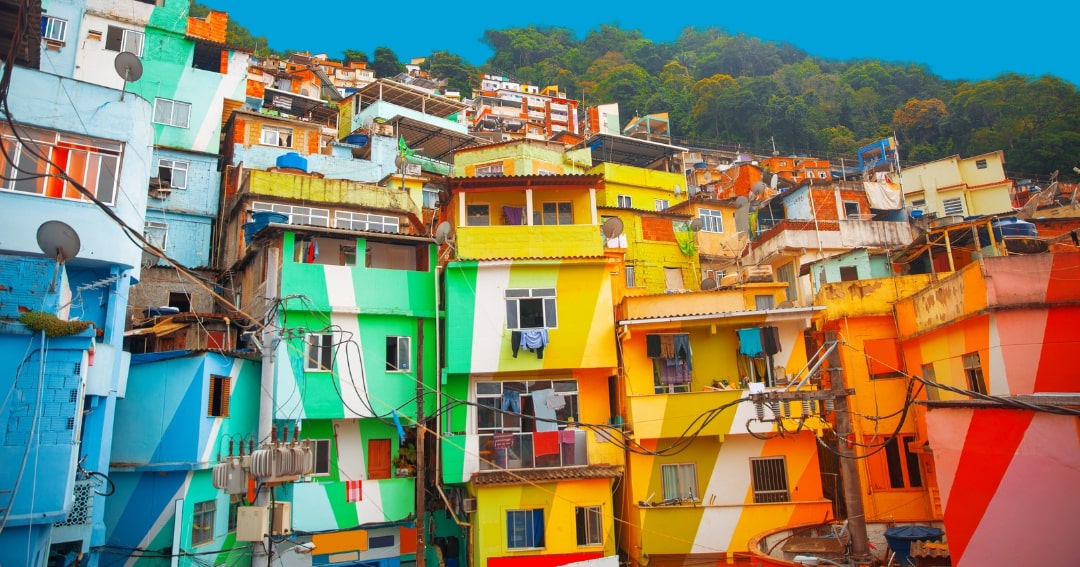
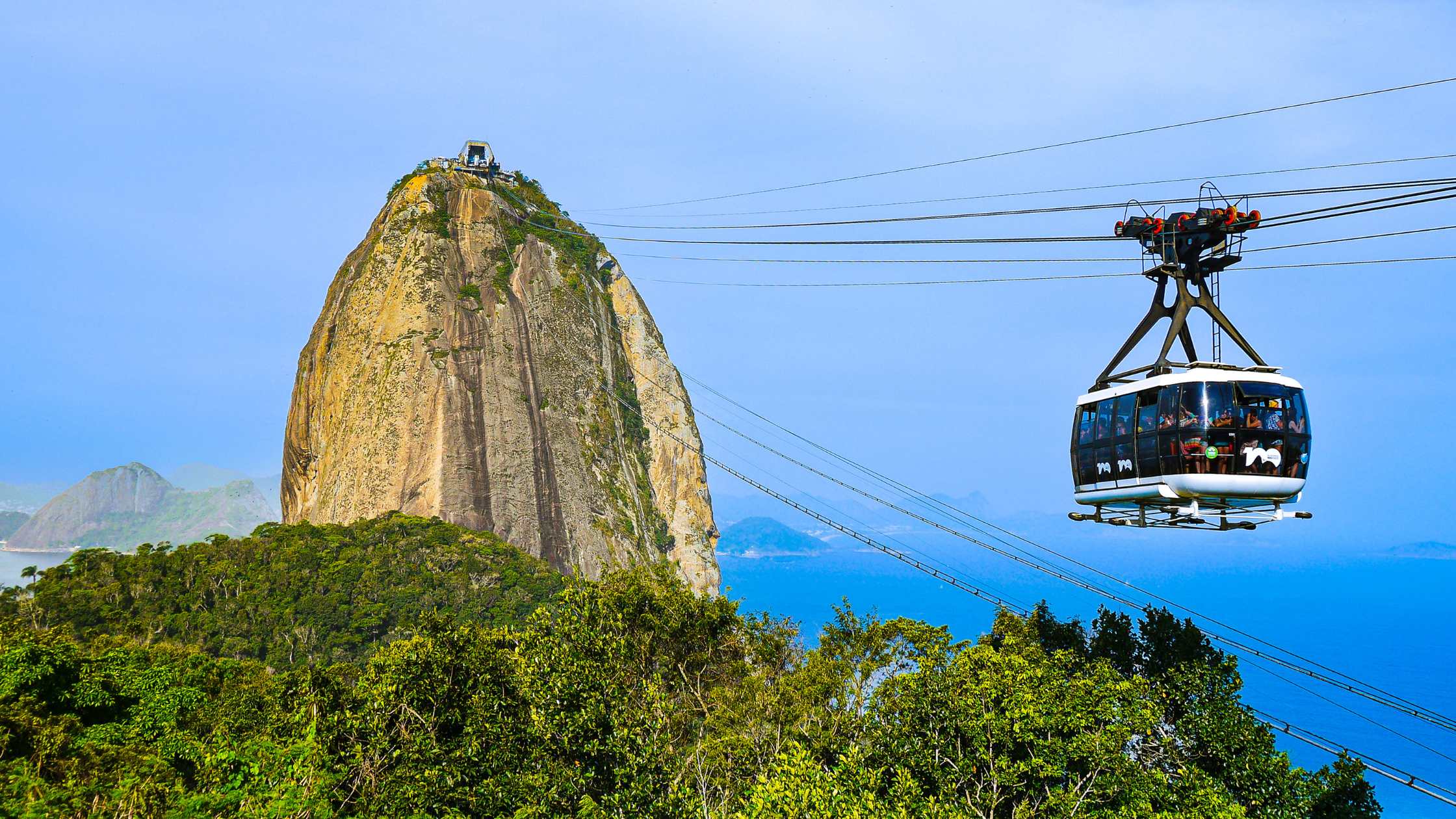
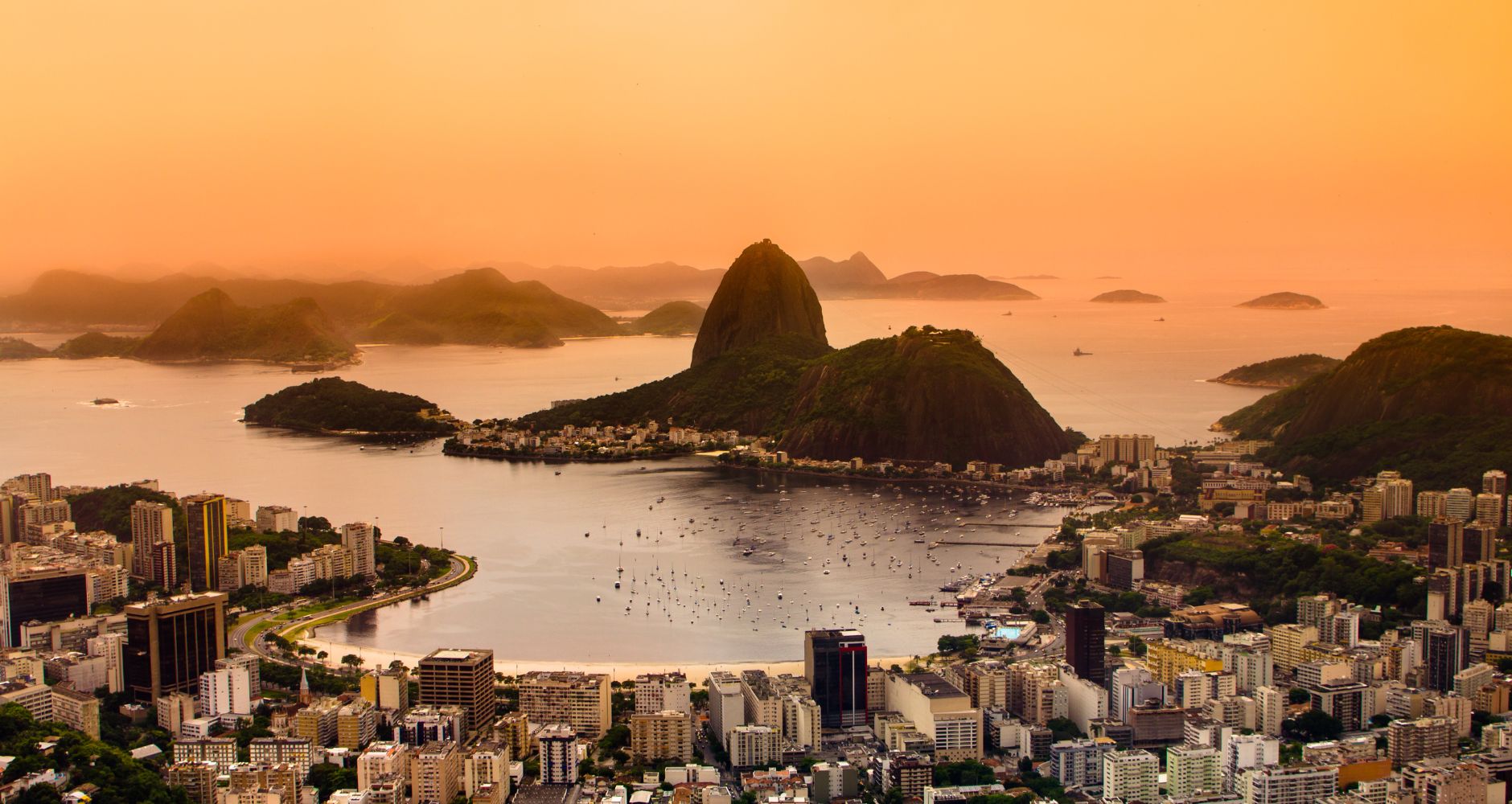
Sugarloaf Mountain and Christ the Redeemer offer geographic and visual context—the landscape setting where samba evolved, the city’s spatial relationship between favelas and formal neighborhoods. These iconic sites balance cultural depth with the imagery many travelers expect from Rio visits. Evening options include Lapa’s nightlife, Latin jazz venues, or simply recommended restaurants for independent dining. The pace allows personal choice between continued cultural engagement and relaxation.
Closing Notes: Departure
The final morning provides time for reflection, last beach visits, or quiet breakfast before departure. Some travelers end here. Others extend independently to explore Rio’s favela tourism programs, Tijuca rainforest, or continue to other Brazilian destinations—Salvador, Recife, or interior regions.

This is for travelers who value music, culture, and context over checklists and crowds. You enjoy well-curated experiences, smaller groups, and learning directly from local artists, musicians, and cultural insiders.
Rio de Janeiro — Brazil’s second-largest city, carnival capital, birthplace of samba and bossa nova
Private, tailor-made cultural immersion with flexible pacing. Built around your interests in samba heritage, balance of cultural depth versus iconic tourism, and preferred mix of structured experiences with independent time.
- April-November offers access to samba schools, cultural sites, and beach culture without Carnival crowds or summer heat intensity.
- December-February brings summer peak season, and maximum beach tourism; Carnival (February-March) creates extreme crowds.
Begin Your Journey With Us
Designed by musicians. Dedicated to your discovery.
“It was an incredible trip and exceeded our expectations. We had a range of musical experiences and visited important local sites.
The local guides Musical Getaways has relationships with were extremely knowledgeable and delightful company.…“
ANN
Gallery
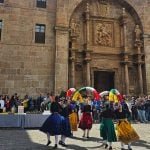
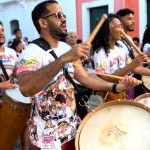
Samba School Performance
Rio de Janeiro, Brazil
Berimbau lesson
Rio de Janeiro, Brazil
Learn more About Brazil
Musicians’ Field Notes on Recife and Rio de Janeiro
Our musician’s guide to Brazil covers the unique sounds of Recife & Rio de Janeiro. Get travel tips and discover the best times to experience samba, frevo, and more.
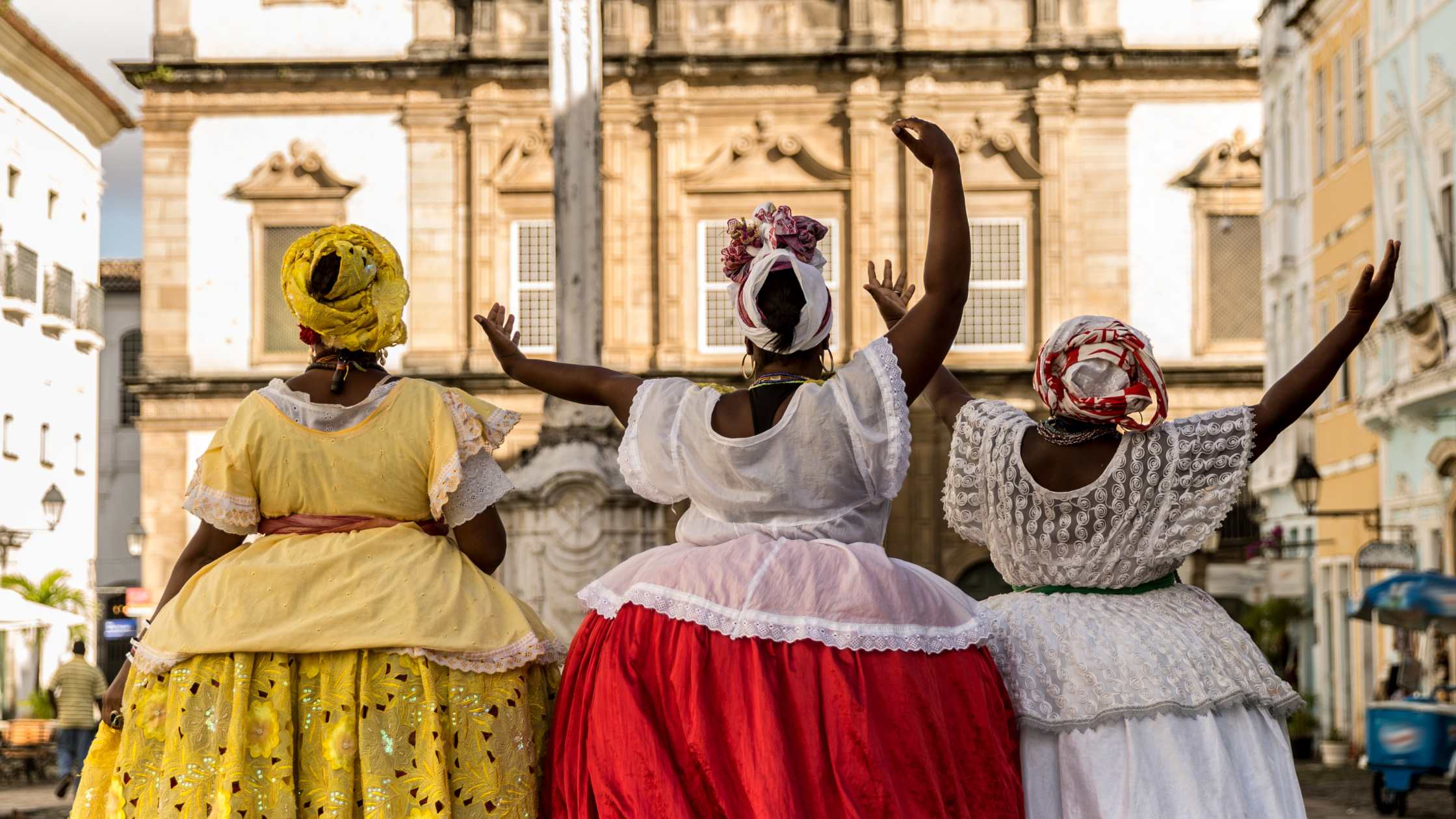
Rio de Janeiro: Voted Best Afrotourism Destination in Brazil
Learn about Rio de Janeiro’s recognition as Brazil’s best afrotourism destination, highlighting its rich Afro-Brazilian roots.
Rhythms of Africa in Brazil: 3 Afro-Brazilian Cities You Must Visit
Feel the rhythm of Brazil’s culture, deeply influenced by African traditions, celebrated every day in cities like Rio de Janeiro.