 Skip to content
A Bespoke Music Journey Through New Orleans
A private New Orleans music tour can reveal the city as a living archive where music operates socially—second line parades maintain neighborhood traditions, brass bands perform for funerals and celebrations, Congo Square’s Sunday drum circles continue West African rhythmic practices, and Frenchmen Street venues host nightly performances where musicians play for local audiences alongside tourists. The city’s musical heritage intertwines with racial geography, Creole culture, and the social structures that shaped jazz’s development from Congo Square gatherings through Storyville bordellos to contemporary brass band resurgence.
This journey is not a fixed-date group tour. It is a privately designed experience shaped around your interests, timing, and how you want to engage with New Orleans as cultural ecosystem—whether through understanding jazz’s social history, experiencing second line traditions, or exploring how neighborhood life and musical practice remain inseparable.
Whether you are traveling as musicians seeking connection to jazz heritage, cultural scholars interested in how African diaspora shaped American music, or travelers who want New Orleans’s substance rather than Bourbon Street superficiality, we design each journey to balance observation with participation—guided by our network of local musicians, cultural practitioners, and neighborhood contacts across New Orleans.
How a New Orleans Journey Might Unfold
A sample flow, fully customized around your dates, interests, and pace.
Every New Orleans journey we design follows its own rhythm. What follows is not an itinerary, but a sense of how jazz history, neighborhood culture, and live music often come together. The details, timing, and emphasis are always shaped around you.
Opening Notes: French Quarter and First Sounds
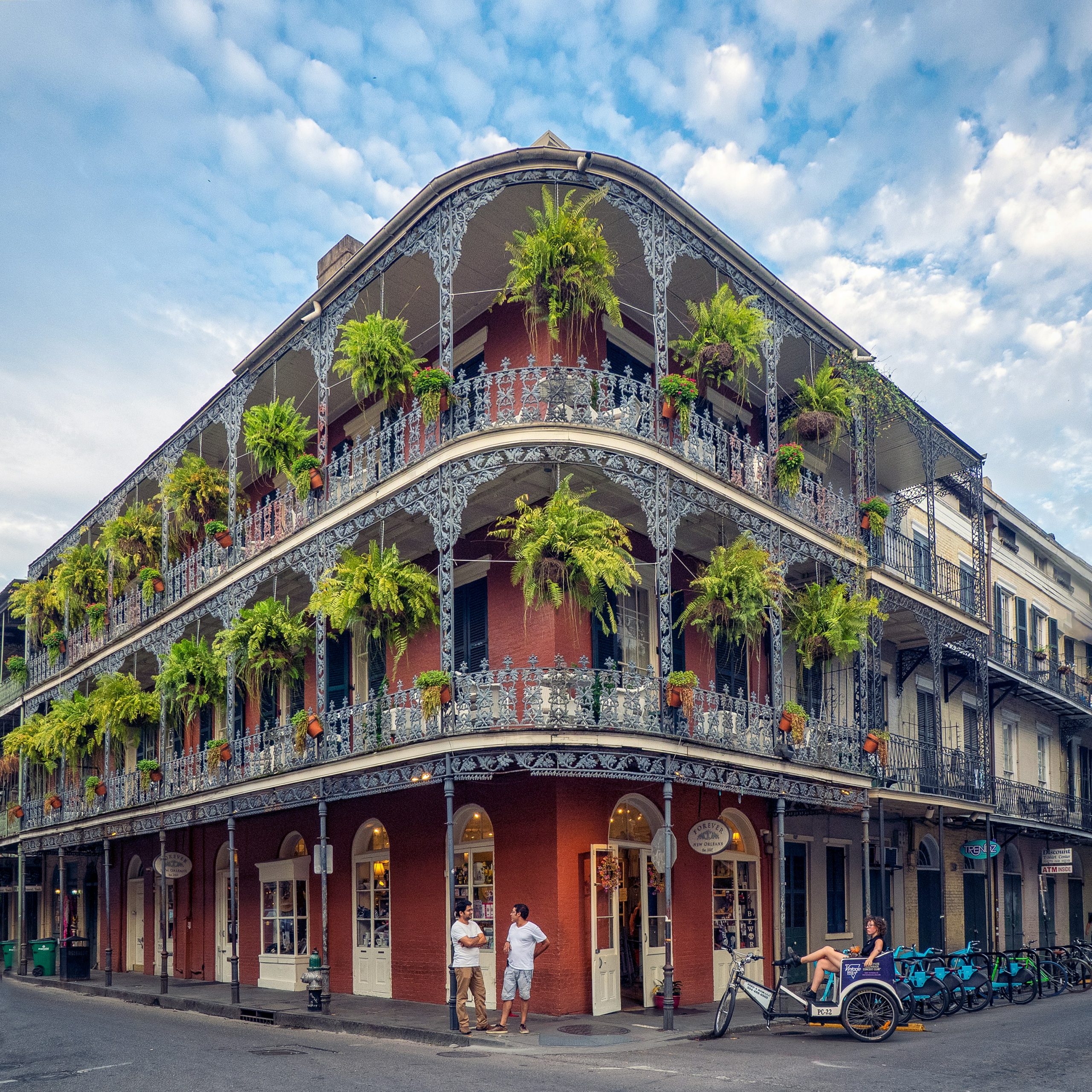
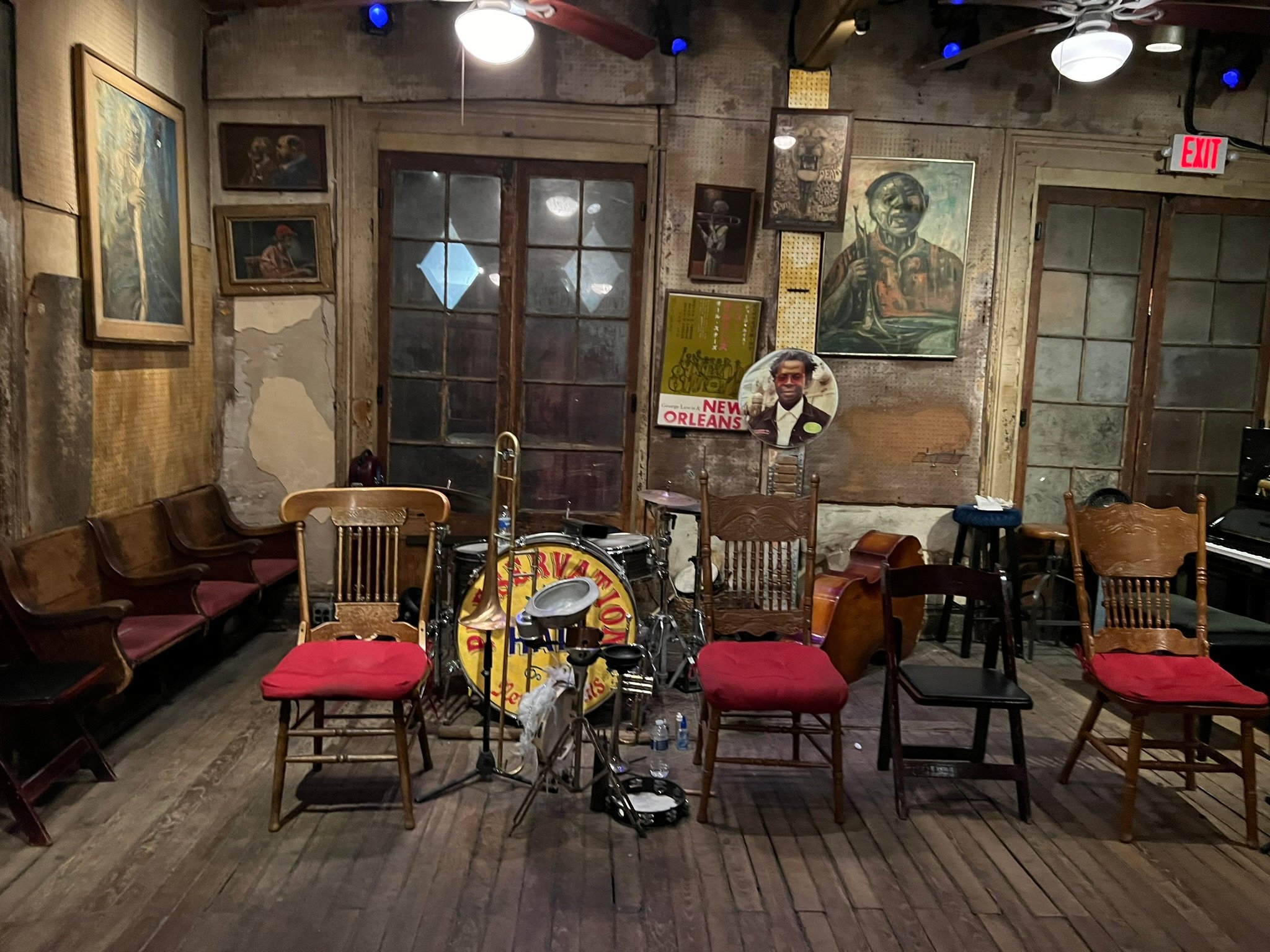
Most journeys begin in the French Quarter, where initial orientation happens through architecture and historical context before encountering the city’s intense live music culture. Early evenings might include traditional jazz at Preservation Hall—tourism-oriented but historically grounded—or quieter venues where the ratio of locals to visitors suggests authenticity. Welcome meals introduce Creole cuisine’s French, Spanish, African, and Caribbean influences that parallel the city’s musical fusion.
The Body: Tremé, Congo Square, and Cultural Depth
Time is spent among New Orleans’s documented musical geography and living traditions. Walking tours through the French Quarter reveal where early jazz musicians lived and performed. Tremé neighborhood visits provide context for jazz’s origins in America’s oldest free Black community. Congo Square—where enslaved and free people of color gathered Sundays maintaining African musical practices—remains active through contemporary drum circles that connect historical and current cultural expression. Uptown and Garden District tours show how different neighborhoods shaped distinct musical styles and social club traditions. Free afternoons allow processing intensive cultural content, independent exploration, or rest between late-night music commitments.
Variations: Frenchmen Street, Second Lines, and Live Music
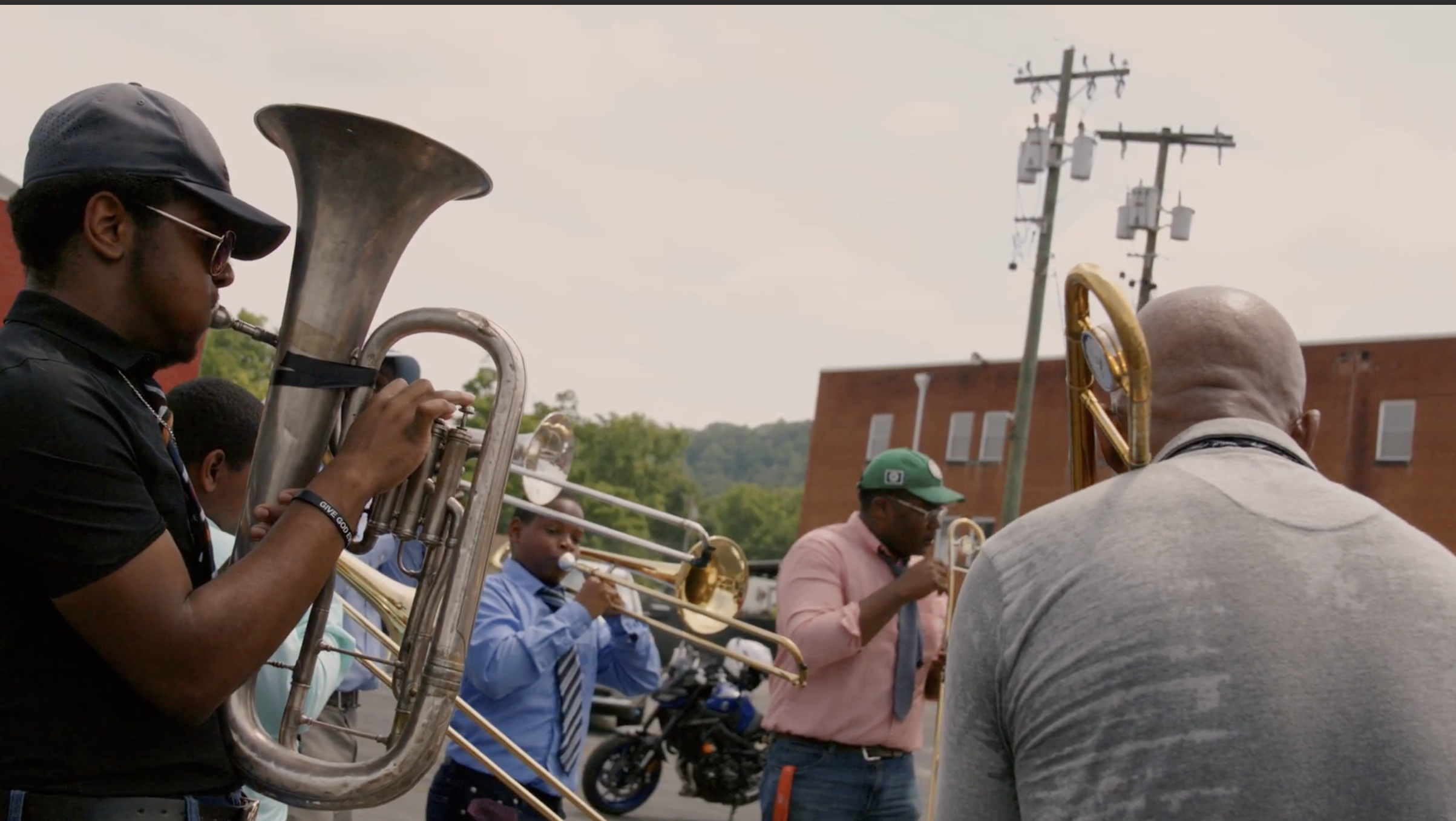
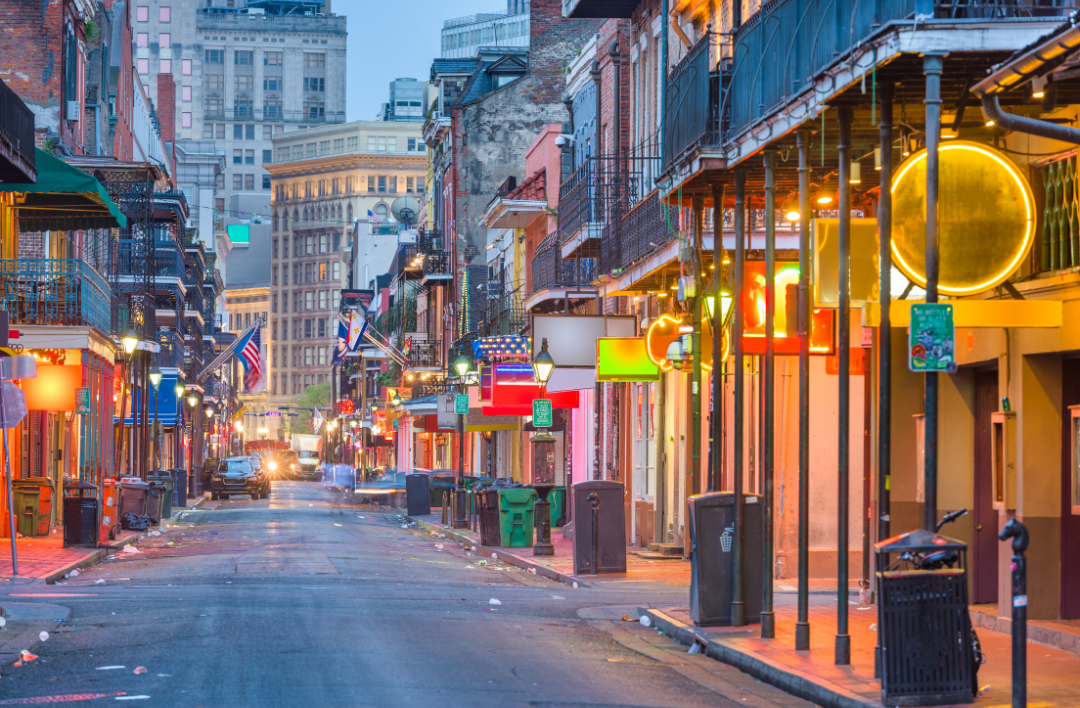
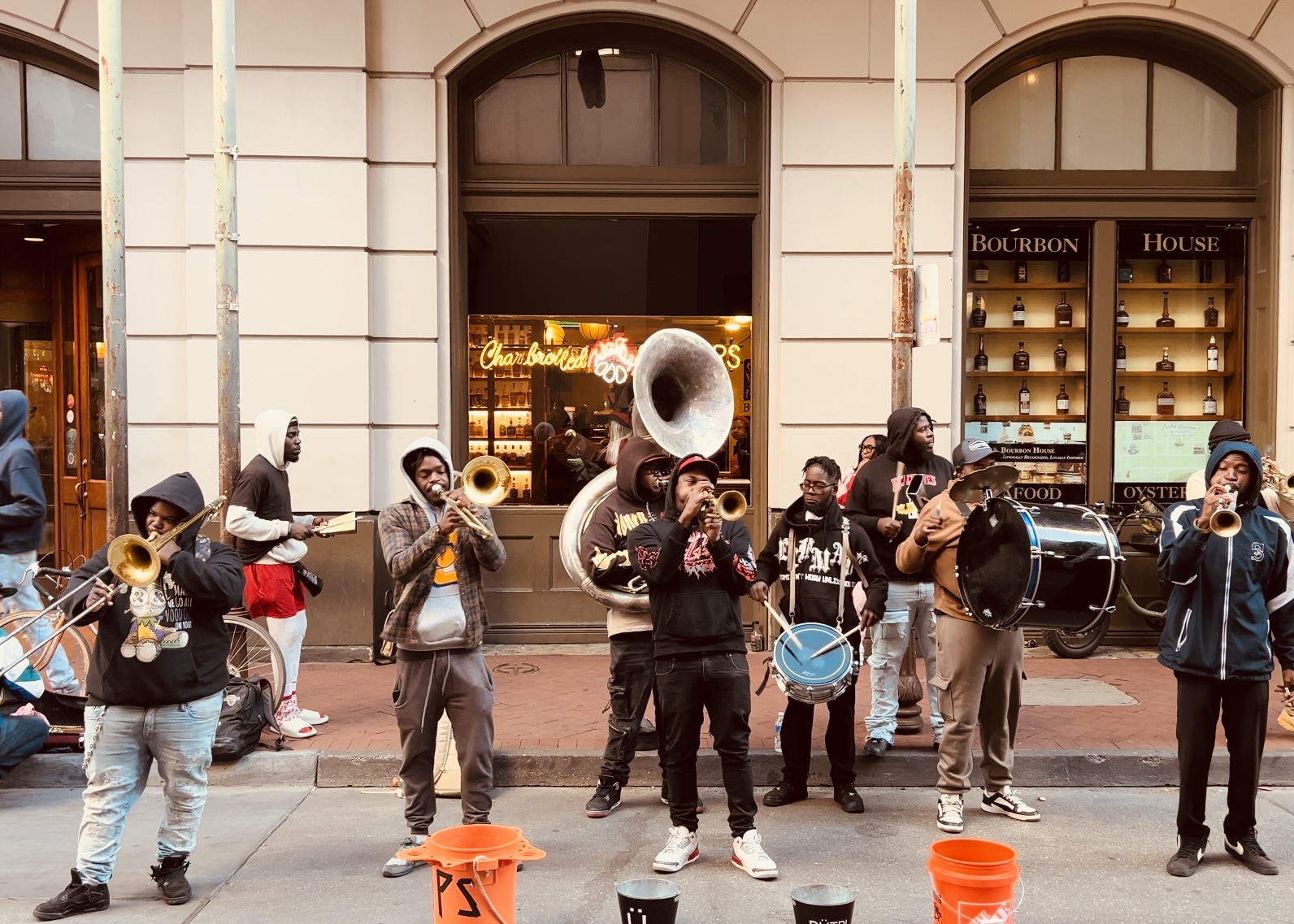
Frenchmen Street represents New Orleans’s most concentrated live music district—multiple venues, diverse styles from traditional jazz to brass funk, locals and tourists mixing in spaces that feel more authentic than Bourbon Street’s commercial intensity. Sunday second line parades (when occurring) demonstrate how brass band music functions socially—community processions celebrating weddings, anniversaries, or simply neighborhood pride. Participation protocol requires understanding appropriate behavior; observation reveals how music maintains social cohesion. Evening venue selections depend on weekly performance schedules and your stated musical preferences.
Closing Notes: Departure
The final morning allows reflection before departure. Some travelers end here. Others extend to Louisiana’s Cajun country, Mississippi Delta blues territory, or Memphis for broader Southern musical exploration.
This tour is for travelers who care about where American music comes from and want to understand New Orleans as a living cultural ecosystem, not just a party city. You’re interested in jazz as a social history, in second lines as community practice, and in how food, religion, and neighborhood life shape the sound of the city.
New Orleans, Louisiana, USA
Crescent City, birthplace of jazz, home to second line traditions, Congo Square, Tremé neighborhood, Frenchmen Street music district.
Private, tailor-made cultural immersion with flexible pacing. Built around your interests in specific musical eras, balance of historical sites versus live performance, and preferred depth of community engagement. Custom itineraries available year-round, though festival seasons and second line schedules affect timing.
- October-November and March-April offer comfortable weather and active music culture without Mardi Gras or Jazz Fest crowds.
- January-February brings Mardi Gras season chaos and maximum tourist density; authentic local traditions become harder to access.
- Late April-early May means Jazz Fest—international artists but also extreme crowds and prices.
- Summer (June-September) brings heat, humidity, and smaller tourist numbers; local music culture continues consistently.
Begin Your Journey With Us
Designed by musicians. Dedicated to your discovery.
Gallery
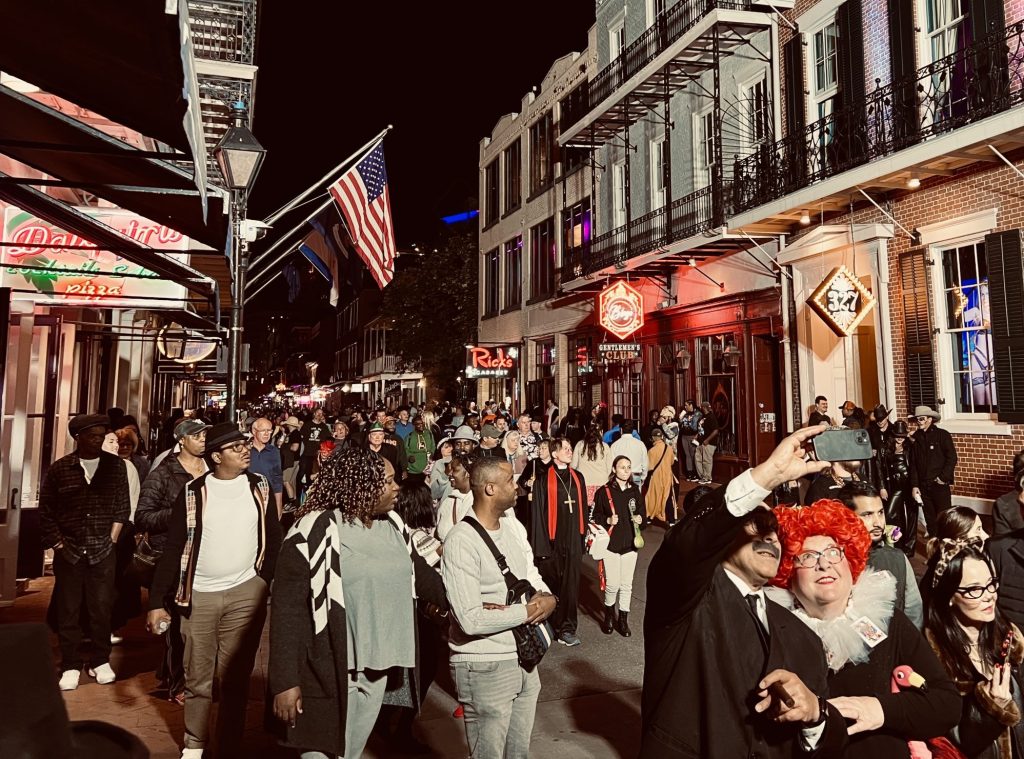
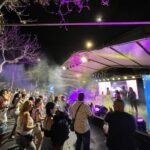
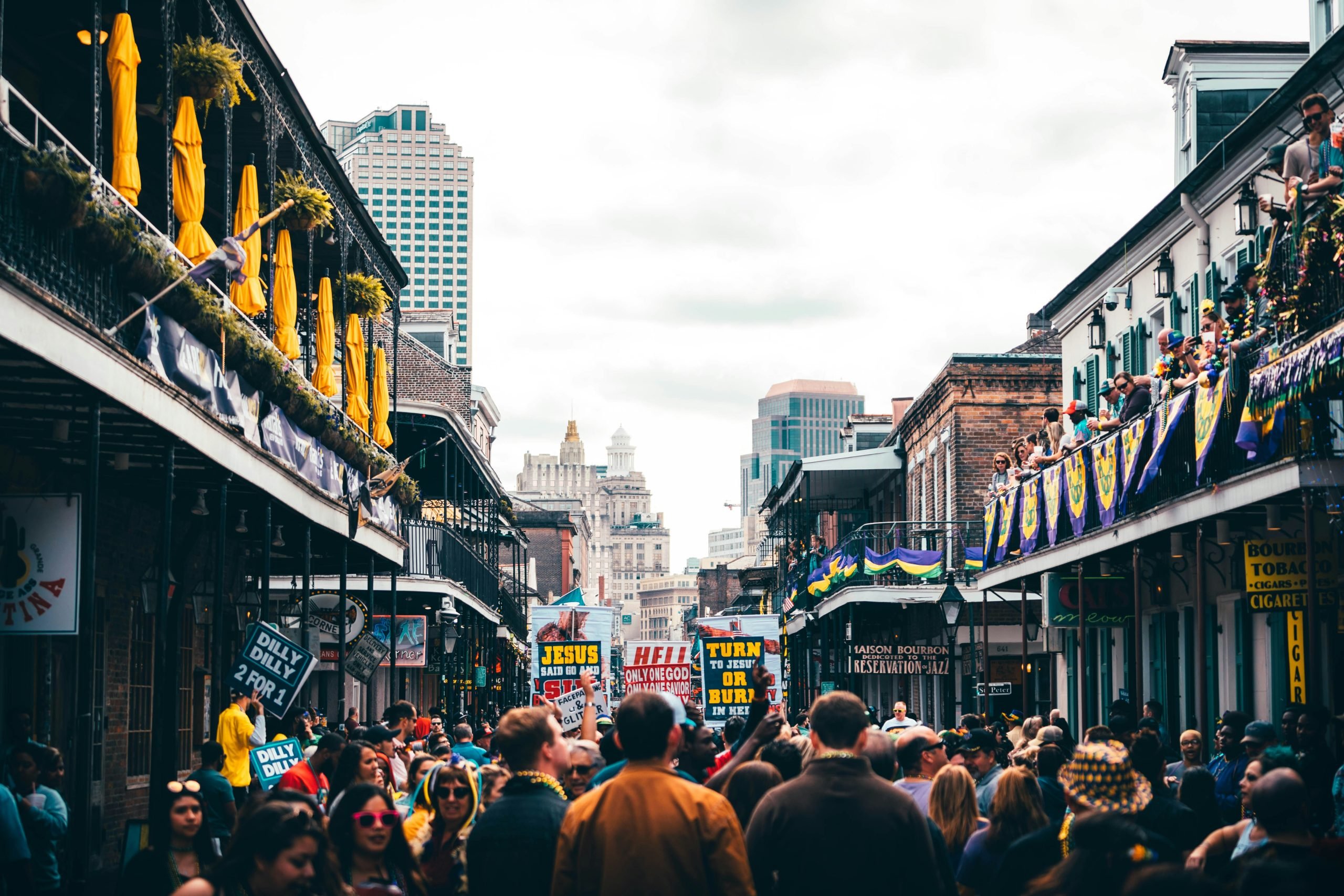
Halloween Night in Bourbon Street
New Orleans, USA
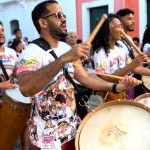
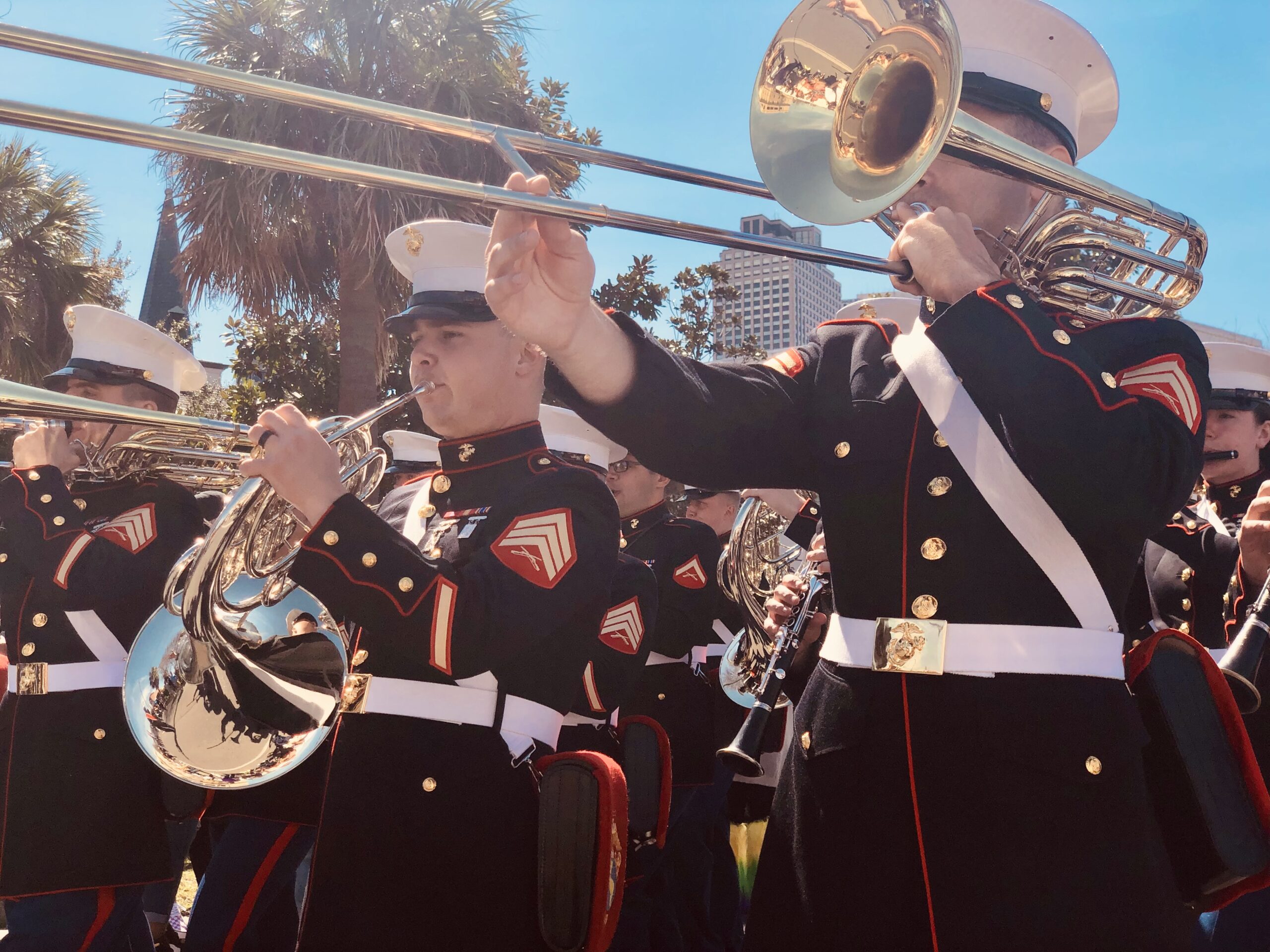
Musicians playing in the French Quarter
New Orleans, USA
Learn more About New Orleans
New Orleans Is More Than Jazz: A Musician’s Guide to the Crescent City’s Sound
New Orleans is more than just jazz. Our musician’s guide explores the living traditions of blues, funk, R&B, bounce, and brass bands—a complete field guide to the Crescent City’s sound.
Why Frenchmen Street Is the Music Capital of New Orleans
Frenchmen Street is one of the most important places to hear live music in New Orleans.…
Jazz in New Orleans: A Living Soundtrack
A personal look at jazz in New Orleans—from second lines to late-night clubs. Honest reflections from a musician walking the city’s musical streets.