
Private Immersion in Blues, Soul & American Music Heritage
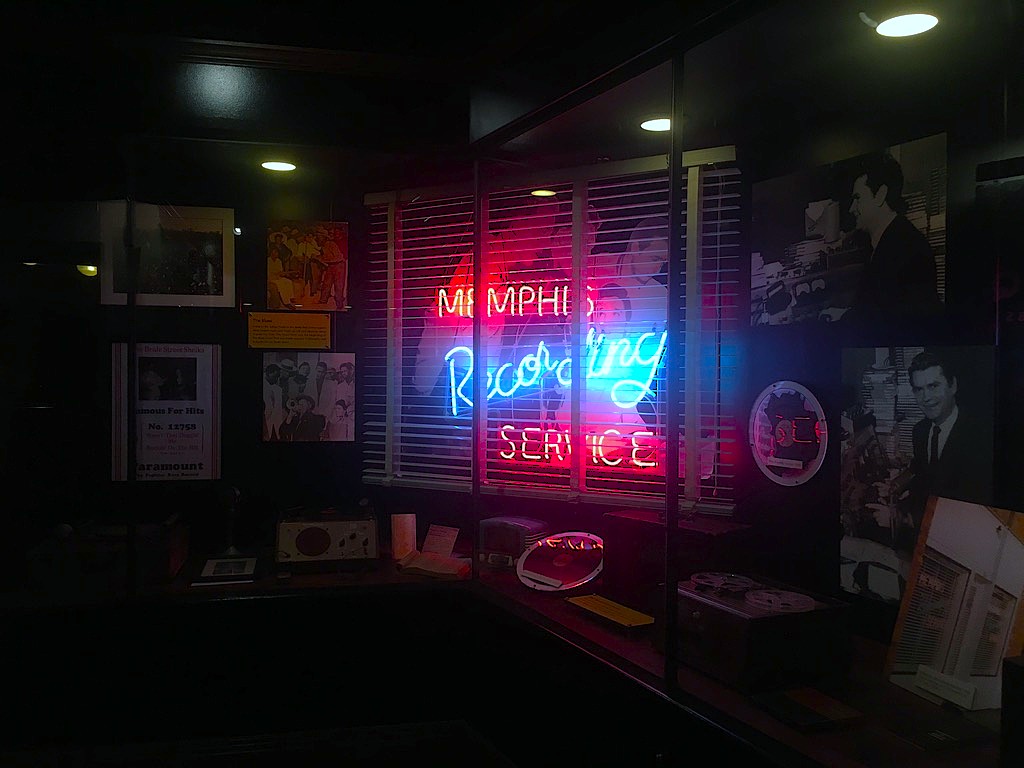
Memphis functions as archive and active site—Sun Studio where Elvis, Johnny Cash, and Howlin’ Wolf recorded still offers tours between contemporary sessions, Stax Museum occupies the original soul label’s location, Graceland preserves Elvis’s domestic space as cultural monument, and Beale Street maintains its role as entertainment district despite decades of urban decline and renewal cycles. The city’s music history intertwines with racial geography, economic shifts, and the Civil Rights struggle in ways that make separation of cultural and political narratives impossible.
This journey is not a fixed-date group tour. It is a privately designed experience shaped around your interests, timing, and how you want to engage with Memphis’s layered identity—whether through music pilgrimage to iconic sites, understanding the city’s role in American racial history, or exploring how blues, soul, and rock emerged from specific neighborhoods and social conditions. Some travelers compose long weekends emphasizing Graceland and Sun Studio alongside Beale Street’s live music circuit. Others focus their tailor-made tour on Stax’s soul legacy, Civil Rights history, and Memphis’s ongoing relationship with its musical past. Both approaches are possible, and every itinerary is built from scratch.
Whether you are traveling as musicians seeking connection to recording heritage, cultural historians interested in how music and social movements intersected, or simply travelers who want Memphis to feel substantial rather than superficial, we design each journey to balance pilgrimage sites with contextual depth—guided by our network of local musicians, historians, and cultural partners across Memphis.
How a Memphis Journey Might Unfold
A sample flow, fully customized around your dates, interests, and pace.
Every Memphis journey we design follows its own rhythm. What follows is not an itinerary, but a sense of how music history, soul heritage, and Civil Rights context often come together. The details, timing, and emphasis are always shaped around you.
Opening Notes: Arrival and First Sounds
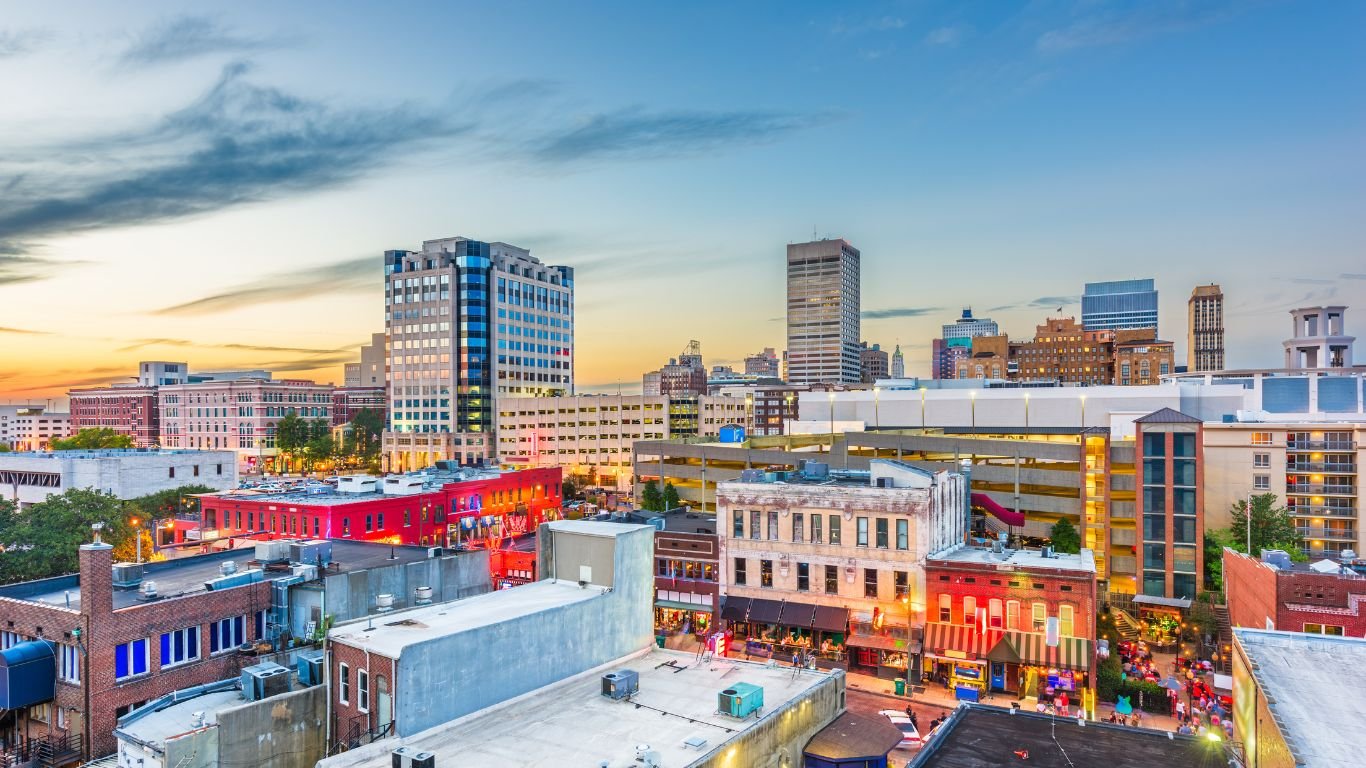
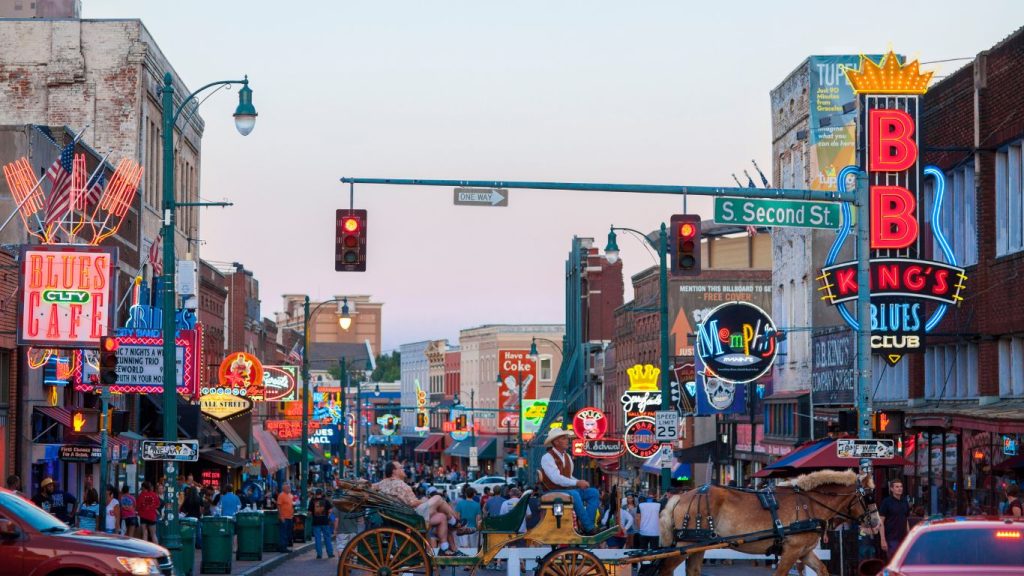
Most journeys begin in Memphis’s center, where South Main’s revitalized historic district provides proximity to museums and Beale Street’s nightly music. An evening might bring a welcoming meal featuring Southern cuisine—barbecue traditions, regional preparations—followed by live music at a venue where the ratio of locals to tourists suggests authenticity beyond Beale Street’s commercial intensity.
The Body: Graceland, Studios, and Soul Heritage
Time is spent among Memphis’s documented history and preserved sites. Graceland offers Elvis’s domestic environment frozen in 1970s decoration, revealing both the isolation of fame and the specific tastes that shaped rock’s most commercially successful figure. Sun Studio provides physical connection to early rock, blues, and country recordings made in a space limited by 1950s technology. Stax Museum documents Southern soul’s development through one label’s history, neighborhood context, and the racial dynamics that shaped its sound and eventual collapse. Lunches happen at barbecue establishments that maintain slow-cooking traditions. There is space between intense historical sites for processing, rest, and independent exploration.
Variations: Beale Street and Civil Rights Context
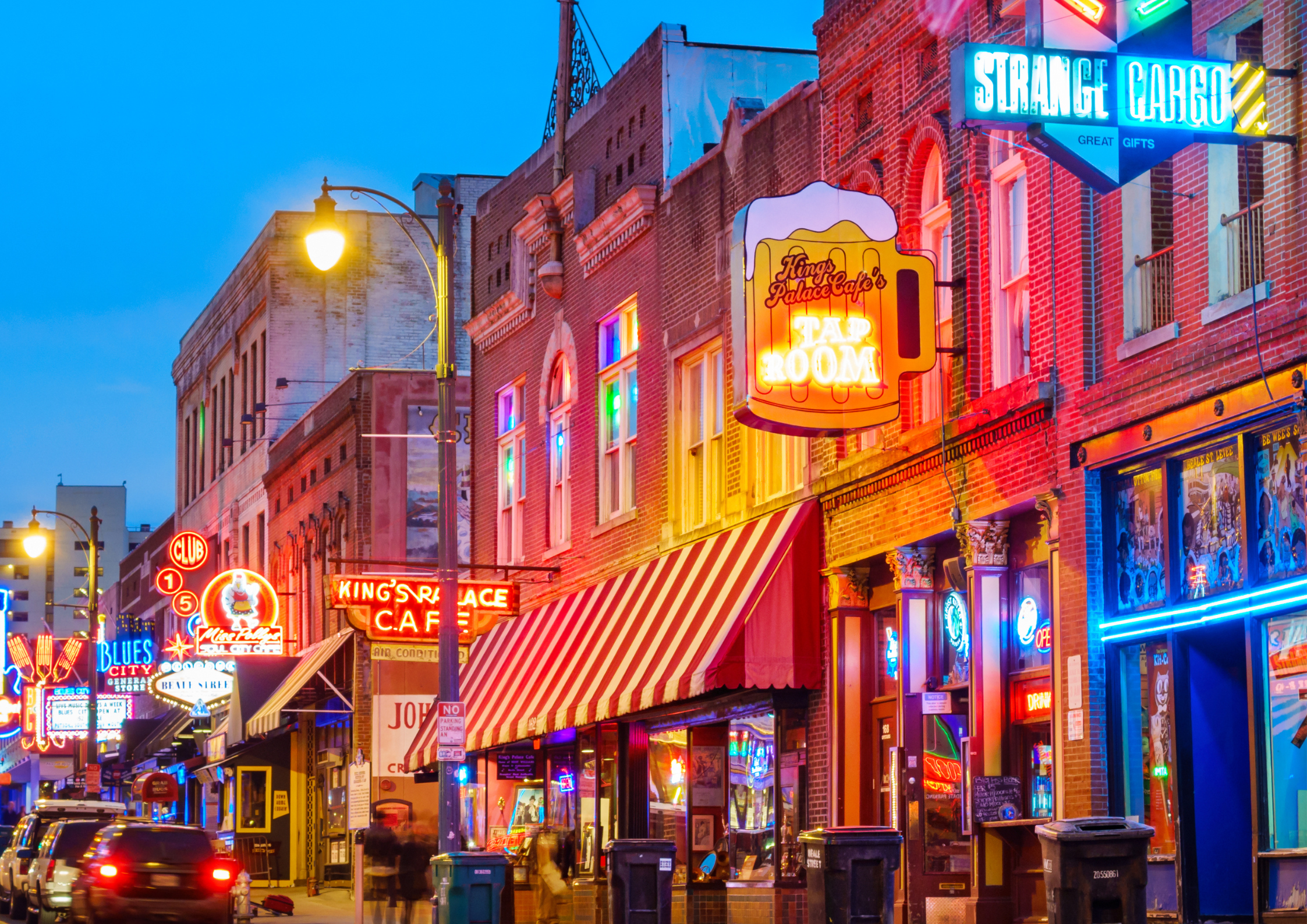
Beale Street represents Memphis’s most visible music tourism—multiple venues, constant live music, commercial energy that ranges from authentic blues to tourist-oriented entertainment. The distinction becomes clearer after visiting Sun Studio and Stax, where the music’s origins provide context for contemporary presentations. The National Civil Rights Museum, housed in the Lorraine Motel where Dr. King was assassinated, offers necessary historical framework for understanding how Memphis’s music emerged from and responded to segregation, economic inequality, and social struggle.
Closing Notes: Departure
The final morning is intentionally open. A last breakfast, a return to a site that resonated, or simply reflection before departure. Some travelers end here. Others extend to Nashville, New Orleans, or deeper into Mississippi Delta blues territory.
You understand that music tourism involves confronting difficult histories—that Elvis’s appropriation of Black musical forms, Stax’s eventual bankruptcy, and Beale Street’s transformation into entertainment district all reflect larger American patterns of racial and economic dynamics.
This journey is for travelers who want Memphis’s complexity rather than simplified nostalgia, who appreciate music history when it includes uncomfortable truths alongside celebration.
Memphis, Tennessee, USA
Mississippi River city, home to Sun Studio, Stax Records, Graceland, Beale Street entertainment district, National Civil Rights Museum.
Private, tailor-made cultural immersion with flexible pacing. Built around your interests in specific music eras, balance of pilgrimage sites versus broader historical context, and preferred depth of Civil Rights engagement. Custom itineraries available year-round.
- Spring (April-May) and Fall (September-October) offer comfortable weather for walking between sites and outdoor exploration.
- Summer (June-August) brings heat and humidity; all indoor sites (Graceland, Sun Studio, Stax, museums) remain accessible with air conditioning.
- Winter (November-March) provides mild conditions and smaller tourist crowds; Beale Street and music venues operate consistently year-round.
Begin Your Journey With Us
Designed by musicians. Dedicated to your discovery.
Gallery
Sun Studio
Memphis, Tennessee
Beale St.
Memphis, Tennessee
Learn more about American Music
Sounds of the South: A Musician’s Journey Through the Roots of American Music
Discover the sounds of the South and their connection to the cultural identity and music history of cities like New Orleans, Memphis…