
A Bespoke Music Journey Through Japan
Japan’s traditional music exists within specific contexts—shamisen performed in kabuki theater, shakuhachi practiced as Zen meditation tool, koto associated with court culture, taiko used in shrine festivals. Understanding these instruments requires visiting the physical and cultural spaces where they developed: temples that preserve shakuhachi lineages, theaters where shamisen accompanies dramatic forms, shrines where ritual music continues centuries-old practices. Tokyo provides contemporary context and initial exposure, Kyoto offers temple residency and intensive study, Mount Fuji reveals landscape aesthetics that shaped musical philosophy, and Nara preserves Shinto and Buddhist musical traditions in their oldest forms.
This journey is not a fixed-date group tour. It is a privately designed experience shaped around your interests, timing, and how deeply you want to engage with Japanese traditional music—whether through hands-on instrument study, observation of professional performances, or understanding how Buddhist and Shinto practices shaped musical development. Some travelers compose two-week immersions emphasizing workshops with master musicians alongside temple stays and cultural context. Others focus their tailor-made tour on specific instruments or regions, allowing deeper engagement with particular traditions rather than comprehensive geographic coverage. Both approaches are possible, and every itinerary is built from scratch.
Whether you are traveling as musicians seeking technical instruction in traditional instruments, cultural scholars exploring connections between music and religious practice, or simply travelers who want Japan’s depth rather than superficial tourism, we design each journey to balance intensive study with reflective intervals—guided by our network of master musicians, temple contacts, and cultural partners across Japan.
How a Japan Journey Might Unfold
A sample flow, fully customized around your dates, interests, and pace.
Every Japan journey we design unfolds differently. What follows is not an itinerary, but a sense of how traditional instruments, temple contexts, and regional landscapes often come together across Tokyo, Mount Fuji, Kyoto, and Nara. The details, timing, and emphasis are always shaped around you.
Opening Notes: Tokyo
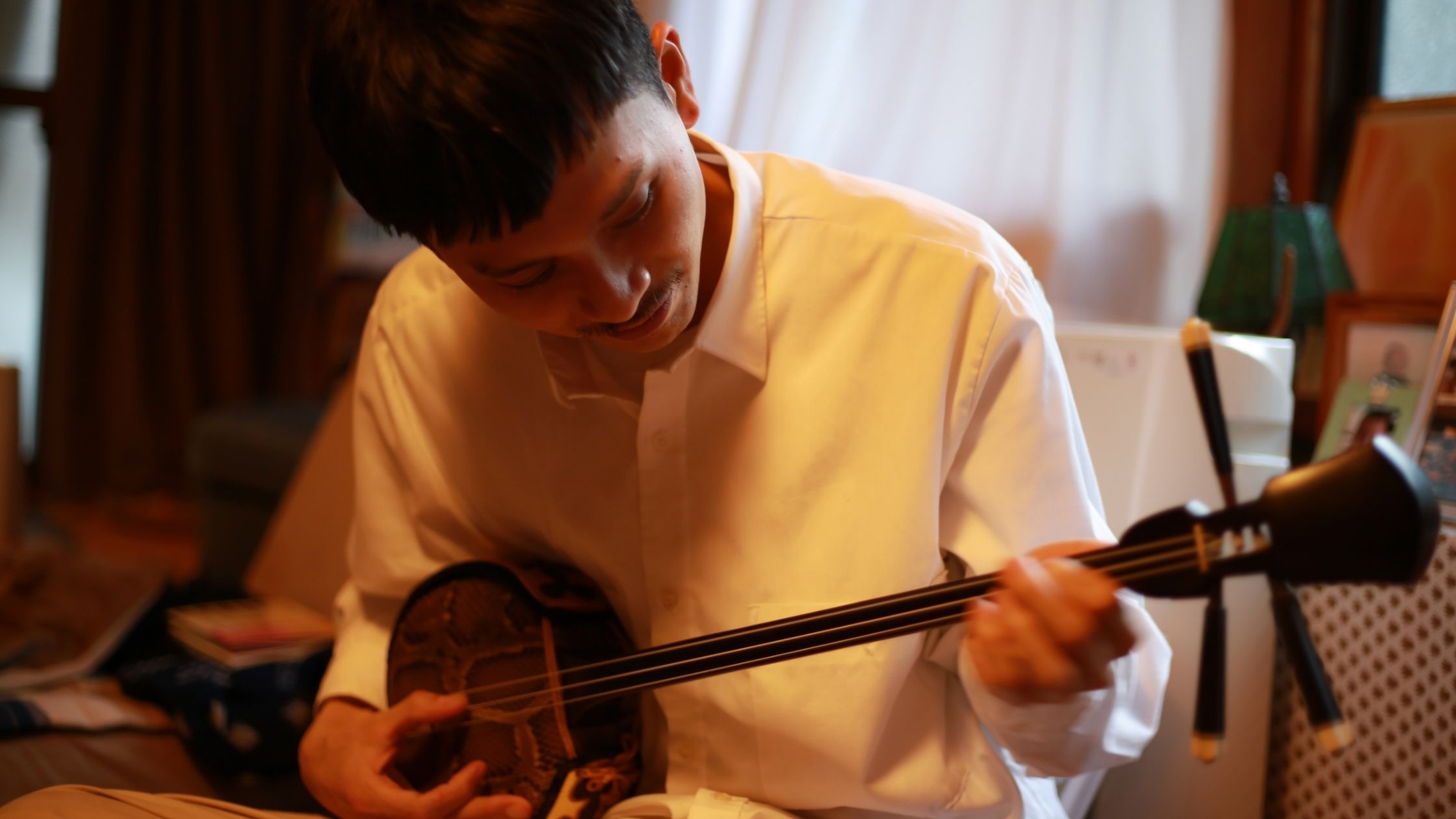
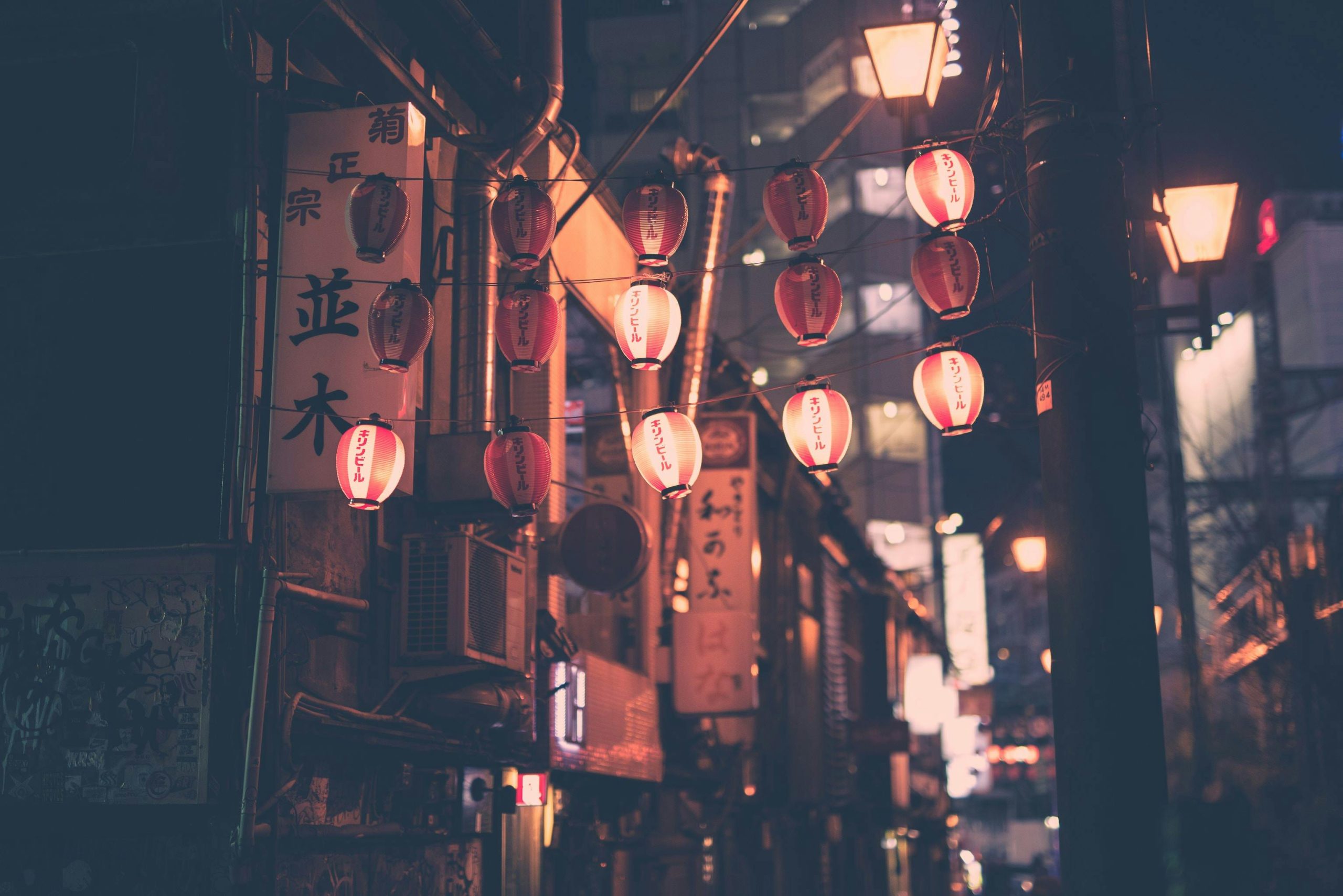
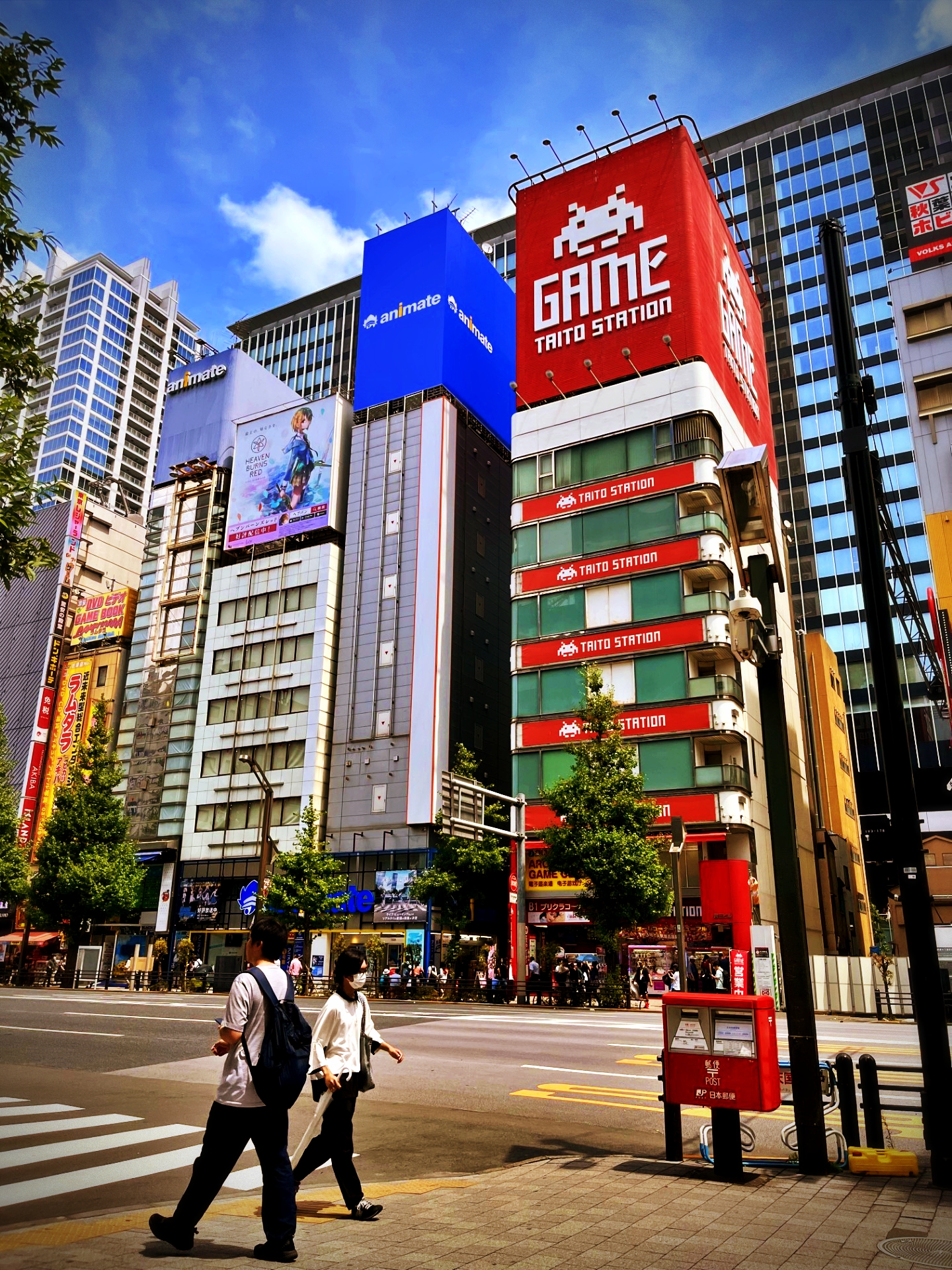
Most journeys begin in Tokyo, where initial exposure to Japanese culture happens through manageable neighborhoods like Yanesen before encountering the city’s intense commercial districts. Early days might include shamisen workshops with master teachers, kabuki theater attendance where the instrument functions dramatically, or visits to Tokyo National Museum for historical instrument collections. Evenings allow exploration of contemporary music scenes or quiet reflection in traditional accommodations.
The Body: Mount Fuji, Kyoto, Nara
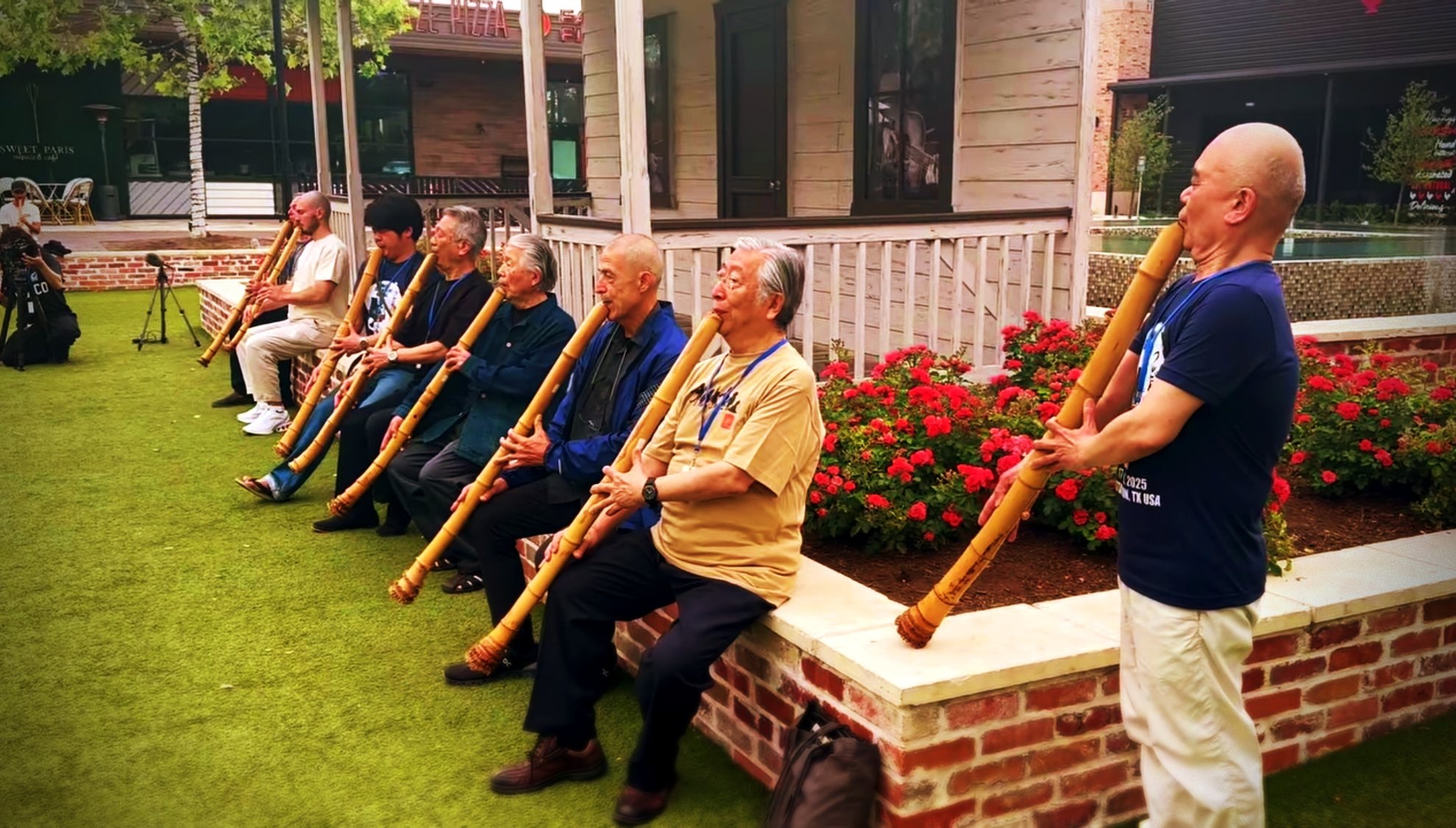
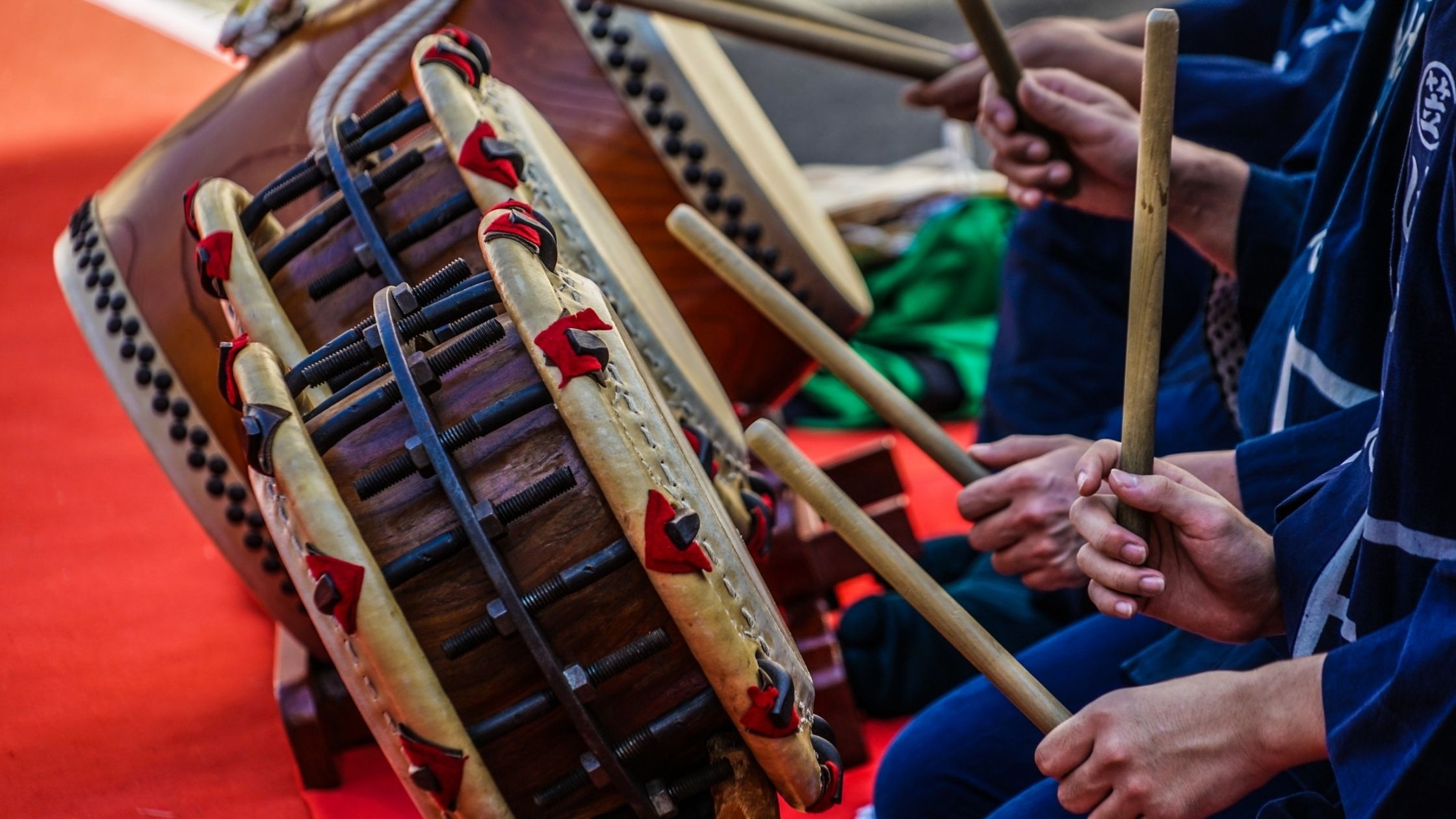
Mornings usually begin with specific instrument instruction—shakuhachi lessons emphasizing breath control and Zen philosophy at Myoan-ji temple in Kyoto, koto workshops revealing the instrument’s court music heritage, taiko drumming sessions in Nara’s traditional dojo spaces. Kyoto’s temple residency offers immersive experience: sleeping on tatami, eating shojin ryori vegetarian cuisine, observing or participating in morning meditation, understanding how monastic discipline shaped musical practice. Mount Fuji provides geographic and aesthetic context—the landscape aesthetics that informed Japanese musical philosophy, the relationship between natural sound and constructed music. Free afternoons allow processing intensive morning sessions, independent temple visits, or rest between physically and culturally demanding experiences.
Variations: Cultural Context and Free Exploration
Traditional music cannot be separated from its broader contexts. Kabuki theater demonstrates shamisen’s dramatic function. Tea ceremony reveals aesthetic principles that shaped koto performance practice. Shrine visits at Fushimi Inari or Kasuga Taisha show where ritual music still operates functionally rather than as preserved tradition. Free days allow independent exploration—Arashiyama’s bamboo groves, Kyoto’s record shops and listening bars, Nara’s deer park, or simply processing the cultural intensity through quiet wandering.
Closing Notes: Return to Tokyo
The final days return to Tokyo for farewell gatherings and departure logistics. Some travelers end here. Others use Japan as entry point to broader East Asian exploration—extensions to Korea’s traditional music or further study in specific Japanese regional traditions.

You understand that traditional music study in Japan involves cultural protocols—removing shoes in certain spaces, sitting formally on tatami for extended periods, observing teacher-student hierarchies that differ from Western educational approaches.
This journey is for travelers willing to engage seriously with unfamiliar systems, who value depth over superficial cultural sampling, who want Japan’s traditional music in its actual contexts rather than tourist presentations.
Tokyo, Mount Fuji region, Kyoto, Nara, Japan
Multi-city journey through Japan’s traditional music centers, temple communities, and cultural heritage sites.
Private, tailor-made cultural immersion with intensive instrument study. Built around your interests in specific instruments, balance of instruction versus observation, and preferred depth of temple or cultural engagement. Custom itineraries available year-round, though temple residencies require advance coordination.
- Spring (March-May) offers cherry blossom season and comfortable temperatures; popular season requires early booking.
- Summer (June-August) brings heat and humidity; temple schedules and workshops continue consistently.
- Fall (September-November) provides autumn colors and comfortable conditions; peak season for Kyoto temple visits.
- Winter (December-February) offers access to snowy landscapes and fewer tourists; traditional music practice continues year-round indoors.
Begin Your Journey With Us
Designed by musicians. Dedicated to your discovery.
Experiences
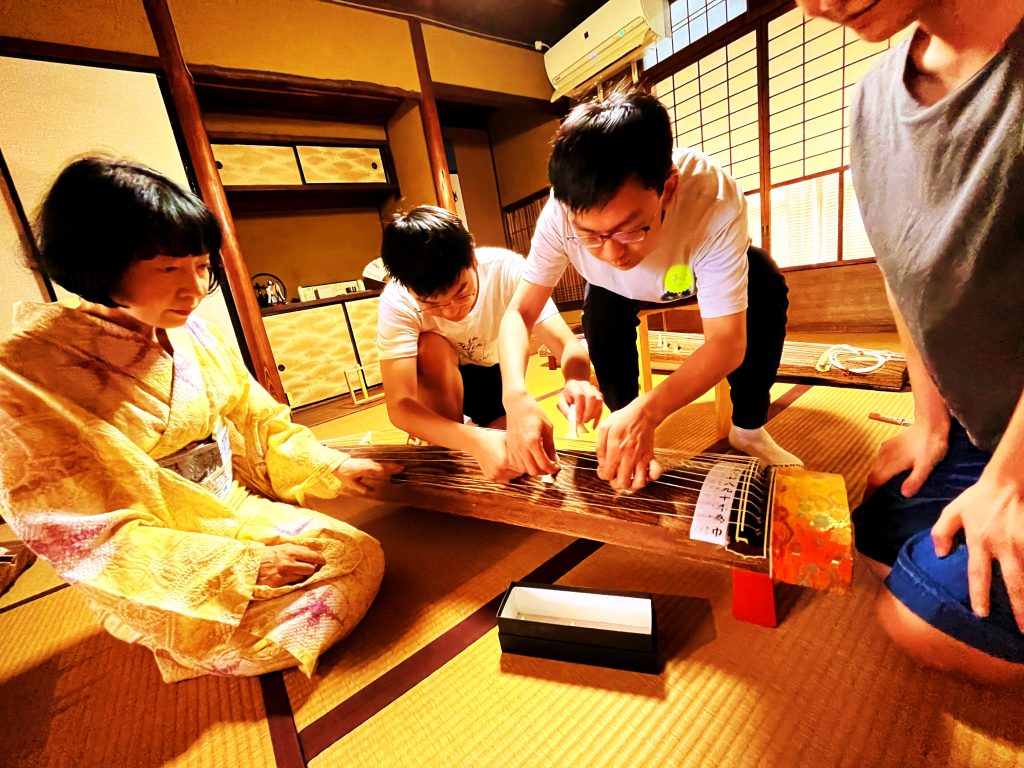
Music Experience with Japanese musicians
Kyoto, Japan
Private Curated Performances
Kyoto, Nara Japan
Learn more about Japan
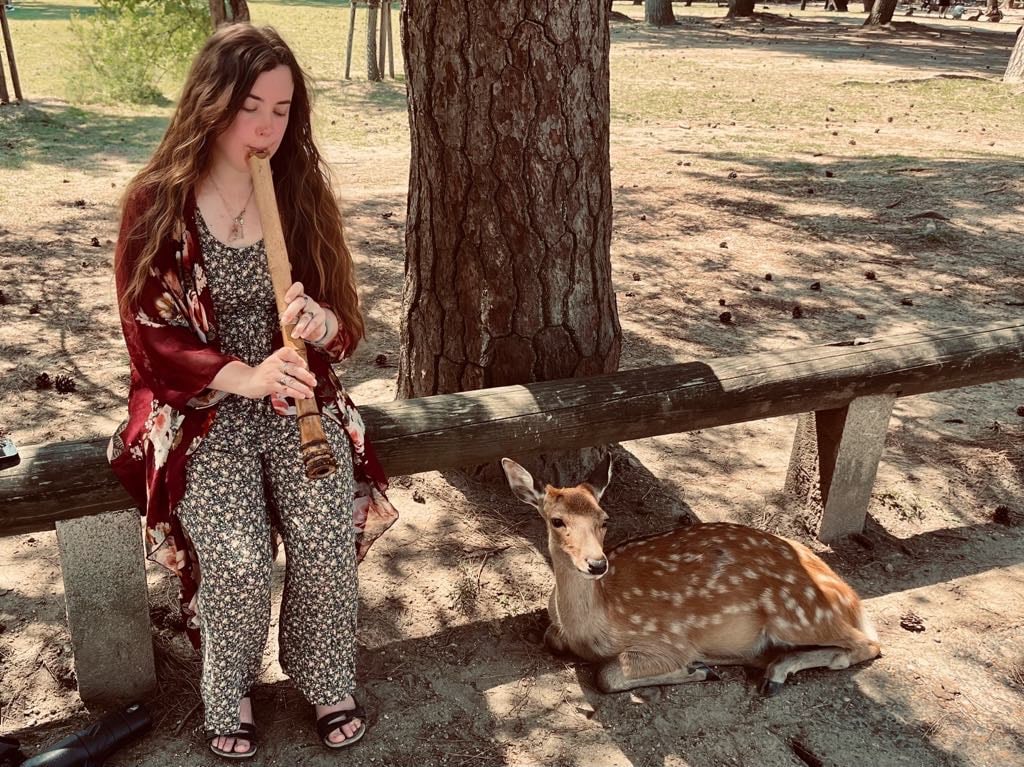
Shakuhachi: The Essence of Japanese Sound
…Iceland exists on a different timeline. It is a landscape defined by raw, unfinished earth, a place where the physical world is still in the process of being made. For an artist, this environment offers a rare psychological alignment. When the world around you is in a state of creation, it becomes significantly easier to create…