
A Bespoke Music Journey Through Colombia
Colombia’s musical diversity reflects its geographic and cultural complexity—Medellín’s urban transformation through hip-hop and Comuna 13’s street art, Cartagena’s champeta as Afro-Caribbean identity marker, San Basilio de Palenque’s preservation of African-derived musical traditions, San Jacinto’s gaita and cumbia roots, and Mompox’s colonial isolation maintaining older musical forms along the Magdalena River. Understanding this regional variation requires multi-city travel through contrasting environments: Andean mountain culture, Caribbean coastal traditions, and river communities where geography shaped distinct musical development.
This journey is not a fixed-date group tour. It is a privately designed experience shaped around your interests, timing, and how deeply you want to engage with Colombia’s regional music cultures—whether through hands-on workshops with master musicians, understanding how African diaspora shaped Caribbean Colombian identity, or exploring how geography and isolation created distinct musical traditions in places like Mompox and Palenque. Whether you are traveling as musicians seeking technical instruction in traditional instruments, cultural scholars exploring Afro-Colombian heritage, or travelers who want Colombia’s depth rather than superficial tourist circuits, we design each journey to balance intensive cultural engagement with practical comfort—guided by our network of local musicians, cultural ambassadors, and regional partners across Colombia.

How a Colombia Journey Might Unfold
A sample flow, fully customized around your dates, interests, and pace.
Every Colombia journey we design follows its own rhythm. What follows is not an itinerary, but a sense of how regional music traditions, Afro-Caribbean culture, and Colombian landscapes often come together across Medellín, Cartagena, Palenque, San Jacinto, and Mompox. The details, timing, and emphasis are always shaped around you.
Opening Notes: Medellín
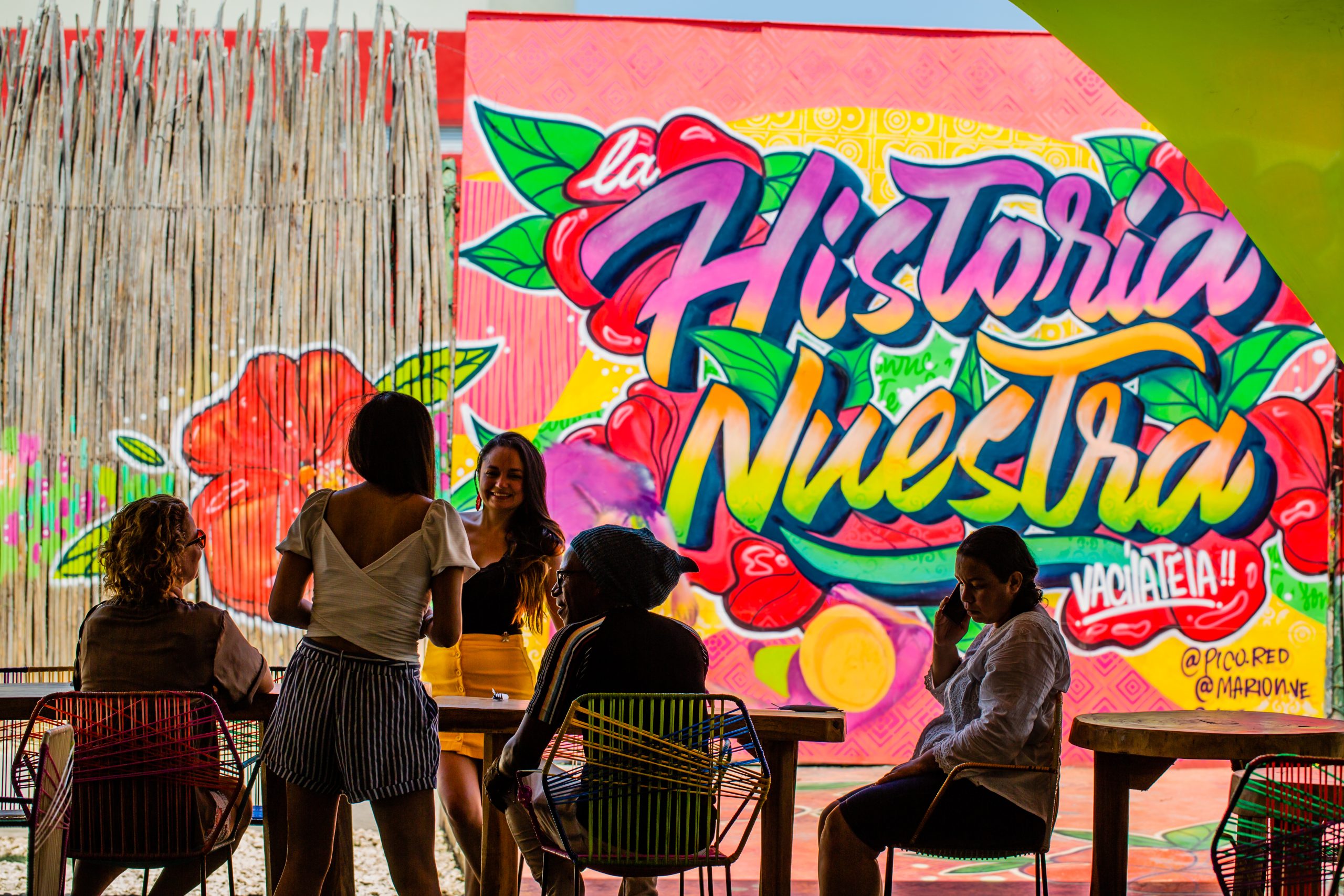
Most journeys begin in Medellín, where Comuna 13’s transformation through hip-hop, graffiti, and breakdancing demonstrates how music functions as social change agent. City tours reveal Medellín’s evolution from violent narco-capital to urban innovation model, though this narrative requires acknowledging ongoing inequality and displacement alongside celebrated transformation. Evening tango performances connect to Colombia’s particular relationship with Argentine dance culture. Free days allow optional excursions to Guatapé or independent city exploration.
The Body: Cartagena, Palenque, San Jacinto
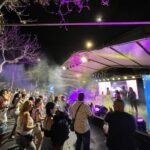
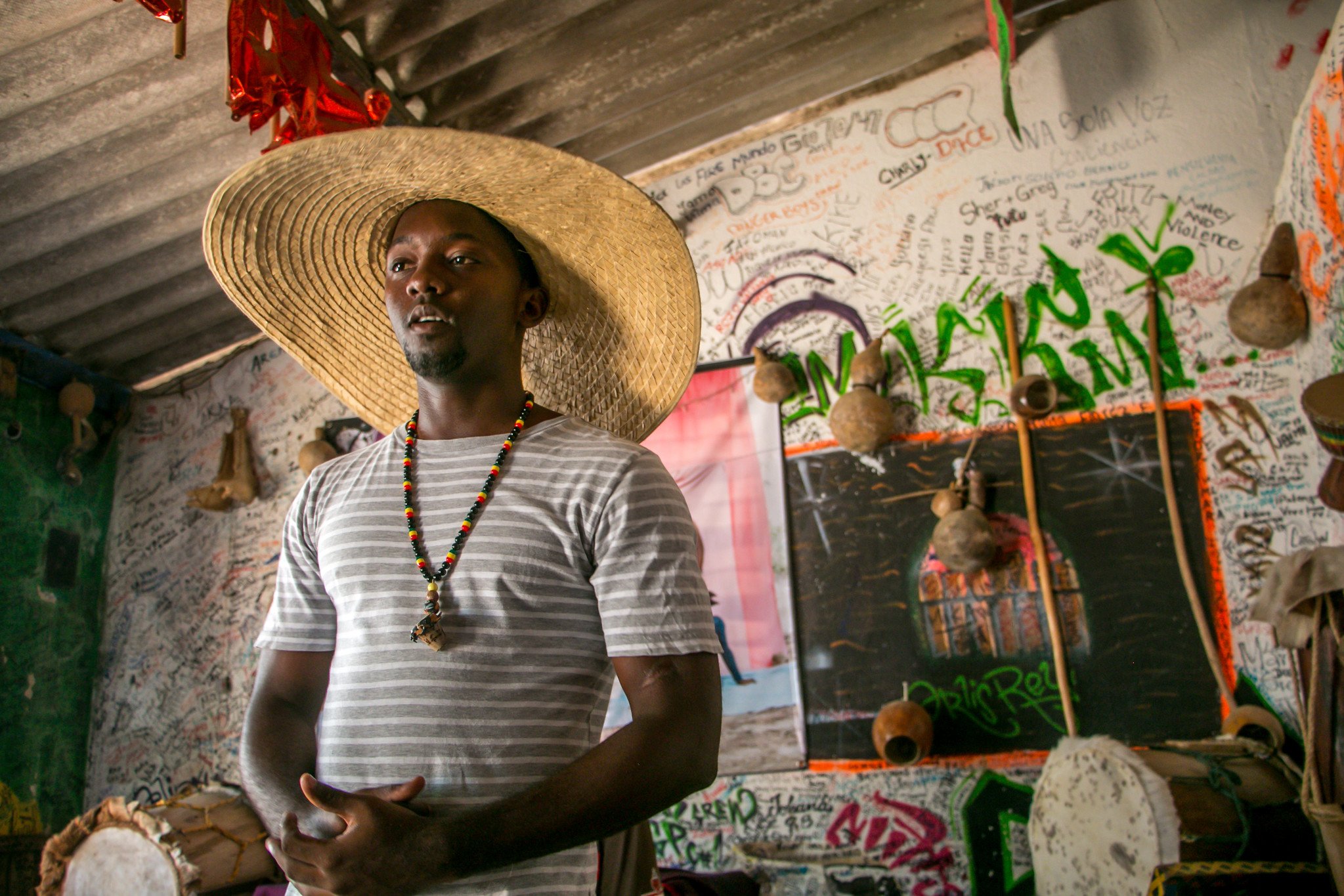
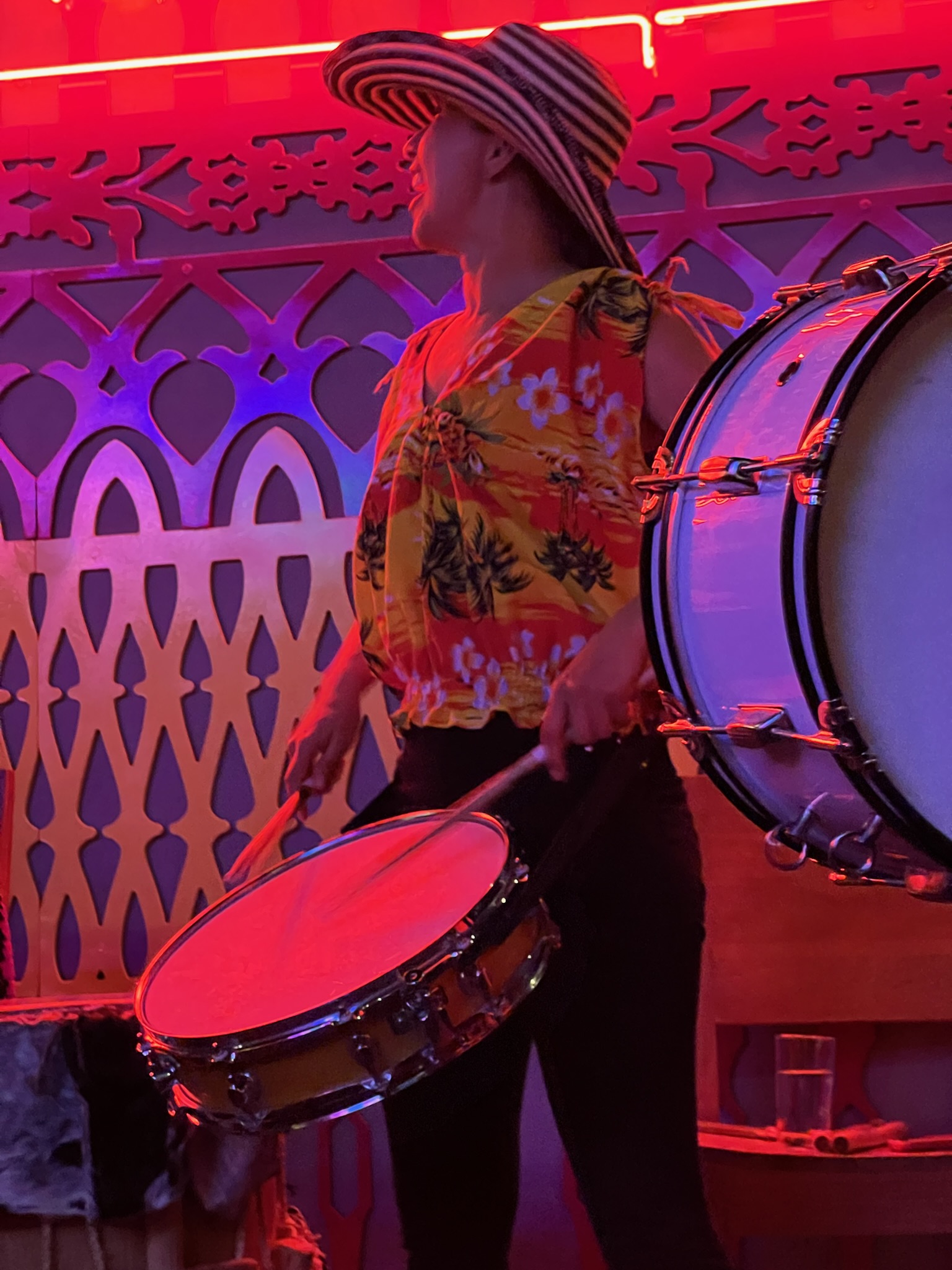
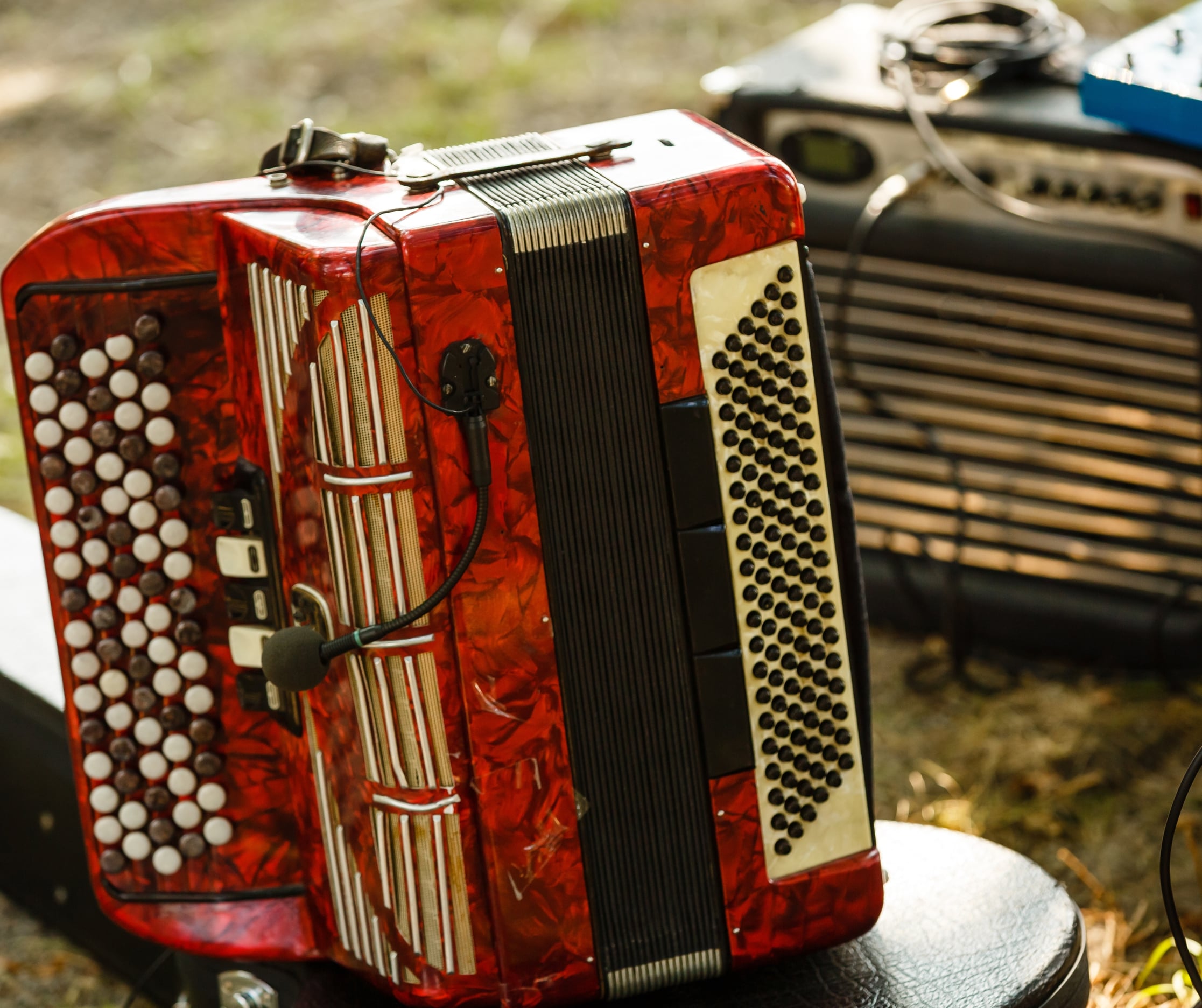
Days are structured around Afro-Caribbean and regional traditions. Cartagena introduces champeta—the music once banned for its association with Black culture, now reclaimed as city identity. Bazurto Market visits and Getsemaní neighborhood tours provide context; evening champeta clubs demonstrate the dance’s athletic demands. San Basilio de Palenque offers full-day immersion in the first free African town in the Americas: tambor workshops with community musicians, meals introducing Palenque’s African-influenced cuisine, conversations about how the town maintains palenquero language and cultural autonomy. San Jacinto’s gaita workshops teach traditional flute and drum techniques; master musicians explain how this region developed cumbia and gaita traditions distinct from coastal variations.
Variations: Mompox and River Culture
Mompox’s colonial isolation along the Magdalena River created specific conditions preserving older musical forms and artisan traditions like Momposina filigree. The town’s remoteness (accessible only by ferry or long road detour) protected it from development pressures that transformed more accessible Colombian cities. Visits to Ciénaga de Pijiño reveal “amphibious communities” whose lives follow water cycles, shaping local musical traditions. Evening performances feature traditional instruments and corozo wine tastings.
Closing Notes: Return to Cartagena
The final days return to Cartagena for departure or optional extensions to Rosario Islands. Some travelers end here. Others use Colombia as entry to broader Latin American musical exploration

You’re drawn to places where culture is lived, not staged. You want to understand how music, history, and community shape a city’s identity—not just photograph its colorful walls.
This made-to-measure weekend is for travelers who value substance over surface, who listen closely, and who appreciate experiences that feel culturally grounded rather than performative. Whether you’re a musician seeking rhythmic education, a cultural traveler exploring Afro-diasporic traditions, or simply someone who wants a weekend that feels meaningful rather than transactional, this journey is built around how you engage with place.
Medellín, Cartagena, San Basilio de Palenque, San Jacinto, Mompox, Colombia
Multi-city journey through Andean, Caribbean, and river regions representing Colombia’s musical diversity.
Private, tailor-made regional exploration with flexible pacing. Built around your interests in specific musical traditions, balance of urban versus rural contexts, and preferred depth of workshop participation.
- December-March provides dry season for easier travel to Mompox and rural areas; also peak tourist season in Cartagena.
- April-November brings rain but fewer tourists and more authentic access to urban and coastal areas; Mompox access may require flexibility.
- Year-round workshops and performances possible, though specific festivals and community events vary seasonally.
Begin Your Journey With Us
Designed by musicians. Dedicated to your discovery.
Gallery
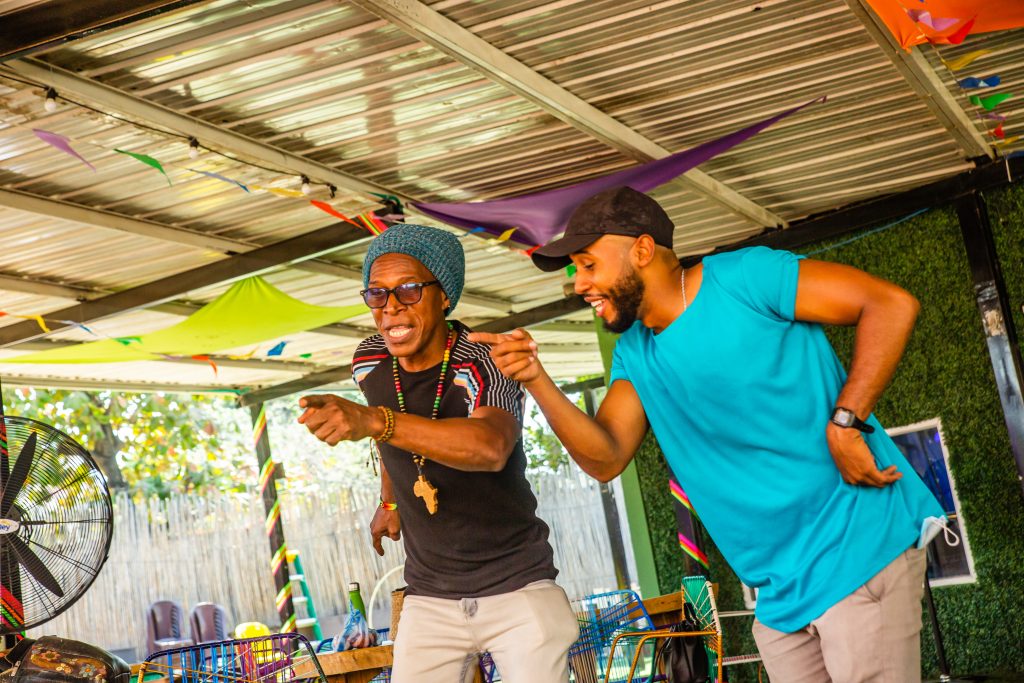
Champeta Experience
Cartagena, Colombia
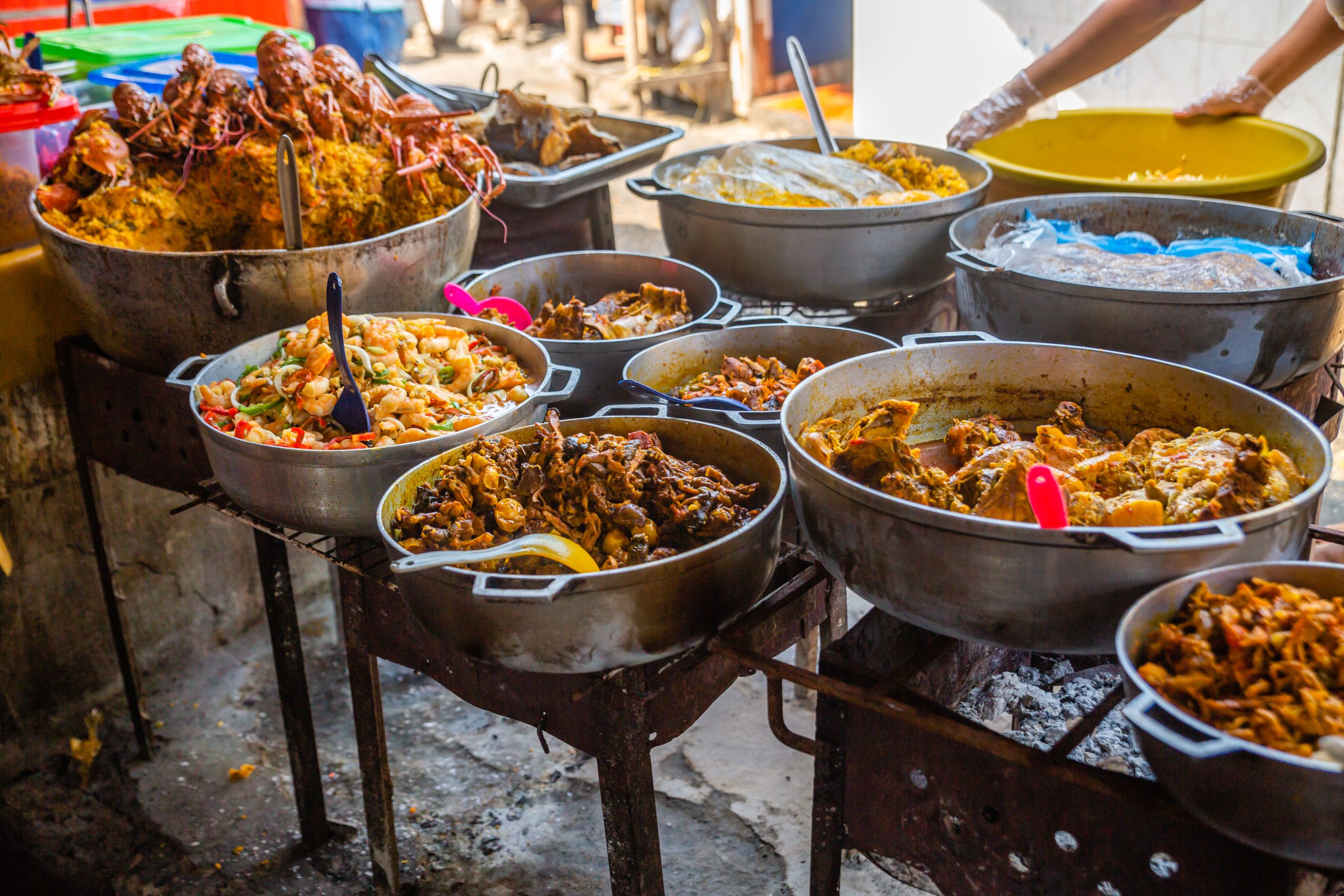
Traditional-Street Food
Cartagena, Colombia
Learn more About Colombia
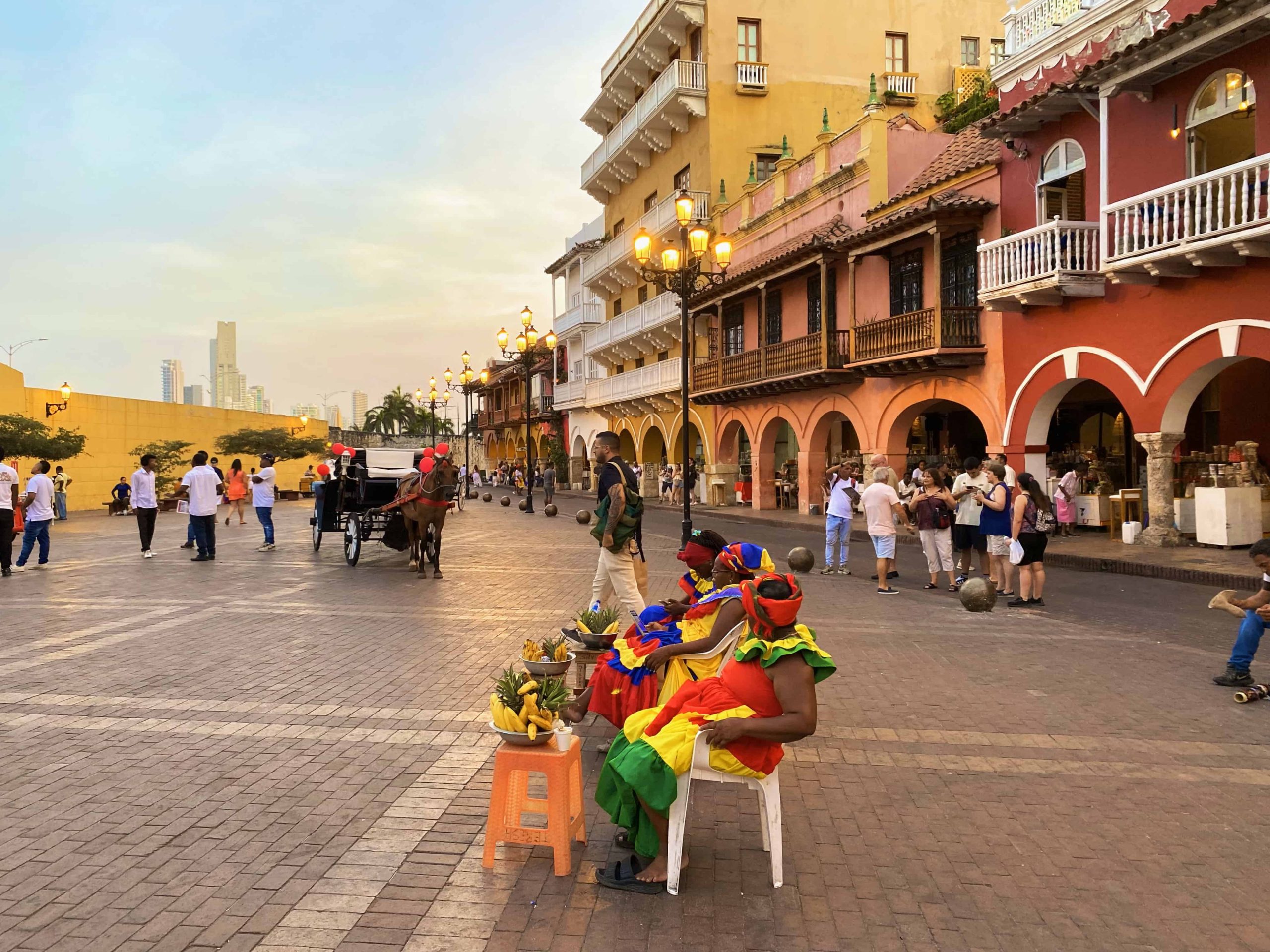
Afro-Colombian Rhythms in Cartagena: Cumbia, Champeta and Mapalé
Cartagena is a place where history is composed, played, and danced. Music is identity. In every plaza, street, and neighborhood, the rhythms that have shaped generations continue to sound which are cumbia, champeta and mapalé. Each one comes from a different root, but all share a living blend of African, Indigenous, and Spanish heritage.
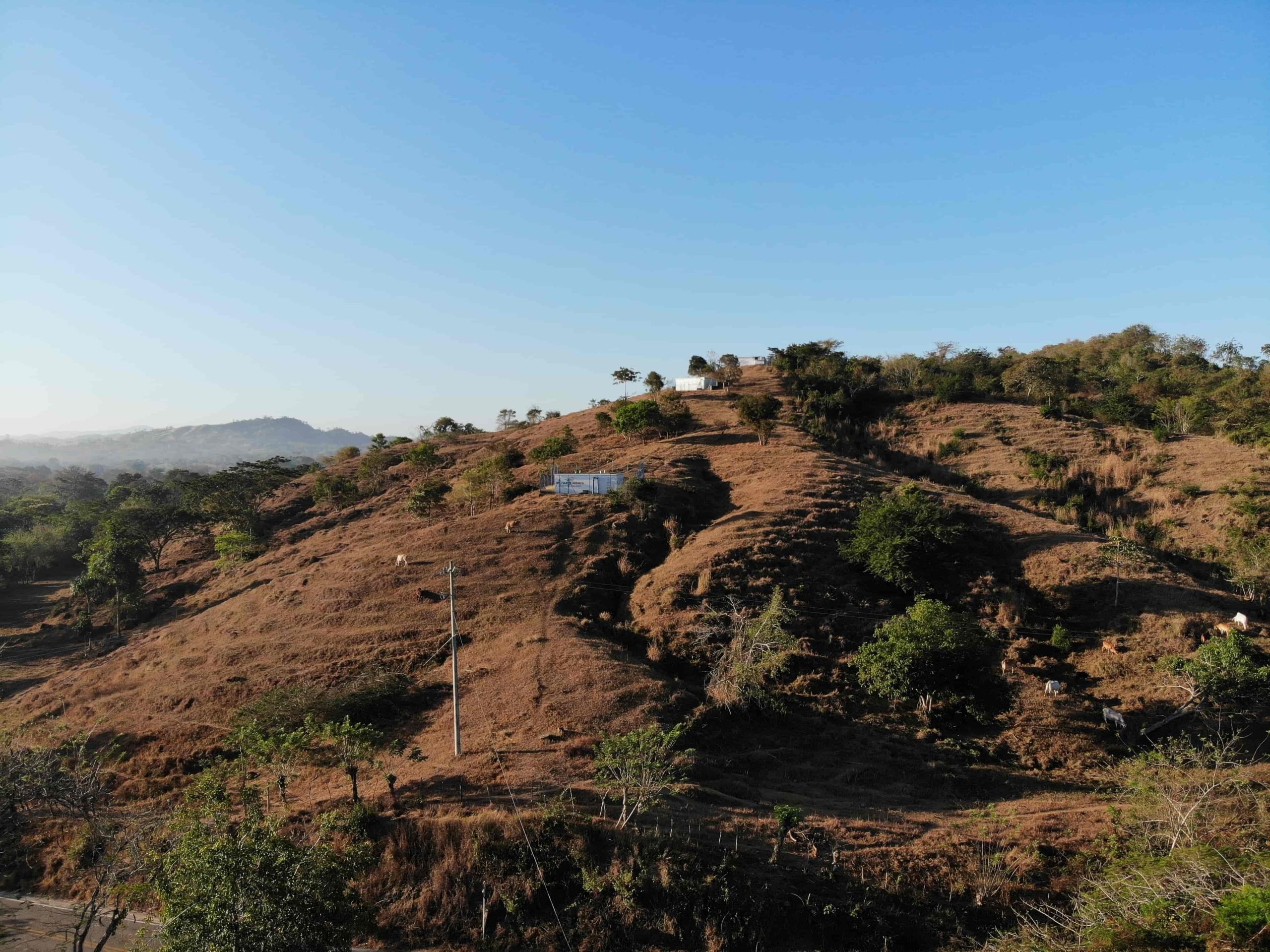
Cartagena and San Basilio de Palenque: Stories of Freedom and Cultural Legacy
Cartagena de Indias celebrates its 492 anniversary this year. A good time to look closer at the layers that built this city. Beyond the balconies and plazas, Cartagena holds stories that shaped not just Colombia, but all of the Americas. Its colonial architecture and coastal charm are only part of a much bigger picture.
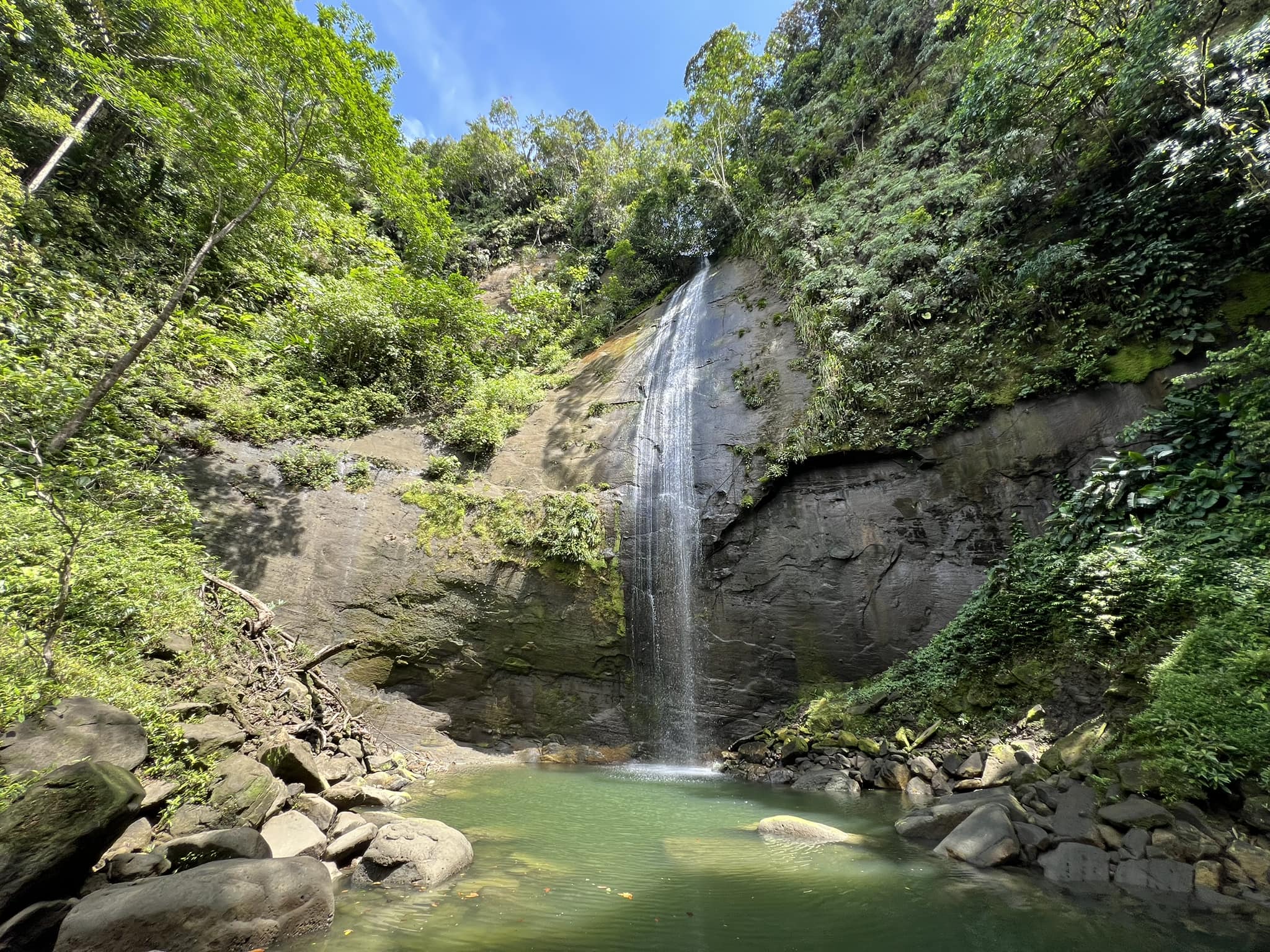
Discovering Buenaventura: Colombia’s Pacific Coast
When most travelers think of Colombia, they often picture the bustling cities of Bogotá or Medellín, or the Caribbean character of Cartagena. But on a recent journey supported by ProColombia, I experienced a completely different side of the country, Buenaventura and the Pacific Coast.