 Skip to content

A Bespoke Weekend in Cartagena
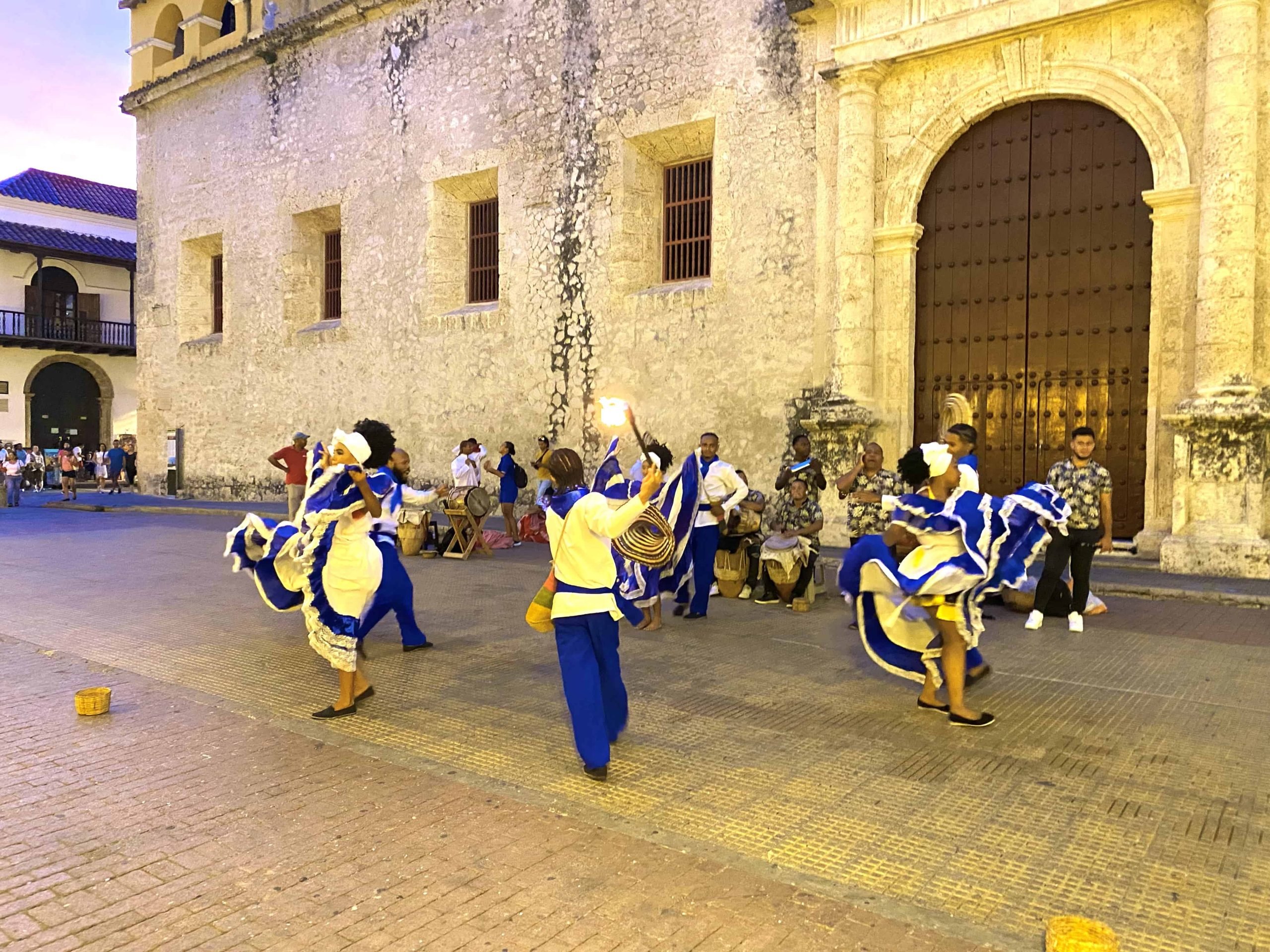
Cartagena exists at the intersection of Caribbean rhythm and colonial history, where champeta pulses through Getsemaní’s painted walls and African-rooted traditions thrive in communities like San Basilio de Palenque. The city moves to its own beat—cumbia in the plazas, tambores in the streets, and a cultural resilience that has shaped Colombia’s Caribbean identity for centuries.
This journey is not a fixed-date group tour. It is a personally crafted weekend experience built around your timing, interests, and how deeply you want to engage with Cartagena’s Afro-Caribbean musical heritage. Some travelers design a long weekend anchored by champeta and colonial exploration, while others extend their stay to include coastal rhythms, island escapes, or connections to the region’s living musical traditions. Both approaches are possible, and every custom itinerary is designed from the ground up.
Whether you are traveling as a couple celebrating a milestone, a family drawn to music and history, or friends seeking cultural substance over beach resorts, we compose each tailor-made tour to balance immersion, discovery, and the freedom to move at your own tempo—guided by our network of musicians, cultural ambassadors, and local partners in Cartagena and Palenque.
How a Cartagena Weekend Might Unfold
A sample flow, fully customized around your dates, interests, and pace.
Every weekend we design in Cartagena follows its own arc. What follows is not a rigid schedule, but a sense of how Caribbean music, colonial architecture, and Afro-Colombian heritage often weave together over three or four days. The specifics—timing, depth, optional experiences—are always shaped around you.
Opening Notes: Arrival and First Sounds
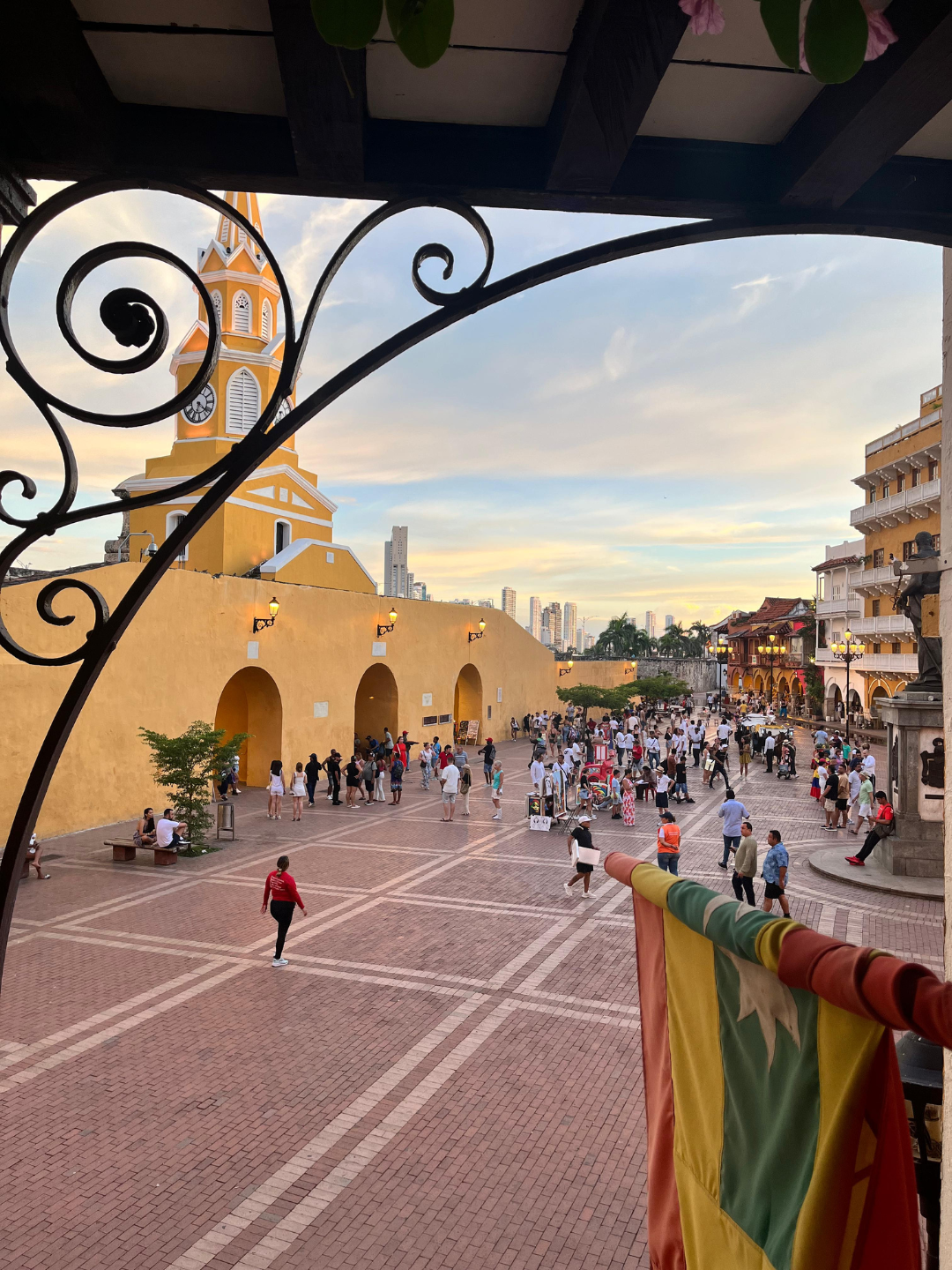
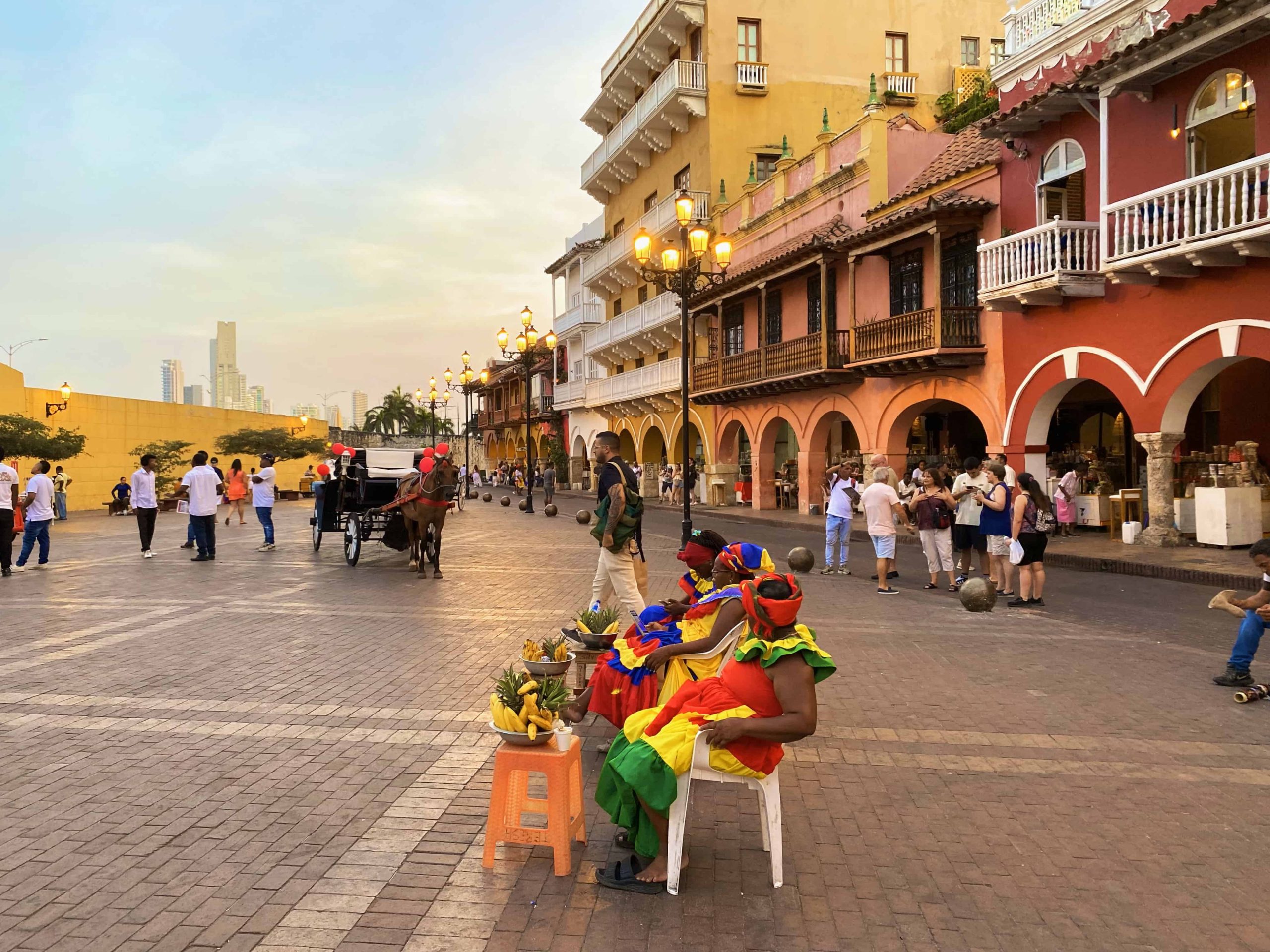
Most bespoke travel experiences begin with settling into Cartagena’s walled city, where colonial balconies overlook cobblestone streets and the Caribbean air carries cumbia from nearby plazas. Your accommodation is chosen for location, character, and proximity to the cultural pulse you’ve come to experience.
An evening might include a first meal at a locally loved restaurant—Caribbean seafood, coconut rice, fried plantains—allowing flavors and conversation to introduce you to the region. For some, this opening night includes a quiet walk through lamplit streets. For others, an early taste of Getsemaní’s nightlife. There is room to ease in without agenda.
First Movement: Palenque and Living Heritage
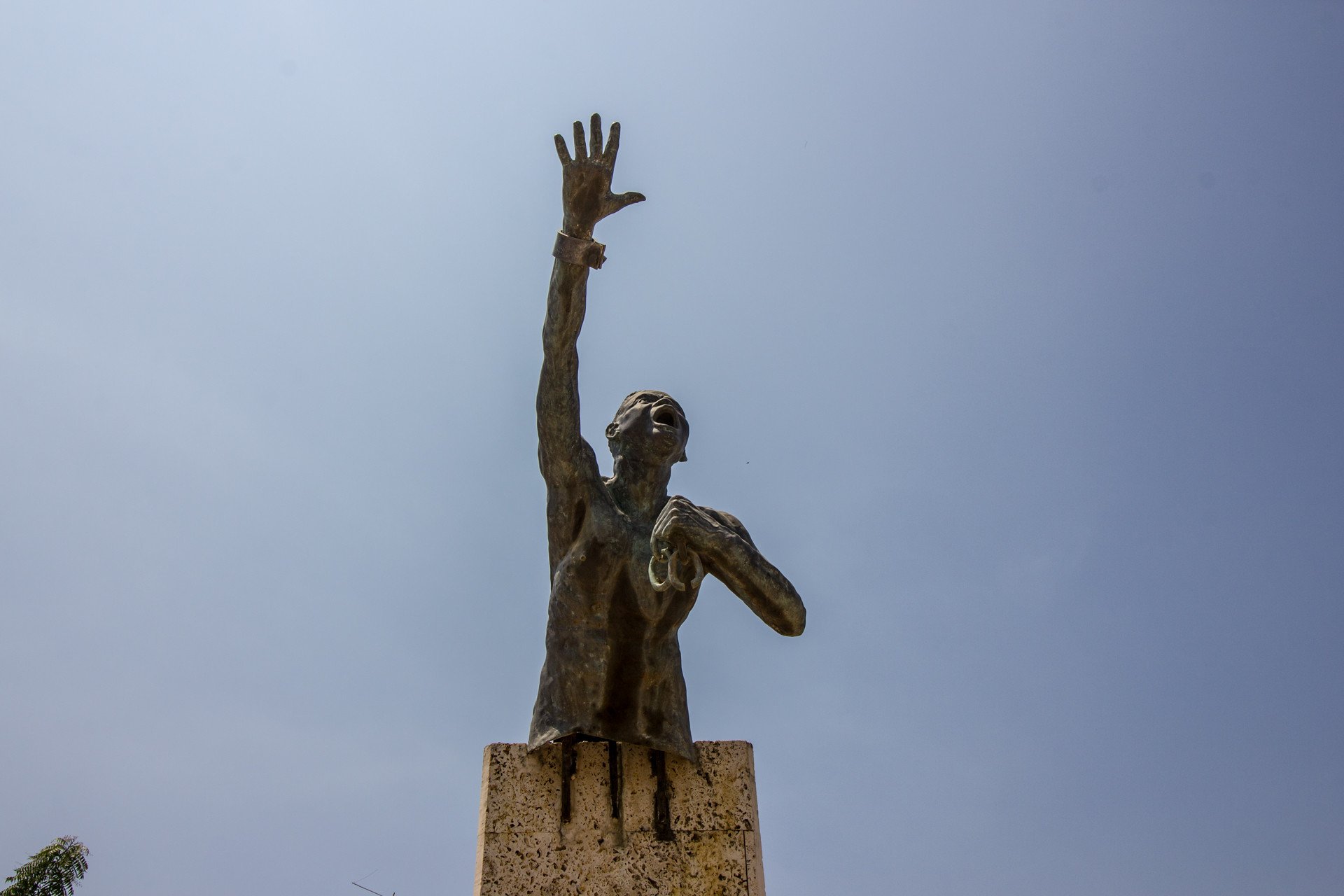
A journey to San Basilio de Palenque—the first free African town in the Americas—anchors many Cartagena weekends. Located about an hour from the city, this community preserves its own language (palenquero), musical traditions, and cultural autonomy established in the 17th century when enslaved Africans freed themselves and built a society rooted in resistance and pride.
Here, music is not performed for tourists—it is lived. Local musicians guide you through tambor rhythms, explaining how drums carry history, celebration, and social commentary. Conversations with elders and cultural custodians reveal how Palenque’s legacy continues to influence Colombia’s Afro-Caribbean identity today.
Traditional meals prepared by community members introduce you to Palenque’s culinary heritage—dishes shaped by African ingredients and Caribbean adaptation. Time stretches comfortably. There is space to listen, to ask questions, and to understand why this place matters beyond its UNESCO designation.
Second Movement: Champeta, Markets, and Movement
Back in Cartagena, the city’s contemporary Afro-Caribbean sound takes center stage. Champeta—a genre born in Cartagena’s working-class neighborhoods, once banned for its association with Black culture, now celebrated as the heartbeat of the city—becomes your guide to understanding how music, identity, and social change intersect.
A visit to Bazurto Market reveals the sonic landscape that shaped champeta: street vendors’ calls, layered conversations, the rhythmic energy of daily commerce. This is where champeta icon Charles King’s influence still resonates, where the genre’s African and Caribbean roots meet Colombian innovation.
Getsemaní, Cartagena’s cultural neighborhood, provides context through street art, independent venues, and conversations with local figures who remember when champeta was underground resistance rather than mainstream pride.
As evening arrives, a champeta club offers the chance to witness dancers whose movements tell stories—athletic, improvisational, rooted in cultural memory. Whether you choose to watch or join, the experience is participatory without pressure.
Closing Notes: Reflection or Continuation
The final morning is deliberately unstructured. A last breakfast in the walled city, a return to a favorite plaza, or simply time to absorb what the weekend has revealed before departure.
For some, this completes the arc. For others, Cartagena becomes the opening movement of a longer Colombian journey—extending to Colombia’s Pacific coast, coffee region, or Andean musical centers. We design these extensions as seamless continuations, not separate trips.
San Basilio de Palenque
The First Free Town in the Americas
San Basilio de Palenque holds a singular place in Afro-diasporic history. Founded in the early 1600s by self-liberated Africans led by Benkos Biohó, Palenque established itself as a free community decades before Colombia’s official abolition of slavery. The Spanish Crown eventually recognized its autonomy, cementing its status as a site of resistance, self-determination, and cultural preservation.
Today, Palenque’s approximately 3,500 residents maintain traditions that nearly disappeared elsewhere: the palenquero language (a Spanish-Bantu creole), musical forms rooted in West and Central African traditions, and social structures that prioritize collective memory and cultural transmission.
UNESCO designated Palenque a Masterpiece of the Oral and Intangible Heritage of Humanity in 2005, recognizing its ongoing role as a living repository of African heritage in the Americas. But for travelers, Palenque is not a museum. It is a working community where musicians, elders, and cultural ambassadors actively choose to share their traditions with visitors who approach with respect and genuine curiosity.
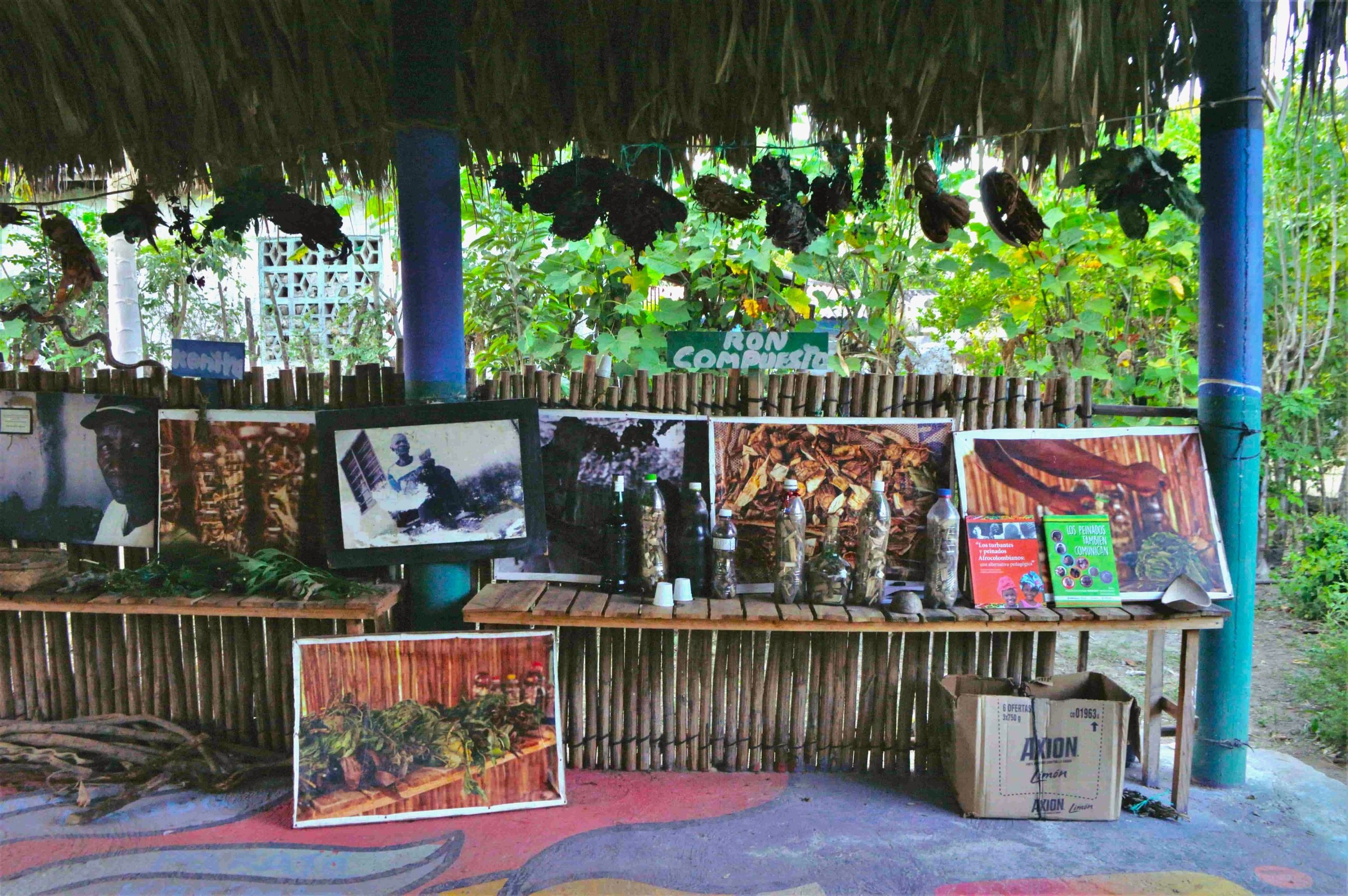
Our tailor-made tours include time with community members who explain Palenque’s history from the inside—not as distant past, but as lived present that continues to shape Colombian identity, music, and social movements.
Champeta: Cartagena’s Soundtrack
From Underground to Identity
Champeta emerged in Cartagena’s working-class neighborhoods in the 1970s and ’80s, blending African soukous, Haitian compas, and Caribbean rhythms into a distinctly Colombian sound. The name itself—originally a derogatory term for a type of knife associated with Afro-Colombian communities—was reclaimed by the music’s pioneers as a statement of cultural pride.
For decades, champeta was marginalized, banned from mainstream radio, and dismissed by Cartagena’s elite as música de negros (Black people’s music). But in neighborhoods like Bazurto and Olaya Herrera, champeta thrived in picós (mobile sound systems), street parties, and underground clubs, becoming the soundtrack of Afro-Caribbean working-class life.
Artists like Charles King, Viviano Torres, and later El Sayayín brought champeta into wider recognition, and today the genre represents Cartagena’s cultural identity as much as its colonial architecture or Caribbean coastline.
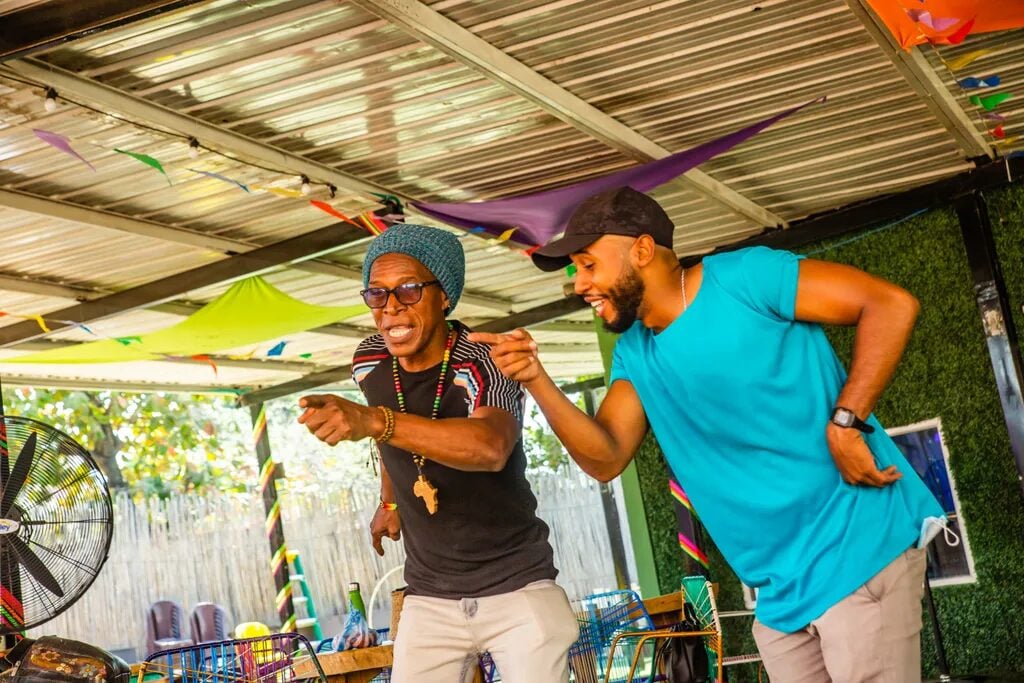
When woven into your custom itinerary, champeta serves as more than entertainment—it becomes a lens for understanding how music carries social history, how marginalized communities preserve cultural power, and how rhythm itself can be resistance.
You’re drawn to places where culture is lived, not staged. You want to understand how music, history, and community shape a city’s identity—not just photograph its colorful walls.
This made-to-measure weekend is for travelers who value substance over surface, who listen closely, and who appreciate experiences that feel culturally grounded rather than performative. Whether you’re a musician seeking rhythmic education, a cultural traveler exploring Afro-diasporic traditions, or simply someone who wants a weekend that feels meaningful rather than transactional, this journey is built around how you engage with place.
Cartagena de Indias, Colombia
Colombia’s Caribbean jewel, where 16th-century colonial architecture meets Afro-Caribbean musical heritage. Gateway to San Basilio de Palenque and the cultural heart of Colombia’s Caribbean coast.
Private, made-to-measure weekends with flexible pacing. Built around your arrival dates, cultural interests, and preferred depth of engagement. Custom itineraries available year-round for travelers seeking authentic Afro-Caribbean musical and cultural experiences beyond the beach resort circuit.
- Year-round travel is possible—Cartagena’s music, markets, and cultural communities operate independently of seasonal tourism calendars.
- February-March brings Cartagena’s Film Festival and occasional street festivals, adding texture for travelers interested in contemporary culture alongside musical heritage.
Begin Your Journey With Us
Designed by musicians. Dedicated to your discovery.
Tour Experiences
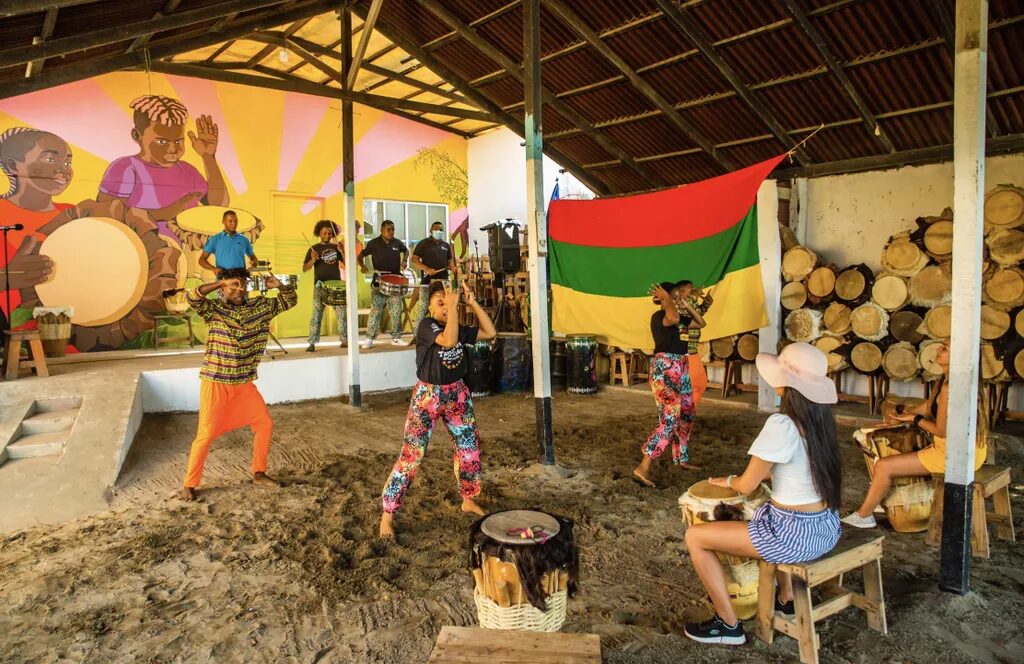
Drum Safari
San Basilio de Palenque, Colombia
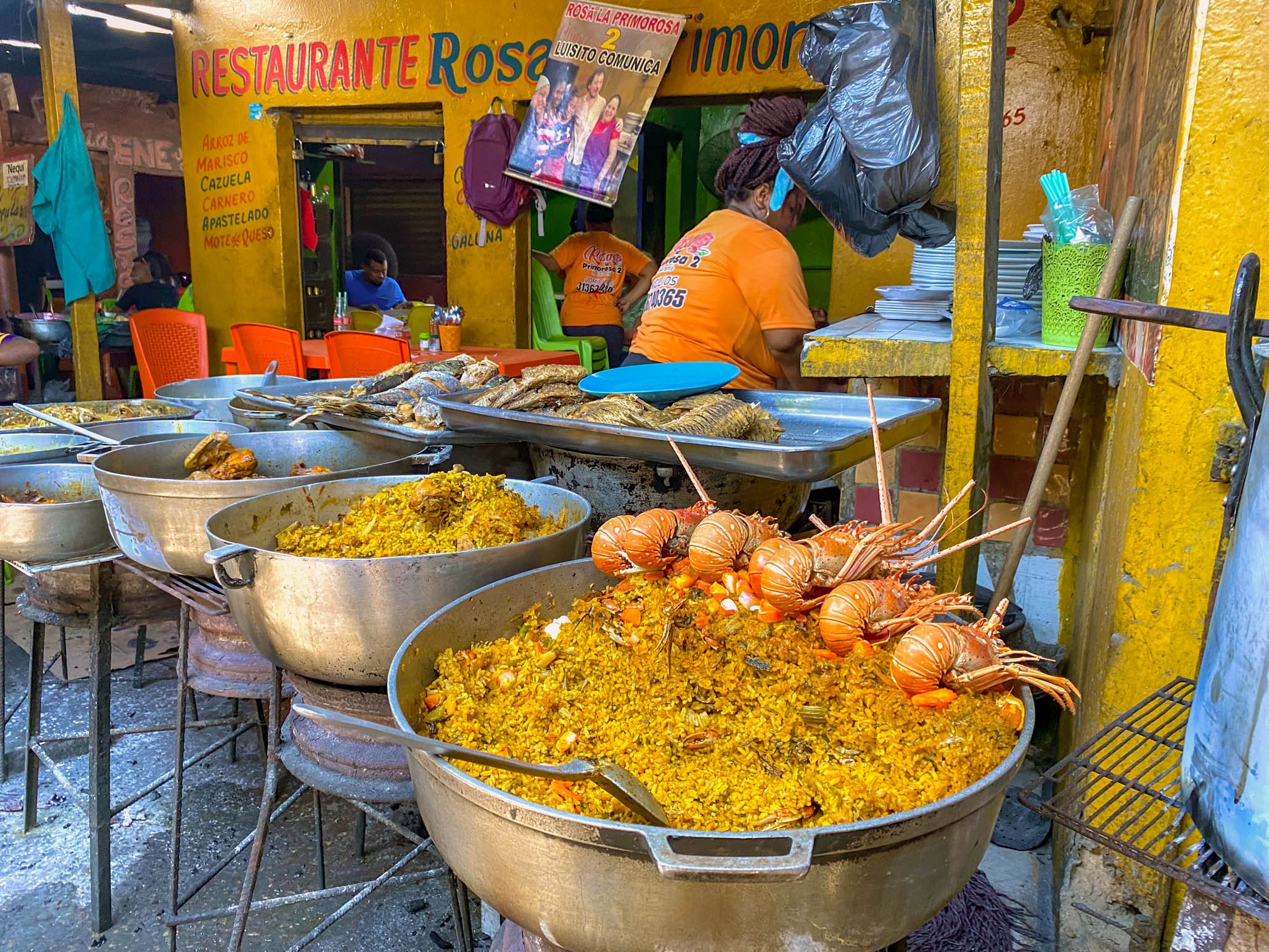
Traditional Food
Cartagena, Colombia
Learn more About Colombia
Afro-Colombian Rhythms in Cartagena: Cumbia, Champeta and Mapalé
Cartagena is a place where history is composed, played, and danced. Music is identity. In every plaza, street, and neighborhood, the rhythms that have shaped generations continue to sound which are cumbia, champeta and mapalé. Each one comes from a different root, but all share a living blend of African, Indigenous, and Spanish heritage.
Cartagena and San Basilio de Palenque: Stories of Freedom and Cultural Legacy
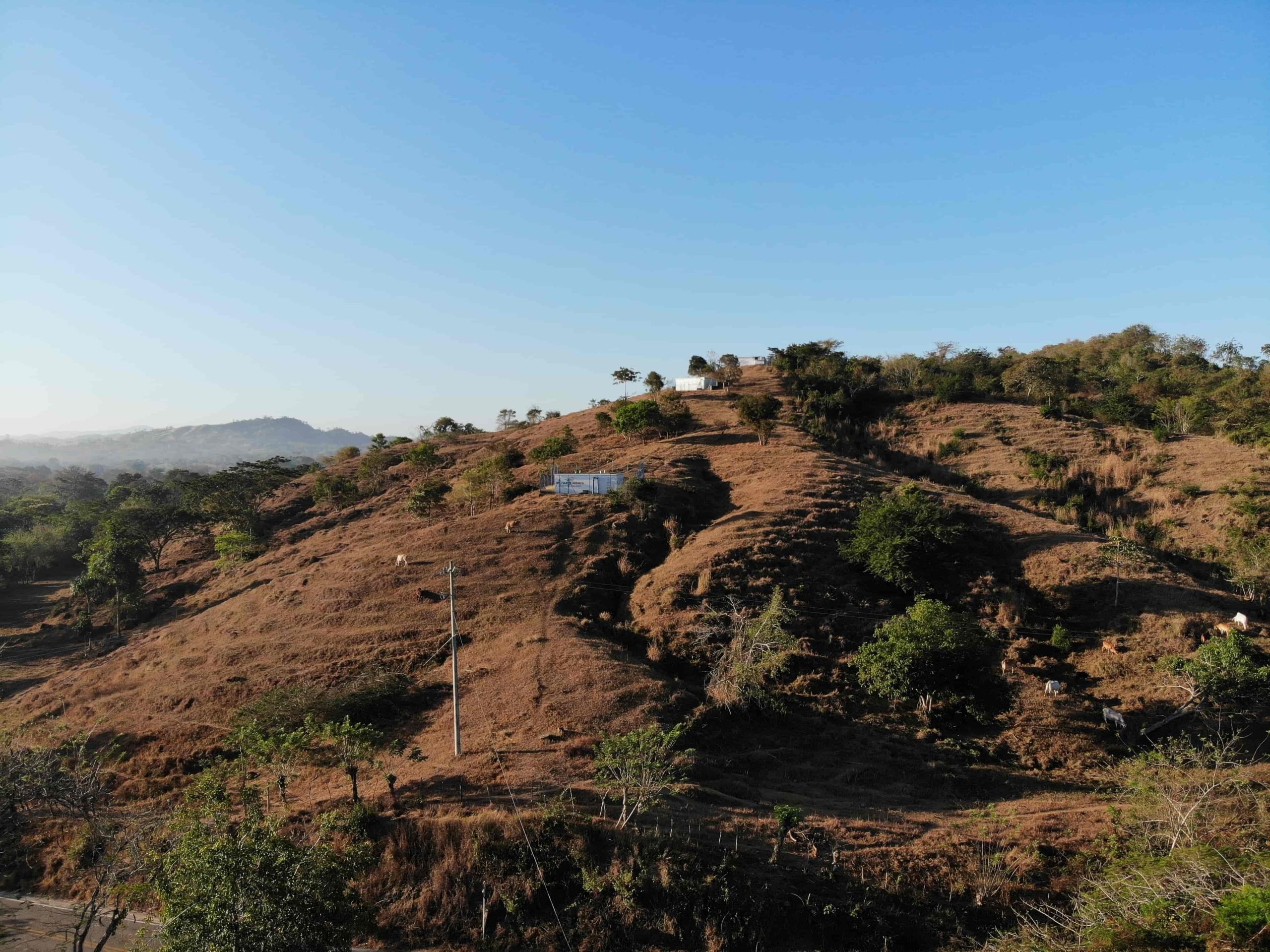
Cartagena de Indias celebrates its 492 anniversary this year. A good time to look closer at the layers that built this city. Beyond the balconies and plazas, Cartagena holds stories that shaped not just Colombia, but all of the Americas. Its colonial architecture and coastal charm are only part of a much bigger picture.
Discovering Buenaventura: Colombia’s Pacific Coast
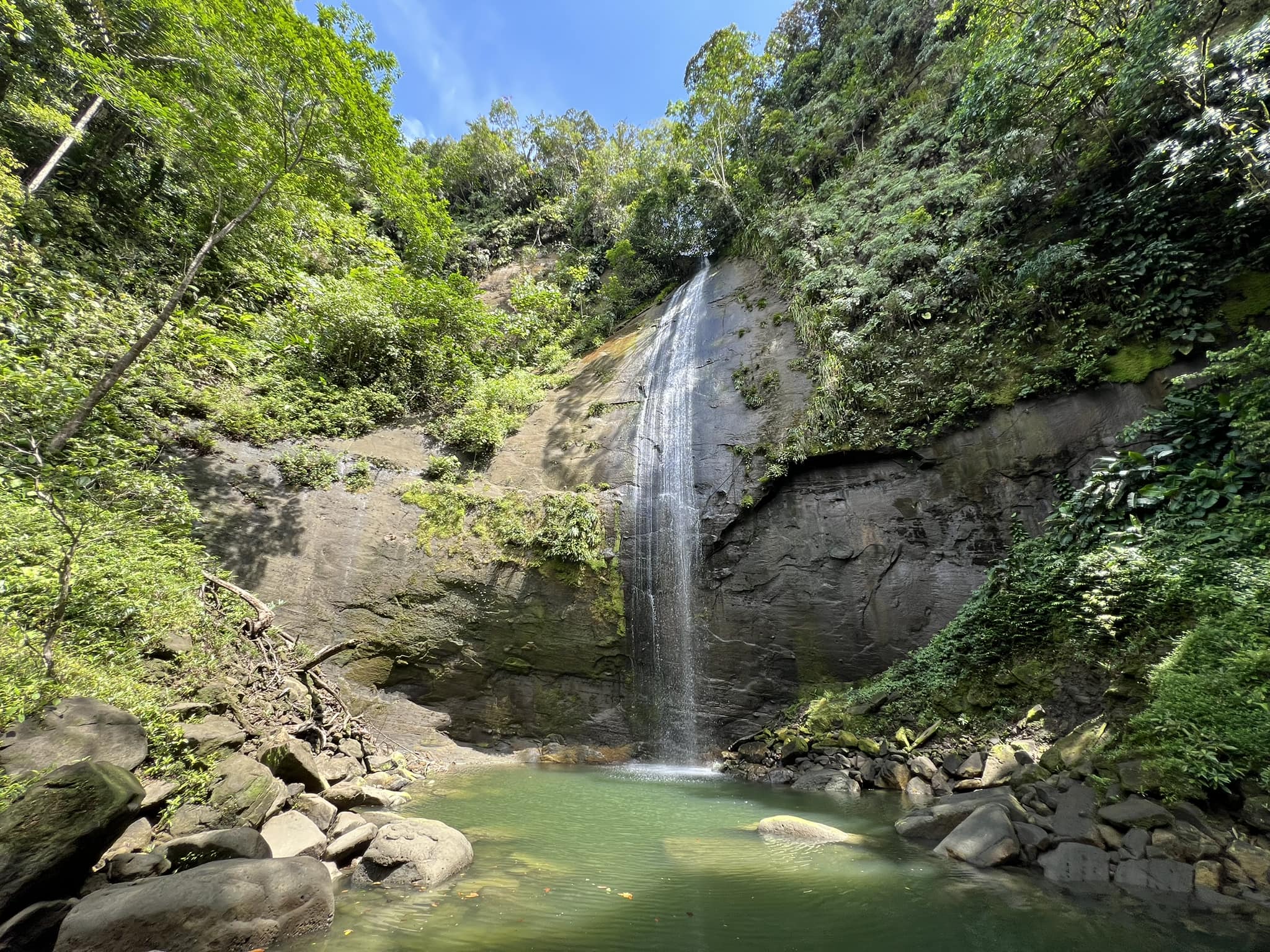
When most travelers think of Colombia, they often picture the bustling cities of Bogotá or Medellín, or the Caribbean character of Cartagena. But on a recent journey supported by ProColombia, I experienced a completely different side of the country, Buenaventura and the Pacific Coast.