 Skip to content
A Bespoke Musical Journey Through Brazil
Brazil is where African diaspora and Portuguese colonialism created one of the world’s most influential musical landscapes. From Rio’s samba schools to Salvador’s candomblé temples, from Recife’s maracatu nations to street corners where music becomes daily conversation, Brazil’s rhythms shape not just Latin American sound—they define global popular music.
This journey is not a fixed-date group tour. It is a personally designed bespoke travel experience built across three cities—Rio de Janeiro, Salvador de Bahia, and Recife—shaped around your timing, musical interests, and how deeply you want to engage with Brazil’s Afro-Brazilian heritage. Some travelers compose multi-city itineraries that move between coastal samba, Bahian axé, and Pernambucan frevo over ten days. Others focus their tailor-made tour on a single region, allowing rhythms to unfold more gradually. Both approaches are possible, and every custom itinerary is built from the ground up.
Whether you are traveling as musicians seeking hands-on percussion workshops, a family drawn to cultural depth alongside iconic landmarks, or friends celebrating milestones through music and movement, we design each journey to balance immersion, discovery, and the freedom to absorb Brazil’s complexity at a human pace—guided by our network of musicians, cultural ambassadors, and local partners across Rio, Salvador, and Recife.
How a Brazilian Journey Might Unfold
A sample flow, fully customized around your dates, interests, and pace.
Every multi-city journey we design through Brazil follows its own progression. What follows is not a fixed schedule, but a sense of how Rio’s urban samba, Salvador’s Afro-Brazilian spiritual traditions, and Recife’s carnival rhythms often weave together over ten or eleven days. The specifics—city order, workshop depth, free time, optional experiences—are always shaped around you.
Opening Notes: Rio de Janeiro
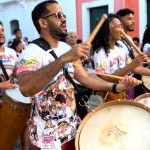
Most journeys begin in Rio, where samba schools rehearse year-round in community spaces, welcoming respectful observers into preparations that extend far beyond carnival season. Days often include walks through Little Africa—the neighborhood where early samba took shape—and visits to cultural sites that reveal Afro-Brazilian contribution to Brazilian identity.
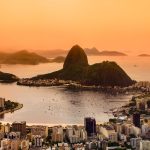
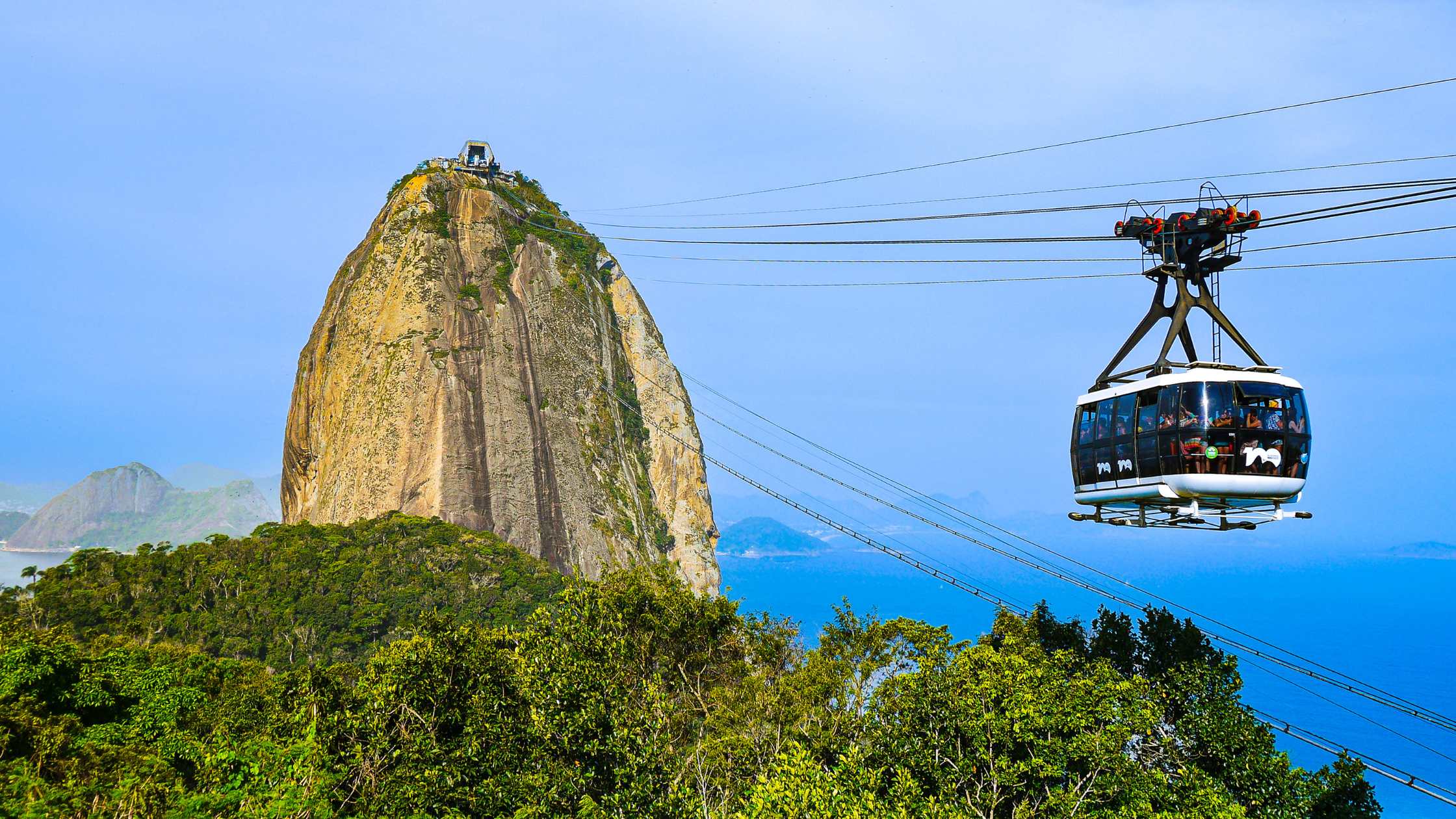
Iconic landmarks like Sugarloaf Mountain and Christ the Redeemer provide geographic context. Evenings might bring churrascaria dinners, rodas de samba at Pedra do Sal, or choro clubs in Lapa’s historic arches. There is space to linger at beaches, explore neighborhoods independently, or simply rest between cultural encounters.
The Body: Salvador de Bahia
Salvador reveals Brazil’s deepest African retention. Pelourinho’s colonial streets lead to Afro-Brazilian museums, candomblé cultural centers, and neighborhoods where Yoruba-derived traditions shape daily life. Lunch in Liberdade introduces Bahian cuisine—moqueca, acarajé, flavors rooted in West African culinary practice.
Music workshops with local percussionists explore samba de roda, axé, and rhythms that carry spiritual meaning alongside entertainment. Evenings may include folkloric performances demonstrating capoeira, maculelê, and candomblé-inspired dance. Free time allows you to revisit places that resonated or explore Salvador’s Atlantic coastline.
Variations: Recife & Olinda
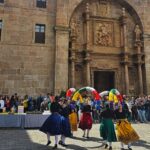
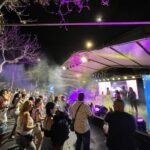
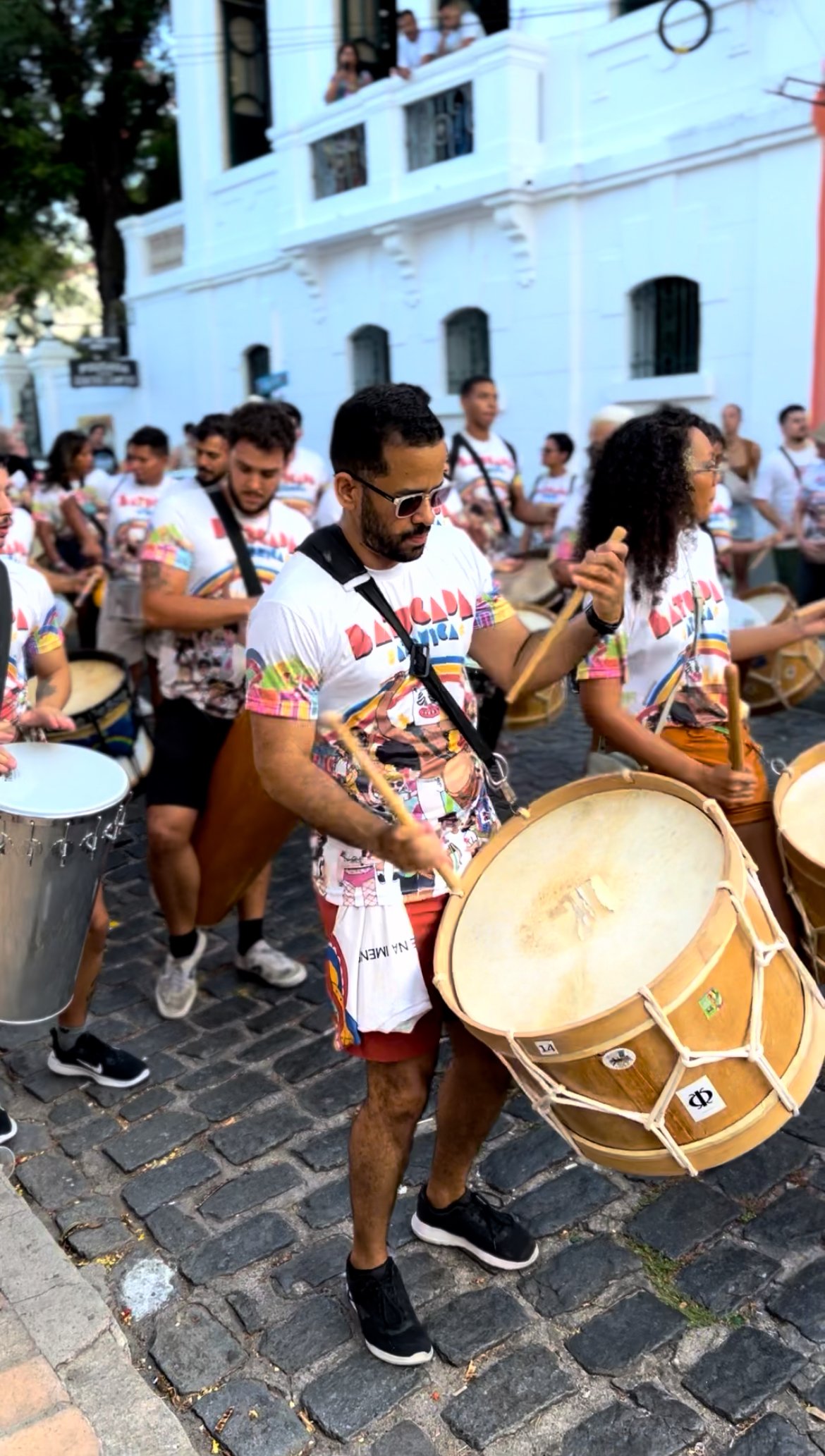
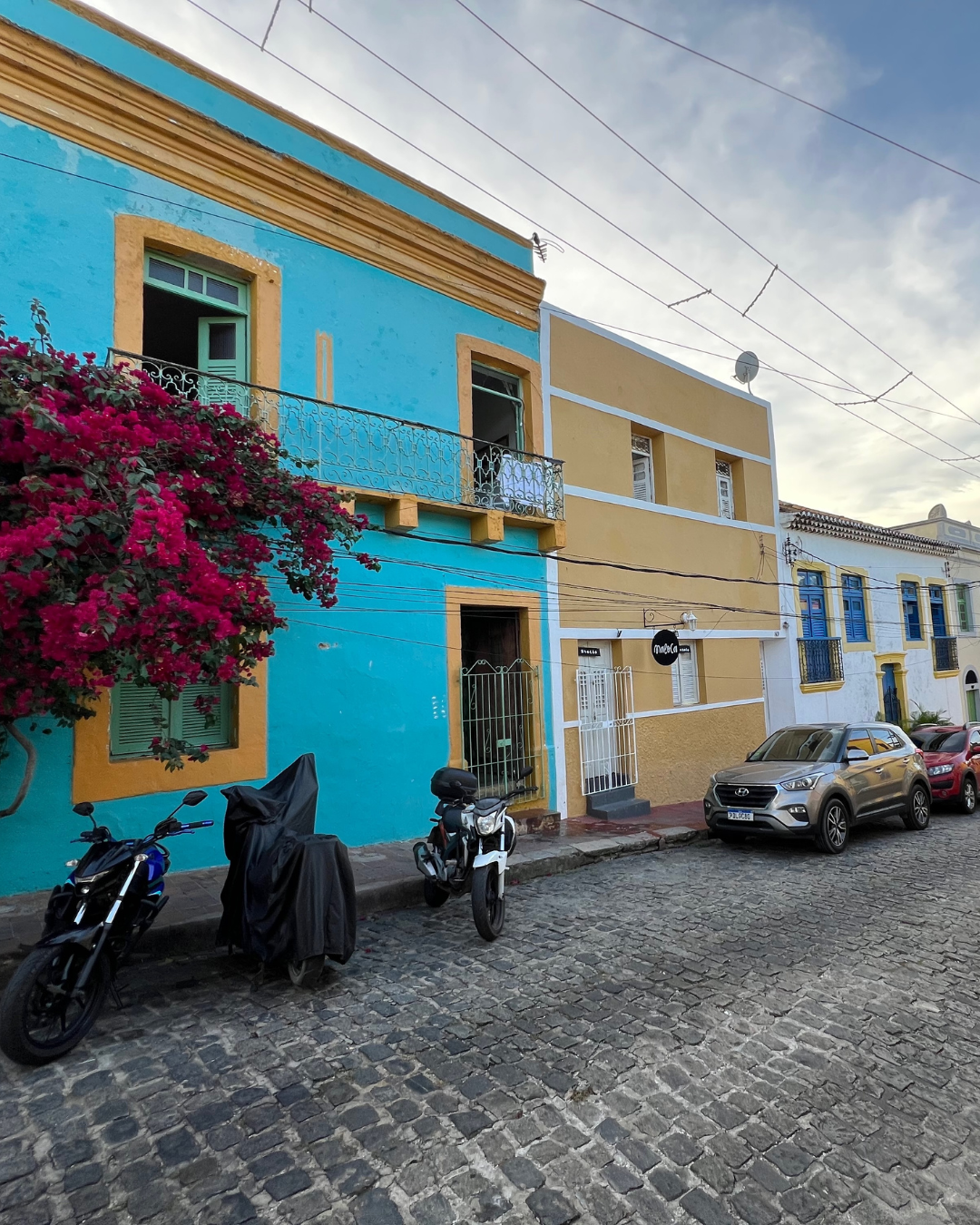
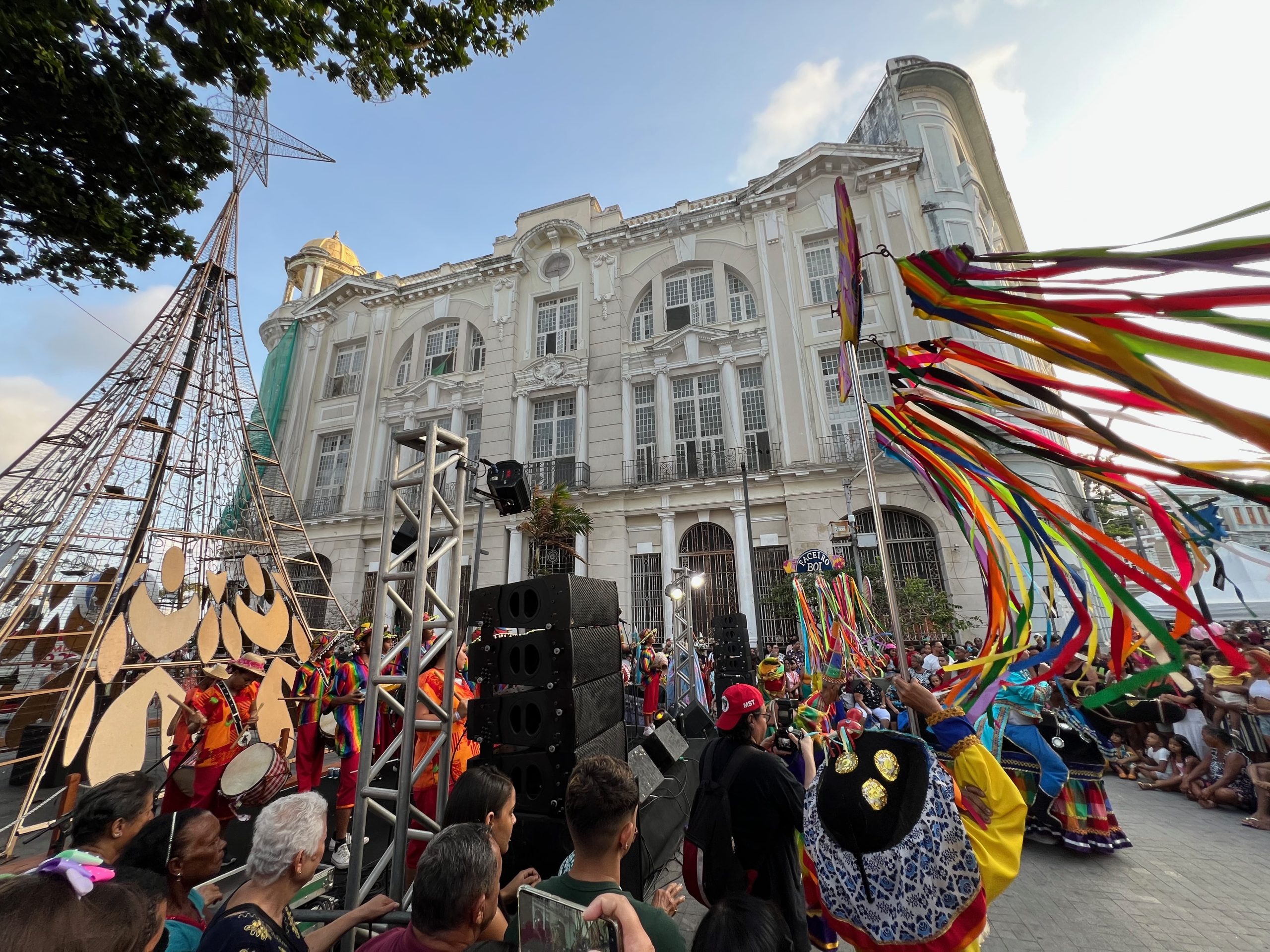
Recife and Olinda showcase Pernambuco’s distinct carnival culture—maracatu processions and frevo’s athletic umbrella dance. The Museu do Frevo provides context; hands-on workshops introduce the rhythmic complexity. Olinda at night becomes participatory theater, with street performances and live music creating an atmosphere where observation and engagement blend naturally.
Closing Notes: Reflection or Continuation
The final morning is intentionally unhurried. A last meal, a return to a neighborhood you’ve grown to appreciate, or simply time to absorb before departure.
For some, this completes the arc. For others, Brazil becomes a longer exploration—the Amazon, Pantanal wetlands, northeastern beaches. We design these extensions as seamless continuations..
Brazil’s Musical Geography
Three Cities, Three Musical Identities
Rio de Janeiro gave the world samba and bossa nova—rhythms born in Afro-Brazilian communities that became global languages. The city’s music balances sophistication (Tom Jobim’s harmonic innovations) with street-level vitality (favela samba schools). Rio is where Brazil’s African heritage met European instrumentation and created sounds that defined 20th-century popular music.
Salvador de Bahia maintains Brazil’s strongest African cultural retention. As the first colonial capital and primary slave port, Salvador became home to candomblé religion, capoeira martial art, and musical forms like samba de roda that preserve West African call-and-response structures. Contemporary axé music evolved here, blending these traditions with Caribbean and electronic influences.
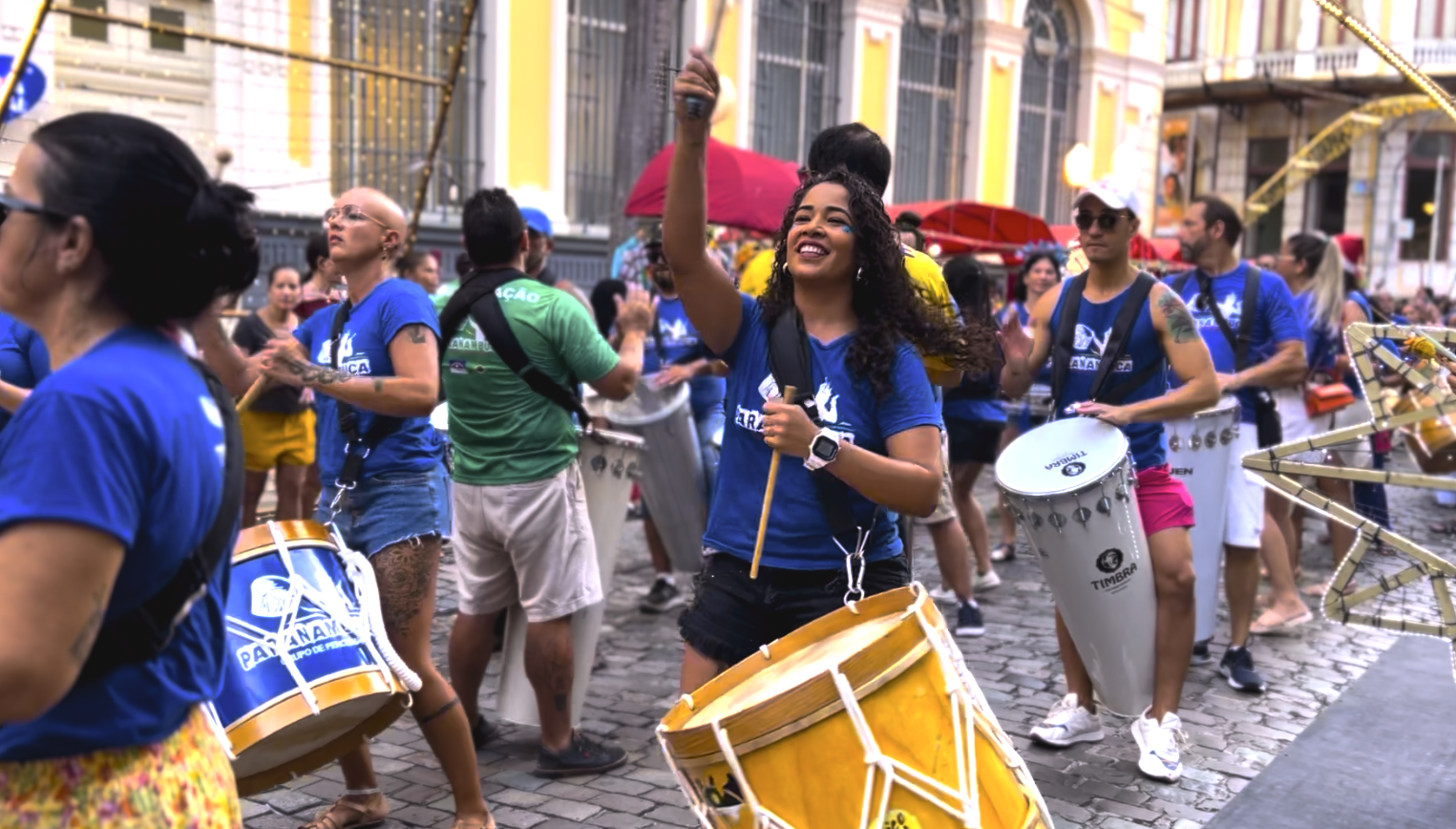
Recife and Olinda in Pernambuco developed distinct carnival traditions—maracatu’s processional rhythms and frevo’s athletic dance—that reflect the region’s African, Indigenous, and European mixture in different proportions than southern Brazil. These cities maintain fierce regional pride and musical innovation independent of Rio or Salvador’s influence.
Together, these three locations provide a comprehensive introduction to Brazilian music’s diversity, revealing how geography, colonial history, and African diaspora created regional musical identities that collectively shape Brazil’s global cultural influence.
You understand that Brazil’s music carries history—that samba schools aren’t just entertainment, that candomblé rhythms aren’t folklore, that maracatu processions represent centuries of cultural resistance and pride.
This made-to-measure journey is for travelers who value cultural context alongside musical experience, who want to understand how rhythm, religion, and community intersect across different Brazilian regions. Whether you’re a percussionist seeking technical knowledge, a family wanting educational depth beyond resort tourism, or simply someone who listens closely and wants to understand what you’re hearing, this multi-city exploration is built around depth over superficiality.
Rio de Janeiro — Brazil’s second-largest city, carnival capital, birthplace of samba and bossa nova
Salvador de Bahia — Afro-Brazilian cultural heart, candomblé center, birthplace of axé and samba de roda
Recife & Olinda — Pernambuco’s twin cities, home to maracatu nations and frevo traditions
Private, tailor-made multi-city music tours with flexible pacing. Built around your arrival dates, musical depth preferences, and desired balance between structured workshops and independent exploration.
- December-March brings summer heat, beach season, and carnival preparations (carnival itself typically falls February-March, varying annually)
- April-November offers milder temperatures, fewer tourists, and year-round access to samba schools, Afro-Brazilian cultural centers, and regional music communities operating independently of carnival calendars
Begin Your Journey With Us
Designed by musicians. Dedicated to your discovery.
Experiences
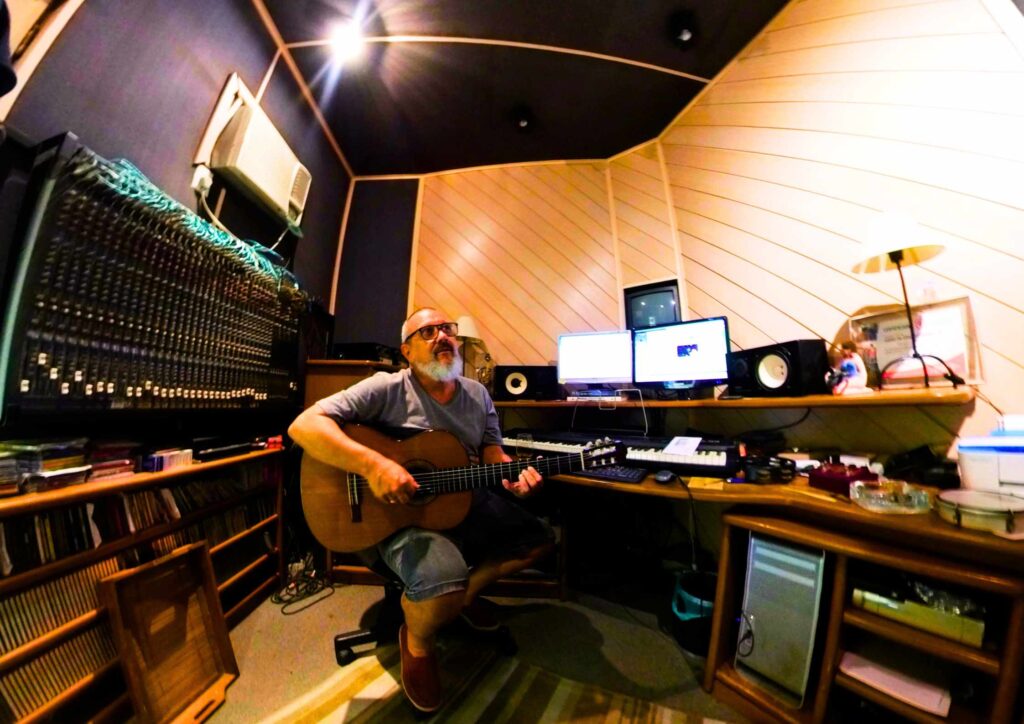
Music Experience with a Brazilian musician
Rio de Janeiro, Brazil
Carnaval Rehearsal
Rio de Janeiro
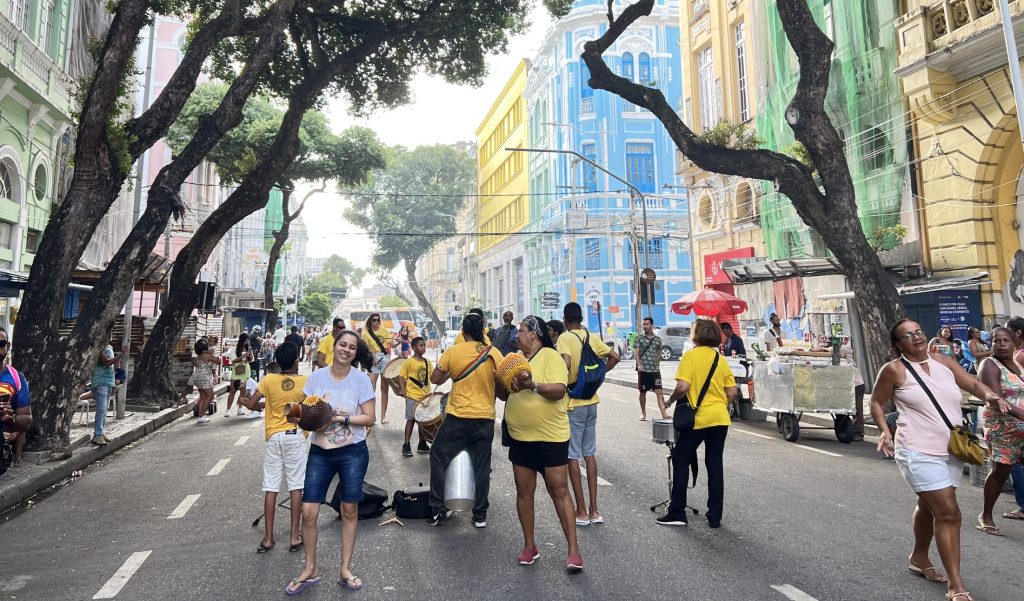
Learn more About Brazil
Musicians’ Field Notes on Recife and Rio de Janeiro
Our musician’s guide to Brazil covers the unique sounds of Recife & Rio de Janeiro. Get travel tips and discover the best times to experience samba, frevo, and more.
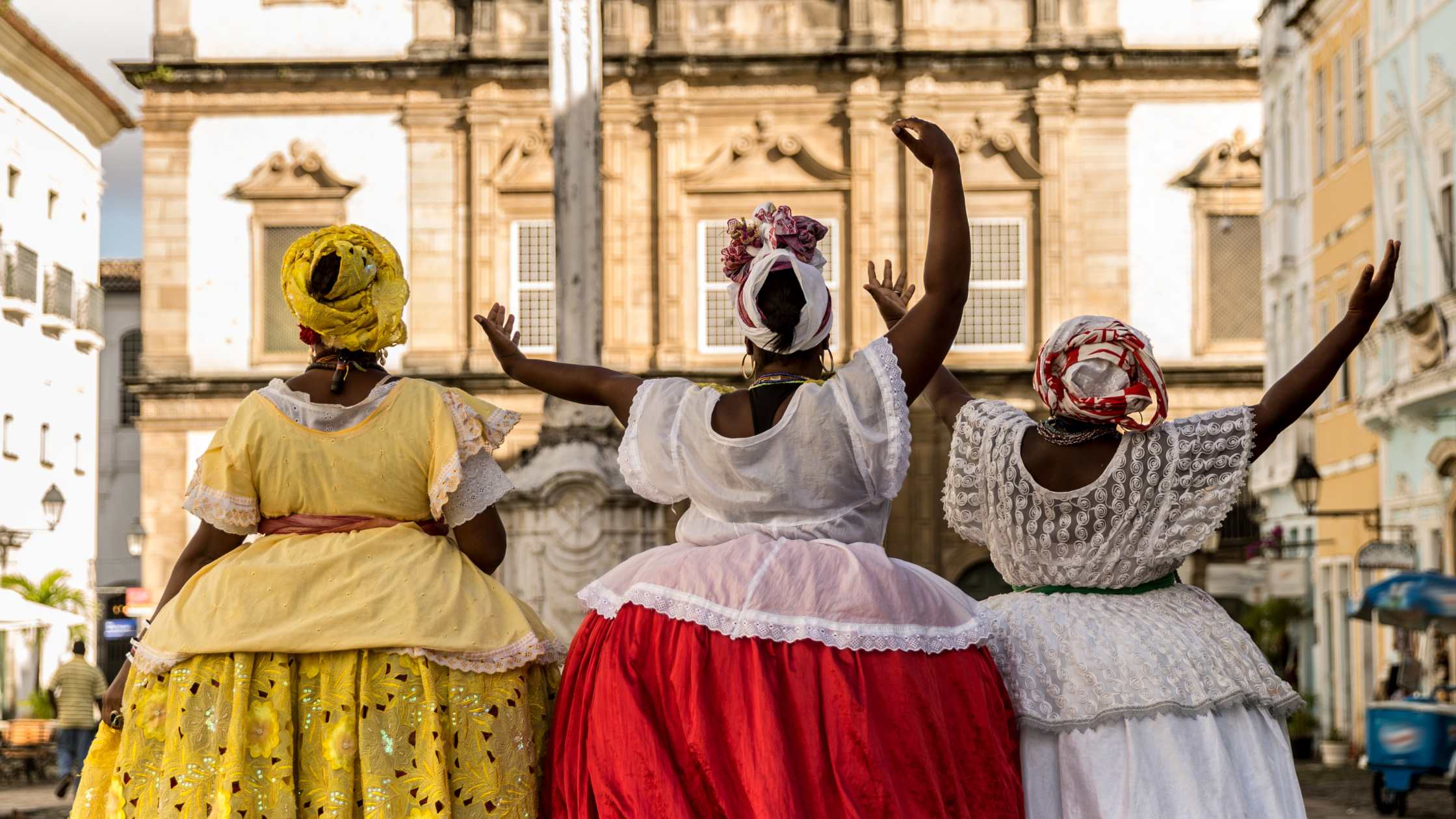
Rio de Janeiro: Voted Best Afrotourism Destination in Brazil
Learn about Rio de Janeiro’s recognition as Brazil’s best afrotourism destination, highlighting its rich Afro-Brazilian roots.
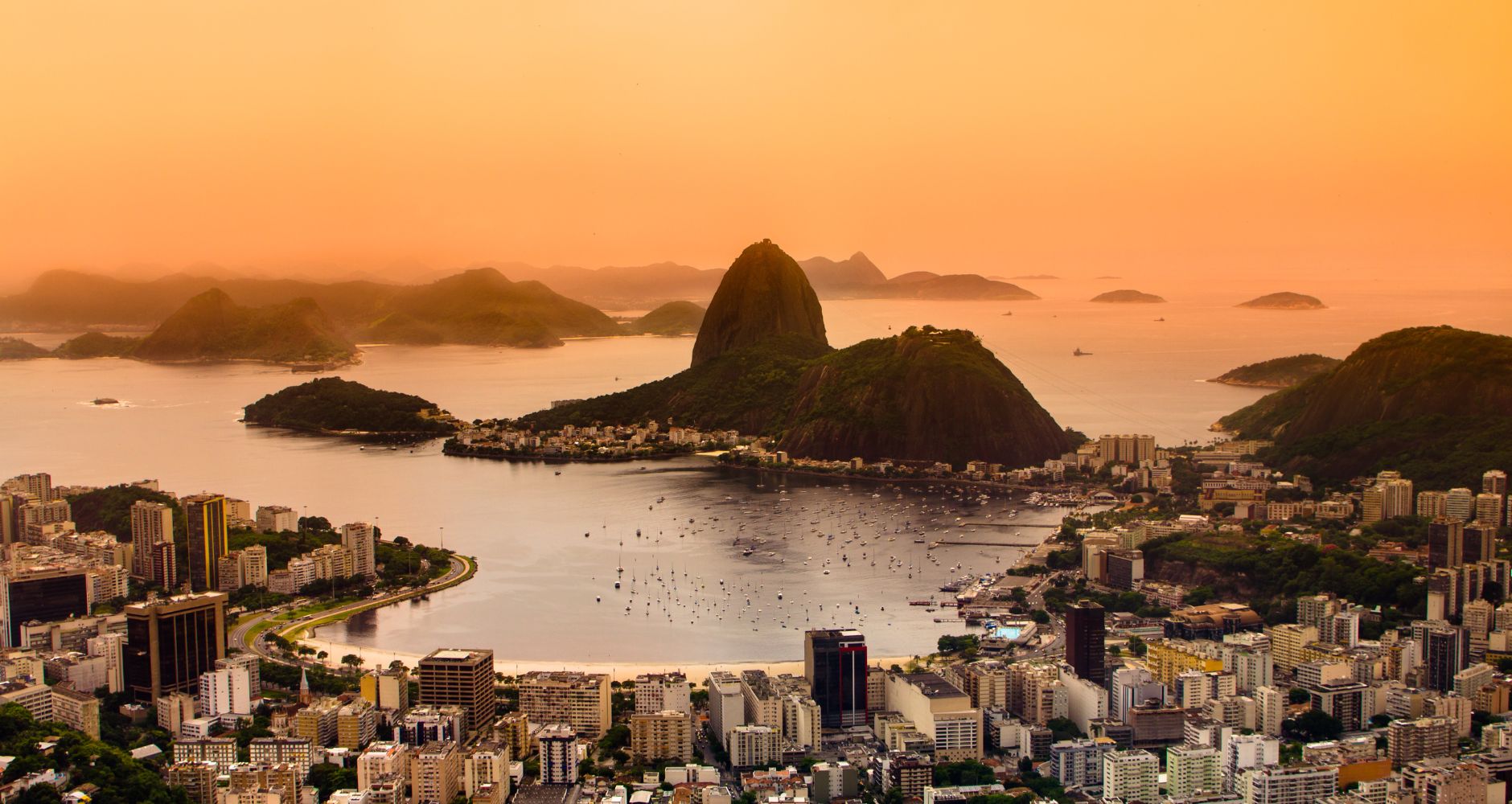
Rhythms of Africa in Brazil: 3 Afro-Brazilian Cities You Must Visit
Feel the rhythm of Brazil’s culture, deeply influenced by African traditions, celebrated every day in cities like Rio de Janeiro.