Private Cultural Immersion in Catalonia’s Creative Capital
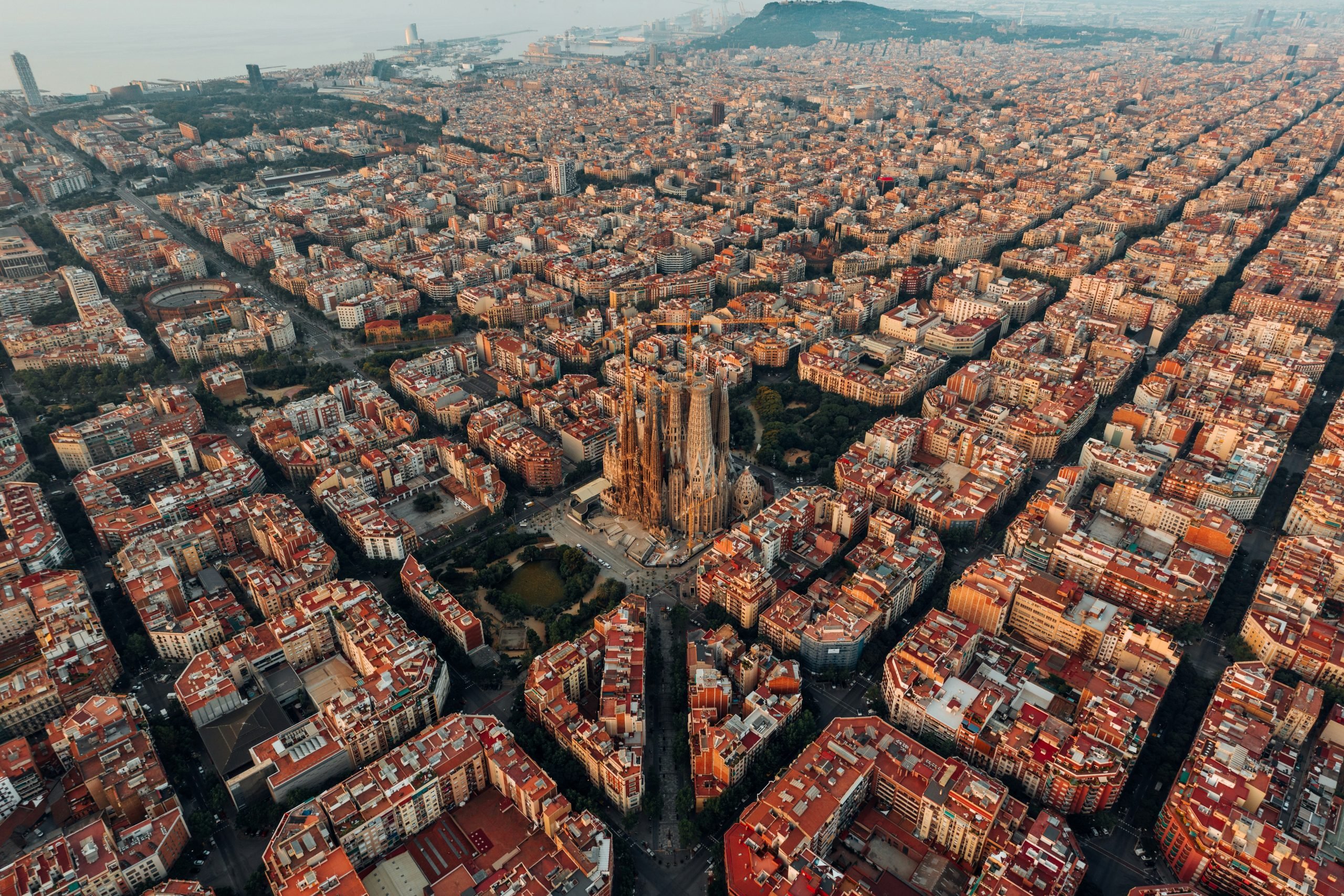
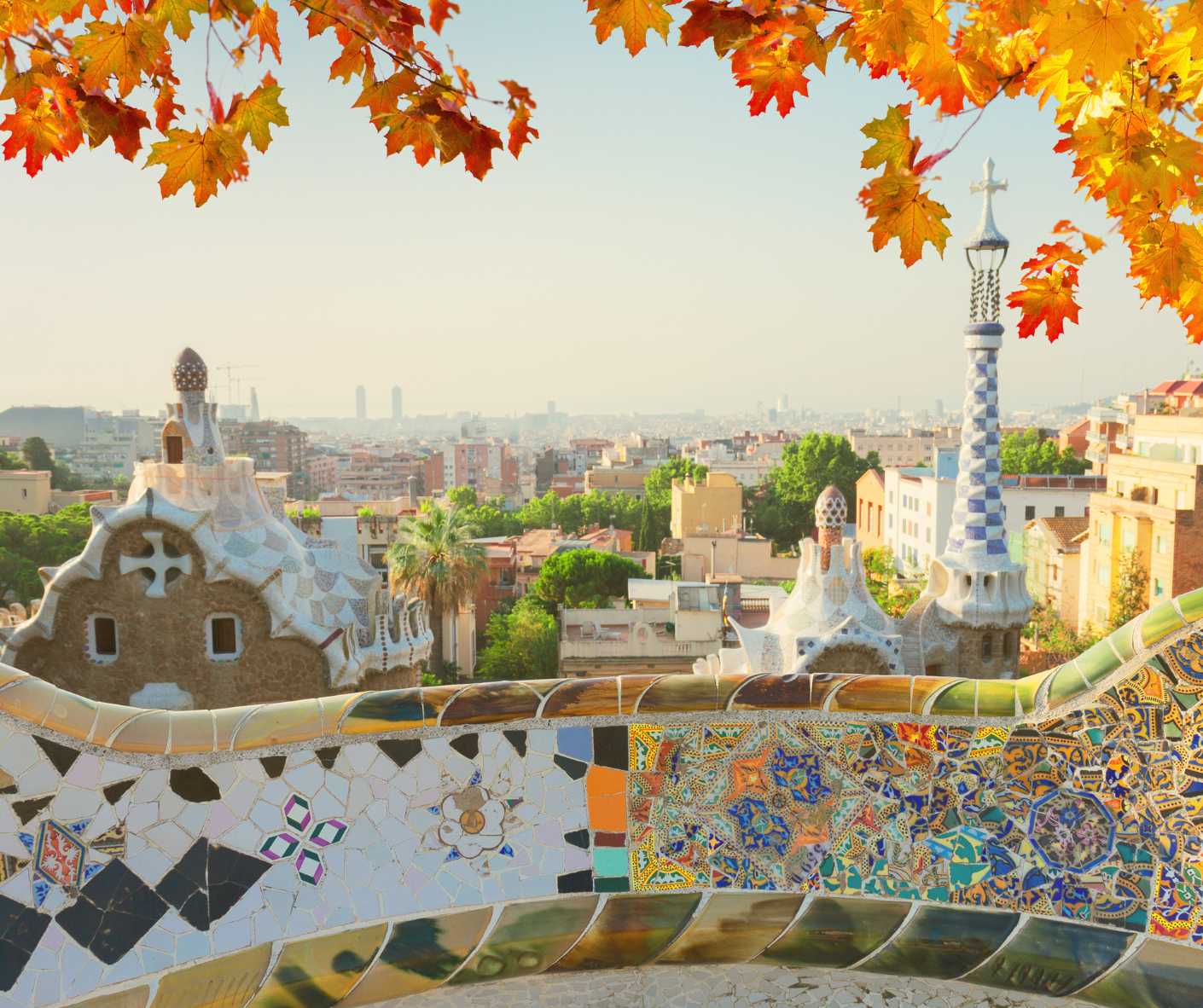
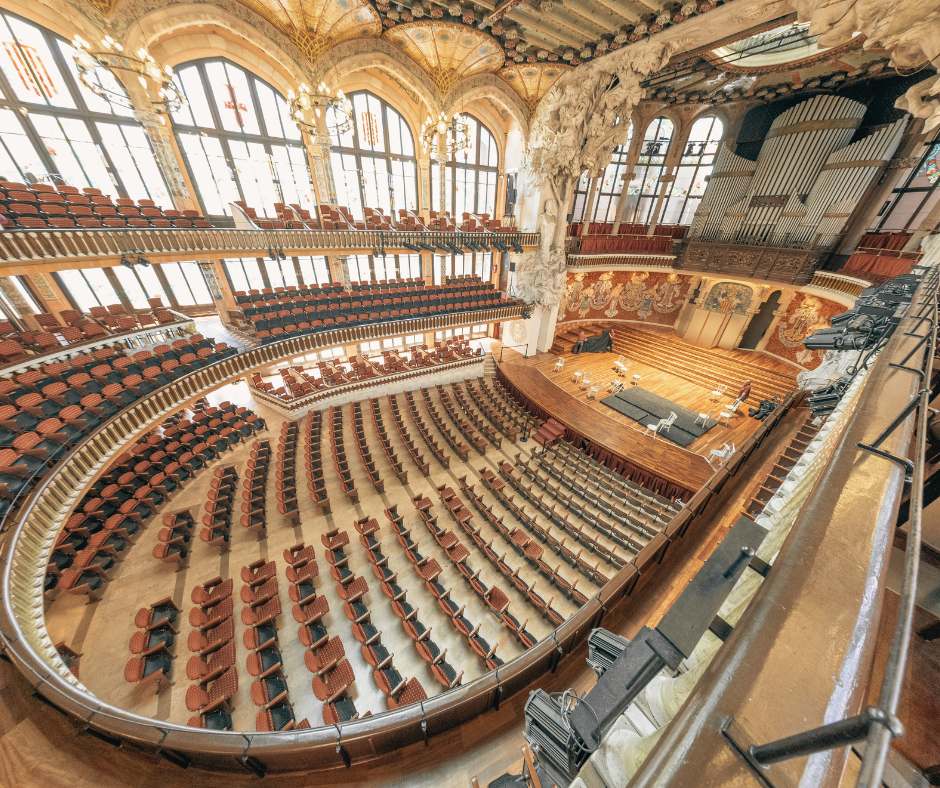
Barcelona exists where Mediterranean light meets modernist vision, where Gaudí’s organic architecture curves through a city grid inherited from Roman planning, where jazz clubs hide beneath Gothic arches and flamenco guitar echoes in Born district cellars. The city’s creative identity—shaped by Catalan independence, Picasso’s formative years, and decades as a refuge for musicians fleeing Franco’s regime—makes it one of Europe’s most layered cultural destinations.
This journey is not a fixed-date group tour. It is a personally designed bespoke travel experience built around your interests in art, music, and how these traditions shape Barcelona’s contemporary identity. Some travelers compose itineraries emphasizing jazz and swing culture alongside Gaudí’s architecture. Others focus their tailor-made tour on flamenco’s Catalan interpretation, vermouth rituals, and neighborhood tapas routes that reveal the city’s culinary sophistication. Both approaches are possible, and every custom itinerary is designed from scratch.
Whether you are traveling as a couple drawn to cultural depth, a family seeking artistic education beyond museum queues, or friends celebrating milestones through music and movement, we design each journey to balance iconic landmarks with intimate access—guided by our network of musicians, cultural hosts, and local partners across Barcelona’s neighborhoods.
How a Barcelona Journey Might Unfold
A sample flow, fully customized around your dates, interests, and pace.
Every journey we design in Barcelona follows its own arc. What follows is not an itinerary, but a sense of how modernist architecture, jazz traditions, and Catalan culture often weave together over four or five days. The details, timing, and emphasis are always shaped around you.
Opening Notes: Arrival and First Impressions
Most bespoke travel experiences begin with settling into Barcelona’s center—whether that means proximity to the Gothic Quarter’s medieval streets, Eixample’s modernist boulevards, or Born’s artisan workshops. Your accommodation is chosen for location, character, and the neighborhood rhythm you’ve come to experience.
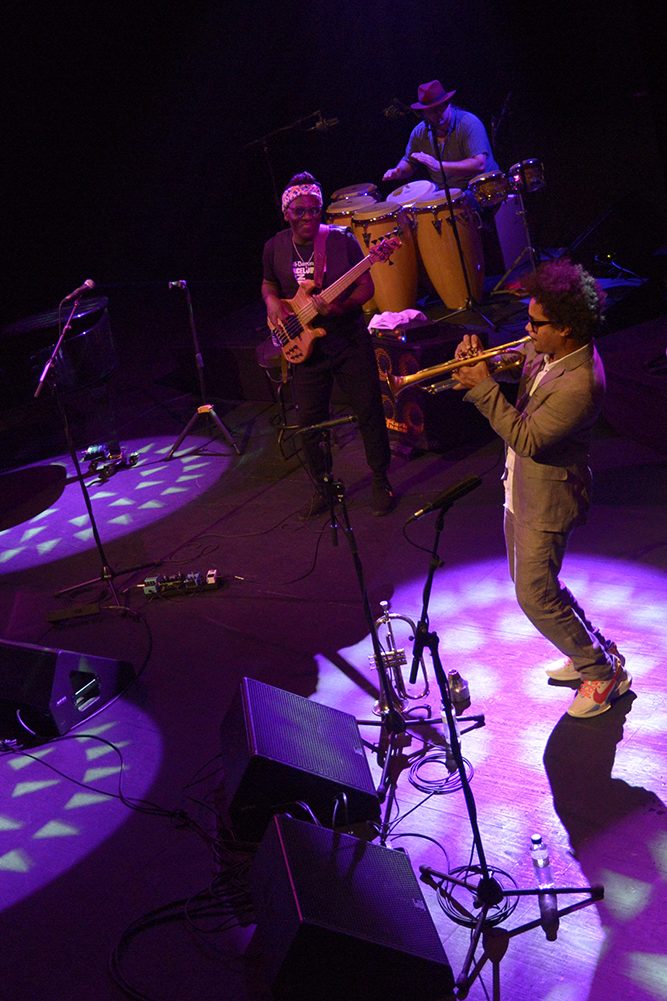
An evening might include a first meal introducing Catalan flavors—regional wines, artisanal cheeses, the ritual of vermouth before dinner. A gentle walk through the Cathedral and Gothic Quarter’s quiet alleys offers your first encounter with Barcelona’s layered history. For travelers drawn to jazz, the night might continue at Harlem Jazz Club, where intimate performances happen in spaces that feel more like living rooms than concert halls.
The Body: Gaudí, Swing, and Cultural Depth
Days often unfold between modernist landmarks and musical encounters. Gaudí’s vision—Casa Batlló’s organic facade, La Pedrera’s rooftop sculptures, Sagrada Família’s forest-like columns—provides visual context for Barcelona’s artistic ambition. These visits are scheduled thoughtfully, often during optimal light or quieter hours, allowing absorption rather than rushed photography.
A swing workshop introduces movement as cultural language—the joy and social connection embedded in this dance form that Barcelona’s jazz community has maintained for decades. No performance pressure, just an invitation to understand rhythm physically.
Wine tastings at thoughtful venues like Monvínic pair Catalan varieties with regional cheeses, revealing how terroir and artisanal tradition shape Barcelona’s culinary identity. Tapas evenings follow neighborhood rhythms—smaller plates, multiple locations, conversations that stretch comfortably.
Montjuïc’s elevated position offers geographic perspective: Poble Espanyol’s architectural survey of Spain’s regional styles, MNAC’s Romanesque collection, or simply cable car views across the Mediterranean.
Variations: Flamenco, Cuban Influence, and Free Time
Barcelona’s music culture extends beyond jazz. Flamenco here carries Catalan interpretation—different from Andalusian intensity, shaped by the city’s own relationship to Spanish identity and Catalan autonomy. Evening performances in intimate tablao settings reveal this regional variation.
Cuban influence appears through restaurants like Habana Vieja and the Afro-Cuban rhythms that Barcelona’s Latin jazz scene has absorbed. Born district walks reveal boutique shops, medieval streets, and the contemporary art scene that thrives in former textile warehouses.
Free mornings and evenings are designed into tailor-made tours intentionally—time to wander Arc de Triomf’s surroundings, rest in Ciutadella Park, revisit a neighborhood that resonated, or simply absorb at your own tempo.

Where Jazz, Swing, and Flamenco Converge
Barcelona developed its jazz culture during the 1920s, absorbing American influences through port connections and European touring musicians. The Hot Club de Barcelona, founded in 1935, became one of Europe’s earliest jazz societies, fostering a community that survived Franco’s dictatorship through underground clubs and private gatherings.
Post-Franco, Barcelona’s music scene exploded—the city became Spain’s contemporary music capital, hosting festivals, nurturing local talent, and maintaining intimate club culture alongside larger venues. Jazz here isn’t nostalgia; it’s living tradition practiced nightly in Gothic Quarter basements and Born district spaces.
Swing dancing arrived alongside jazz and has maintained passionate following. Barcelona’s swing community gathers weekly for social dancing, workshops, and festivals that attract international participants. The dance form represents joy, partnership, and cultural continuity across generations.
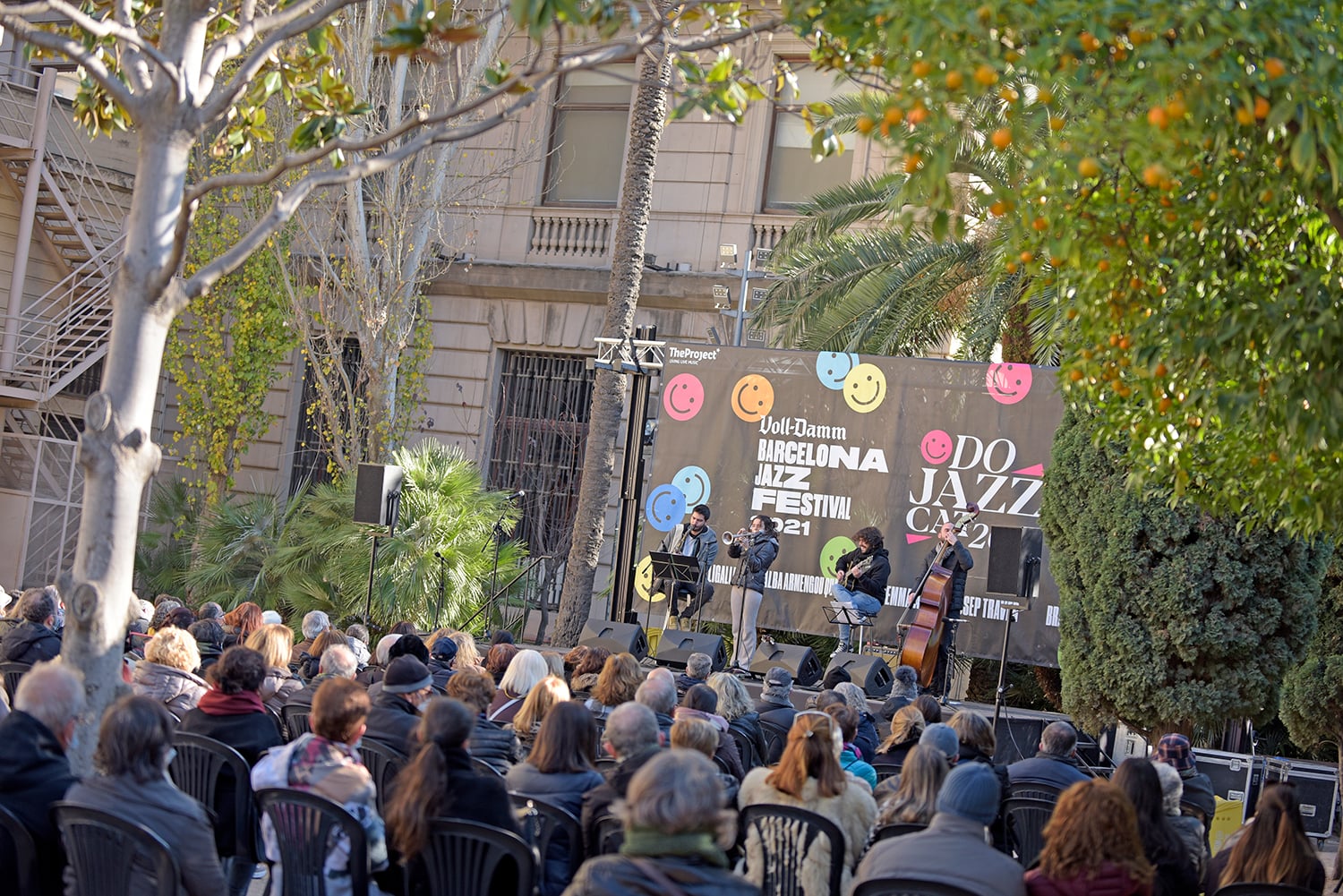
Flamenco in Barcelona carries distinct character. While rooted in Andalusian tradition, Catalan interpretations often emphasize guitar sophistication and fusion with jazz or Cuban rhythms—reflecting the city’s cosmopolitan identity rather than pure southern intensity.
Together, these musical forms reveal Barcelona as a city that absorbs influences, adapts traditions, and creates its own cultural vocabulary rather than simply preserving Spanish heritage.
You appreciate cities where culture is lived, not just displayed. You want to understand how Gaudí’s vision connects to Barcelona’s broader creative identity, how jazz survived dictatorship, why vermouth matters, what makes Catalan cuisine distinct from broader Spanish traditions.
This made-to-measure journey is for travelers who value artistic context alongside aesthetic experience, who listen closely, and who appreciate cultural depth delivered without academic weight. Whether you’re art enthusiasts seeking architectural understanding, music lovers exploring Europe’s jazz scenes, or simply travelers who want Barcelona to feel substantial rather than superficial, this journey is built around curiosity and unhurried discovery.
Barcelona, Catalonia, Spain
Mediterranean port city, Catalan cultural capital, modernist architecture center, home to thriving jazz and swing communities.
Private, tailor-made cultural journeys with flexible pacing. Built around your arrival dates, balance of art versus music focus, and preferred depth of engagement.
- April-June and September-October offer ideal Mediterranean climate—warm but not oppressive, smaller crowds at major landmarks, active music scene.
- July-August brings peak heat and tourism; many locals leave the city. Jazz clubs continue, but Barcelona feels less authentically itself.
- November-March provides winter access to museums and music venues without crowds, though some outdoor activities become weather-dependent.
- Festival considerations: Primavera Sound (late May/early June) for contemporary music; Festival de Flamenco (varies); Barcelona Jazz Festival (October-December).
Begin Your Journey With Us
Designed by musicians. Dedicated to your discovery.
“Using a guide from Musical Getaways was the best thing we could have done in visiting Barcelona, Spain!…“
TREVA
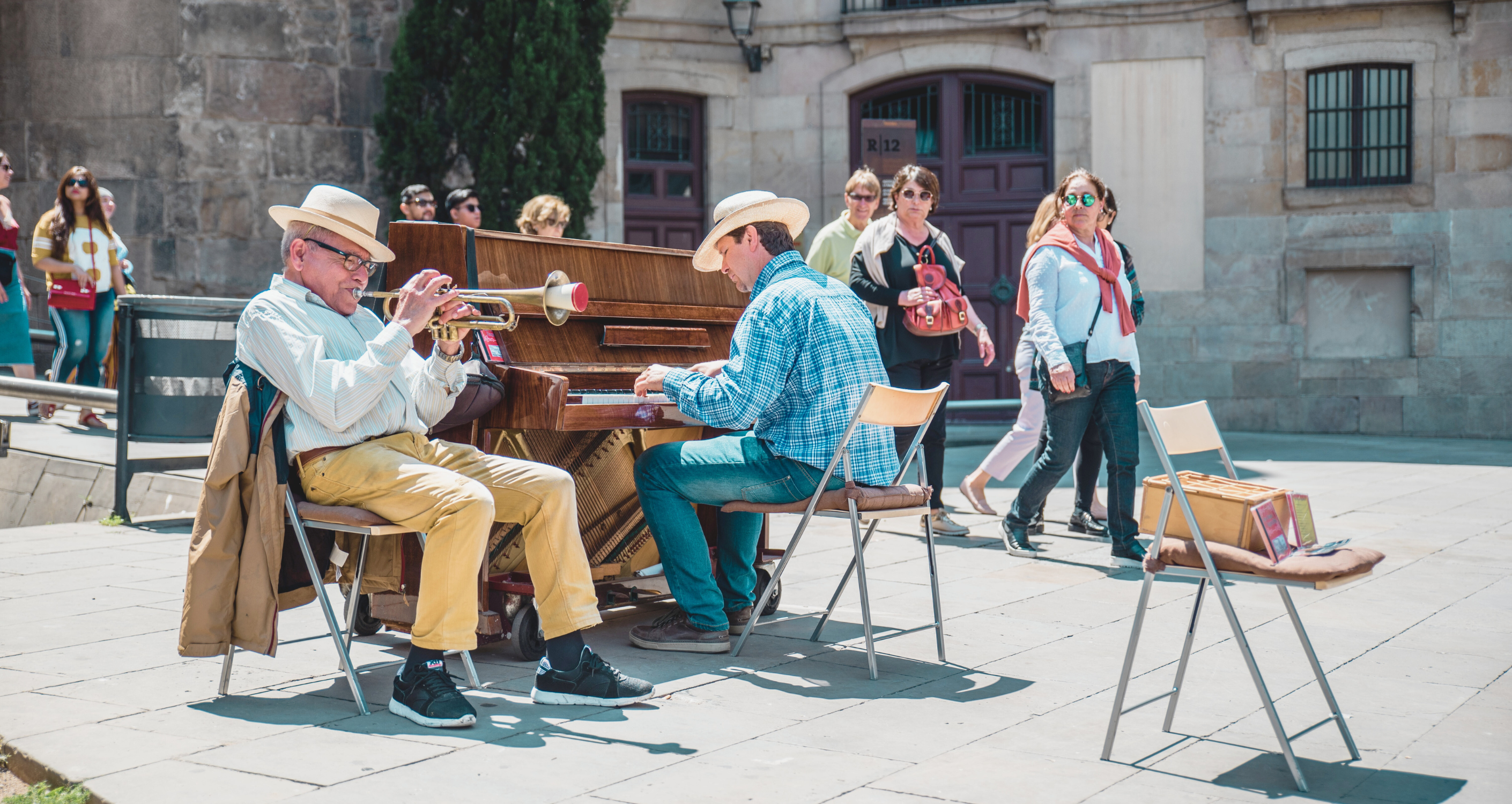
Learn more About Spain
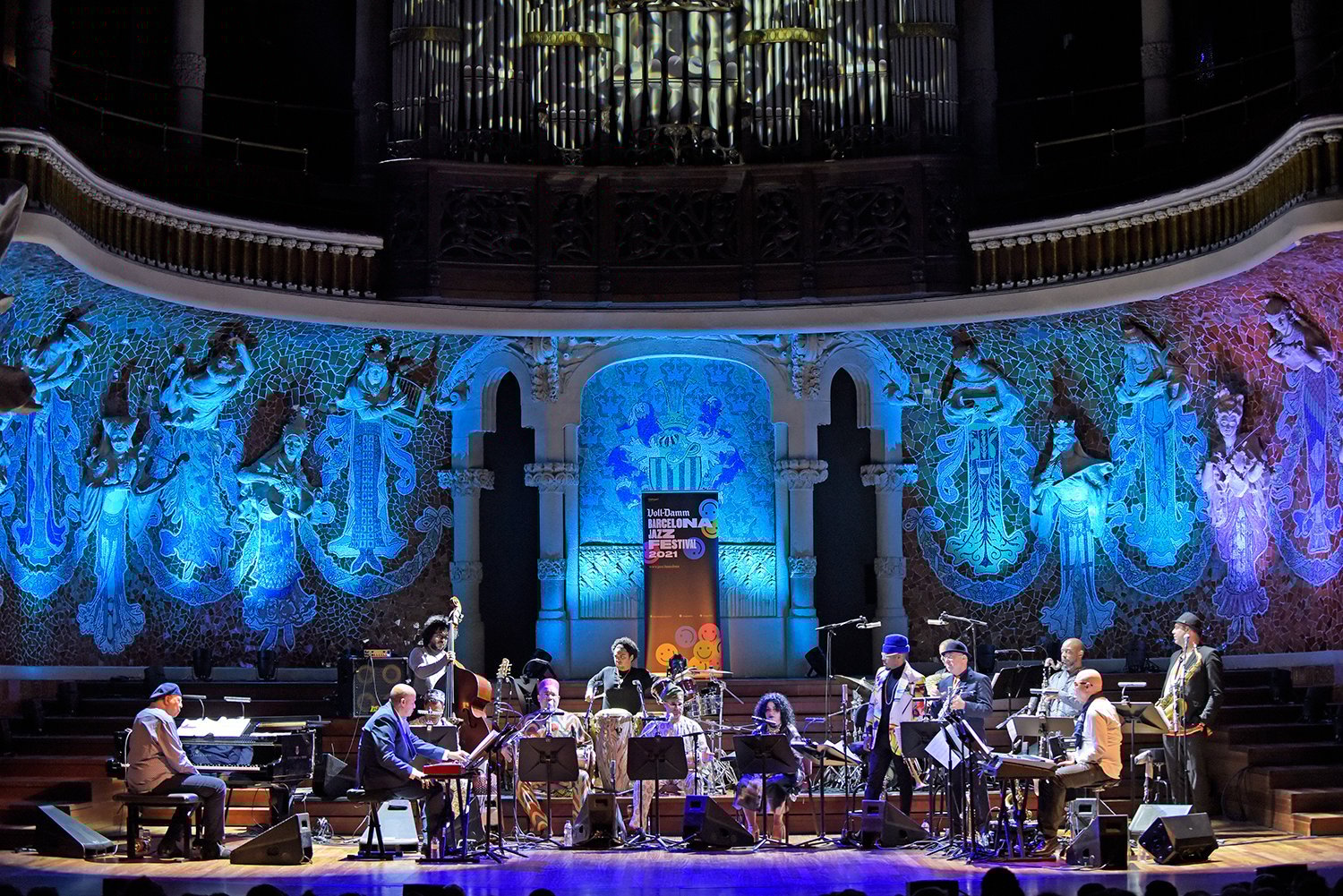
Barcelona: A Top Travel Destination in 2025
Plan your Barcelona travel 2025 adventure. Discover the perfect blend of architectural wonders and lively musical experiences.
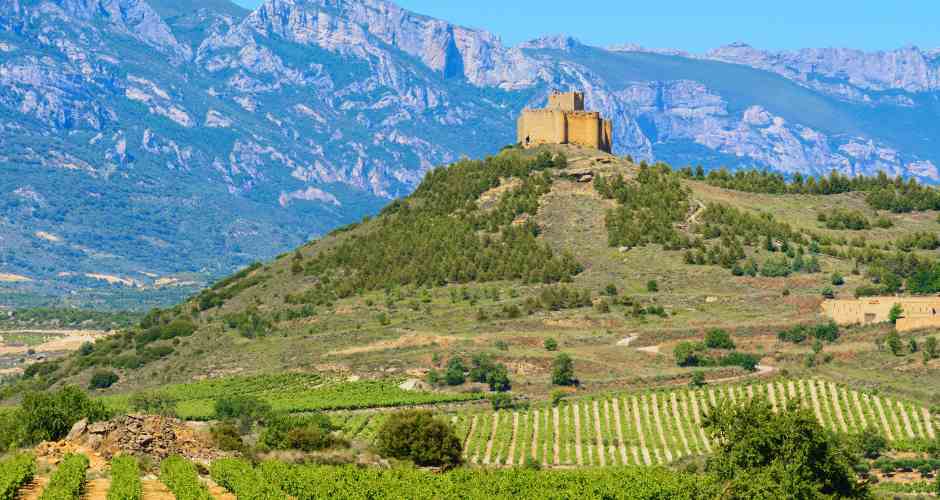
La Rioja: The Best Place in Spain to Experience Wine and Music
If you love wine, music, and authentic cultural experiences, La Rioja is the perfect destination for you. Nestled in northern Spain, this region is world-renowned for its exceptional wines, breathtaking landscapes, and vibrant music scene.
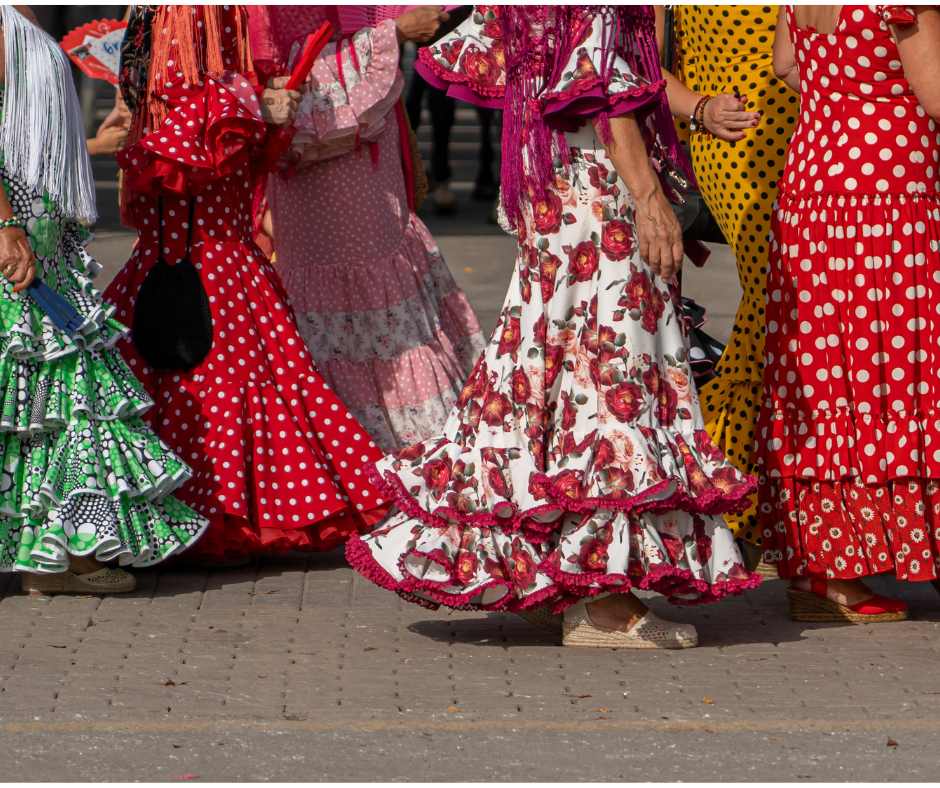
Experience Authentic Spain: Discover National Festivals Beyond Tourist Attractions.
Experience the biggest cultural events in Spain, from tomato-stained festivals to reflective processions; Spain’s heritage comes alive.