 Skip to content

A Bespoke Flamenco Journey Through Andalusia
Andalusia’s flamenco exists in layers—Seville’s urban professionalism, Jerez’s family lineages passed through domestic rehearsals, Cádiz’s maritime-influenced repertoire, and the rural traditions of Utrera and Lebrija where Gitano communities maintain styles shaped by geographic isolation. This regional diversity means flamenco isn’t a single practice but a collection of related forms, each responding to its particular environment, social context, and historical evolution.
This journey is not a fixed-date group tour. It is a privately designed experience shaped around your interests, timing, and how deeply you want to engage with flamenco as living tradition rather than staged performance. Some travelers compose week-long explorations emphasizing intimate artist sessions in Jerez alongside Seville’s architectural heritage. Others focus their tailor-made tour on comparative regional styles, vineyard landscapes, and the coastal culture that distinguishes Cádiz from interior traditions. Both approaches are possible, and every itinerary is built from scratch.
Whether you are traveling as musicians seeking technical understanding, cultural enthusiasts drawn to Andalusia’s layered heritage, or simply travelers who want substance over superficial tablao tourism, we design each journey to balance observation, participation, and unhurried regional movement—guided by our network of flamenco artists, cultural historians, and local partners across lower Andalusia.
How an Andalusia Journey Might Unfold
A sample flow, fully customized around your dates, interests, and pace.
Every Andalusia journey we design has its own progression. What follows is not an itinerary, but a sense of how flamenco, regional landscapes, and Andalusian culture often come together across Seville, Jerez, and surrounding towns. The details, timing, and emphasis are always shaped around you.
Opening Notes: Seville
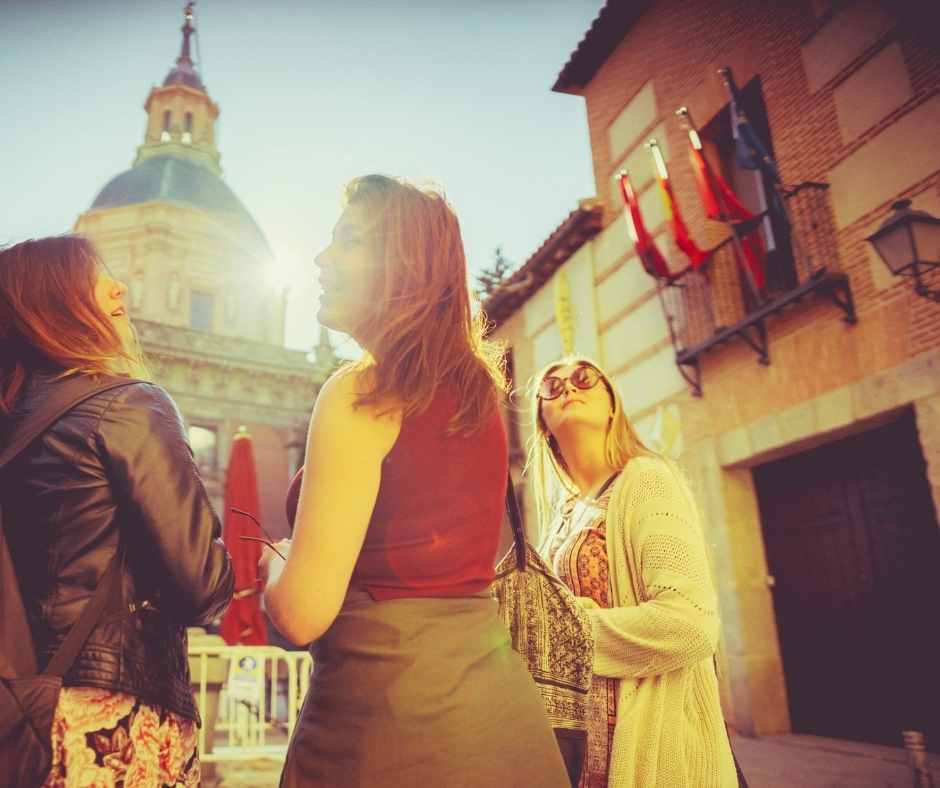
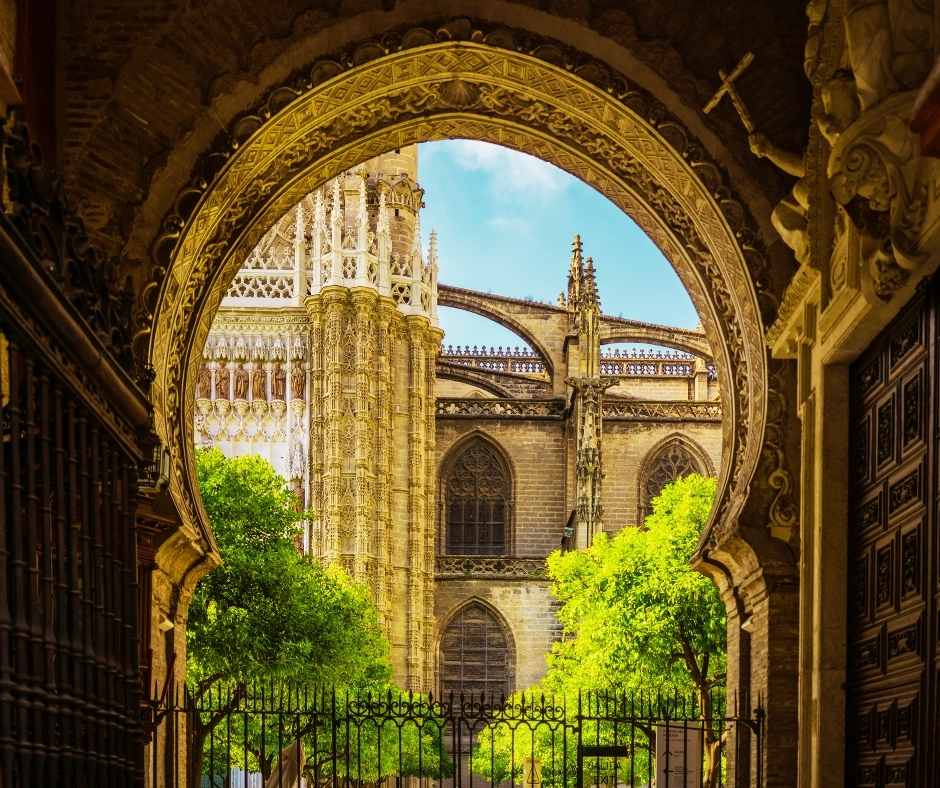
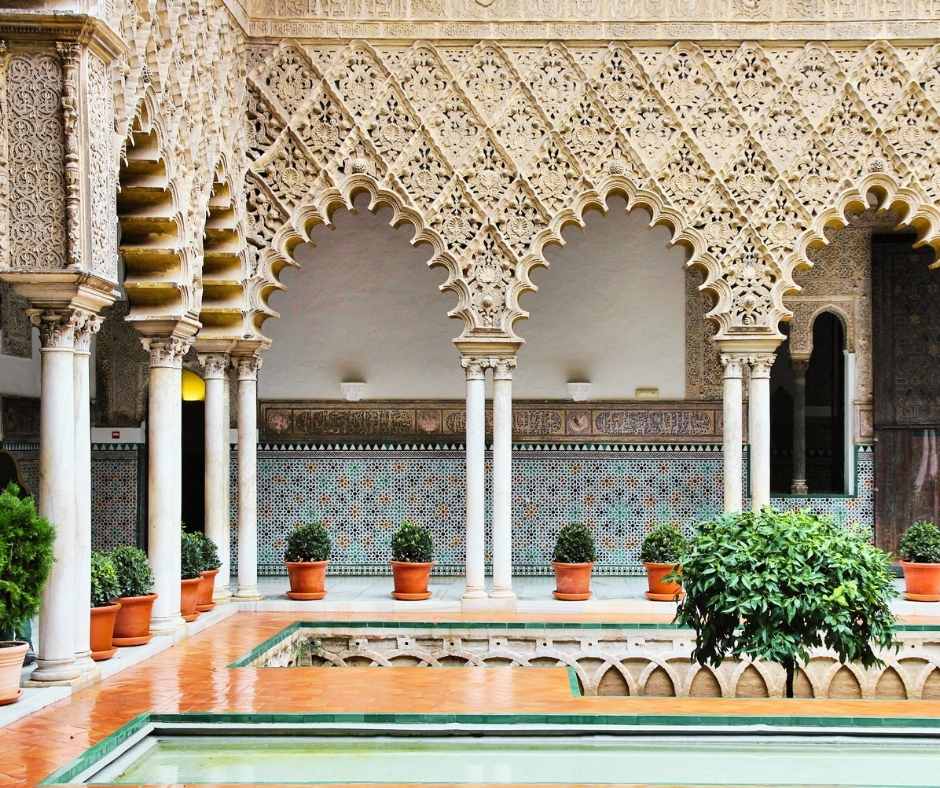
Most journeys begin in Seville, where Andalusia’s urban flamenco culture sets initial context. A guided walk through historic plazas, patios, and narrow streets introduces the city’s relationship with flamenco as part of daily life rather than tourist spectacle.
An evening might bring a first meal in Triana district—the neighborhood where Gitano families developed urban flamenco styles—allowing flavors and conversation to ease you into the region. For some, this first night includes quiet observation at a local gathering. For others, simply rest.
The Body: Jerez, Utrera, and Family Lineages
Days often unfold between interior towns where flamenco evolved in rural and semi-rural contexts. A stop in Utrera reveals traditions developed outside major urban centers, with optional visits to artisanal food producers and local bodegas.
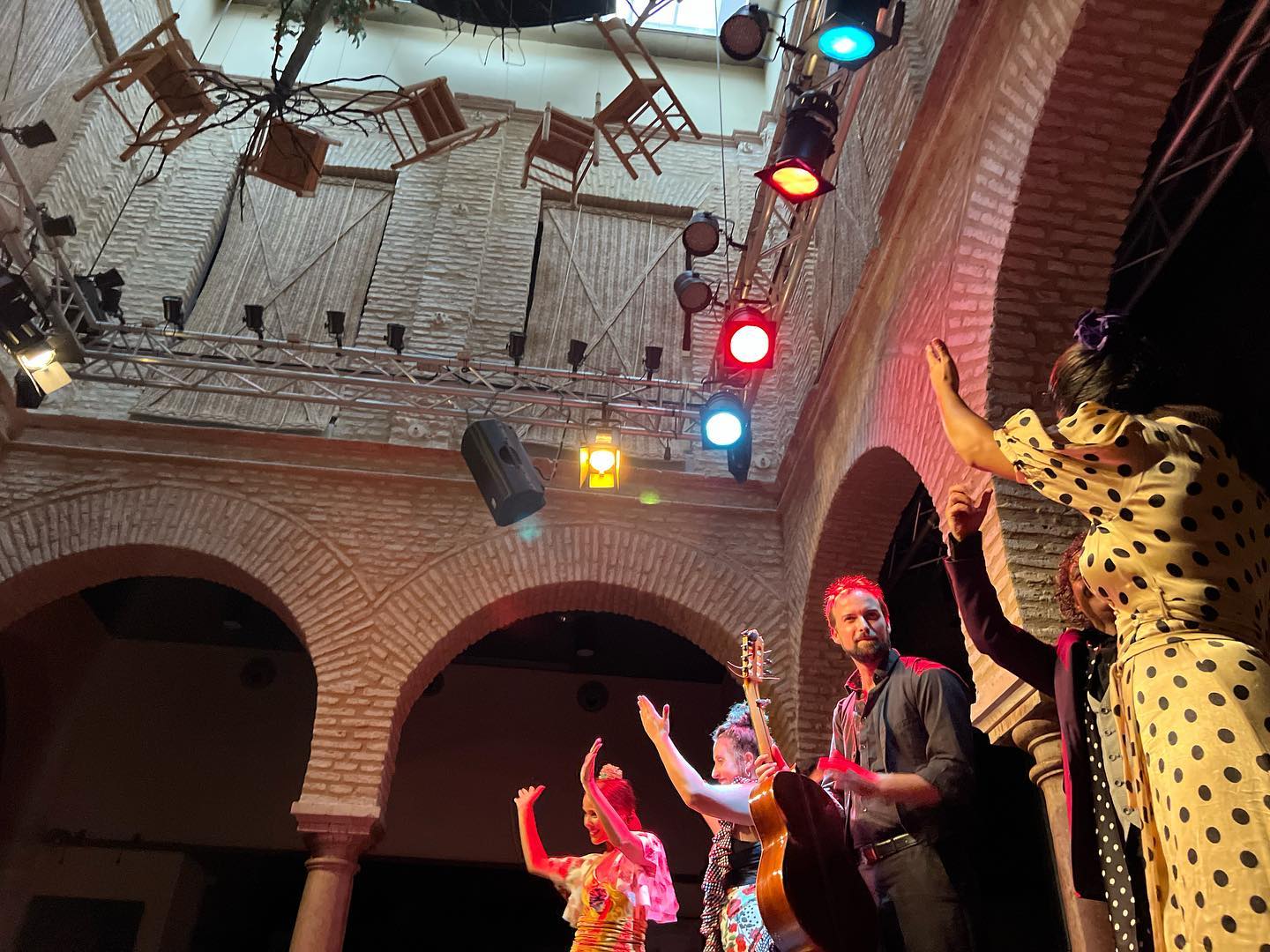
Lebrija offers intimate Gitano gatherings in small, domestic settings—local artists performing in shared spaces where music functions socially rather than commercially. Jerez provides morning sessions with flamenco families in their homes, guided classes or demonstrations followed by private performances. Lunches stretch comfortably. There is space to process, to listen, and to let regional distinctions emerge without agenda.
Variations: Cádiz and Coastal Culture
The coast adds geographic and musical contrast. Cádiz’s maritime history—port status, naval presence, trade routes—contributed specific character to local repertoire distinct from interior styles. A walking tour introduces the old town’s architecture while revealing how coastal position shaped cultural exchange.
Free afternoons allow waterfront exploration, independent wandering, or simply rest between the intensity of intimate musical encounters. When desired, sherry tastings or extended bodega visits can be woven in naturally, without overwhelming the flow.
Closing Notes: Reflection
The final morning is intentionally unhurried. A last breakfast, time to reflect on regional variations observed, or simply quiet preparation before departure.
For some, this is the tempo that completes the journey. For others, it becomes a bridge to Granada’s Sacromonte caves, Córdoba’s Mezquita, or deeper exploration of Andalusian wine routes.
You’re drawn to music as cultural practice rather than entertainment product. You want to understand how geography shapes artistic development, how family transmission differs from institutional teaching, what distinguishes performance for local audiences from performance for tourists.
Lower Andalusia, Spain
Seville, Jerez de la Frontera, Cádiz, and interior towns including Utrera and Lebrija. Southern Spain’s flamenco heartland.
Private, tailor-made regional exploration with measured pacing. Built around your interests in flamenco styles, balance of urban versus rural contexts, and preferred depth of artist engagement. Custom itineraries available year-round for travelers seeking authentic flamenco immersion.
- September-October and April-May offer comfortable conditions for countryside travel and outdoor exploration between sessions.
- Summer (June-August) brings Andalusian heat; flamenco gatherings and artist sessions continue but require afternoon rest intervals.
- Winter (November-March) provides access to indoor sessions, bodega visits, and urban exploration with minimal tourist presence.
Begin Your Journey With Us
Designed by musicians. Dedicated to your discovery.
Gallery
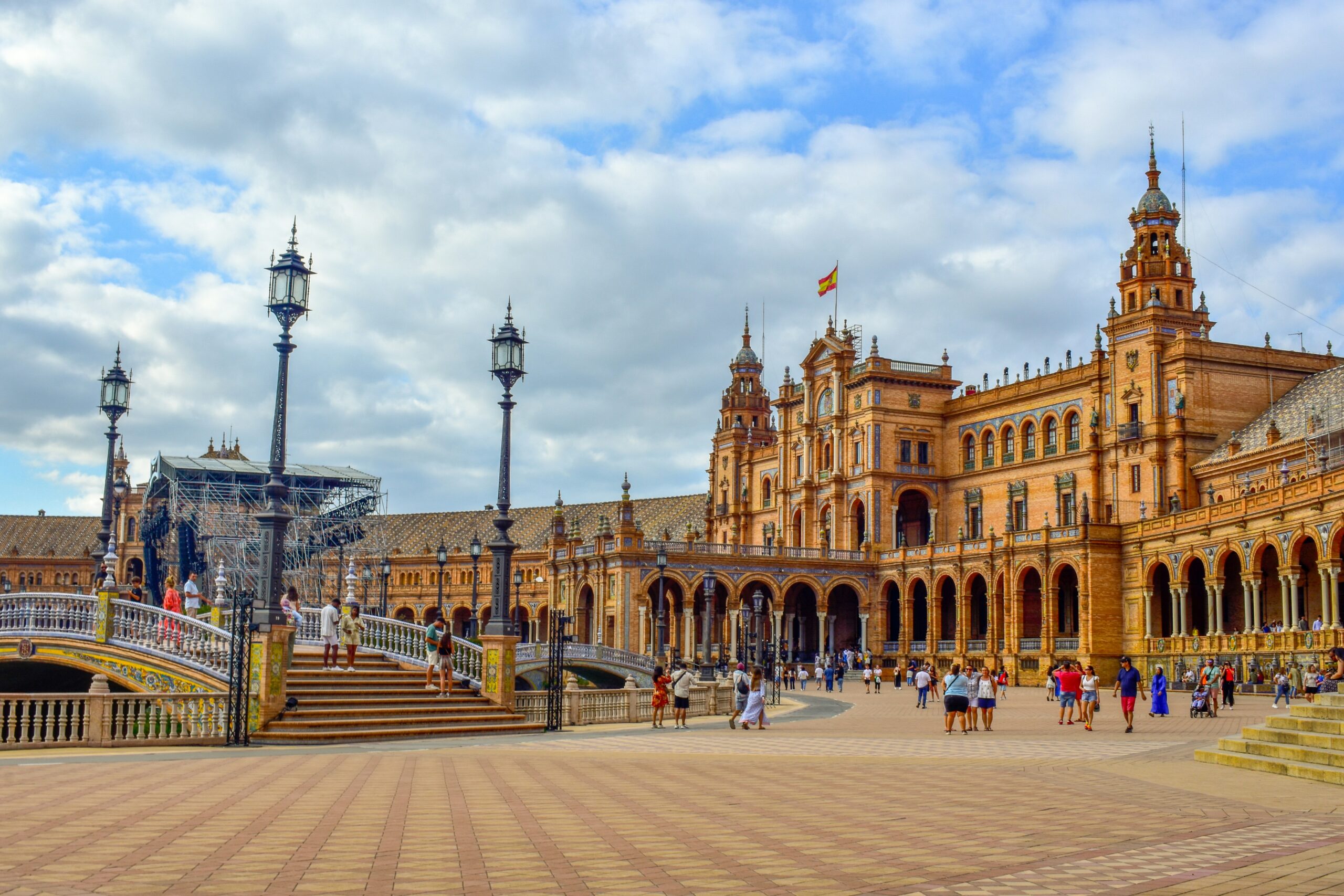
Plaza de España
Seville, Andalusia, Spain
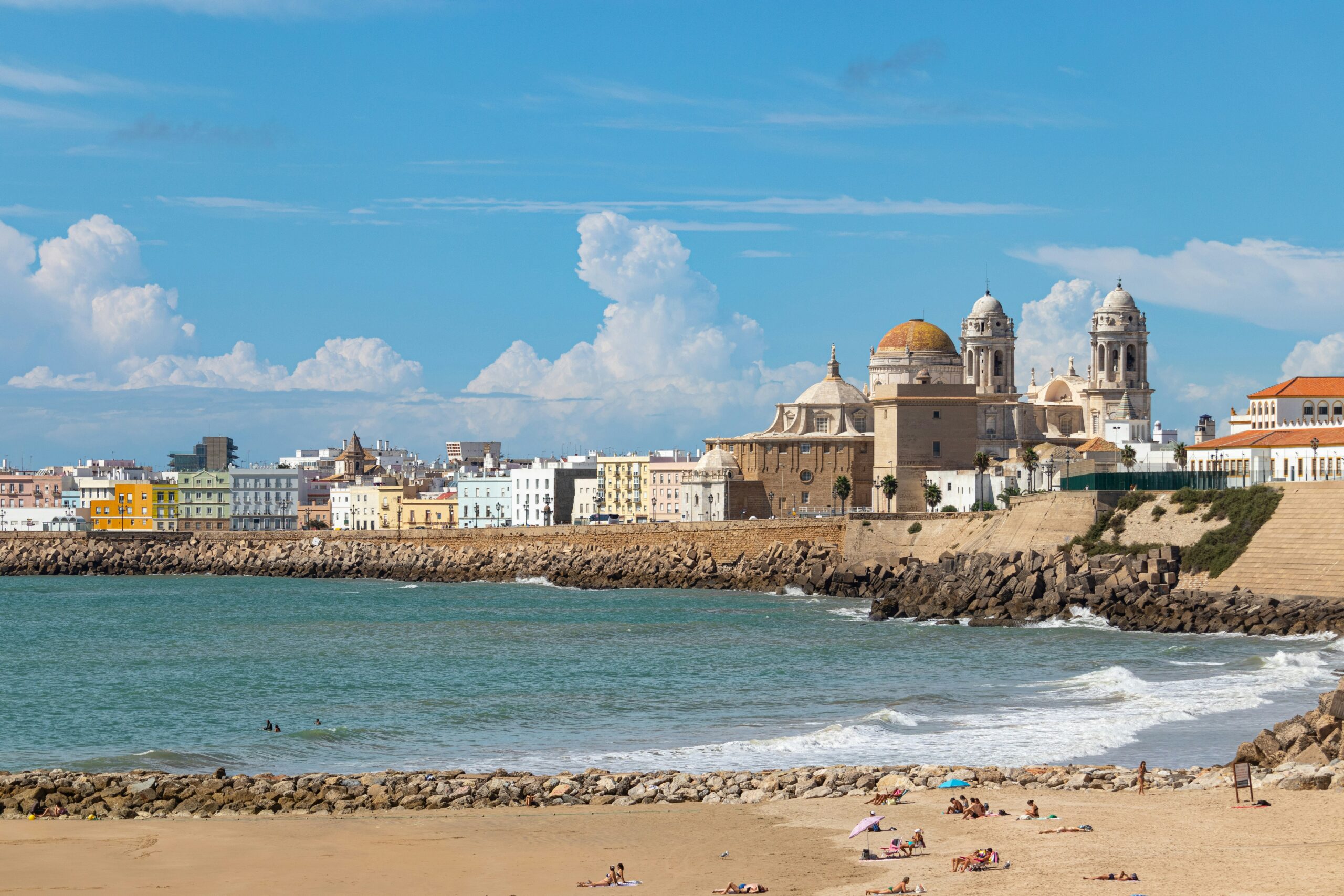
Catedral de Cádiz
Cádiz, Andalusia, Spain
Learn more About Spain
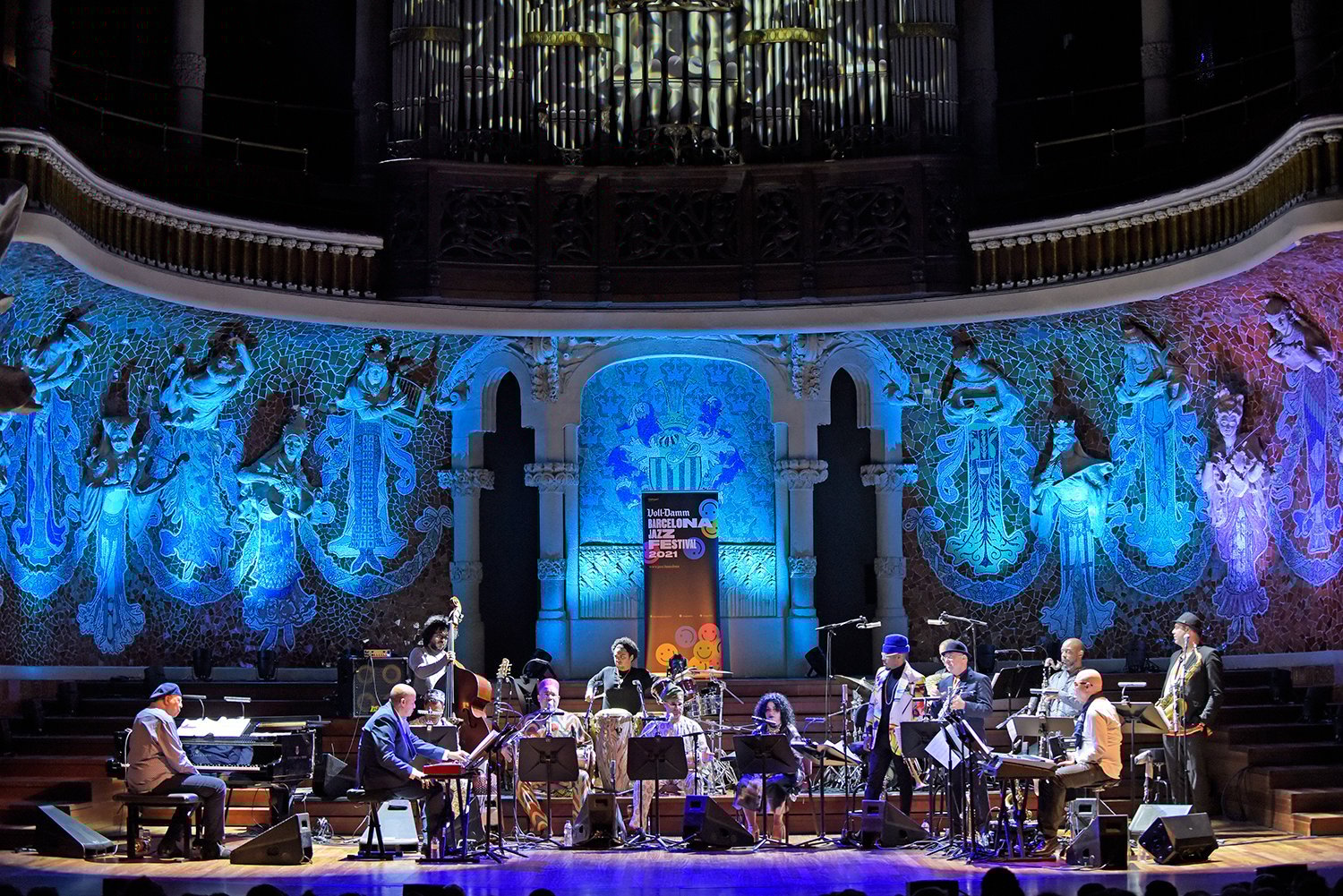
Barcelona: A Top Travel Destination in 2025
Plan your Barcelona travel 2025 adventure. Discover the perfect blend of architectural wonders and lively musical experiences.
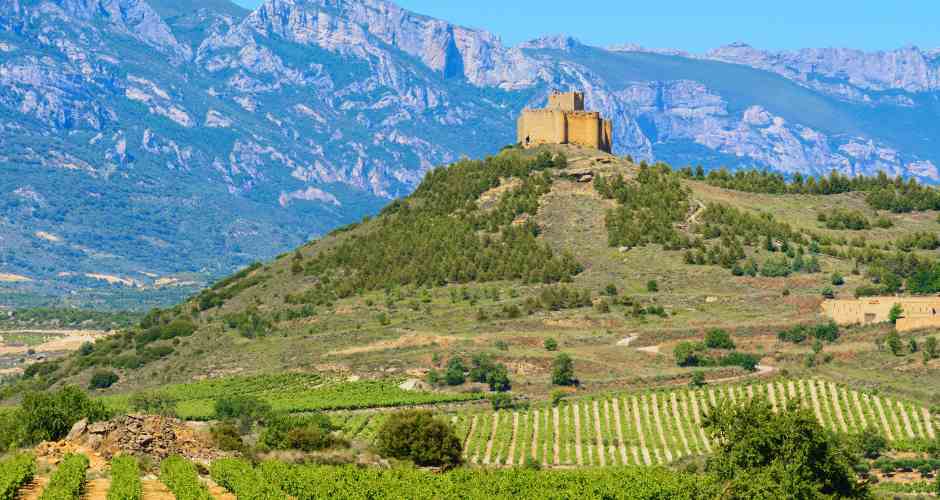
La Rioja: The Best Place in Spain to Experience Wine and Music
If you love wine, music, and authentic cultural experiences, La Rioja is the perfect destination for you. Nestled in northern Spain, this region is world-renowned for its exceptional wines, breathtaking landscapes, and vibrant music scene.
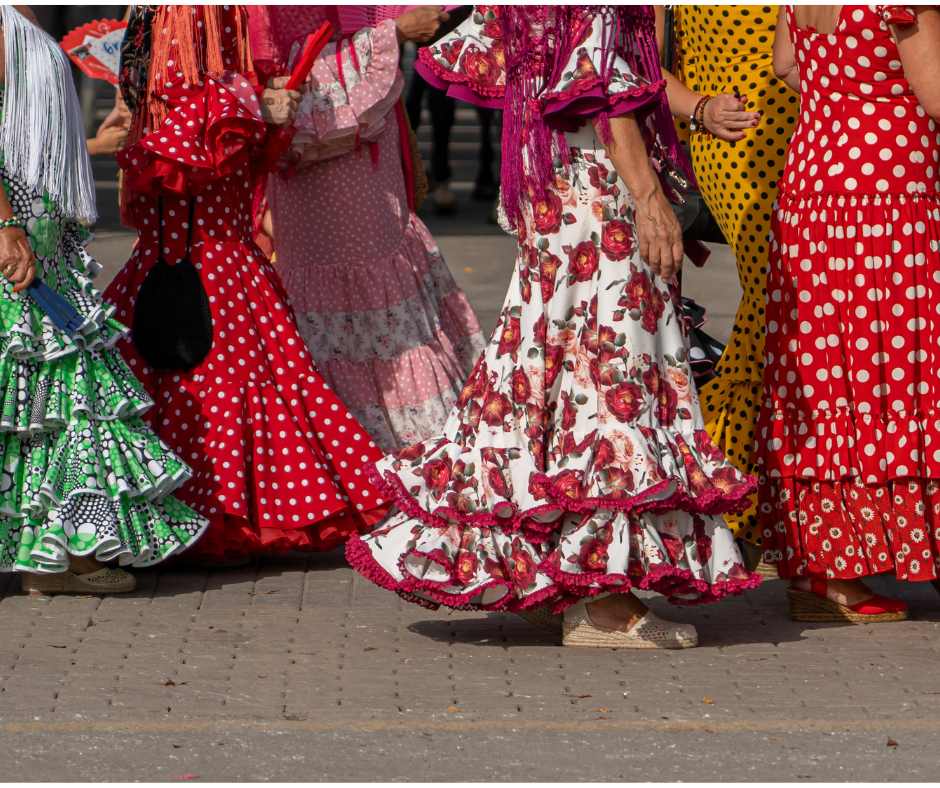
Experience Authentic Spain: Discover National Festivals Beyond Tourist Attractions.
Experience the biggest cultural events in Spain, from tomato-stained festivals to reflective processions; Spain’s heritage comes alive.