The most difficult part of the creative process is often not the act of writing, but the act of clearing enough space to hear an original thought. Most modern environments are designed for consumption and speed, leaving little room for the slow, tectonic shifts required for deep artistic development.
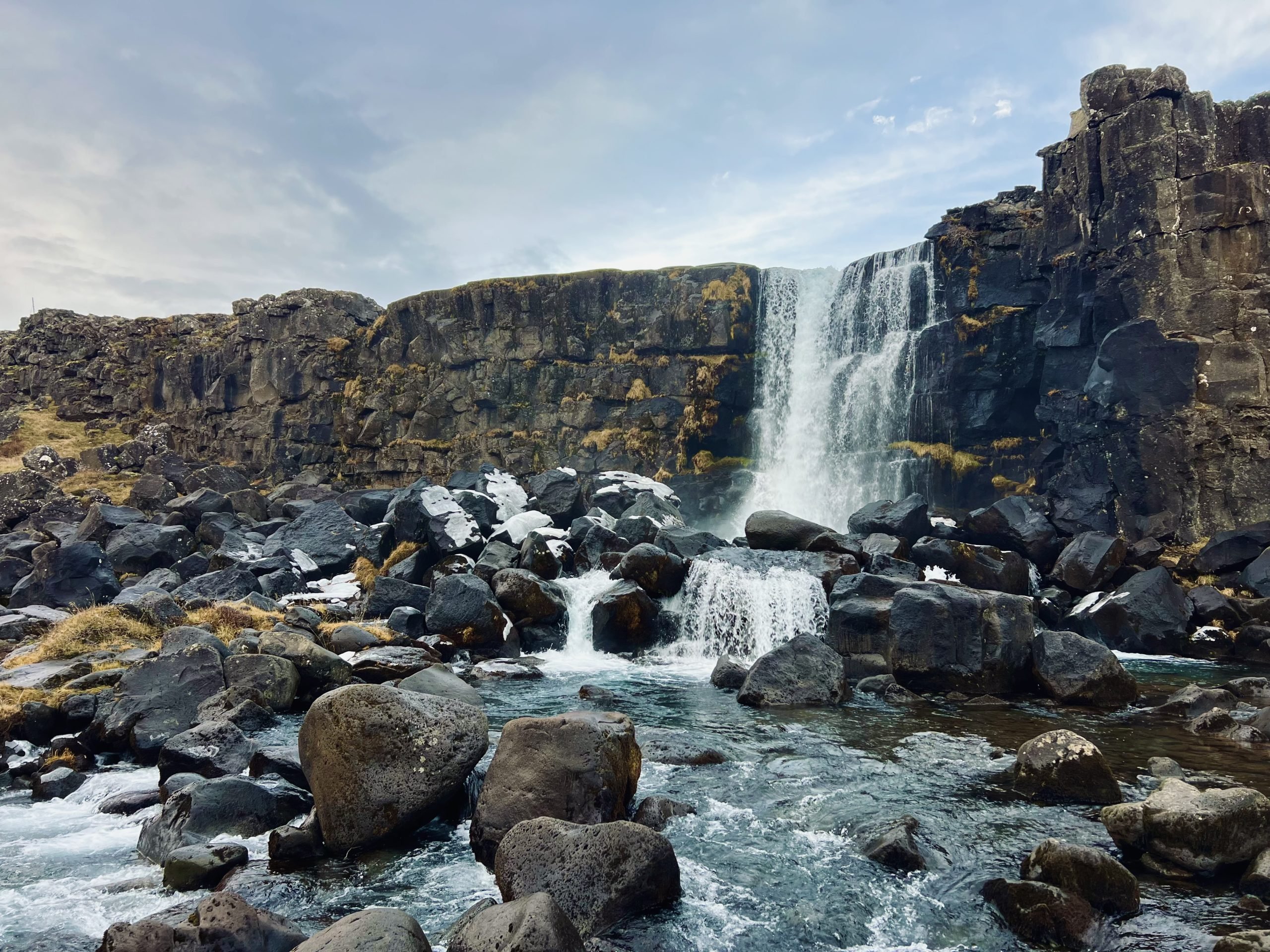
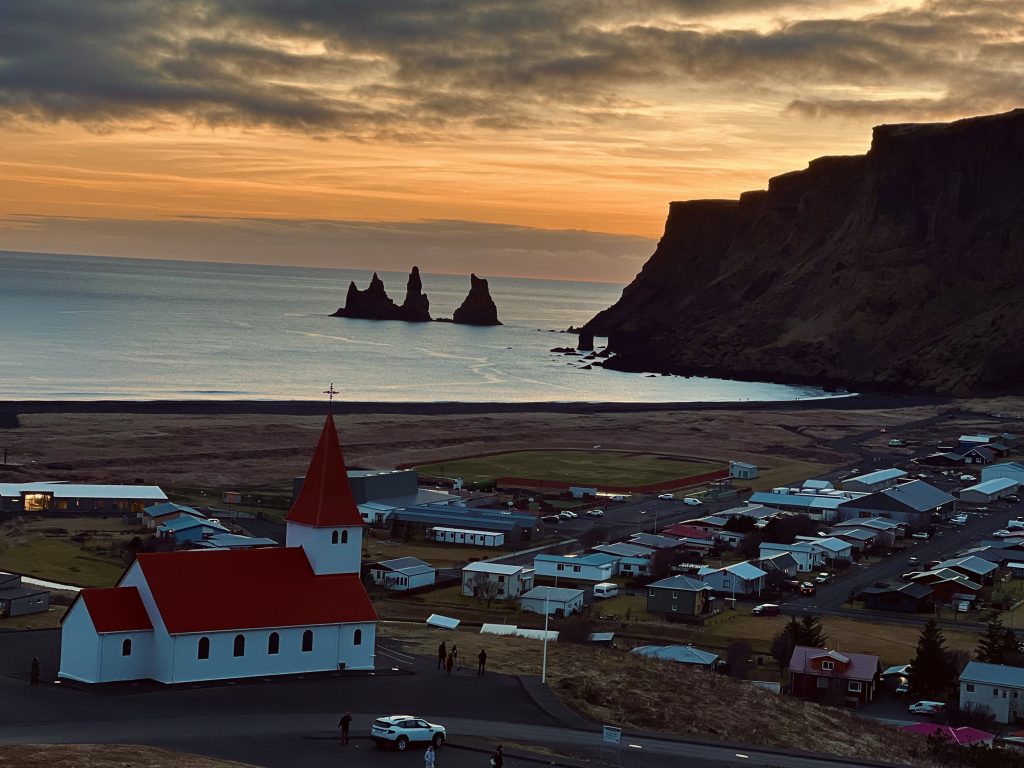
Iceland, however, exists on a different timeline. It is a landscape defined by raw, unfinished earth, a place where the physical world is still in the process of being made. For an artist, this environment offers a rare psychological alignment. When the world around you is in a state of creation, it becomes significantly easier to create.
The Logic of the Hidden
The Icelandic fascination with mysticism and the Huldufólk is a study in creative awareness. To believe that a rock is not just a rock, but a home for the “hidden people,” requires a specific kind of intellectual flexibility. It is an exercise in seeing beyond the literal. This mindset is the foundation of innovation. When a musician stops looking at their instrument as a tool and starts viewing it as a medium for the unseen, the work takes on a new dimension.
This is the frequency that artists like Sigur Rós, Björk, and Of Monsters and Men have tapped into for decades. Their music often feels like it was pulled directly from the basalt columns and glacial runoff. It carries a sense of “personal myth,” the idea that our internal stories are just as vast and rugged as the Sagas. In Iceland, the boundary between the internal imagination and the external landscape is thin. The silence of a lava field or the low hum of a geothermal vent provides a natural canvas, free from the rhythmic constraints of urban life.


Friction as a Catalyst
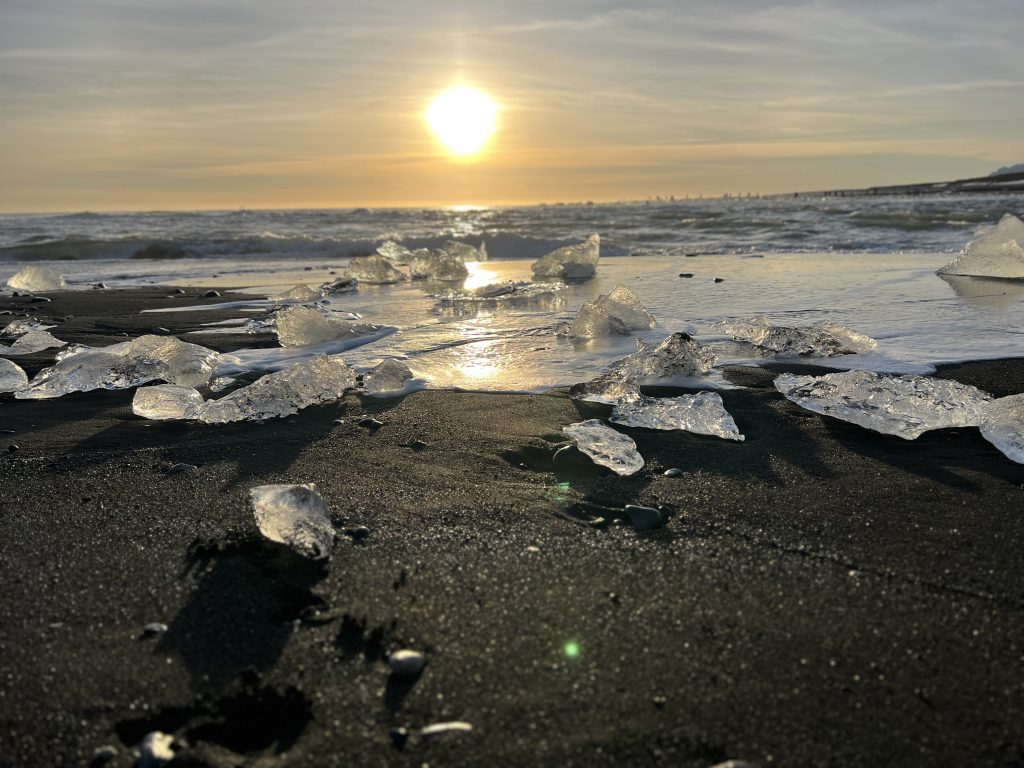
Creativity requires a certain amount of friction. It needs a point of resistance to spark an idea. The Icelandic environment provides this through its sheer intensity. The contrast between the biting wind and the warmth of a hot spring, or the transition from the volcanic black sands of the south to the floating ice of the Glacier Lagoon, creates a sensory tension. This tension demands a response. It forces the mind out of its comfortable patterns and into a state of “active listening.”
In this isolation, the ego tends to quiet down. When you are confronted with the scale of a glacier or the history of the Sagas, the pressure to produce something “marketable” disappears. It is replaced by a more objective desire to produce something honest. The focus shifts from the output to the process itself, the patient, disciplined work of uncovering a melody or a lyric that feels as permanent as the stones.
A Structured Return to the Source
Understanding the impact of this environment is one thing; finding the time and space to inhabit it is another. Most people visit Iceland as tourists, moving quickly from one landmark to the next without the silence required to actually create. This is the gap that a dedicated environment aims to fill. To truly harness the “Katla” effect—the creative pressure building beneath the surface, one needs more than a sightseeing itinerary. One needs a deliberate container for their work.
This philosophy is what led to the development of the Iceland Creativity Retreat through Musical Getaways. We recognized that the most valuable thing an artist can have is not just inspiration, but the permission to slow down.
Our retreat is structured to mirror the Icelandic creative journey, moving from the communal energy of Reykjavík into the profound isolation of the Glacier Lagoon region. It is a curated experience designed to move you through these landscapes while providing the tools for musical meditation and narrative development.