
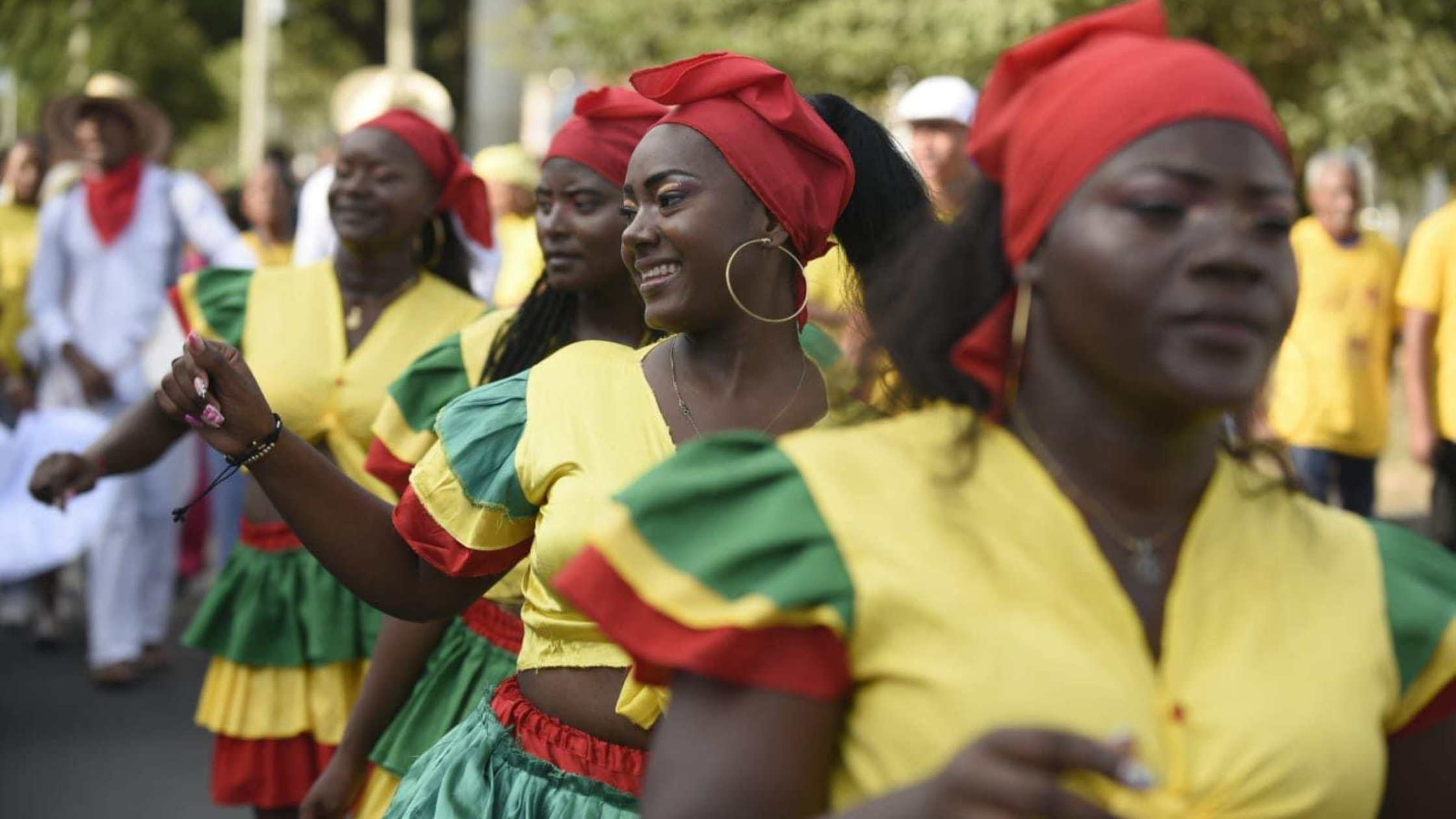
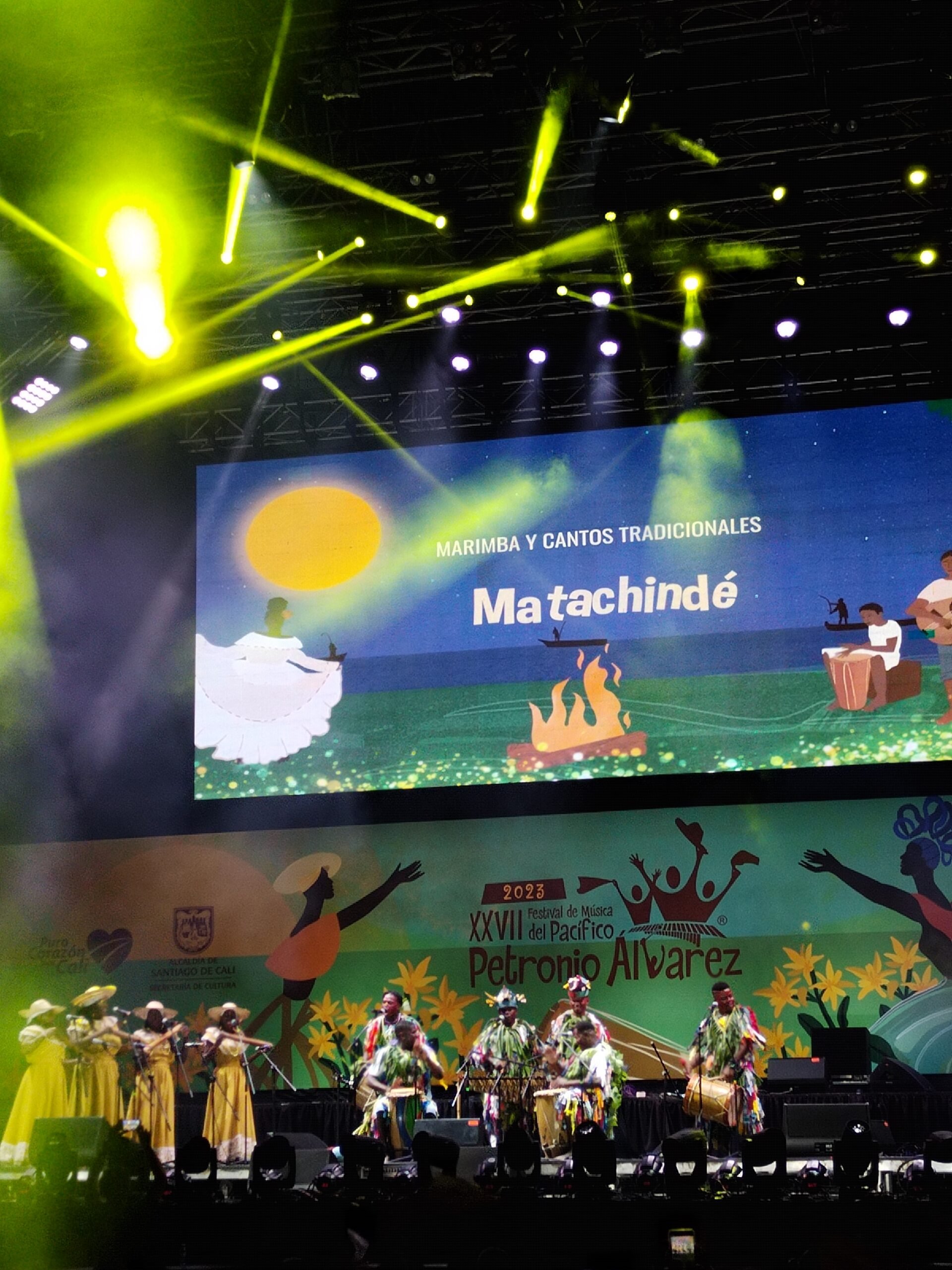
The Petronio Álvarez Festival began in 1997 as a small-scale competition in Cali, Colombia. Founded by historian Germán Patiño Ossa, its original goal was to provide a dedicated stage for the music of the Colombian Pacific, a region historically isolated from the country’s interior. The festival was named after Patricio Romano Petronio Álvarez Quintero, a musician and rail worker from Buenaventura. His 1954 composition, “Mi Buenaventura,” serves as a foundational text for the region’s musical identity.
As the festival approaches its 30th edition in August 2026, it has shifted from a local gathering into the primary cultural institution for the Afro-Colombian diaspora.
Three Decades of Structural Evolution
The festival did not reach its current scale overnight. Its 30-year history is marked by several shifts in how the music is categorized and presented:
- 1997–2007: Establishing the Pillars. The early years focused on defining the four competitive categories: Marimba (the “piano of the jungle”), Chirimía (woodwinds and brass from Chocó), Violines Caucanos (ancestral violins from northern Cauca), and Versión Libre (modern fusion).
- 2008–2015: Scaling the “Ciudadela.” To accommodate growing crowds, the festival moved from the Teatro Los Cristales to the Unidad Deportiva Alberto Galindo. This created the “Ciudadela Petronio,” a massive complex that hosts workshops, instrument-making demonstrations, and a culinary wing.
- 2016–Present: The Viche and Global Recognition. Recent years have seen the festival successfully lobby for the legal recognition of Viche (ancestral cane spirit) as national heritage. This period also saw the inclusion of the “Quilombo Pedagógico,” a space where elders teach the younger generation about oral tradition and instrument tuning.
Relevant Artists and the 2026 Lineup
The festival has been the primary engine for the international careers of many Pacific artists. Groups like Grupo Socavón, Herencia de Timbiquí, and Canalón de Timbiquí (fronted by Nidia Góngora) all began as competitors on the Petronio stage. Their success demonstrated that traditional marimba and percussion could find a global audience without losing their regional tuning or rhythmic complexity.
For the 30th Anniversary in August 2026, the programming reflects this legacy. The lineup includes a “Grand Ensemble” of past winners from the last three decades. Beyond the competition, the 2026 edition features collaborations between Colombian marimba players and guest percussionists from Brazil and West Africa. This marks a move toward a Pan-African musical exchange, positioning Cali as a central node in the global African diaspora.
The 2026 Edition: Technical and Cultural Significance
The 30th anniversary is themed “La Casa Grande” (The Big House). This refers to the festival’s role as a gathering point for families and musicians who were displaced during decades of internal conflict. In this context, the music is a tool for memory and territorial identity.
In August 2026, the city expects over 2,000 performers. While the main stage draws the largest crowds, the technical heart of the festival remains the “Quilombo,” where the construction of the marimba de chonta and the physics of the bombo drum are discussed by the master luthiers who build them.

Join Our Small Group Tour
For those interested in the technical and historical aspects of this music, we are hosting a trip for a small group of eight participants from August 11th to 17th, 2026.
The itinerary begins in Cartagena and San Basilio de Palenque, the first free town of the Americas. This provides the historical foundation for understanding the music of the Pacific. Once in Cali, the focus is on the festival’s 30th-anniversary programming.
What our 8-person group experience includes:
- Marimba Workshop: A private session with local musicians to learn about the 24-slat marimba and its specific regional tunings.
- Curated Festival Access: Guided attendance to the main performances and the artisan markets.
- Viche Tastings: Direct interaction with traditional producers to learn about the distillation process of this heritage spirit.
- Small Group Logistics: With only eight people, we have the flexibility to visit neighborhood rehearsals and speak directly with the performers.
You can view the full 7-day itinerary and technical details on our Petronio Álvarez Festival: Afro-Colombian Music & Heritage Tour page.