The Super Bowl has evolved into a global cultural checkpoint that dictates the themes shaping public attention for months. Music is no longer just the background to the game; it is the driver of a broader conversation about identity, history, and place.
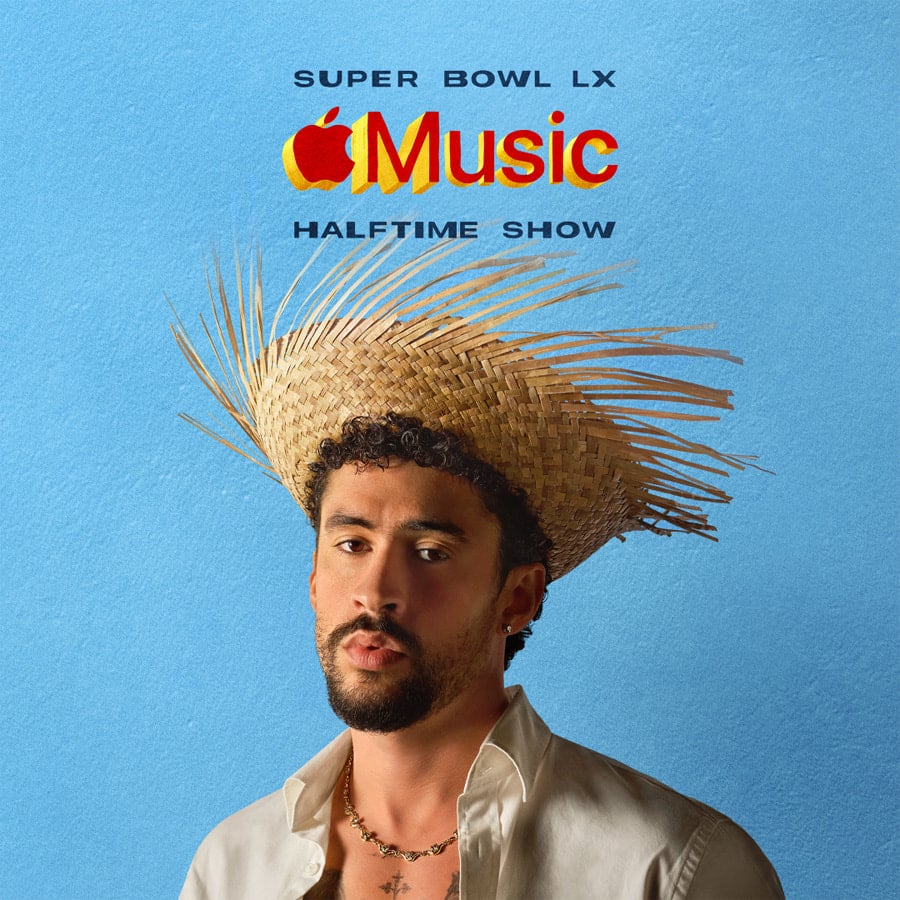
Following Bad Bunny’s historic headline performance at Super Bowl LX in 2026, the search behavior surrounding the event underwent a fundamental shift. Audiences were not just looking for a halftime setlist; they were searching for the history of the sugar cane fields depicted on stage and the meaning behind the jíbaro attire. This moment was a signal: global audiences are increasingly demanding the depth and context behind the performance.
The Super Bowl as a Cultural Amplifier
The Super Bowl remains one of the most powerful amplifiers of cultural interest. When a solo artist like Bad Bunny uses the platform to center Puerto Rican history—featuring symbols like the pava hat, domino games, and the defiant lyrics of “El Apagón”—it immediately drives a surge in Latin American travel interest.
Data consistently shows that searches for Puerto Rico, Afro-Caribbean culture, and Spanish-language histories rise during and after the game. This curiosity is the foundation of music tourism. Listeners are using these massive media moments as entry points, moving beyond the screen to understand the communities where the music is born.
The Residency Model: Puerto Rico’s Economic Engine
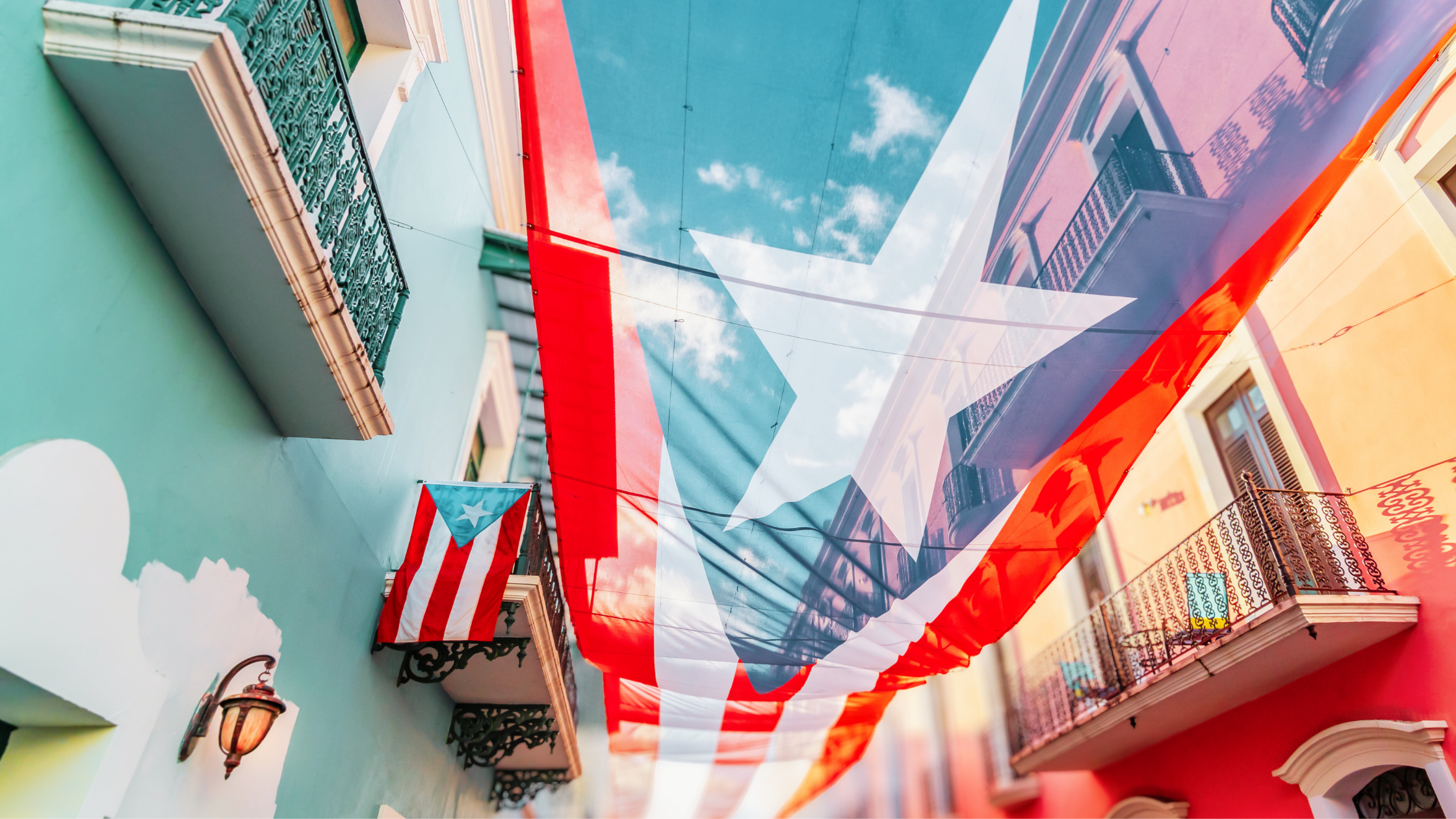
While the Super Bowl reaches millions on screen, Bad Bunny’s “No Me Quiero Ir de Aquí” residency in Puerto Rico demonstrated the tangible power of music to drive a local economy. In 2025 and 2026, this series of sold-out shows generated an estimated $400 million to $700 million in economic impact for the island.
This residency created a new blueprint for responsible travel. By anchoring the destination choice to the artist’s roots, it:
- Boosted hotel occupancy and local transport demand during typically slow seasons.
- Directed visitors toward local artisans and vendors, supporting the people behind the culture.
- Shone a spotlight on Puerto Rico’s resilience, moving the narrative beyond generic tourism.

How Music Tourism Changes the Traveler
People who travel for music tend to listen differently. They look for the environment that produced the sound—the politics, the geography, and the daily routines. In Puerto Rico, this has manifested in “Benito-themed” tours that visit his hometown of Vega Baja, supporting local businesses and community centers along the way.
This kind of travel is not about checking off generic landmarks. It is about cultural exchange. It allows travelers to learn from local musicians and educators, creating a more respectful and deep-seated connection to the destination.
Moving Past Shallow Travel
There is growing fatigue around generic travel experiences. High-profile residencies and culturally specific performances like those seen at the Super Bowl respond to a desire for something grounded in lived experience.
Music-centered travel is rooted in local knowledge. Whether it is a workshop on bomba y plena or a visit to a neighborhood eatery made popular by a song, these experiences offer a way to interpret a place through its sound. A song carries more meaning once you understand the conditions of its creation.
A Broader Vision: Music Destinations Across Latin America
The pull of music tourism extends far beyond Puerto Rico. Across Latin America, specific cities have become “pilgrimage sites” for travelers seeking the origin stories of global sounds. At Musical Getaways and our sister company Havana Music Tours, we facilitate these connections by moving beyond the main stages and into the heart of the community.
Cuba: The Source of the Son/Salsa Music

In Havana, music is the social fabric. Our tours, led by professional musicians and musicologists, offer a survey of Cuban sound—from the interlocking polyrhythms of rumba at Callejón de Hamel to the sophisticated progressions of the Havana Jazz Festival. By staying in Casas Particulares and dining at local paladares, our travelers provide direct support to the Cuban people.
Brazil: Samba and Bossa Nova
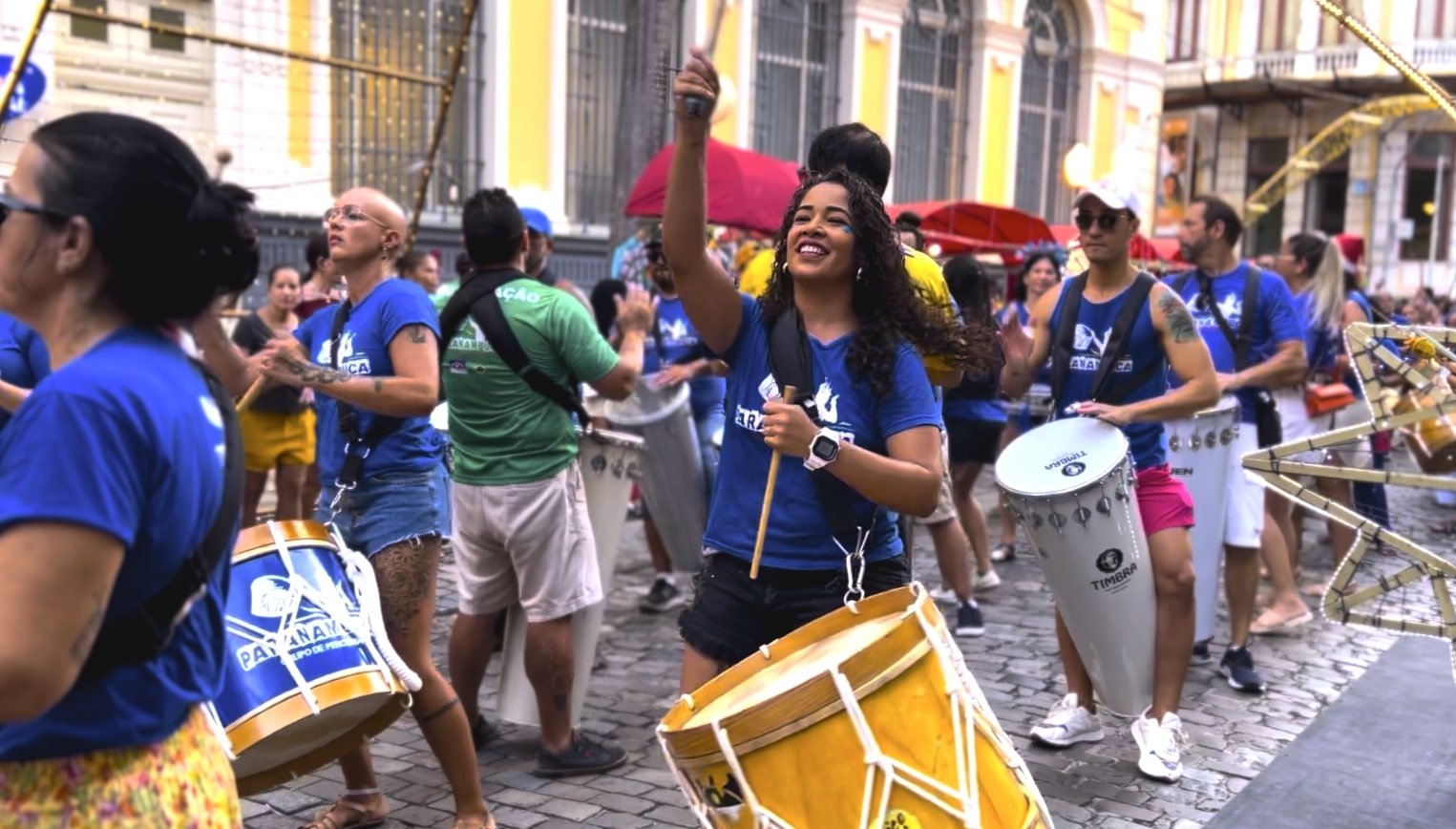
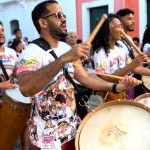
From the samba schools of Rio de Janeiro to the Afro-Brazilian rhythms of Salvador de Bahía, Brazil offers a masterclass in how music preserves history. Our itineraries include insider access to Rio Carnival rehearsals and workshops that explore the African heritage inherent in Brazilian percussion.
Colombia: Cumbia and Champeta
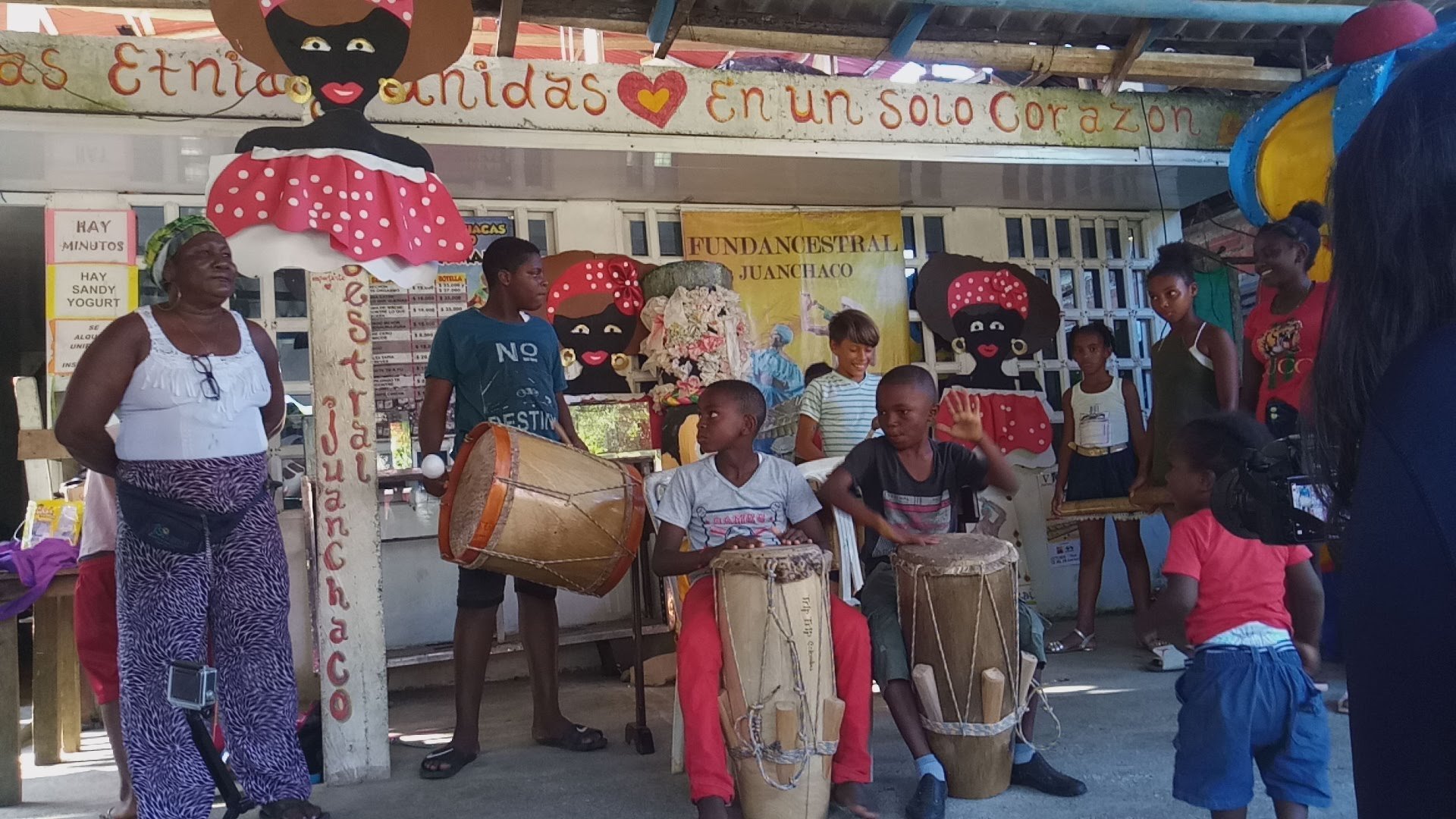
Colombia has emerged as a powerhouse of musical diversity. We guide travelers through the “stories of freedom” in San Basilio de Palenque—the first free town in the Americas—and host hands-on Gaita workshops in San Jacinto. These experiences allow travelers to engage with the practitioners who keep these traditions alive.
The Importance of Supporting Cultural Communities
The ultimate value of music tourism lies in the sustainability of cultural communities. When travel is centered on music, the economic benefits reach the “culture keepers”—the musicians, instrument makers, and local educators who often exist outside the traditional tourism industrial complex.
By choosing specialized operators like Havana Music Tours and Musical Getaways, travelers ensure their presence contributes to the preservation of the arts. We focus on:
- Musician-Led Guidance: Learning directly from working-class artists and teachers.
- Community Interaction: Supporting the local economy through neighborhood venues and private studios.
- Respectful Exchange: Prioritizing educational activities and meaningful dialogue over mere spectacle.
Why This Moment Matters Now
The 2026 Super Bowl and the rise of artist residencies have reinforced that Latin American music is at the center of the global mainstream. This shift suggests that more people are ready to move past surface-level experiences toward travel grounded in listening and respect.
Music tourism responds to this desire. Whether it is the streets of Old Havana or the mountains of Puerto Rico, these experiences last because they reshape how the traveler hears the world.