
The Caribbean coast of Colombia is often framed through a narrow lens of tropical escapism, yet its true identity is written in a complex, polyrhythmic language of wood and skin. At the center of this sonic landscape is the Gaita—a long, end-blown flute made from the heart of a cactus, capped with a mix of beeswax and charcoal. To hear the Gaita is to hear the unfiltered history of mestizaje: the indigenous flutes of the Zenú and Kogi peoples meeting the percussive resistance of the African diaspora. This is not merely “folk music”; it is a sophisticated system of collective memory that has survived centuries of colonial pressure.
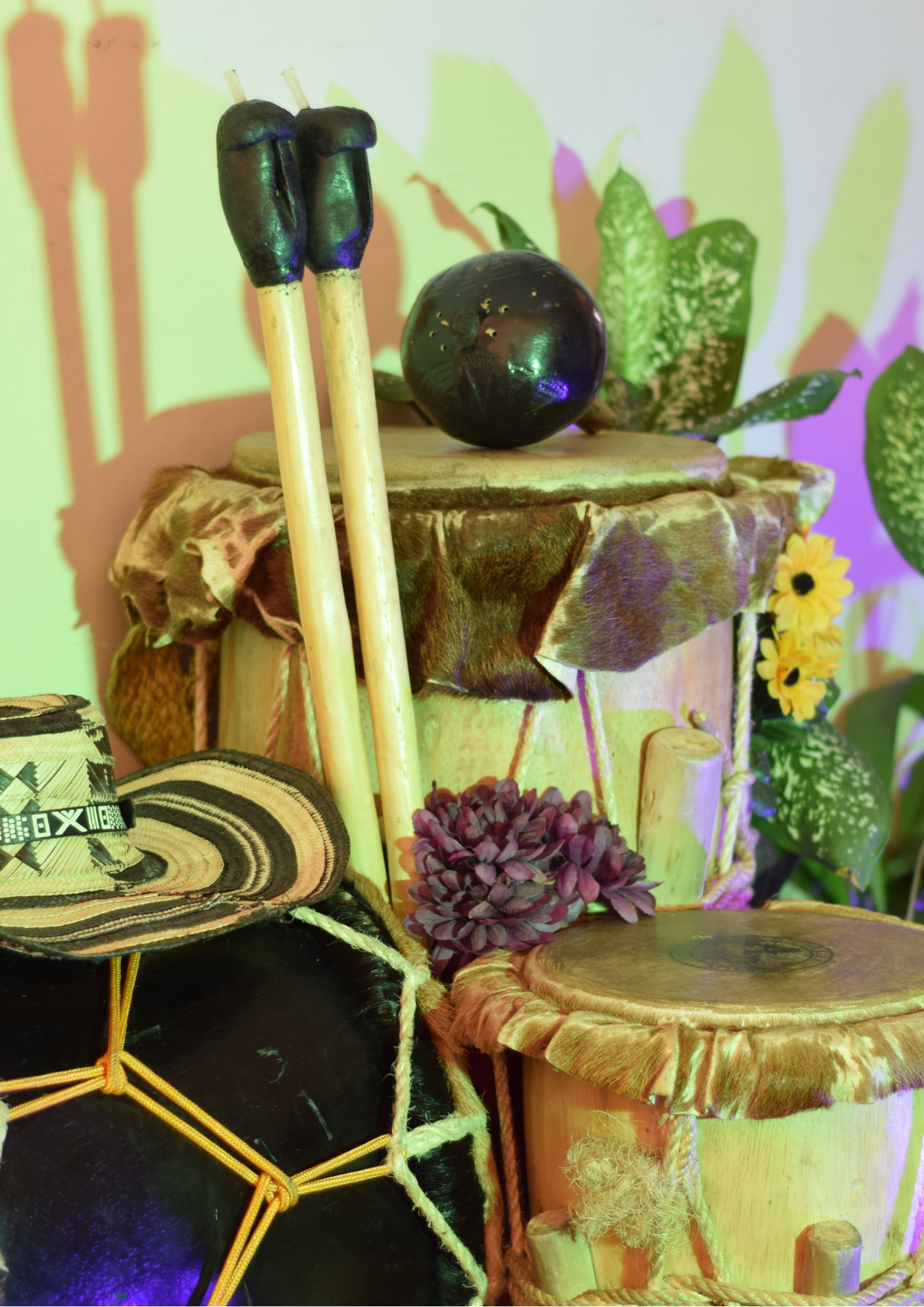
In the Colombian Caribbean, the Gaita and the drum function as a single organism. The Gaita provides the melodic breath—often oscillating between nostalgia and celebration—while the drums (llamador, alegre, and tambora) provide the structural pulse. This tradition is a living archive, where every composition reflects the daily realities of the territory, from the labor of the fields to the coded messages of freedom. To understand these rhythms is to understand the social architecture of the region, where music serves as the primary tool for community cohesion and historical preservation.
Cartagena & Palenque: The Ports of Convergence
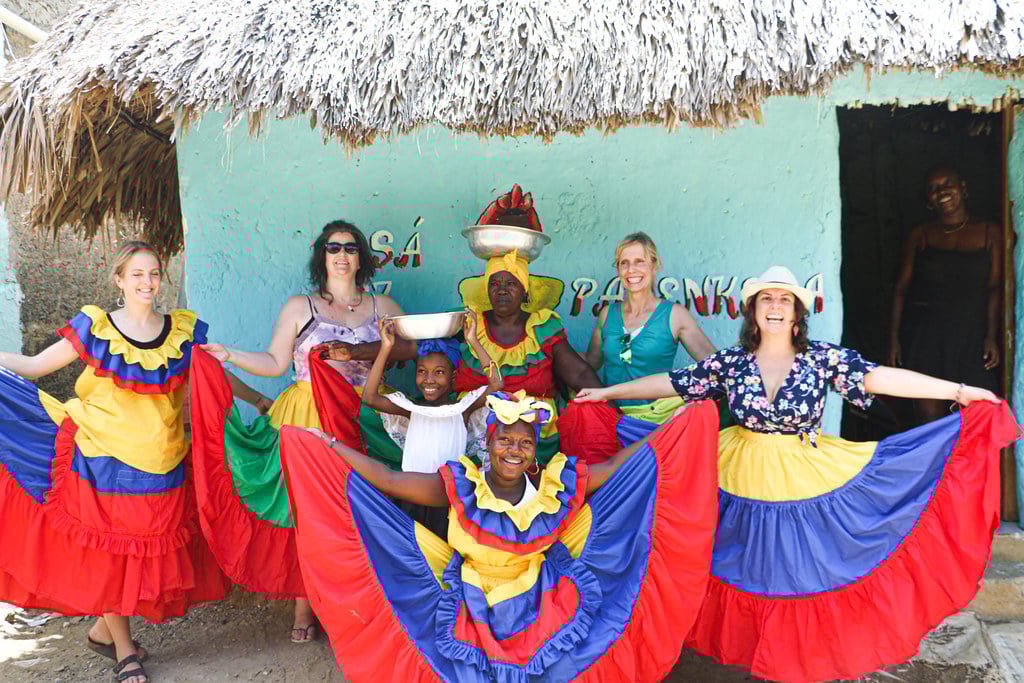
The journey into this tradition often begins in Cartagena de Indias, a city that functions as a gateway of cultural convergence. While the walled city is frequently treated as a museum, its true pulse is found in the neighborhoods where the Gaita remains a pillar of local identity. Here, the music is a constant presence, a sonic reminder of the city’s role as a site where diverse ethnic groups were forced together, eventually creating a new, shared language.
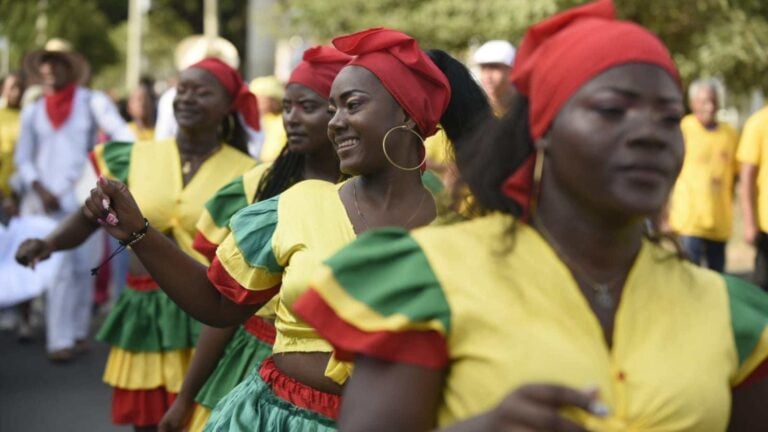
A short distance away lies San Basilio de Palenque, the first “free town” of the Americas. In Palenque, the drums do more than provide a beat; they are a language of resistance. For centuries, the drum served as a method of long-distance communication and a way to maintain African identities in the face of slavery. Today, the local music—ranging from Bullerengue to Sexteto—remains a powerful assertion of independence. In Palenque, rhythm is not a performance; it is a declaration of presence.
The Lineage of San Jacinto and the Highlands of Sucre
If Palenque is the heart of the drum, the Montes de María—the highlands stretching across Bolívar and Sucre—are the soul of the Gaita. In the town of San Jacinto, the Gaita is a generational inheritance. This is the home of the legendary Gaiteros de San Jacinto, a group that moved the tradition from rural labor rituals to the global stage, eventually earning a Latin Grammy. In this region, the music is defined by its technical specificity: the Gaita Hembra (female), which carries the melody, and the Gaita Macho (male), which provides the rhythmic and harmonic support.
Further into the department of Sucre, the town of Ovejas serves as a final, critical anchor. As the host of the National Gaita Festival, Ovejas is a site of intense cultural preservation. Here, the music is stripped of commercial polish. It is raw, earthy, and deeply connected to the agricultural cycles of the region. The festival is a gathering of lineages, where young musicians learn the “Francisco Llirene” style directly from the elders. In Ovejas, the flame of the tradition is not just kept alive; it is fueled by a community that views the Gaita as their most essential piece of technology.
Designing the Journey: Our Bespoke Approach
At Musical Getaways, we recognize that the Gaita and the drum are not just tourist attractions; they are sacred practices. Accessing the depth of the Montes de María requires more than a bus ticket; it requires trust and local relationships. We approach Colombian travel as an ethnomusicological exploration, ensuring our guests engage with these traditions in a way that is respectful and historically grounded.
Our bespoke itineraries are designed to take you beyond the festival stages. We facilitate private workshops with master instrument makers in San Jacinto, intimate drum circles in Palenque, and guided listening sessions with cultural historians in Cartagena. We treat travel as a medium for understanding—a way to hear the nuances of the Colombian territory through the very people who have guarded its sound for generations.