When you look past the tourist crowds on Bourbon Street or the glitz of Nashville’s Broadway, you find the actual workshops of American music. These are the rooms where the frequencies changed, where engineers broke the rules, and where the genres we listen to today were forged in real-time.
To understand the South, you have to look at these five specific locations through a technical and historical lens.
1. Congo Square: The Birth of the Backbeat
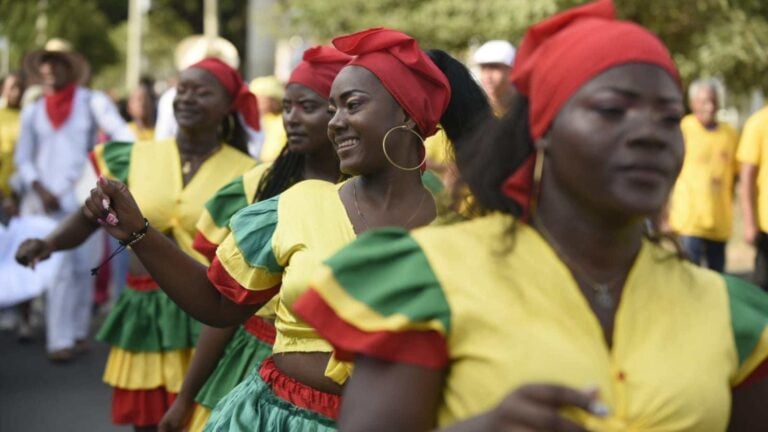
While the French Quarter is famous for its jazz clubs, the technical origin of the American drum set is found in Congo Square. In the 19th century, this was one of the few places where African rhythmic structures were preserved. These Sunday gatherings provided the blueprint for the transition from communal percussion to the syncopated rhythms that define jazz and rock and roll.
2. Sun Studio: The Radiator Shop that Captured Lightning
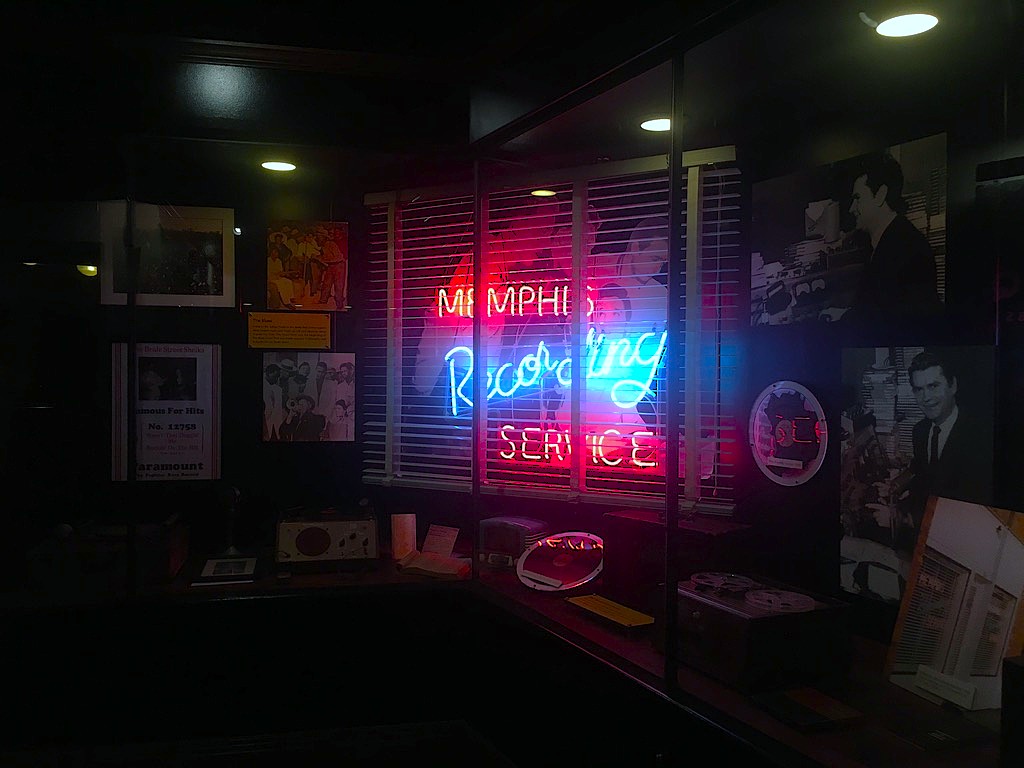
In Memphis, 706 Union Avenue served as a laboratory for Sam Phillips. The studio was a small, repurposed radiator shop, but its physical dimensions created a natural, tight compression. Phillips used a “slap-back” tape echo technique here that gave early rock and roll its aggressive, energetic edge. Standing on the “X” where Elvis Presley recorded his first hits is a lesson in how a simple room can dictate a global sound.
3. FAME Studios: The Muscle Shoals Secret
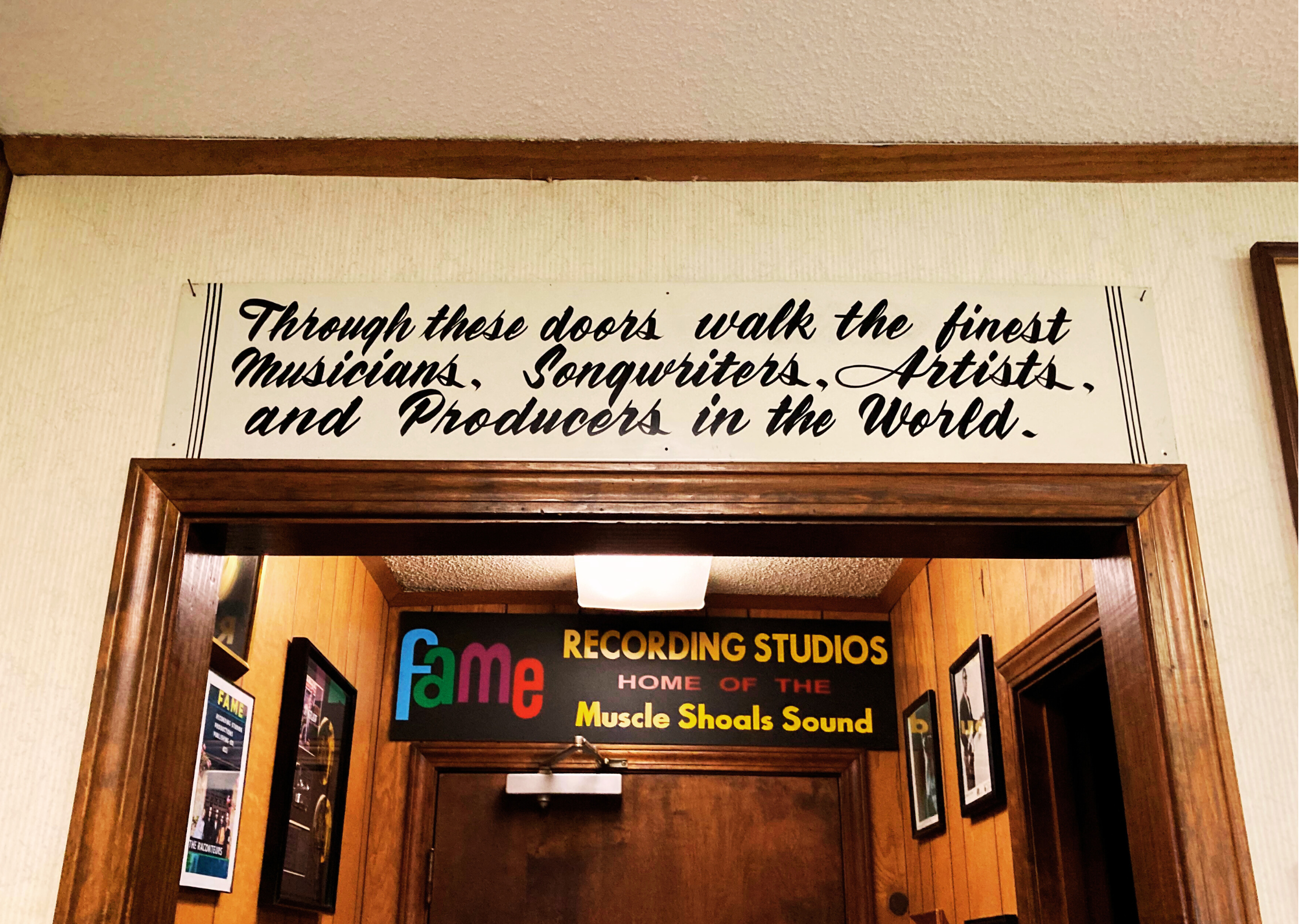
The “Muscle Shoals Sound” isn’t a myth; it is a specific technical approach to rhythm and blues. At FAME Studios in Alabama, the house band—The Swampers—developed a heavy, “behind-the-beat” style of playing. This local precision attracted artists like Aretha Franklin and Wilson Pickett, who traveled to this quiet river town specifically to capture the grit of this room’s acoustics and the musicianship within it.
4. RCA Studio B: The Engineering of the Nashville Sound
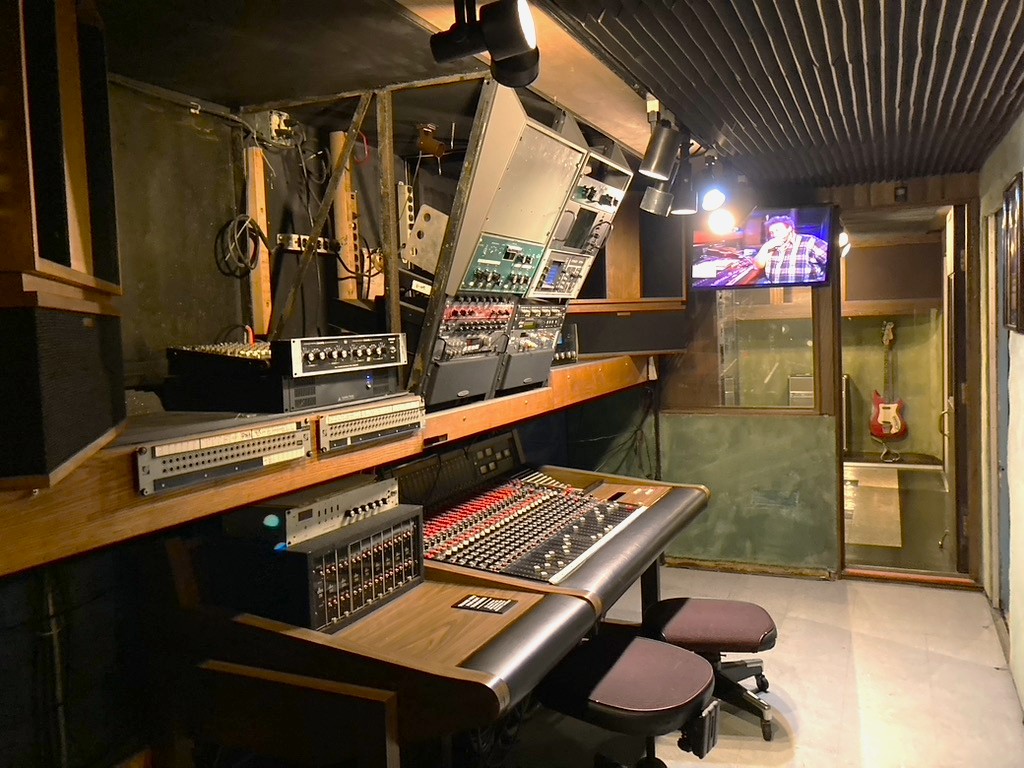
Nashville’s Studio B represents the evolution of the recording session. This was the birthplace of the “Nashville Sound,” characterized by sophisticated arrangements and high-fidelity production. It was also the proving ground for the Nashville Number System—a shorthand musical notation that allowed session players to master three-minute hits with zero rehearsal time.
5. Preservation Hall: The Acoustic Standard
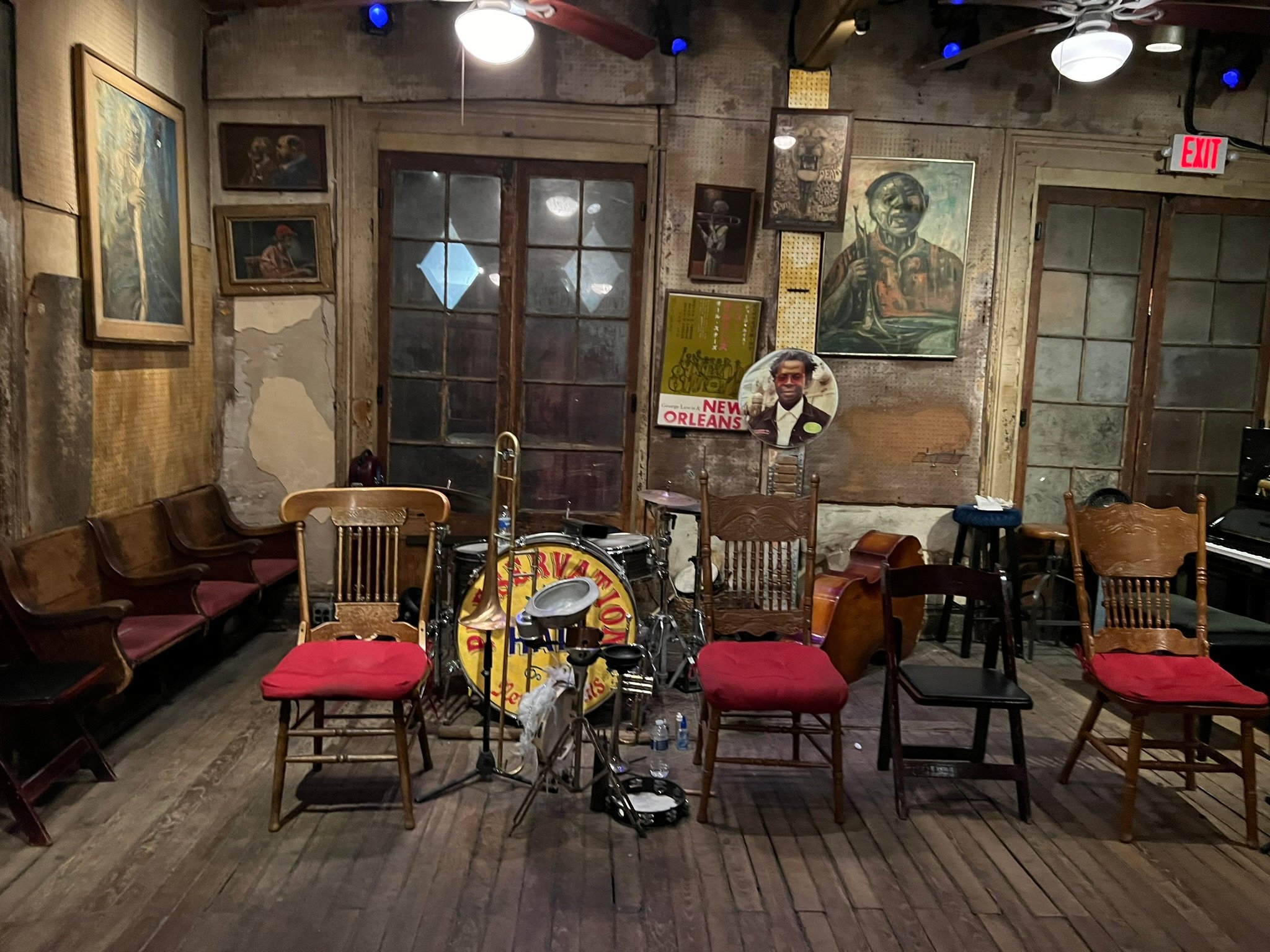
In an age of digital amplification, Preservation Hall remains an outlier. Founded in 1961, it operates without microphones or speakers. The music relies entirely on the natural resonance of the wood and the physical control of the horn players. It is the purest way to observe the “call and response” dynamics of traditional jazz in an environment designed for sound rather than spectacle.
Navigating the History with Chaz Chambers
To truly navigate this complex history, you need an insider’s perspective. Professional drummer and Musical Getaways founder Chaz Chambers provides exactly that. Having toured extensively with major productions like the Ringling Bros. Circus, Chaz offers a “player’s view” of these hallowed spaces. He translates the history of the South into the language of rhythm and performance, ensuring you aren’t just seeing these spots, but understanding how they work.
Our Sounds of the South Tour (May 2nd–12th, 2026) is a deep-dive expedition through these locations. Because these studios and venues are intimate, we limit the group to a small number of participants to ensure direct access to the sites and to Chaz’s expertise.
View the full itinerary and secure your place here.