
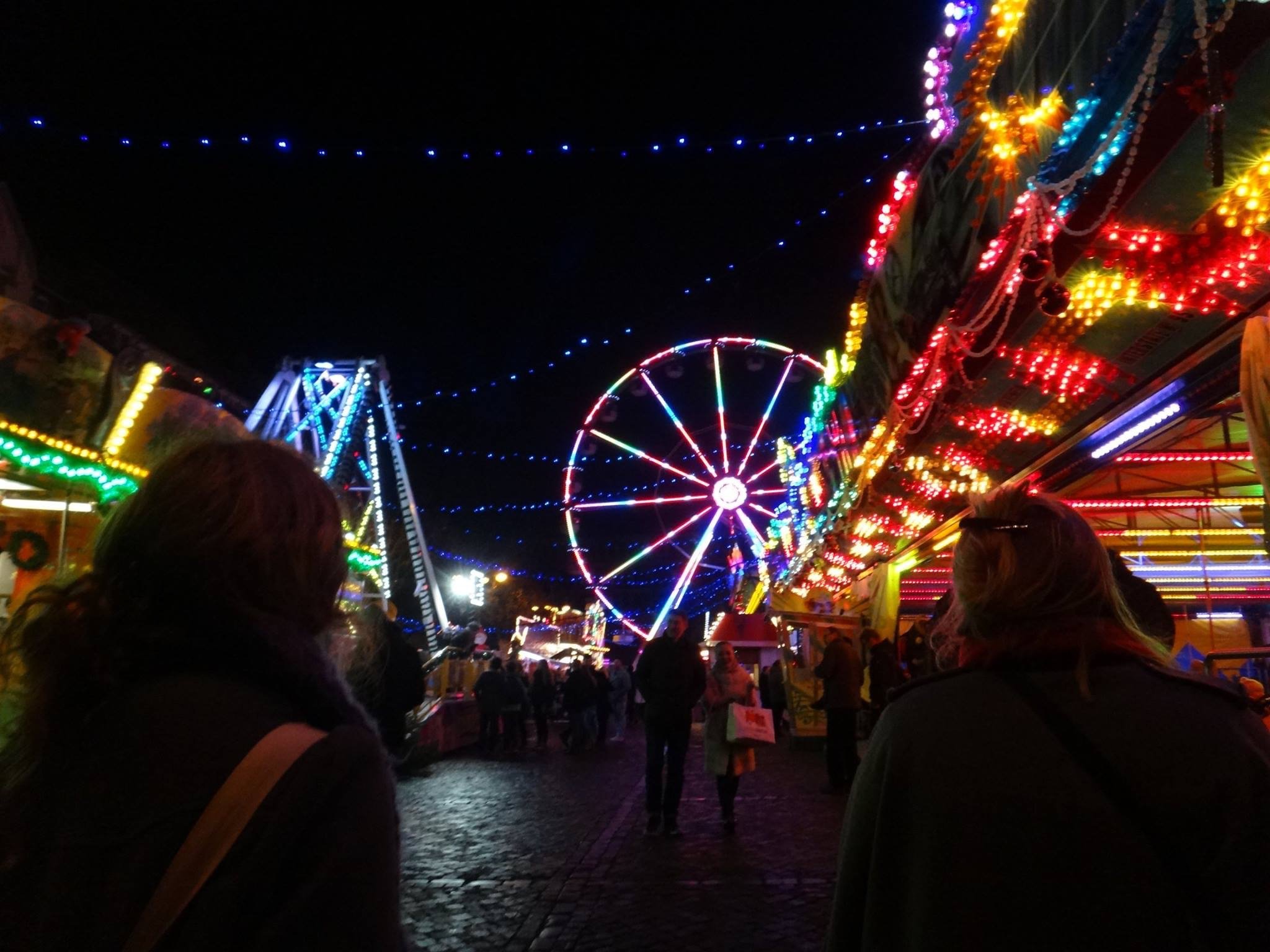
It’s 4:30 PM in Germany. The sun has already dipped below the horizon, and a crisp, biting chill has settled over the cobblestones. But as you turn the corner into the town square, the cold is instantly forgotten. You are met with a wall of golden light, the scent of toasted sugar, and the low hum of a hundred conversations clinking over ceramic mugs.
This is the Weihnachtsmarkt experience. Moving into 2026, while the world moves faster than ever, these markets remain a sensory sanctuary. Using the historic backdrop of cities like Heidelberg, Halle, Bamberg, and Leipzig, here is what it actually feels like to step into the heart of a German winter. Are you dreaming of making your holiday more magical next season? This guide will help you navigate the glühwein, the crowds, and the charm.
The Soundscape: From Choirs to Copper Horns
The music of a German Christmas market is a joy to discover! Some things you may encounter:
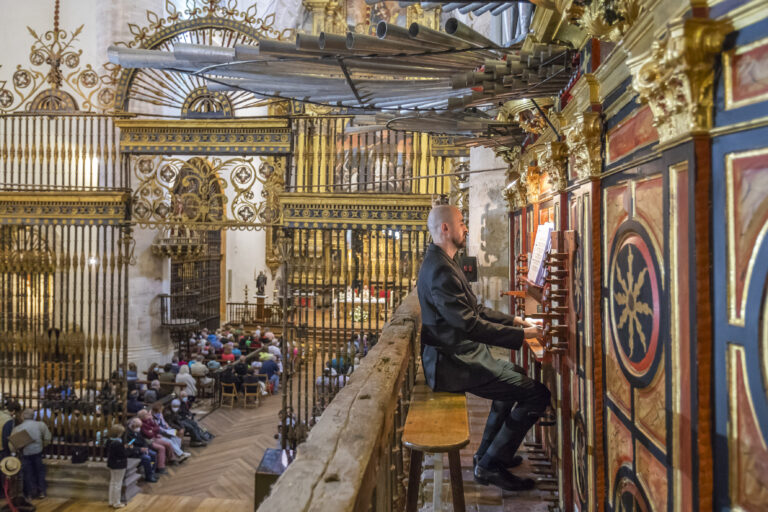
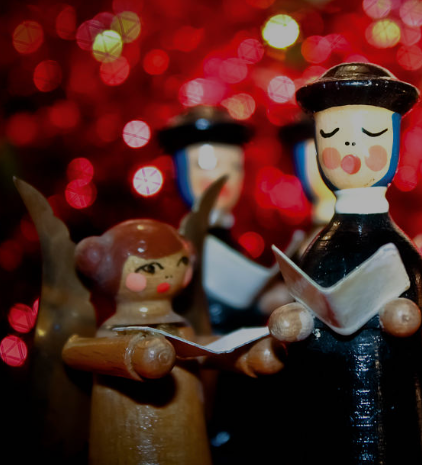
Sacred Grandeur: In Leipzig, the atmosphere is elevated by the city’s musical DNA. You might hear the world-famous St. Thomas Boys Choir echoing from the nearby church, their voices cutting through the cold with crystalline precision.
Village Charm: In the smaller squares of Heidelberg or Halle, you may hear the local brass band, or find yourself huddled on a hay bale singing Christmas carols.
Clink!: Perhaps the most common sound is the constant clink of ceramic mugs. It’s the sound of Gemütlichkeit, the uniquely German word for a cozy, cheerful sense of belonging.
Pro Tips for Your 2026 Visit
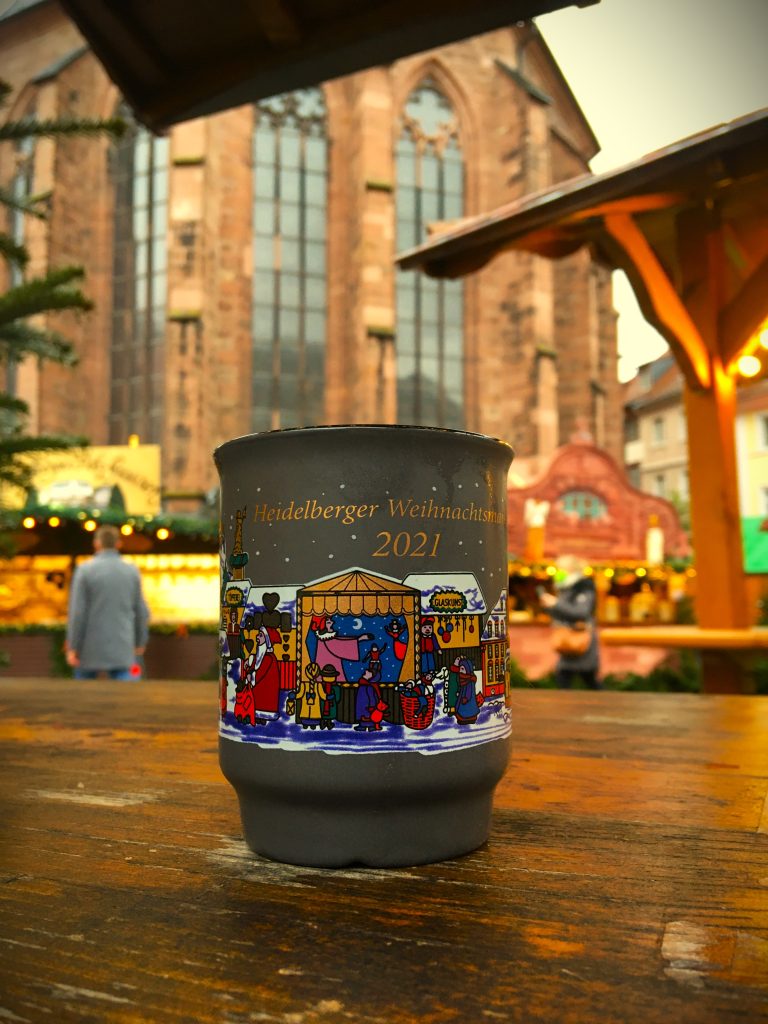
1. The “Pfand” System: When you buy a drink, you’ll pay a €3–€5 deposit (Pfand) for the mug. You can keep the mug as a souvenir (each city has a unique yearly design!) or return it to any stall selling that drink to get your cash back.
2. Follow the Fire: If you’re feeling the chill, look for the Feuerzangenbowle stall. It’s a spectacle where a rum-soaked sugarloaf is set on fire, dripping flaming blue syrup into the mulled wine below. It’s the warmest drink in the market.
3. Timing is Everything: The markets usually open the last week of November and end on December 23rd. Most Germans spend December 24th–26th at home with family, so if you arrive on Christmas Day, the markets will likely be packed away!
3. Bring Cash (Seriously): While some larger stalls in Berlin or Munich now take cards, the vast majority of ornament and food vendors are cash only. Keep a pocket full of €1 and €2 coins for the Pfand and small treats.
What to Eat & Drink at German Christmas Markets
Walking through a market is a sensory overload of cinnamon, roasted nuts, and sizzling sausages. Here is your essential tasting menu:
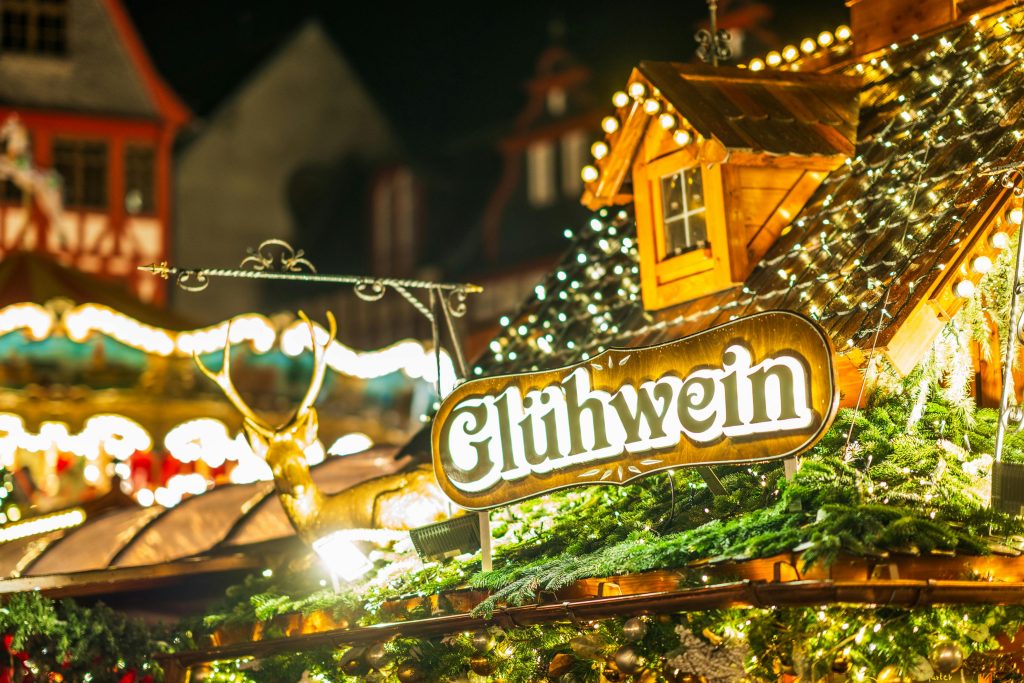
Glühwein: Hot mulled wine. You’ll pay a Pfand (deposit) for the mug. Keep the mug as a souvenir or return it to get your €3–€5 back!
Kinderpunsch: Skipping the alcohol, but still want the mulled wine experience? Try Kinderpunsch, a non-alcoholic Glühwein- like drink.
Flammkuchen: A very thin, crispy, cracker-like pizza topped with Crème Fraîche (or sour cream) Get it with toppings like
Champignons: Grilled mushrooms- trust me, they are incredible! Get them with Knoblau-Sosse (garlic sauce) for the most indulgent experience.
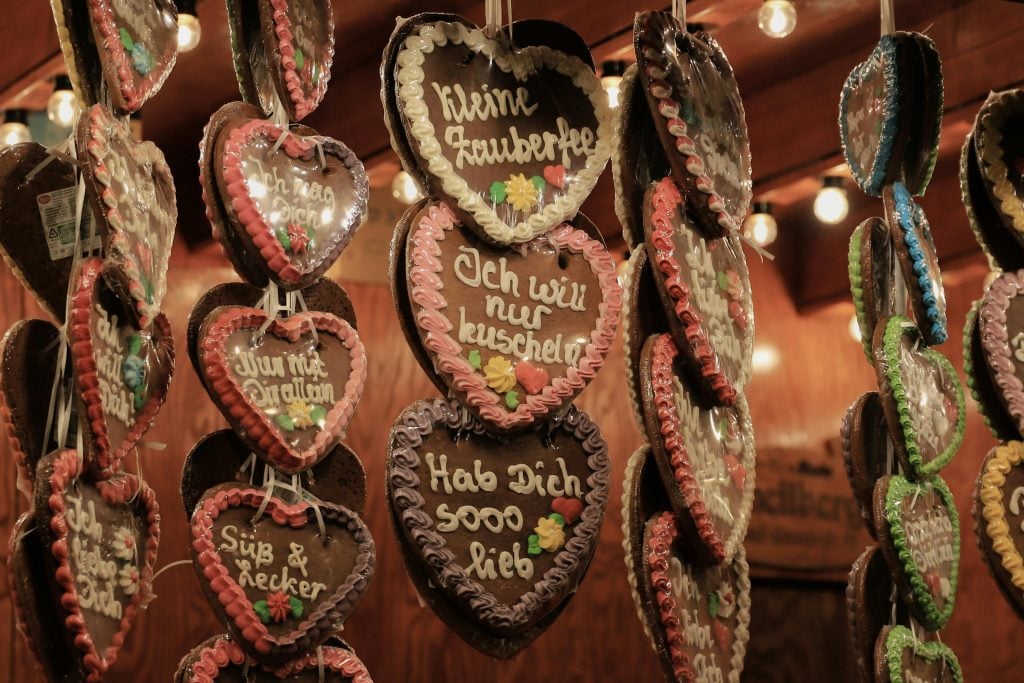
Lepkuchen: Gingerbread hearts, with icing messages. These are packaged so you can easily bring them to your beloved.
Convinced you want to make Germany your next holiday vacation? See our upcoming Germany Classical Christmas tour, where we immerse in the elegance of Bach and Handel and the glow of the season.